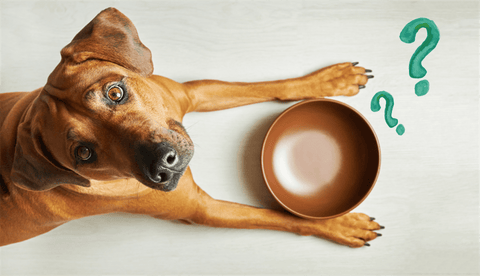

Are you wondering how much Max, your adult dog, should eat every day? Or maybe you’re curious about the right amount of food for your growing puppy?
Getting the feeding amounts right is more important than you might think. Feeding too much or too little can affect your dog’s health, energy, and happiness. You’ll discover clear, simple guidelines to make sure your furry friend gets just the right portion every day.
Keep reading to learn how to keep your dog healthy and full of life with the perfect feeding plan.
Daily Food Needs For Adult Dogs
Understanding the daily food needs for adult dogs is essential to keep your furry friend healthy and energetic. Feeding the right amount supports their weight, energy levels, and overall well-being. But how do you know how much Max, or any adult dog, should eat each day?
Factors Influencing Food Amount
Several factors affect how much food your adult dog needs daily. Activity level plays a big role; an active dog burning more energy needs more calories. Age also matters—older dogs often require fewer calories compared to younger adults.
Health conditions can change feeding requirements too. Dogs with certain illnesses or on medications might need adjusted portions. Knowing these influences helps you tailor meals exactly to your dog’s needs.
Calories And Portion Sizes
Calories are the key to measuring the right portion sizes. Most adult dogs need between 20 to 30 calories per pound of body weight each day. For example, a 50-pound dog typically requires 1,000 to 1,500 calories daily.
Check your dog food label for calorie content per cup to calculate portions easily. Adjust feeding amounts based on your dog’s weight changes and activity. Have you noticed your dog gaining or losing weight unexpectedly? That’s a sign to tweak the portions.
Breed And Size Considerations
Breed and size affect how much your dog eats more than you might expect. Large breeds like Labradors or German Shepherds generally eat more than small breeds like Chihuahuas or Pomeranians. But it’s not just size—some breeds have faster metabolisms or unique nutritional needs.
Small breeds may need calorie-dense food in smaller portions to meet their energy needs. Meanwhile, giant breeds often benefit from diets that support joint health alongside their calorie intake. Tailoring food amounts by breed helps maintain their ideal body condition.

Credit: www.petcircle.com.au
Puppy Feeding Guidelines
Feeding your puppy the right amount of Max Adult Dog Food each day is crucial for their growth and health. Puppies have different nutritional needs than adult dogs, and these needs change as they age. Understanding how to feed your puppy properly can help avoid problems like obesity or malnutrition.
Age-based Food Requirements
Puppies require more calories per pound of body weight than adult dogs because they are growing rapidly. During the first 3 months, they need nutrient-dense food rich in protein and fat to support development.
Between 3 to 6 months, their growth rate slows slightly, so you can adjust the portions accordingly. After 6 months, their diet should gradually shift to meet the needs of an adult dog.
Always check the feeding guidelines on the Max Adult Dog Food package, as it offers age-specific recommendations tailored for your puppy’s size and breed.
Meal Frequency And Portion Control
Young puppies usually eat 3 to 4 meals a day. Splitting their daily food into smaller meals helps maintain steady energy levels and prevents overeating.
As your puppy grows, you can reduce meals to 2 or 3 times daily. Pay close attention to portion sizes to avoid feeding too much or too little.
Using a measuring cup ensures you give the right amount each time. Have you noticed how your puppy’s appetite changes from week to week? Adjust portions accordingly to match their activity level and growth.
Signs Of Overfeeding Or Underfeeding
Overfeeding can cause your puppy to gain excessive weight, leading to joint problems and other health issues. Watch for a rounded belly and difficulty moving as warning signs.
Underfeeding, on the other hand, may result in lethargy, dull coat, or slow growth. If your puppy seems constantly hungry or is losing weight, it’s time to increase their food intake.
Regularly checking your puppy’s weight and body condition helps you spot these issues early. Are you tracking your puppy’s growth to make sure they are on the right feeding path?
Choosing The Right Dog Food
Determining the right amount of Max Adult dog food depends on your dog’s size and activity level. Puppies need smaller, frequent meals to support healthy growth and energy. Feeding the correct portion helps maintain your dog’s health and weight.
Choosing the right dog food for your puppy is a crucial decision that affects their growth, health, and overall well-being. With so many options available, it can be overwhelming to find the perfect match for your furry friend. But understanding the different types of dog food and their nutritional value can make this task much easier.Types Of Dog Food Available
Dog food comes in various forms, each offering unique benefits and challenges. The most common types are dry kibble, wet canned food, semi-moist, and raw food diets. Dry kibble is convenient and helps maintain dental health, while wet food is often more palatable for picky eaters. Semi-moist foods offer a middle ground but can be high in sugar and additives. Raw diets, meanwhile, are praised for their natural approach but require careful preparation and knowledge.Nutritional Essentials For Puppies And Adults
Puppies have different dietary needs compared to adult dogs. They require higher protein levels, more calories, and essential nutrients like calcium and phosphorus for bone development. Adult dogs, on the other hand, need a balanced diet that maintains their energy without leading to weight gain. Understanding these differences ensures that your dog receives the appropriate nutrition at each life stage.Reading Dog Food Labels
Deciphering dog food labels can be a daunting task, but it’s essential to know what you’re feeding your pet. Look for labels that list a specific meat as the first ingredient, as this indicates a quality protein source. Avoid products with excessive fillers or artificial preservatives. Pay attention to the guaranteed analysis, which provides information on protein, fat, fiber, and moisture content. Knowing how to read these labels empowers you to make informed decisions about your dog’s diet. Isn’t it worth taking the time to ensure your dog eats the best food possible? After all, a healthy diet contributes to a long, happy life for your canine companion.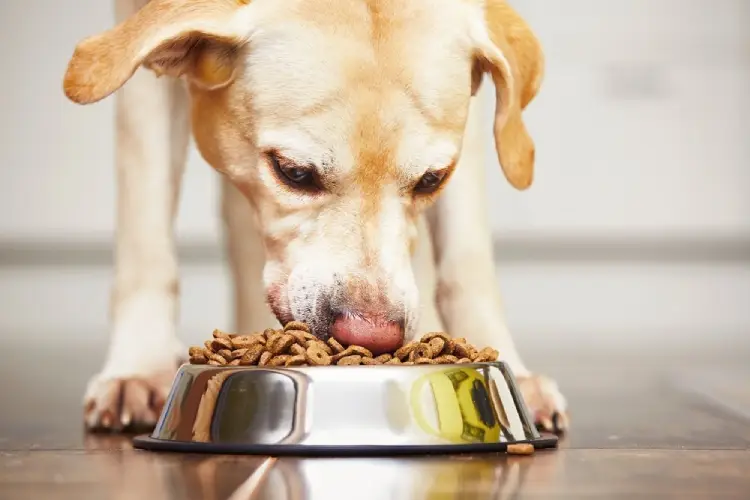
Credit: www.webbox.co.uk
Adjusting Food Intake Over Time
Adjusting your dog’s food intake over time is essential for their health. Puppies and adult dogs have different nutritional needs. Changes in diet and portion size help maintain a healthy weight and energy level.
Transitioning From Puppy To Adult Food
Switching from puppy food to adult food should happen gradually. Start mixing adult food with puppy food over 7 to 10 days. Increase the adult food amount daily while decreasing puppy food. This helps avoid stomach upset and allows your dog to adjust smoothly.
Monitoring Weight And Health
Check your dog’s weight regularly to avoid overfeeding or underfeeding. Look for signs like weight gain, loss of energy, or changes in coat quality. Adjust food portions based on these observations. Consult a vet if you notice health issues or unusual weight changes.
Seasonal And Activity Level Changes
Dogs may need more or less food depending on the season. Cold weather can increase energy needs, while warm weather may lower them. Activity level also affects food intake. Increase portions during active play or exercise. Reduce food during rest or low activity periods.
Common Feeding Mistakes To Avoid
Feeding your puppy the right amount of Max Adult Dog Food is crucial, but many dog owners unknowingly make common feeding mistakes. These errors can affect your puppy’s growth, energy, and overall health. Recognizing and avoiding these pitfalls will help you keep your furry friend happy and healthy.
Overfeeding And Obesity Risks
Giving your puppy too much food can quickly lead to obesity. Excess weight strains their developing joints and organs, causing long-term health problems.
Watch the portion sizes on the dog food package, but also observe your puppy’s body condition. If you notice rapid weight gain or a lack of energy, it’s time to adjust their meals.
Have you ever seen a puppy struggle to play because of extra weight? That’s a clear sign to rethink feeding amounts before it turns into a bigger issue.
Ignoring Individual Needs
Every puppy is unique, so a one-size-fits-all feeding plan rarely works. Factors like breed, activity level, and metabolism influence how much Max Adult Dog Food your puppy should eat daily.
Instead of sticking rigidly to guidelines, pay attention to your puppy’s hunger cues and energy levels. Some may need more food, others less.
Ask yourself: Is my puppy energetic and growing well, or showing signs of hunger or sluggishness? Tailoring portions to your pup’s needs ensures healthy development.
Feeding Human Food And Treats
It’s tempting to share your snacks, but human food can upset your puppy’s digestion or introduce harmful ingredients. Treats should be given sparingly and chosen specifically for puppies.
Too many treats can also throw off your puppy’s calorie balance, leading to overeating or picky eating habits.
Consider this: Are the treats you offer adding nutritional value or just empty calories? Sticking to balanced puppy food and healthy treats keeps your feeding routine on track.
Credit: wefeedraw.com
Frequently Asked Questions
How Much Max Adult Dog Food Should I Feed Daily?
Max Adult dogs typically need 2 to 3 cups of food daily. This depends on their weight, age, and activity. Always check feeding guidelines on the packaging for exact portions. Adjust amounts based on your dog’s health and energy needs.
How Much Puppy Food Should My Puppy Eat Per Day?
Puppies need smaller, frequent meals, usually 3 to 4 times daily. Feed about 1/4 to 1 cup per meal, depending on breed size. Consult your vet for exact portions to ensure healthy growth and nutrition.
When Should I Switch From Puppy To Adult Dog Food?
Switch to adult dog food at 12 months for small breeds, 18-24 months for large breeds. This supports proper nutrition for growth stages. Gradually transition over a week to avoid digestive upset.
Can Overfeeding Max Adult Dog Food Cause Health Issues?
Yes, overfeeding can lead to obesity, joint problems, and diabetes. Follow recommended portions and monitor weight regularly. Exercise your dog daily to maintain a healthy lifestyle.
Conclusion
Feeding your dog the right amount is very important. Puppies need smaller, more frequent meals than adult dogs. Pay attention to your dog’s weight and energy level. Adjust food portions as they grow or become more active. Always choose quality food made for your dog’s age.
Regular check-ups help keep your dog healthy and happy. Feeding well supports strong bones and a shiny coat. Small changes in diet can make a big difference. Keep learning about your dog’s needs for the best care. Your dog will thank you with love and loyalty.