
Are you thinking about adding a Beagle to your family? You might be wondering, “Are Beagle dogs easy to train?”
Training your new furry friend can feel overwhelming, especially if you want a dog that listens and behaves well. Beagles are known for their playful nature and strong sense of smell, but does that make training them simple or tricky?
You’ll discover what makes Beagles unique learners and get practical tips to help you train your dog with confidence. Keep reading to find out how you can turn your Beagle into a well-behaved companion you’ll love.
Beagle Traits Affecting Training
Beagle dogs have unique traits that influence how they respond to training. Understanding these traits helps make training easier and more effective. Their natural behaviors and instincts shape their learning style.
Patience and consistency are key when training a Beagle. Recognizing their strengths and challenges leads to better communication and progress.
Temperament And Energy Levels
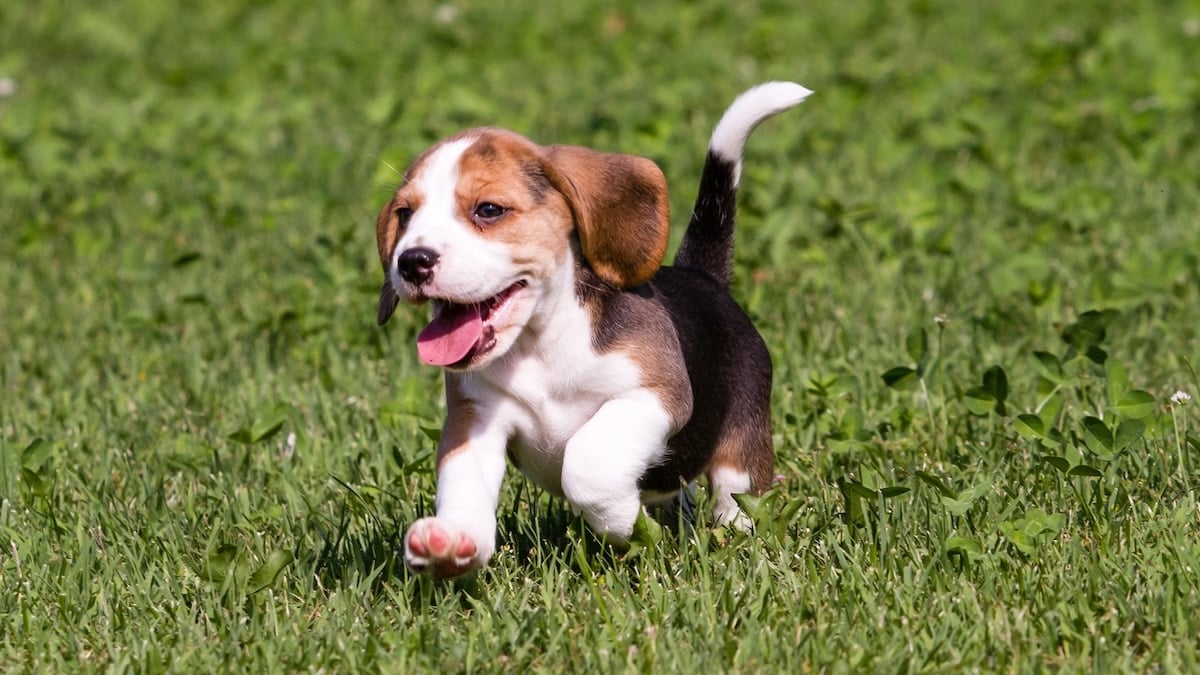
Beagles are friendly and curious dogs. They have high energy and love to explore. This energy can make training a fun activity. Short, frequent training sessions work best. Beagles may get bored with long lessons. Their playful nature means they respond well to positive rewards.
Scent-driven Behavior
Beagles have a strong sense of smell. They often follow scents, which can distract them during training. This makes recall commands harder to teach. Training should include scent games to engage their nose. Using treats with strong smells helps keep their focus. Understanding this trait helps avoid frustration for both owner and dog.
Social Nature
Beagles enjoy being around people and other dogs. They dislike being alone for long periods. Their social needs encourage training in group settings or with family. Social interaction can be a reward during training. This trait helps build strong bonds and improves obedience. Training should include socialization to keep them happy and balanced.
Credit: www.rover.com
Common Training Challenges
Training Beagle dogs can be rewarding but also challenging. Their unique traits often create hurdles in teaching basic commands. Knowing these common training challenges helps set realistic expectations. It also guides dog owners to better strategies for successful training.
Stubbornness And Independence
Beagles have a strong-willed nature. They enjoy making their own choices. This independence can slow down training progress. Sometimes, they may ignore commands. Patience and consistent repetition are essential. Positive reinforcement works better than strict discipline.
Distraction From Scents
Beagles have an excellent sense of smell. Their noses lead them to interesting scents everywhere. This focus on smells often distracts them during training. They might wander off to follow a trail. Keep training sessions short and engaging. Use scent-related games to channel their attention positively.
Barking And Howling
Beagles are vocal dogs. They bark and howl to communicate or express excitement. This behavior can become excessive if not managed. Training should include teaching when to be quiet. Reward calm behavior and gently correct loud outbursts. Consistency is key to controlling noise levels.
Effective Training Techniques
Beagles respond well to patient and consistent training methods. Using treats and positive reinforcement makes learning easier for them. Their curious nature can be guided with clear, simple commands.
Training a Beagle can be an immensely rewarding experience, but it’s not without its challenges. Their lively and curious nature can sometimes make them seem a bit stubborn. However, with the right techniques, you can channel their intelligence and energy into productive training. Let’s dive into some effective training techniques that can help you turn your Beagle into a well-behaved companion.Positive Reinforcement Methods
Beagles respond exceptionally well to positive reinforcement. Reward your dog for good behavior with treats, praise, or playtime. This builds a positive association with the commands they’re learning. Imagine your Beagle sitting promptly when asked because they anticipate a tasty treat. Reinforcing desired behaviors consistently encourages them to repeat those actions. Avoid punishment, as it can lead to fear and anxiety, hindering their learning process.Consistency And Patience
Consistency is key in training Beagles. They thrive on routine and clear expectations. Make sure everyone in your household uses the same commands and rewards system. I once spent a week teaching my Beagle to stay, only to find my partner using a different command. This inconsistency confused my dog and slowed his progress. Patience is equally important. Beagles may take a little longer to grasp some commands, but with time, they will get there.Short And Engaging Sessions
Keep training sessions short and engaging to maintain your Beagle’s attention. Aim for sessions of 5-10 minutes to prevent boredom. Incorporate fun elements like games or short walks to keep things interesting. A game of fetch can be an excellent way to reinforce commands like “come” or “drop.” Have you ever noticed how quickly a Beagle loses interest? Keeping sessions brief ensures they remain focused and enthusiastic about learning.Essential Commands For Beagles
Training a Beagle can be rewarding, especially when you focus on essential commands that build a strong foundation. These commands help you communicate clearly and make daily life easier for both you and your dog. Understanding which commands matter most will set you up for success.
Basic Obedience Commands
Start with simple commands like sit, stay, and come. Beagles respond well to consistent, positive reinforcement—think treats and praise. Make training sessions short but frequent; Beagles have a curious nature but can get bored quickly.
Try using hand signals along with verbal cues to improve understanding. Have you noticed how your Beagle reacts differently when you add gestures? This can boost their attention and response time.
Recall And Leash Training
Recall is critical for Beagles since their strong nose can lead them to wander off. Teach your Beagle to come back to you immediately, even when distractions are around. Practice in a secure area and gradually increase distance.
Leash training can be tricky, as Beagles love to explore. Use a comfortable harness and keep the leash loose to avoid tension. Reward your dog for walking calmly beside you to encourage good leash manners.
Crate And Potty Training
Crate training gives your Beagle a safe space and can ease separation anxiety. Introduce the crate as a positive place with treats and toys inside. Never use it for punishment—your Beagle should feel comfortable and secure.
Potty training requires patience and timing. Take your Beagle outside frequently, especially after meals and naps. Praise them immediately when they go in the right spot to reinforce the behavior.
Socializing Your Beagle
Socializing your Beagle is a crucial part of their training journey. These dogs are naturally curious and friendly, but without proper socialization, they might become shy or overly excitable around new experiences. Helping your Beagle get comfortable with different people, animals, and environments will set a strong foundation for confident, well-behaved behavior.
Introducing To Other Dogs
Beagles are pack animals and usually enjoy the company of other dogs, but introductions should be done carefully. Start by meeting calm, vaccinated dogs in a neutral area to avoid territorial behavior. Watch your Beagle’s body language; if they seem overwhelmed, give them space and try again later.
During one of my first attempts, my Beagle froze when meeting a larger dog. I realized I needed to go slower and use treats to encourage positive interactions. Have you noticed how your Beagle reacts differently to dogs of various sizes or energy levels?
Exposure To New Environments
Taking your Beagle to new places regularly helps reduce anxiety and builds adaptability. Parks, busy streets, and quiet trails all offer different sights, sounds, and smells that stimulate your dog’s senses. Short, positive visits make these outings less intimidating.
Try to make every new environment a fun discovery rather than a scary challenge. For example, let your Beagle explore a garden or a pet-friendly store at their own pace. What new place will you visit with your Beagle this week?
Handling Stranger Interactions
Beagles can be wary of strangers if they haven’t been exposed to different people early on. Encourage calm and gentle greetings, avoiding forced attention or overwhelming your dog. Let your Beagle approach strangers when they feel comfortable.
When my Beagle met a new visitor, I held treats in my hand and let her sniff before any petting. This simple step helped her associate strangers with positive experiences. How do you help your Beagle feel safe when meeting new people?
Credit: www.bestmatedogtraining.co.nz
Dealing With Behavioral Issues
Dealing with behavioral issues in Beagle dogs requires patience and consistency. These dogs are intelligent but can be stubborn, which sometimes leads to common challenges. Understanding the root of these behaviors helps you guide your Beagle toward better habits effectively.
Managing Separation Anxiety
Beagles are social dogs and often develop separation anxiety if left alone for too long. You might notice pacing, whining, or even destructive behavior when you leave the house. To help, gradually increase the time your dog spends alone, starting with just a few minutes and slowly extending it.
Providing toys or puzzle feeders can distract your Beagle and reduce stress. Have you tried leaving a piece of your clothing with your scent? This small comfort can calm your dog while you’re away.
Reducing Excessive Barking
Beagles are naturally vocal, but constant barking can become a problem. Identify what triggers the barking — is it boredom, excitement, or alerting you to strangers? Once you know the cause, redirect your dog’s attention with commands or a favorite toy.
Using positive reinforcement when your Beagle stays quiet works better than punishment. Imagine the difference between saying “quiet” and then rewarding calm behavior versus scolding after the barking starts. Which approach would you prefer for building trust?
Preventing Destructive Chewing
Chewing is a typical Beagle behavior, especially in puppies exploring their world. If your dog chews on furniture or shoes, it usually means they need more exercise or mental stimulation. Offering plenty of chew toys can help divert this urge.
Regular walks and playtime reduce excess energy that might otherwise turn into destructive habits. Have you noticed if your Beagle chews more when left alone or bored? Adjusting their daily routine can make a big difference.
Tools And Resources For Training
Training your Beagle can be a rewarding experience, especially when you have the right tools and resources at your disposal. These aids make the process smoother and help keep your dog engaged. Whether you are a beginner or looking to refine your techniques, having reliable equipment, expert guidance, and informative materials can make all the difference.
Training Aids And Equipment
Using the right training aids can transform your Beagle’s learning experience. Basic tools like a sturdy leash, a comfortable collar or harness, and treat pouches help keep training sessions organized and effective.
Clicker trainers are popular for marking positive behavior quickly. They help your dog understand exactly what action earned the reward, which speeds up learning.
Don’t forget interactive toys and puzzle feeders. These tools challenge your Beagle mentally and reduce boredom, which often leads to better behavior overall.
Professional Training Options
Sometimes, you might hit a wall and need extra help. Professional trainers bring experience and techniques tailored to Beagle traits like stubbornness and scent-driven distractions.
Group classes offer socialization opportunities and allow you to learn alongside other dog owners. Private sessions focus solely on your dog’s unique needs, offering personalized strategies.
Some trainers specialize in positive reinforcement, which suits Beagles well. Would you consider investing in a few sessions to jumpstart your training efforts?
Recommended Books And Videos
Books provide a solid foundation and let you progress at your own pace. Titles like “The Beagle Training Guide” or “Positive Dog Training” offer clear steps and tips specifically for Beagles.
Videos can be even more helpful because you see techniques in action. Channels run by certified trainers often share short, practical lessons that you can try immediately.
Combining books and videos gives you both theory and practice. What’s the last training tip you picked up from a book or video that really worked for your dog?

Credit: medium.com
Maintaining Long-term Success
Maintaining long-term success with beagle training takes patience and consistency. Training does not end after the first few lessons. It requires ongoing attention to keep your beagle well-behaved and happy. Regular practice helps your dog remember commands and good manners. Adjusting your approach as your beagle grows ensures training stays effective. Recognizing progress keeps both you and your dog motivated.
Ongoing Practice And Reinforcement
Keep practicing commands daily to build strong habits. Short, frequent sessions work best for beagles. Praise good behavior immediately to reinforce learning. Use treats and kind words as rewards. Avoid long training sessions that may tire your dog. Consistent rules at home help your beagle understand expectations. Repeating commands in different settings strengthens obedience.
Adapting Training As Beagle Ages
Training needs change as your beagle grows older. Puppies need basic commands and socialization. Adult beagles benefit from more advanced lessons. Senior dogs may require gentler training and patience. Adjust exercise and mental challenges to fit their energy. Watch for changes in behavior or health. Tailor training to suit your beagle’s current needs.
Celebrating Progress And Milestones
Recognize small wins to keep motivation high. Celebrate when your beagle learns a new command. Mark milestones like house training or leash walking. Positive reinforcement builds your dog’s confidence. Use treats, praise, or extra playtime as rewards. Tracking progress shows how far your beagle has come. Enjoy the journey together with your loyal companion.
Frequently Asked Questions
Are Beagle Dogs Easy To Train For Beginners?
Beagles can be trained by beginners with patience. They are intelligent but sometimes stubborn, requiring consistent commands and positive reinforcement.
How Long Does It Take To Train A Beagle?
Training a Beagle typically takes a few weeks to months. Consistency and daily practice speed up learning and good behavior development.
What Training Methods Work Best For Beagle Dogs?
Positive reinforcement and reward-based training work best. Beagles respond well to treats, praise, and play as motivation during training sessions.
Do Beagles Respond Well To Obedience Training?
Yes, Beagles respond well if training is consistent and engaging. Early socialization and clear commands improve obedience and reduce stubborn behavior.
Conclusion
Beagle dogs can be trained with patience and consistency. They are smart but sometimes stubborn. Short, fun training sessions work best for them. Using treats and praise helps keep their interest. Expect some challenges, but don’t give up. Training builds a strong bond between you and your beagle.
With love and effort, they learn many commands. Beagles make loyal and happy companions. Training them is a rewarding experience for any dog owner.