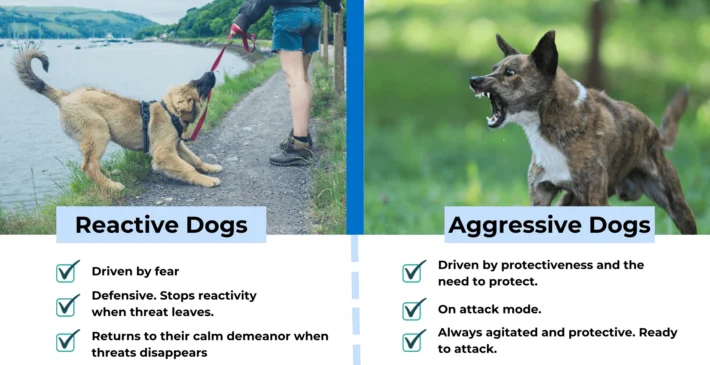

Is your dog barking, lunging, or getting overly excited whenever they see other dogs, people, or noises? It can be frustrating and stressful for both of you.
But what if you could help your dog stay calm and focused instead? Learning how to train your dog to be less reactive isn’t just about stopping unwanted behavior—it’s about building trust and making walks and outings enjoyable again. You’ll discover simple, effective steps that you can start using today to transform your dog’s reactions.
Ready to bring peace back to your daily routine? Let’s dive in.

Credit: spiritdogtraining.com
Identify Triggers
Understanding what triggers your dog’s reactive behavior is essential for effective training. Identifying these triggers helps you manage your dog’s environment and tailor your approach. This process requires careful observation and patience.
Common Reactivity Triggers
- Strangers approaching too quickly
- Other dogs passing nearby
- Loud noises like traffic or sirens
- Unfamiliar objects or vehicles
- Children running or shouting
- Strong smells or sudden movements
Each dog reacts differently to these triggers. Some may bark, lunge, or freeze. Knowing your dog’s specific triggers is the first step to reducing reactivity.
Observe Your Dog’s Behavior
Watch your dog closely in different settings. Note when your dog becomes tense, barks, or pulls on the leash. Pay attention to body language like raised hackles, growling, or stiff posture.
Keep a journal of situations that provoke reactions. Include details like time, place, and what happened just before the reaction. This record helps spot patterns and common triggers.
Create A Calm Environment
Creating a calm environment is essential when training your dog to be less reactive. Dogs pick up on energy and surroundings just like people do. A peaceful setting helps your dog feel safe and more open to learning new behaviors.
Minimize Stress Factors
Look around your home and identify things that might stress your dog. Noisy appliances, cluttered spaces, or frequent visitors can make your dog anxious. Try to reduce sudden loud sounds and keep your dog’s space tidy and quiet.
Think about your dog’s daily routine. Are there specific times or places where your dog seems more reactive? Avoiding or adjusting those triggers can lower stress levels.
When my dog was highly reactive, I noticed that busy streets near our walking route made her nervous. Changing our path to quieter areas helped her stay calmer and more focused on training.
Use Soothing Techniques
Soothing techniques can help your dog relax and stay calm during training sessions. Gentle petting, slow massage, or soft talking can reduce tension. These actions signal safety and comfort to your dog.
Playing calming music or using white noise machines can also ease anxiety. Some dogs respond well to aromatherapy with dog-safe scents like lavender.
Have you tried giving your dog a favorite chew toy or puzzle during stressful moments? This distraction can redirect their energy and lower reactivity.
Remember, your calm demeanor influences your dog’s mood. Taking deep breaths and staying patient makes a big difference.
Use Positive Reinforcement
Reward your dog with treats or praise when it stays calm in triggering situations. This encourages good behavior and reduces reactivity over time. Positive moments help your dog learn what you want.
Training your dog to be less reactive can feel like a daunting task, but using positive reinforcement can make this journey rewarding for both you and your furry friend. Positive reinforcement involves rewarding your dog for the behavior you want to see more of. This approach not only strengthens your bond but also helps your dog understand what is expected of them. By focusing on rewarding the right actions, you encourage your dog to repeat those behaviors, gradually reducing their reactivity.Reward Calm Behavior
Recognizing and rewarding calm behavior is essential in training your dog to be less reactive. Notice when your dog is relaxed, and immediately reward them with a treat or verbal praise. This reinforces the idea that calmness leads to positive outcomes. Think about the environments where your dog tends to be reactive. Start practicing in less stimulating settings before gradually moving to more challenging situations. Each small success helps build their confidence and reinforces their calm demeanor.Choose Effective Treats
Selecting the right treats can significantly impact your training success. Opt for small, high-value treats that your dog finds irresistible. These should be different from their usual snacks to maintain their interest and enthusiasm. Consider your dog’s preferences. Some dogs may prefer soft treats, while others might respond better to crunchy ones. Keep a variety of treats handy to keep the training sessions engaging and enjoyable for your dog. Have you ever noticed how your dog lights up for a particular treat? Use that to your advantage. By consistently rewarding with a favorite treat, your dog will be more motivated to exhibit calm behavior, making your training efforts more effective.Implement Desensitization
Implementing desensitization helps your dog become calm around triggers. This process reduces strong reactions by slowly introducing what bothers your dog. Patience and consistency are key. You create positive experiences and help your dog feel safe.
Gradual Exposure To Triggers
Start by exposing your dog to the trigger at a low level. For example, if your dog reacts to other dogs, begin with a distant view. Keep the distance where your dog stays calm. Reward calm behavior with treats or praise.
Repeat this exposure often, keeping the environment safe and controlled. If your dog shows signs of stress, increase the distance again. The goal is to help your dog get used to the trigger without fear.
Increase Intensity Slowly
After your dog stays calm at a low trigger level, increase the intensity slowly. Move closer to the trigger or make it more noticeable. Watch your dog’s reactions carefully. Stop or step back if stress appears.
Use short sessions and frequent breaks. Always reward calm behavior to build positive associations. Over time, your dog learns to handle stronger triggers without reacting.
Practice Counter-conditioning
Practice counter-conditioning is a powerful technique to help your dog become less reactive. It focuses on changing how your dog feels about triggers that usually cause stress or aggressive behavior. This approach rewires their emotional response, replacing negative feelings with positive ones.
Change Emotional Response
Dogs often react because they feel scared, threatened, or anxious. To help your dog, you need to change these feelings into calmness or happiness. Start by observing what makes your dog reactive and then gently expose them to these triggers at a distance where they feel safe.
For example, if your dog barks at other dogs during walks, begin by standing far enough away that your dog notices the other dogs but doesn’t react. Reward calm behavior with treats or praise. Over time, your dog learns that seeing another dog means something good is coming, not a threat.
Pair Triggers With Positivity
Every time your dog encounters a trigger, immediately offer something positive like a tasty treat, playtime, or affection. This helps your dog associate the trigger with good things instead of fear or frustration.
- Identify your dog’s specific triggers.
- Keep your dog at a distance where they remain calm.
- Quickly reward calm behavior the moment the trigger appears.
- Gradually decrease the distance to the trigger over sessions.
Have you noticed how your dog’s mood shifts when you bring out their favorite treat in tense situations? That simple action can change their entire experience. The key is consistency and patience—your dog needs repeated positive pairings to change their reaction for good.
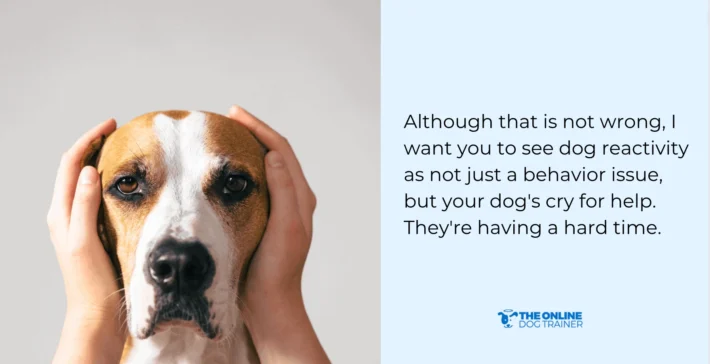
Credit: theonlinedogtrainer.com
Teach Alternative Behaviors
Teaching your dog alternative behaviors helps reduce reactivity effectively. It replaces unwanted actions with positive responses. This approach builds better habits and improves control. Patience and consistency make this training successful.
Redirect Attention
Redirecting your dog’s attention stops reactive behavior quickly. Use toys, treats, or sounds to catch their focus. Practice this in calm settings first. Gradually introduce distractions while keeping your dog engaged.
- Call your dog’s name clearly and cheerfully.
- Show a favorite toy or treat to lure attention.
- Reward your dog immediately when they look at you.
- Repeat often to build a strong habit.
Train Basic Commands
Basic commands provide tools to manage reactivity. Commands like “sit,” “stay,” and “leave it” give your dog clear instructions. Training these commands strengthens your bond and control.
- Start in a quiet place with no distractions.
- Use short training sessions for better focus.
- Reward correct responses with praise and treats.
- Practice commands daily to improve obedience.
- Use commands to interrupt reactive moments calmly.
Maintain Consistent Training
Maintaining consistent training is crucial when teaching your dog to be less reactive. Dogs thrive on predictability, and consistent training helps them understand what behavior is expected. Without steady practice, your dog might get confused or revert to old habits, which can slow down progress.
Set A Routine
Having a daily training schedule creates a sense of security for your dog. Set specific times for practice sessions, such as after walks or before meals. Short, frequent sessions work better than long, irregular ones because they keep your dog engaged without overwhelming them.
Think about your own daily habits. Would you learn better with random lessons or a steady plan? Your dog feels the same way. Consistent timing signals that training is important and helps build positive habits faster.
Involve All Family Members
Training isn’t just your job; everyone in the household should participate. If family members use different commands or react differently to your dog’s behavior, it can confuse your pet. Agree on the same words and responses to keep your dog on track.
Ask yourself: does everyone in your home handle the dog the same way? If not, your dog might get mixed messages. Encourage each family member to practice the training techniques consistently to reinforce good behavior everywhere.
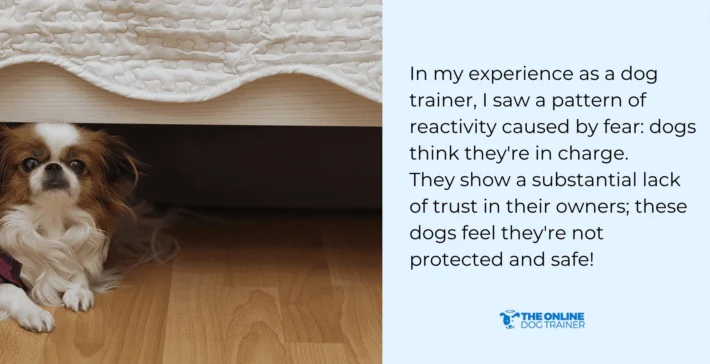
Credit: theonlinedogtrainer.com
Seek Professional Help
Training a dog to be less reactive can challenge many pet owners. Sometimes, professional help offers the best support. Experts understand dog behavior and can guide you through tough situations. They use techniques that keep your dog calm and safe. Seeking help does not mean failure. It shows you care about your dog’s well-being. Skilled trainers create tailored plans to improve your dog’s reactions effectively.
When To Consult A Trainer
Notice your dog reacts strongly to common triggers. Aggression, fear, or constant barking need attention. Training becomes harder if your dog hurts others or itself. Professional trainers help in cases of:
- Repeated lunging or biting at other dogs or people
- Extreme fear responses in public spaces
- Uncontrollable barking that disrupts daily life
- Stress signs like shaking or hiding frequently
Early consultation often prevents problems from worsening. Trainers spot subtle signs that owners may miss. They provide safe environments for your dog to learn calmness.
Choosing The Right Expert
Look for trainers with experience in reactive dogs. Ask about their training methods and success stories. Positive reinforcement techniques work best for lasting change. Avoid trainers who use harsh punishments or force.
Check certifications from recognized organizations. This ensures trainers follow ethical and effective practices. Meet the trainer first to see if you feel comfortable. They should explain the plan clearly and answer your questions.
Consider trainers who offer:
- One-on-one sessions tailored to your dog’s needs
- Group classes for socialization under supervision
- Follow-up support to track progress
Choosing the right expert makes training smoother and safer. Your dog learns new behaviors with kindness and patience.
Frequently Asked Questions
What Causes My Dog To Be Reactive?
Dogs become reactive due to fear, anxiety, or lack of socialization. Reactivity often stems from past trauma or insufficient training. Identifying triggers helps tailor effective training strategies. Understanding the cause is key to reducing reactivity and improving behavior consistently.
How Can I Start Training A Reactive Dog?
Begin with basic obedience commands and controlled exposure to triggers. Use positive reinforcement like treats and praise. Gradually increase distractions while maintaining calm. Consistency and patience are essential for successful training progress over time.
Can Training Reduce My Dog’s Reactivity Quickly?
Training takes time and patience; quick fixes rarely work. Consistent, gradual exposure and positive reinforcement yield the best results. Each dog responds differently, so progress may vary. Commitment to ongoing training is crucial for lasting behavior change.
Should I Use Professional Help For Reactive Dogs?
Professional trainers specialize in behavior modification and safety. They provide personalized guidance and techniques tailored to your dog’s needs. Seeking expert help ensures effective, humane training and faster progress. It’s highly recommended for severe reactivity issues.
Conclusion
Training your dog to be less reactive takes time and patience. Stay calm and consistent during each session. Reward good behavior with treats and praise. Avoid punishment, as it can cause fear or aggression. Practice in different places to build your dog’s confidence.
Remember, small steps lead to big progress. Celebrate every success, no matter how small. Your dog will learn to stay calm and focused. Keep training fun and positive for best results. You and your dog can enjoy peaceful walks again.
Trust the process and keep going strong.