
Your Labrador is growing fast, and you want to make sure you’re feeding them just right. But how do you know when it’s time to switch from puppy food to adult dog food?
Making the transition too early or too late can affect your Lab’s health and energy. You’ll discover the signs to look for, the best timing, and how to make the change smooth and stress-free. Keep reading to give your furry friend the nutrition they need at every stage.
Credit: www.petsmart.ca
Growth Stages Of Labradors
Labradors grow fast, and their food needs change at each stage. Understanding these stages helps you feed them right. Proper nutrition supports their strong bones, muscles, and energy levels. It also keeps their coat shiny and health strong.
Puppy Phase
This stage lasts from birth to about 6 months. Puppies need food rich in protein and fat for growth. Their bones and muscles develop rapidly. Feeding them puppy food supports their high energy and brain development. Small, frequent meals suit their tiny stomachs best.
Adolescence
Adolescence covers 6 to 12 months of age. Growth slows but remains steady. Labradors become more active and playful. Balanced nutrition helps maintain healthy weight and supports joint health. Transition food may start during this phase, combining puppy and adult formulas.
Adult Maturity
Adult maturity begins around 12 months for most Labradors. Their growth is complete, and energy stabilizes. Adult dog food meets their maintenance needs without extra calories. Proper feeding avoids obesity and keeps them fit. Regular checkups help adjust diet as they age.
Credit: us.eukanuba.com
Signs Your Lab Is Ready
Knowing when to switch your Labrador from puppy to adult dog food is important. This change supports healthy growth and energy levels. Watch for clear signs that your Lab is ready for this new diet phase. These signs fall into three key areas: physical development, behavior, and nutrition needs.
Physical Development
Your Lab’s body shows clear clues about readiness. Look for these signs:
- Full adult size or close to it
- Teeth fully grown and strong
- Muscle tone becoming firm and defined
- Less rapid growth spurts
Typically, Labs reach this stage between 12 to 18 months. Smaller Labs may mature faster, while larger ones may take longer.
Behavioral Changes
Behavior shifts also signal readiness for adult food. Notice these changes:
- Lower energy bursts compared to puppy days
- More stable and calm throughout the day
- Less chewing and mouthing on everything
- Increased focus during training and walks
These behaviors show your Lab is entering adulthood and needs balanced nutrition.
Nutritional Needs
Your Lab’s diet must match its growth stage. Signs of changing needs include:
- Reduced calorie needs to prevent weight gain
- Different protein levels for muscle maintenance
- Less fat needed as activity patterns change
- Essential vitamins and minerals for adult health
Adult dog food formulas meet these new requirements better than puppy food.
Risks Of Early Transition
Switching a Labrador to adult dog food too soon can cause digestive upset and nutrient imbalances. Puppies need specific nutrients for growth, so rushing the transition may affect their health. Careful timing ensures your dog gets the right nutrition at every stage.
Transitioning your Labrador Retriever to adult dog food too early can pose several risks. It’s a decision that should not be rushed. Understanding these risks is crucial to ensuring your pup grows into a healthy adult.Digestive Issues
Switching to adult dog food prematurely may upset your Lab’s digestive system. Puppies have sensitive stomachs that need time to adjust. A sudden change can lead to diarrhea or vomiting, making your pup uncomfortable. Your Lab might also experience a loss of appetite. This can result in them not getting enough nutrients. Gradual transition helps in avoiding such digestive disturbances.Nutrient Deficiencies
Puppy food is specifically formulated to meet the nutritional needs of a growing dog. Adult dog food lacks some of these essential nutrients. Transitioning too early can lead to deficiencies in proteins and fats necessary for growth. Consider the case of calcium. Puppies require more calcium for strong bone development. Early transition might deprive them of this, affecting their skeletal health.Growth Problems
Growth is a critical phase for Labs. Switching to adult food too soon can stunt their growth. They might not reach their full potential in size and strength. Proper nutrition is crucial for their muscle development and energy levels. Your Lab’s playful nature might diminish if they’re not growing properly. Before making the switch, ask yourself: is my Lab ready for this change? Always consult with your veterinarian to determine the best time for transitioning. Your Lab’s health and happiness depend on this crucial decision.Choosing The Right Adult Food
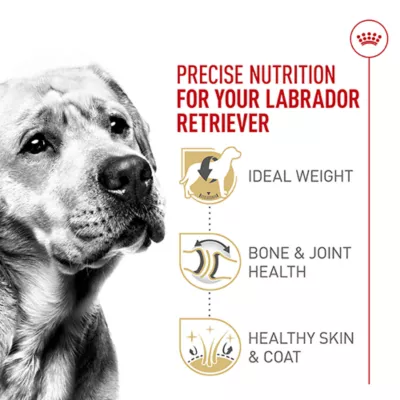
Choosing the right adult food for your Labrador is crucial for their health. Adult dog food supports their energy needs and maintains a healthy weight. It also helps keep their coat shiny and their joints strong. Selecting the best food means understanding what ingredients and portion sizes work best for your Lab’s lifestyle.
Key Ingredients
Look for foods rich in protein from real meat like chicken or beef. Healthy fats such as omega-3 and omega-6 support skin and coat health. Whole grains and vegetables provide essential vitamins and fiber. Avoid foods with fillers like corn or soy that offer little nutrition.
Portion Control
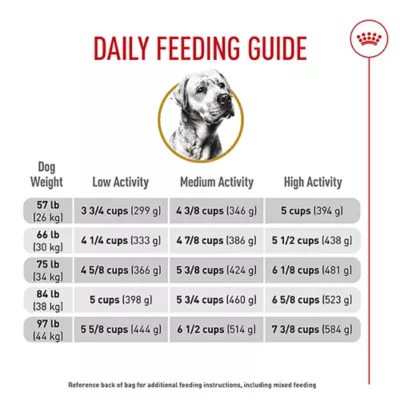
Adult Labs need balanced portions to avoid weight gain. Follow the feeding guide on the package based on your dog’s weight. Split meals into two servings daily to help digestion. Adjust portions if your Lab becomes more or less active.
Brand Recommendations
- Blue Buffalo Life Protection Formula
- Hill’s Science Diet Adult
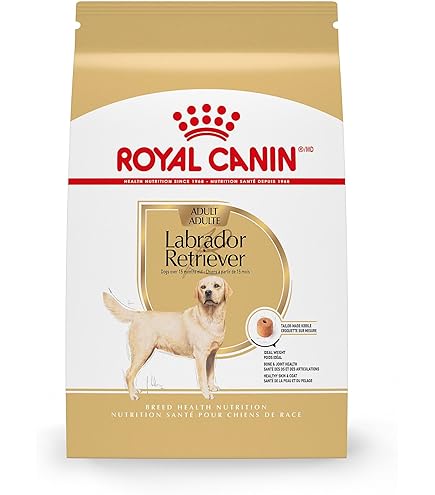
- Royal Canin Labrador Retriever Adult
- Wellness CORE Grain-Free
These brands offer formulas tailored to adult Labs’ needs. Choose one with quality ingredients and good reviews. Always consult your vet before switching foods.
Step-by-step Transition Process
Transitioning your Labrador from puppy food to adult dog food is a process that needs patience and attention. Rushing this change can upset your dog’s digestion or cause unnecessary stress. Taking it slow and watching your Lab’s responses can help make the switch smooth and comfortable for both of you.
Gradual Mixing
Start by mixing a small portion of adult dog food with your Lab’s current puppy food. A good rule is to begin with about 25% adult food and 75% puppy food. Over the next 7 to 10 days, slowly increase the adult food while decreasing the puppy food.
This slow change helps your dog’s stomach adjust. Imagine switching your own diet overnight—unlikely to go well, right? Keep the mix consistent and avoid sudden jumps in the ratio.
Monitoring Reactions
Watch your Lab closely during the transition. Check for signs like loose stools, vomiting, or changes in appetite. These could mean the new food isn’t agreeing with your dog yet.
Also, keep an eye on your Lab’s energy levels and mood. Are they still as playful and happy? If you notice any issues, slow down the transition or consult your vet. Your dog’s health should always come first.
Adjusting Portions
Adult dog food often has different calorie content than puppy food. This means you might need to adjust the amount you feed. Start by feeding the amount recommended on the adult food package based on your Lab’s weight.
But don’t be afraid to tweak portions depending on your dog’s activity and body condition. Are they gaining weight too fast or seem hungry all the time? Adjust the portions accordingly to keep your Lab healthy and fit.
Credit: www.amazon.ca
Special Considerations
Transitioning your Labrador from puppy food to adult dog food isn’t just about age. There are several special factors that can affect the timing and type of adult food that suits your Lab best. Paying attention to these details can help maintain your dog’s health and energy during this important change.
Health Conditions
Your Lab’s existing health conditions play a big role in deciding when and how to switch foods. Dogs with allergies, sensitive stomachs, or joint problems may need a more gradual change or specialized adult formulas. Ignoring these needs can lead to digestive issues or worsen existing conditions.
Have you noticed your Lab scratching more or having upset stomachs? It might be time to consult about a food that supports their specific health concerns.
Activity Levels
Labs with high energy need nutrient-rich adult food to keep up their stamina. On the other hand, less active or older Labs require fewer calories to avoid weight gain. Adjusting the food based on your dog’s daily activity helps maintain a healthy weight and overall well-being.
Think about your Lab’s daily routine—do they run and play for hours, or enjoy a more relaxed lifestyle? This insight should guide your food choice.
Veterinarian Advice
Your vet knows your Lab’s history and can offer personalized advice on the best time to switch foods. They can recommend formulas that support growth, joint health, or weight management. Ignoring professional guidance may delay the right transition or cause nutritional gaps.
Ask your vet specific questions like: “Is my Lab ready for adult food?” or “What nutrients should I look for in their new diet?” Their input can make the transition smoother and healthier.
Frequently Asked Questions
When Is The Right Age To Switch A Lab To Adult Food?
Labs usually transition to adult dog food between 12 and 18 months. This timing supports their growth and energy needs as puppies mature.
How To Tell If My Lab Is Ready For Adult Dog Food?
Look for slowed growth and less puppy energy. Your vet can help confirm if your Lab’s ready for adult food.
What Are The Benefits Of Switching Labs To Adult Dog Food?
Adult dog food supports mature metabolism, maintains healthy weight, and prevents nutrient imbalances common with puppy formulas.
Can Switching Too Early Harm My Lab’s Health?
Yes, switching too early can cause nutritional gaps. Labs need puppy nutrients for proper bone and muscle development.
Conclusion
Feeding your Lab the right food supports their health and growth. Watch for signs they need adult dog food, like weight changes or energy shifts. Gradually switch to avoid stomach problems. Choose food made for adult Labs to meet their needs.
Healthy eating means a happy, active dog. Keep an eye on their body and mood during the change. This helps your Lab stay strong and full of life. Take your time and enjoy the process. Your dog will thank you every day.