
Are you wondering if feeding your puppy adult dog food could cause diarrhea? It’s a common concern for many pet owners like you.
Puppies have sensitive stomachs, and what you feed them matters a lot for their health and comfort. You’ll discover why adult dog food might upset your puppy’s tummy and what you can do to keep your furry friend happy and healthy.
Keep reading to learn the simple steps that can protect your puppy from digestive troubles.
Puppy Digestion Basics
Puppy digestion works differently from adult dogs. Their stomachs are smaller and more sensitive. This makes their digestion process faster but less stable. Feeding a puppy the right food supports healthy growth and avoids tummy troubles like diarrhea.
Understanding how puppies digest food helps prevent common issues. It also guides proper feeding choices. Let’s explore key points about puppy digestion basics below.
How Puppy Stomachs Differ
Puppy stomachs are smaller in size than adult dogs. They hold less food, so puppies need frequent meals. Their digestive enzymes are not fully developed at birth. This makes digestion slower and more delicate.
Puppies have a shorter digestive tract. Food moves through their system quicker. This means less time for nutrients to absorb. Their stomach acid is also less strong, which can affect digestion of certain foods.
Nutritional Needs Of Puppies
Puppies need more protein and fat than adult dogs. These nutrients support rapid growth and energy levels. They also require higher amounts of vitamins and minerals like calcium and phosphorus for bone development.
- More calories per pound of body weight
- Essential fatty acids for brain and coat health
- Balanced nutrients to support immune function
Feeding a puppy adult dog food often lacks these specific nutrients. This can lead to digestive upset and diarrhea. Puppy food formulas are designed to meet these special needs safely.
Adult Dog Food Ingredients
Understanding the ingredients in adult dog food is key to figuring out why your puppy might have diarrhea after eating it. Adult formulas are designed for dogs with fully developed digestive systems, which are quite different from puppies’. The types and amounts of ingredients can affect your puppy’s sensitive stomach in unexpected ways.
Common Components In Adult Formulas
Adult dog foods usually contain higher protein and fat levels to meet the energy needs of grown dogs. You’ll often find ingredients like:
- Chicken, beef, or fish meal:These provide concentrated protein but can be heavier for a puppy’s digestive system.
- Grains such as rice, barley, or corn:These act as energy sources but vary in digestibility.
- Fiber from beet pulp or cellulose:It helps with digestion in adults but can upset a puppy’s gut if too much is present.
- Added vitamins and minerals:Tailored for adult maintenance, not rapid growth.
Many adult formulas also include preservatives and flavor enhancers to keep the food fresh and tasty over time. These additives, while safe for adults, might be too strong for puppies.
Potential Irritants For Puppies
Your puppy’s stomach is still developing, so some ingredients in adult food can cause irritation or diarrhea. High fat content, common in adult diets, is one culprit. It can overwhelm a puppy’s digestive enzymes, leading to loose stools.
Another irritant is certain protein sources that are harder for puppies to break down. For example, the concentrated meat meals in adult food might be too rich compared to the gentler proteins in puppy formulas.
Also, some adult foods contain artificial preservatives like BHA or BHT, which can upset sensitive stomachs. Has your puppy ever reacted badly to a new food? This might explain why.
Think about your puppy’s current diet—is it balanced for growth? Feeding adult food might seem convenient, but it often lacks the right nutrient ratios for a puppy’s digestive health. Your dog’s tummy is telling you something important—are you ready to listen?
Why Puppies Get Diarrhea
Puppies often face diarrhea due to several reasons tied to their growing bodies. Their little digestive systems are sensitive and still developing. Feeding them the wrong food or something hard to digest can upset their stomach. Understanding why puppies get diarrhea helps prevent feeding mistakes and keeps them healthy and happy.
Food Sensitivities And Allergies
Puppies can react badly to certain ingredients in food. Some proteins or additives cause sensitivity or allergies. Symptoms include diarrhea, vomiting, and itching. Their bodies may reject adult dog food formulas made for stronger digestion. Sensitive puppies need special diets to avoid stomach upset. Always watch for signs of food intolerance after feeding new food.
Digestive System Immaturity
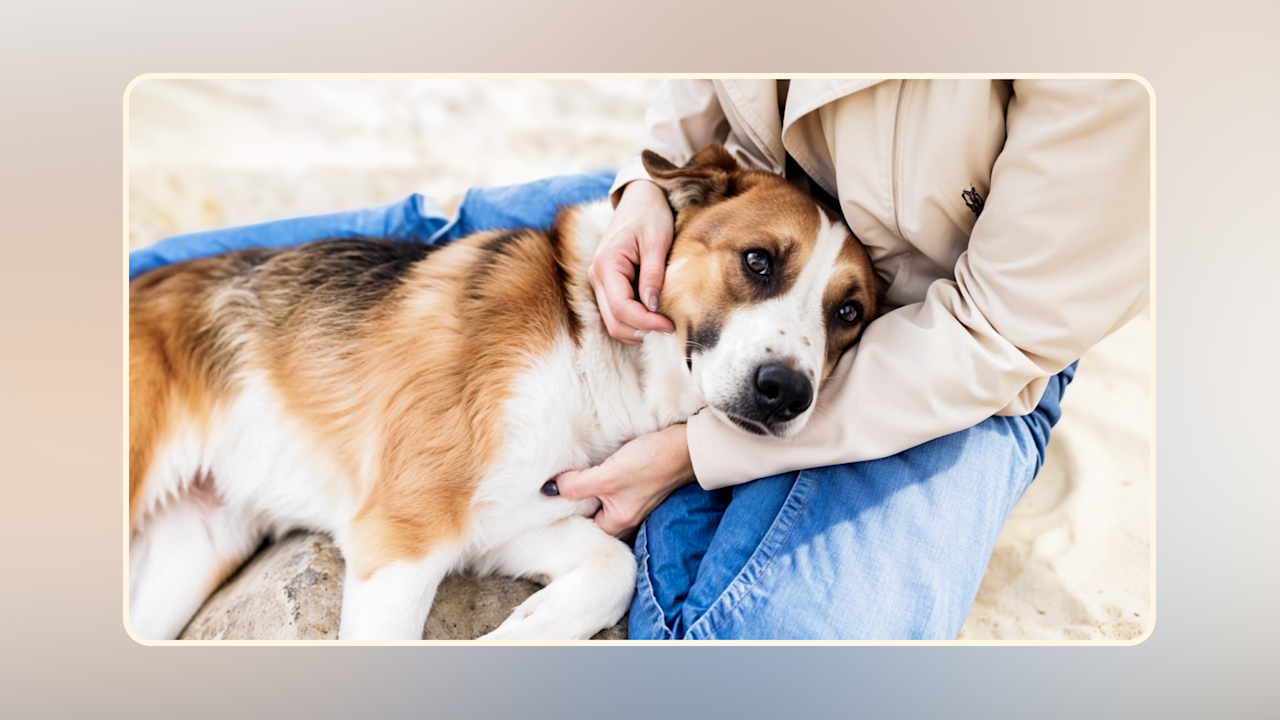
Puppies have immature digestive systems that cannot handle complex foods well. Their stomachs produce fewer enzymes to break down adult dog food. This lack causes poor digestion and loose stools. The gut lining is thin and easily irritated by rich or heavy meals. Feeding puppy-specific formulas supports gradual digestive development. Young pups require gentle, nutrient-rich diets for healthy growth.
Credit: wefeedraw.com
Risks Of Feeding Adult Food To Puppies
Feeding adult dog food to puppies might seem convenient, but it carries several risks that can impact your puppy’s health. Puppies have unique nutritional needs that differ significantly from adult dogs. Ignoring these needs can lead to problems that affect your puppy’s growth and well-being.
Nutritional Imbalance Effects
Adult dog food often lacks the higher levels of protein, fat, and essential nutrients that puppies require for healthy development. This imbalance can stunt growth and weaken your puppy’s immune system.
For example, calcium and phosphorus levels in adult food might not support strong bone development. Have you noticed changes in your puppy’s energy or coat quality after switching foods?
Ensuring your puppy gets the right nutrients is critical. Puppies need food formulated to support their fast growth and active lifestyle.
Digestive Disturbances
Puppy digestive systems are more sensitive than adults. Feeding adult dog food can cause digestive upset, including diarrhea and vomiting.
Adult food is typically richer and less digestible for puppies, which can lead to stomach discomfort. Your puppy’s loose stools might be a sign their tummy isn’t handling the adult food well.
Have you considered how often your puppy’s digestion changes after a meal? Monitoring their stool and behavior after feeding can help you spot issues early.
Signs Of Food-related Diarrhea
Food-related diarrhea in puppies can show up quickly after a diet change. Puppies have sensitive stomachs that react to new or adult dog food. Spotting the signs early helps prevent dehydration and other health problems. Knowing what to watch for keeps your puppy safe and comfortable.
Symptoms To Watch For
- Loose or watery stools that happen often
- Frequent bowel movements with little output
- Straining or discomfort during bathroom trips
- Loss of appetite or refusal to eat
- Lethargy or less energy than usual
- Vomiting or nausea alongside diarrhea
- Sudden weight loss or weakness
When To Seek Veterinary Help
- Diarrhea lasts more than 24 hours
- Signs of dehydration such as dry gums
- Blood or mucus in the stool
- Severe vomiting or inability to keep water down
- High fever or shaking
- Puppy becomes very weak or unresponsive
- Diarrhea occurs in very young puppies under 8 weeks
Credit: www.petscare.com
Safe Feeding Practices For Puppies
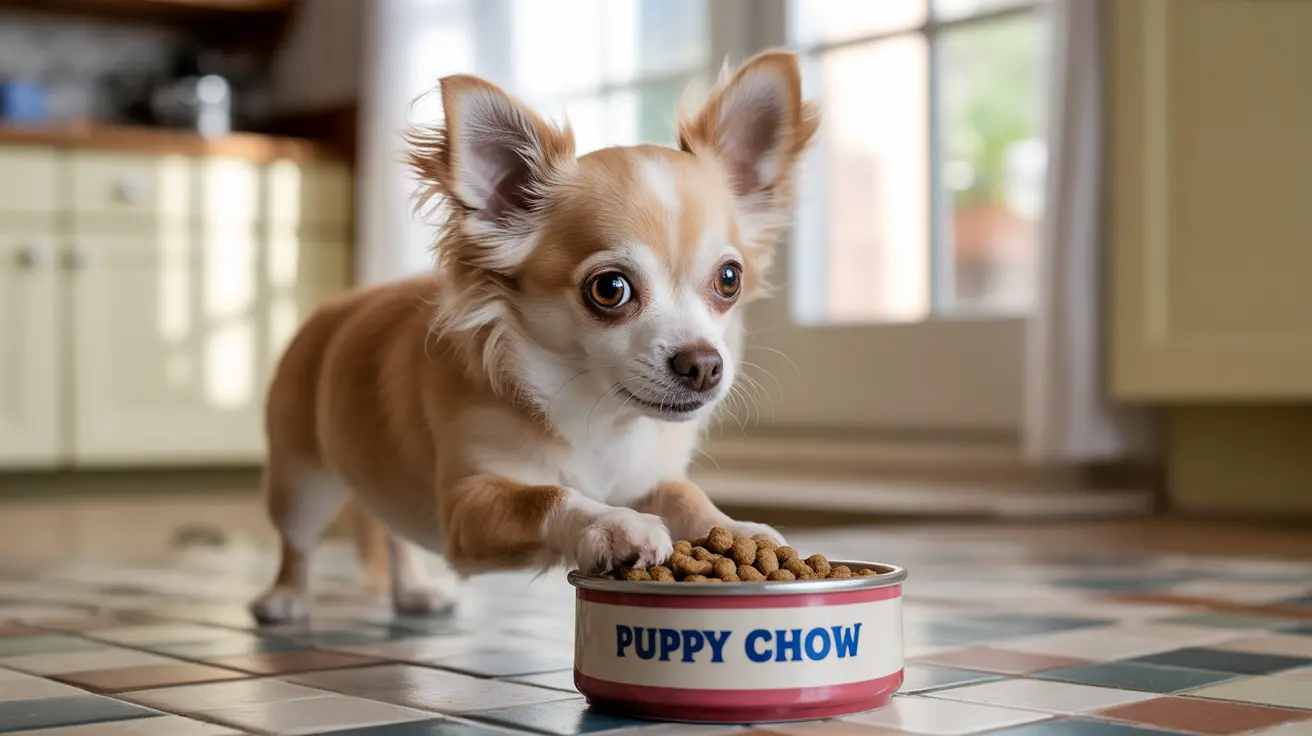
Feeding adult dog food to puppies can cause diarrhea due to different nutrient needs. Puppies require special food to support growth and digestion. Always choose puppy-specific food to keep their stomachs healthy and avoid digestive problems.
Feeding your puppy the right food is crucial for their growth and health. Puppies have different nutritional needs compared to adult dogs, and feeding them adult dog food can sometimes lead to digestive issues like diarrhea. Ensuring you follow safe feeding practices can help keep your puppy healthy and happy.Choosing The Right Puppy Food
Selecting the right food for your puppy involves more than picking up a bag labeled for puppies. Look for food that lists meat as its first ingredient, providing high-quality protein crucial for development. Check for essential nutrients like DHA for brain health and calcium for strong bones. Always read labels and consult with your veterinarian to ensure your chosen food meets your puppy’s needs. Remember, not all puppy foods are created equal. Your little one deserves the best start, so don’t rush this decision.Transitioning Between Foods
Switching from one food to another should be a gradual process. Sudden changes can upset a puppy’s delicate stomach, leading to diarrhea and discomfort. Begin by mixing a small amount of the new food with the current one, gradually increasing the new food over a week. This slow transition helps your puppy’s digestive system adjust without stress. Consider how you would feel if your favorite meal suddenly changed overnight. Puppies appreciate consistency too, and easing them into a new diet shows you care. Have you ever noticed changes in your puppy’s stool after feeding them something new? It’s your clue to assess and adjust their diet.Alternatives To Adult Dog Food
Choosing the right food for your puppy is crucial to avoid digestive troubles like diarrhea. Adult dog food often lacks the specific nutrients and digestibility that growing puppies need. Luckily, there are several alternatives designed to support your puppy’s health and development without causing tummy issues.
Specialized Puppy Diets
Puppy formulas are crafted to meet the unique nutritional demands of growing dogs. These diets are rich in protein, fats, and essential vitamins to support energy, bone growth, and brain development.
Brands like Royal Canin, Hill’s Science Diet, and Blue Buffalo offer puppy-specific options with balanced ingredients. Their nutrient profiles are easier for puppies to digest, reducing the risk of diarrhea.
Have you noticed how your puppy’s stool improves after switching to a puppy diet? That’s because these foods are made with ingredients that help maintain gut health.
Homemade And Supplement Options
If you prefer a more hands-on approach, homemade meals can be a good alternative. Simple recipes using boiled chicken, rice, and vegetables can soothe sensitive stomachs.
Adding supplements like probiotics or omega-3 fatty acids boosts digestion and immunity. Always consult your vet before making changes to ensure the meals cover all essential nutrients.
Careful planning is key here—imbalanced homemade diets might lead to other health problems. But with the right guidance, you can create meals that keep your puppy healthy and happy without triggering diarrhea.
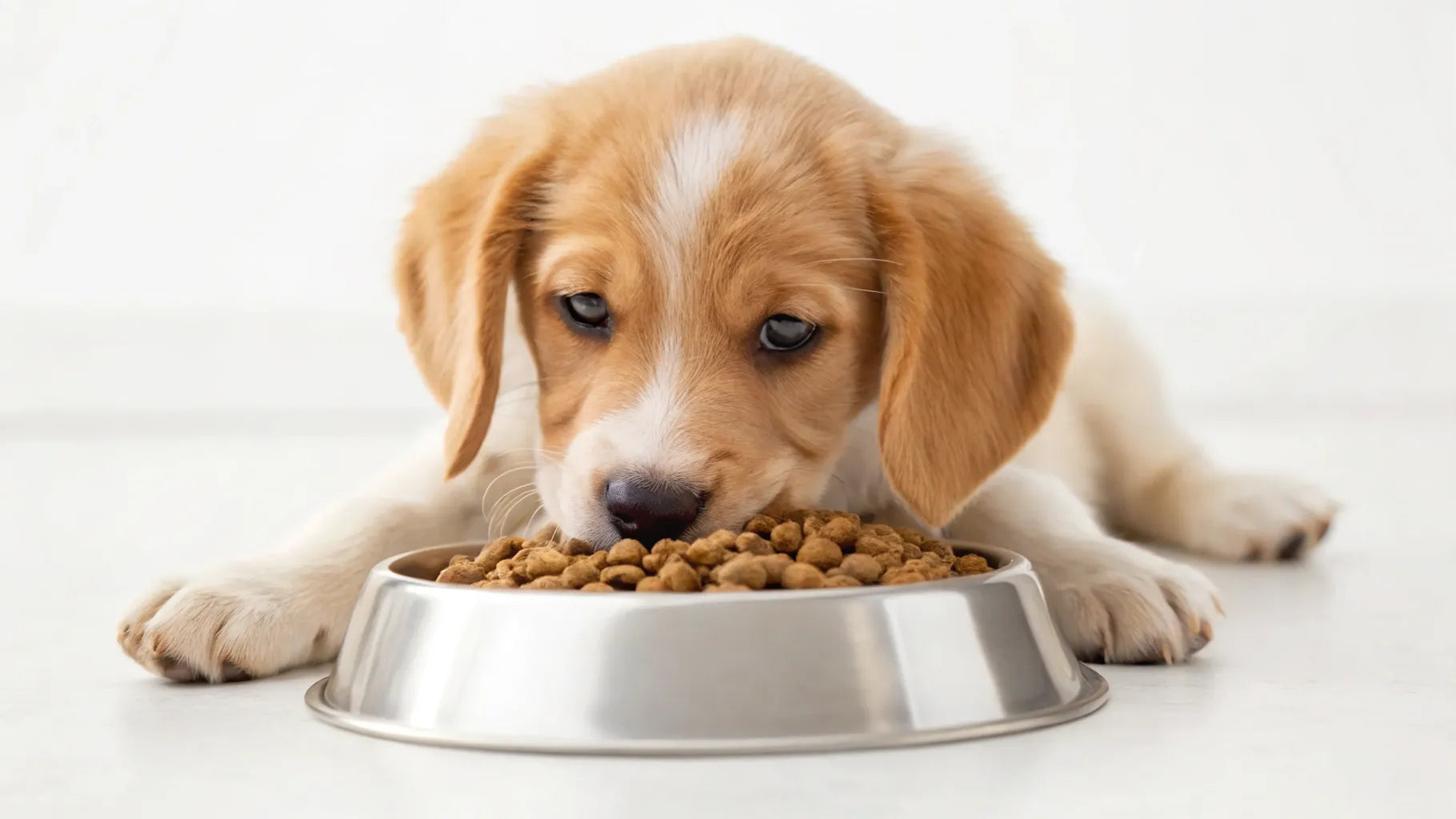
Credit: www.houndsy.com
Frequently Asked Questions
Can Adult Dog Food Cause Diarrhea In Puppies?
Yes, adult dog food can cause diarrhea in puppies. It lacks the right nutrients and fat levels puppies need, upsetting their sensitive stomachs.
Why Is Puppy Food Better Than Adult Dog Food?
Puppy food is specially formulated with higher protein and fat. It supports growth, development, and digestive health, unlike adult dog food.
How To Transition A Puppy To Adult Dog Food?
Transition gradually over 7-10 days by mixing increasing adult food with puppy food. This prevents digestive upset and diarrhea.
What Ingredients In Adult Dog Food Upset Puppies?
Adult dog food may have less digestible proteins and fibers. These can irritate a puppy’s immature digestive system, leading to diarrhea.
Conclusion
Feeding a puppy adult dog food can cause diarrhea. Puppies need food made for their growing bodies. Adult dog food may lack important nutrients for puppies. Sudden changes in diet can upset their stomach. Always choose food designed for puppies to keep them healthy.
Watch your puppy closely for any signs of stomach trouble. Consult your vet for the best feeding advice. Healthy food helps puppies grow strong and happy. Keep their diet consistent and suitable for their age. This simple care makes a big difference in their health.