
Changing your puppy’s food to adult dog food is an important step in their growth. But how do you know when it’s the right time?
And how can you make the switch smooth without upsetting your dog’s tummy? If you want to keep your furry friend healthy and happy during this change, you’re in the right place. Keep reading to discover simple, clear tips that will help you make the transition easy and stress-free—for both you and your dog.
Credit: zigly.com
When To Switch
Knowing when to switch your puppy from puppy food to adult dog food is crucial for their health and growth. The transition shouldn’t be rushed or delayed, as the right timing supports their development and energy needs. Pay close attention to your puppy’s behavior and physical changes—they often give clear signals that the switch is near.
Signs Your Puppy Is Ready
Your puppy may start showing signs that it’s time to change their diet. Look for these key indicators:
- Steady Growth:When your puppy’s rapid growth slows down, it means their nutritional needs are shifting.
- Increased Energy:If your puppy seems more active and playful, they might need food that supports sustained energy rather than rapid growth.
- Teething Completion:Once their adult teeth have mostly come in, they are often ready to handle adult food textures.
- Weight Stabilization:If their weight gain has plateaued, it suggests their metabolism is adjusting to adult maintenance levels.
Ask yourself: Have you noticed these changes in your puppy’s behavior or appearance? These signs help you make a smarter decision.
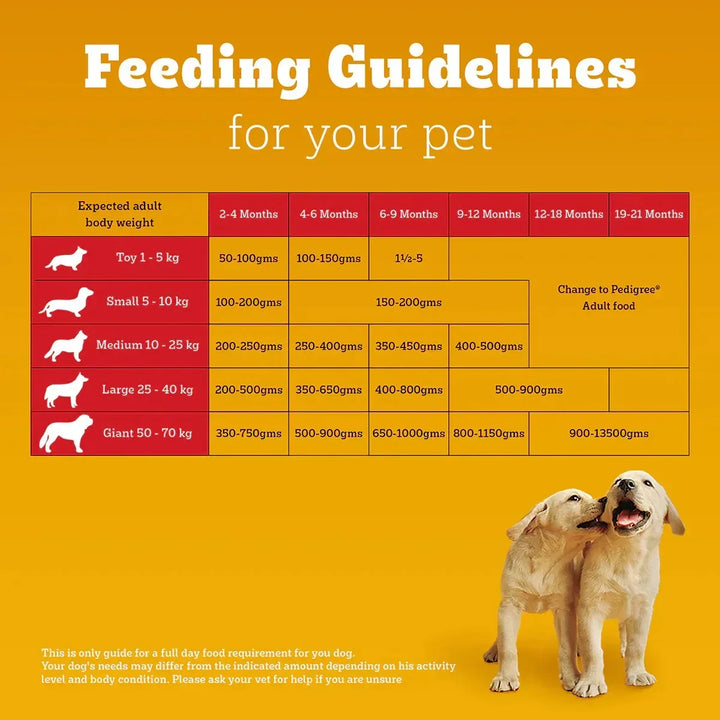
Age Guidelines By Breed Size
Different breeds mature at different rates, so age is a useful benchmark when deciding to switch foods.
| Breed Size | Typical Age to Switch | Reason |
|---|---|---|
| Small Breeds (under 20 lbs) | 9 to 12 months | They mature faster and reach adulthood sooner. |
| Medium Breeds (20-50 lbs) | 12 months | Growth slows around one year, preparing for adult diet. |
| Large Breeds (50-100 lbs) | 12 to 18 months | Longer growth period requires extended puppy nutrition. |
| Giant Breeds (over 100 lbs) | 18 to 24 months | Slowest to mature, need puppy food longer to support bone health. |
Consider your dog’s breed size alongside their growth signs. Have you checked your puppy’s expected adult size? This can help you avoid switching too early or too late.
Credit: wefeedraw.com
Choosing The Right Adult Food
Choosing the right adult food for your dog is a key step in ensuring their health and happiness as they grow. You want food that matches their changing needs without upsetting their digestion or energy levels. Taking the time to understand what adult dog food should offer helps you make a choice that supports your dog’s lifestyle and well-being.
Nutritional Needs Of Adult Dogs
Adult dogs need a balanced diet that supports maintenance rather than growth. Their protein intake should be adequate but not excessive, focusing on quality sources like chicken, beef, or fish. Too much protein can strain their kidneys, while too little can cause muscle loss.
Fat content should provide enough energy but avoid overload, especially for less active dogs. Essential fatty acids like omega-3 support coat and skin health, so check for ingredients like fish oil or flaxseed. Carbohydrates help fuel your dog but should come from digestible sources like rice or sweet potatoes.
Fiber is important for digestion and maintaining a healthy weight. Vitamins and minerals must be balanced to support immune function and overall vitality. Does your dog’s current food meet these adult-specific nutritional needs?
Comparing Ingredients And Formulas
Look closely at the ingredient list rather than just the marketing on the bag. Ingredients are listed by weight, so the first few ingredients matter most. Choose foods where a named meat source is at the top instead of vague terms like “meat meal” or “animal by-products.”
Compare formulas based on your dog’s size, breed, and activity level. Large breeds may benefit from formulas with joint-support nutrients like glucosamine and chondroitin. Active dogs might need higher calories and protein, while less active or senior dogs may require fewer calories to avoid weight gain.
- Check for fillers like corn and wheat, which offer little nutrition and can cause allergies.
- Look for added probiotics to support gut health during the transition.
- Consider grain-free options if your dog shows sensitivities, but consult your vet first.
Have you noticed how your dog responds to different food textures and flavors? Sometimes the best food isn’t just about nutrition but also what your dog enjoys eating every day.
Transitioning Gradually
Switching your dog’s food slowly helps avoid stomach upset. Mix a small amount of adult food with puppy food, increasing it daily over two weeks. This gentle change lets your dog adjust comfortably to new nutrition.
Transitioning Gradually from puppy to adult dog food is a process that requires careful planning and attention to your dog’s needs. Sudden changes in diet can upset your dog’s stomach or lead to nutrient imbalances. It’s essential to make this transition smooth and stress-free, ensuring your furry friend continues to enjoy mealtimes. You might wonder, how do you effectively manage this change without causing any discomfort to your beloved pet?Step-by-step Food Mixing
Begin by mixing a small portion of the new adult dog food with your dog’s current puppy food. A common starting ratio is 75% puppy food to 25% adult food. Gradually increase the amount of adult food while decreasing the puppy food over a period of 7-10 days.- Days 1-3: 75% puppy food, 25% adult food
- Days 4-6: 50% puppy food, 50% adult food
- Days 7-9: 25% puppy food, 75% adult food
- Day 10: 100% adult food
Monitoring Your Dog’s Reaction
Throughout the transition, closely monitor your dog’s reaction to the new food. Watch for signs of digestive upset, such as vomiting, diarrhea, or decreased appetite. If you notice any of these symptoms, slow down the transition and consult your veterinarian if needed. Pay attention to your dog’s energy levels and coat condition as well. A shiny coat and playful energy often indicate that the new food suits them well. Remember, each dog is unique, and what works for one may not work for another. Are you ready to embark on this transition journey with your pup, ensuring they grow into a healthy, happy adult dog?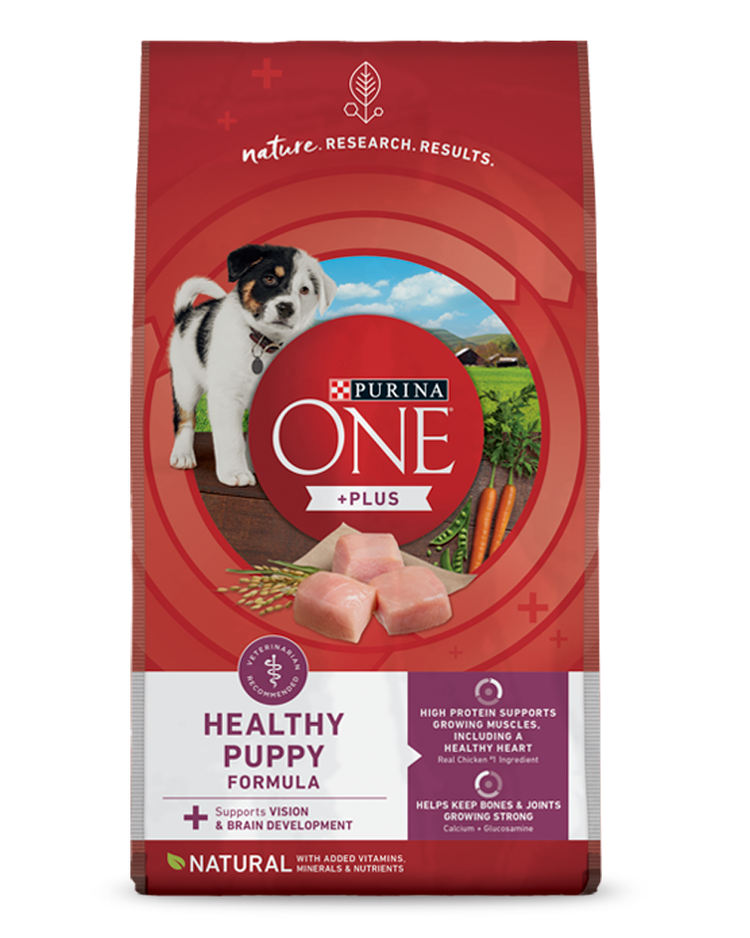
Credit: www.purina.com
Common Challenges
Switching your puppy to adult dog food can bring some challenges. Your dog’s tastes and digestion may change. Being ready for these common issues helps you make the switch easier and smoother.
Dealing With Picky Eaters
Some dogs refuse to eat new food right away. They may want only their puppy food. Try mixing a small amount of adult food with the puppy food. Gradually increase the adult food over several days.
Offer meals at regular times and remove uneaten food after 20 minutes. Avoid giving treats between meals. This helps your dog feel hungry and more likely to eat the new food.
Different textures and flavors can help. You might warm the food slightly to bring out smells. This can make adult food more appealing to picky eaters.
Managing Digestive Upsets
Changing food too quickly can upset your dog’s stomach. Watch for diarrhea, vomiting, or gas. These signs mean you need to slow the transition.
Mix the new adult food with the old puppy food in small amounts. Increase the new food slowly over 7 to 10 days. This helps the digestive system adjust without stress.
Keep fresh water available at all times. A healthy gut needs plenty of water. If digestive problems continue, consult your vet for advice.
Adjusting Portion Sizes
Adjusting portion sizes is a key part of switching from puppy to adult dog food. Puppies need more calories for growth. Adult dogs need fewer calories to maintain health. Feeding the right amount keeps your dog fit and happy. Pay attention to your dog’s weight and energy levels. Portion control helps avoid weight gain and health issues.
Calorie Needs For Adults
Adult dogs require fewer calories than puppies. Growth slows down, so energy needs drop. The amount depends on breed, size, and activity. Large breeds may need more food than small breeds. Active dogs burn more calories than less active ones.
- Check the food label for calorie information.
- Use a measuring cup to portion meals precisely.
- Feed your dog 2 to 3 meals per day.
Adjust portions based on your dog’s weight and activity. Regularly weigh your dog to track changes. Consult your vet for personalized advice.
Avoiding Overfeeding
Overfeeding leads to obesity and health problems. It can cause joint pain, diabetes, and heart issues. Avoid free-feeding or leaving food out all day. Stick to scheduled meal times and measured portions.
- Watch for begging or begging behavior.
- Use treats sparingly and count them in daily calories.
- Stop feeding extra table scraps.
Observe your dog’s body condition regularly. Adjust food if your dog gains or loses weight. Proper portion control keeps your dog healthy and energetic.
Consulting Your Vet
Changing your puppy’s food to adult dog food is a key step in their growth. Consulting your vet ensures the switch supports your dog’s health. Vets offer advice based on your dog’s breed, size, and health needs. This helps avoid digestive issues and nutritional gaps during the transition.
Personalized Feeding Plans
Your vet can create a feeding plan just for your dog. They consider age, weight, and activity level. This plan includes the right food type and portion size. It helps your dog get the nutrients they need at each stage. Personalized plans can also address allergies or health problems.
When To Seek Professional Advice
Ask your vet before switching foods if your dog has health concerns. Watch for signs like vomiting, diarrhea, or loss of appetite during the change. These symptoms may need a vet’s evaluation. Early advice prevents serious problems and keeps your dog comfortable. Regular check-ups ensure your dog’s diet stays balanced as they grow.
Frequently Asked Questions
When Is The Right Time To Switch From Puppy To Adult Dog Food?
Most dogs transition to adult food between 9 and 12 months old. Large breeds may switch closer to 12-18 months. Consult your vet to determine the best timing based on your dog’s breed, size, and health.
How To Gradually Change Puppy Food To Adult Food?
Mix increasing amounts of adult food with decreasing puppy food over 7-10 days. This gradual change helps avoid digestive upset. Monitor your dog’s reaction and adjust the transition speed as needed.
What Are The Differences Between Puppy And Adult Dog Food?
Puppy food has higher protein, fat, and calories for growth. Adult food contains balanced nutrients for maintenance. Switching ensures your dog gets appropriate nutrition for their life stage and avoids excess weight gain.
Can I Feed Adult Dog Food To My Puppy?
No, adult dog food lacks the extra nutrients puppies need. Feeding adult food to puppies can hinder growth and development. Always use puppy formula until your dog reaches the recommended age for switching.
Conclusion
Switching your puppy to adult dog food takes time and care. Start slowly by mixing small amounts of adult food with puppy food. Watch your dog’s reaction to the new diet every day. Healthy eating helps your dog grow strong and stay active.
Always choose food that fits your dog’s size and needs. Remember, patience and consistency make this change easier for both of you. Your dog will thank you with good health and happy days. Keep learning about their nutrition for the best care.