
You love your dog, but dealing with indoor accidents can be frustrating. If your furry friend keeps pooping in the house, you’re not alone—and there is a solution.
Imagine coming home to a clean, fresh-smelling space where your dog knows exactly where to go. You’ll discover simple, effective steps that anyone can follow to train their dog not to poop inside. By the end, you’ll feel confident and ready to enjoy a happier, cleaner home with your pet.
Keep reading—you’re just a few easy changes away from success.
Recognize Signs Your Dog Needs To Go
Recognizing when your dog needs to go outside is a crucial skill in house training. Paying attention to their behavior helps prevent accidents and builds a stronger bond between you and your pet. You’ll notice subtle clues that signal your dog is about to poop.
Common Pre-poop Behaviors
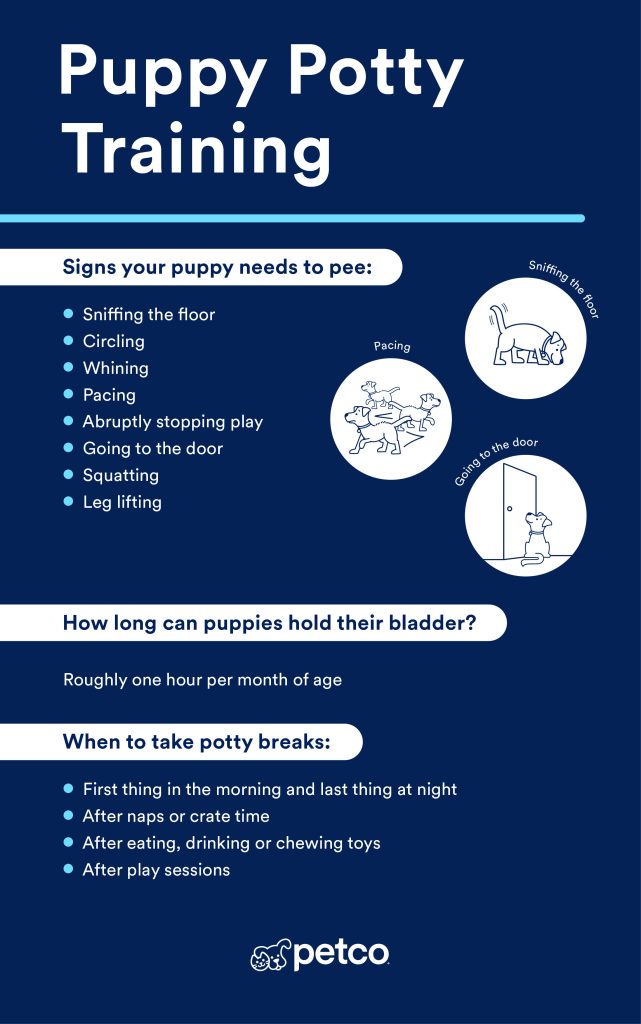
Dogs often show clear signs before they need to poop. Watch for sniffing around the floor or pacing back and forth. Some dogs circle or suddenly become restless in one spot.
My dog would always head to the door and scratch lightly before going outside. That little habit made it easier to know when to take him out. Have you spotted any unique signs your dog shows before needing to go?
- Sniffing the ground intensely
- Pacing or wandering aimlessly
- Circling or squatting movements
- Whining or scratching at the door
Timing And Frequency Patterns
Dogs tend to poop at certain times based on their feeding and activity schedule. Most dogs need to go within 15-30 minutes after eating. Early morning, after naps, and before bedtime are common times too.
Keeping a log of your dog’s bathroom habits can reveal patterns quickly. Once you know their timing, you can schedule regular potty breaks. Have you tried tracking your dog’s routine to catch these windows?
| Time of Day | Common Poop Times |
|---|---|
| Morning | Within 15 minutes of waking up |
| After Meals | 15-30 minutes after eating |
| Evening | Before bedtime |

Credit: www.amazon.com
Create A Consistent Bathroom Schedule
Creating a consistent bathroom schedule helps your dog learn where to go. Dogs thrive on routine and predictability. A regular schedule reduces accidents inside the house. It also strengthens your dog’s bathroom habits. Consistency in timing makes training easier and faster.
Set Regular Potty Times
Choose specific times for bathroom breaks every day. Common times include:
- First thing in the morning
- After meals
- Before bedtime
- Every few hours during the day
Stick to these times strictly. Take your dog outside at these set times only. This trains your dog to expect bathroom breaks. It reduces the chance of accidents indoors.
Adjusting Schedule For Puppies And Adults
Puppies need more frequent bathroom breaks than adult dogs. Their bladders are smaller and weaker. Take puppies outside every 1-2 hours during the day. Watch for signs like sniffing or circling.
Adult dogs usually need breaks 3-5 times daily. Adjust the schedule based on your dog’s age and size. Keep a log to track your dog’s bathroom habits. This helps find the best timing for your dog.
Designate An Outdoor Bathroom Spot
Choose a specific outdoor spot for your dog to use as a bathroom. Consistently take your dog there to build a strong habit. This helps your dog understand where to go and keeps your house clean.
Designating an outdoor bathroom spot for your dog is an essential step in house training. It not only gives your pet a clear understanding of where to do their business but also keeps your yard clean and organized. With the right approach, you can make this a smooth and successful process.Choosing The Right Location
Select a spot that is convenient for both you and your dog. It should be easily accessible and away from high-traffic areas like patios or play zones. Look for a spot with some natural elements like grass or soil, as dogs often prefer these over concrete. Consider the weather conditions as well. A sheltered area can be beneficial during rainy days or extreme heat. Ensure the spot isn’t too far from the house to avoid any accidents during the journey.Using Scent Cues To Encourage Use
Dogs are guided by their noses, and scent can be a powerful tool in training. You can use your dog’s own scent to mark the spot. After your dog uses the area, leave a small piece of their feces there for a few days to reinforce the location as their bathroom spot. Another method is using commercial scent markers designed for this purpose. These products are safe and can help signal to your dog that this is the right place to go. Make sure to praise your dog each time they use the designated spot. Positive reinforcement is key in helping them learn and associate the area with going to the bathroom. Have you ever wondered why your dog seems to pick the most inconvenient spots in the yard? With these tips, you can guide them to a more favorable location.
Credit: www.amazon.com
Use Positive Reinforcement Techniques
Using positive reinforcement techniques is one of the most effective ways to teach your dog not to poop in the house. It builds trust between you and your pet while encouraging good behavior. Instead of focusing on mistakes, you highlight and reward the moments when your dog does the right thing.
Rewarding Successful Outdoor Bathroom Trips
Every time your dog goes potty outside, make it a big deal. Praise them enthusiastically with words like “Good job!” or “Well done!” right after they finish. This helps your dog connect the action with positive feedback.
Offering a tasty treat immediately after they go outside works wonders. The timing is crucial—give the reward within seconds so your dog understands what behavior you want to see again. Over time, your dog will begin to prefer going outside to get those rewards.
You can also use a favorite toy or extra playtime as a reward. Think about what motivates your dog the most and use that consistently. Have you noticed your dog’s excitement when they know it’s time for a treat or a game?
Avoiding Punishment For Accidents
It’s tempting to scold your dog when you find a mess inside, but punishment often backfires. Dogs don’t link the punishment to the accident if it happens minutes later, which can cause confusion and fear. Instead, stay calm and clean up without making a fuss.
Redirect your dog’s behavior by taking them outside more often. If you catch them in the act, gently interrupt and immediately guide them outdoors to finish. This teaches them where the right place to go is without fear.
Remember, accidents are part of the learning process. How you react shapes your dog’s attitude toward bathroom training. Would you want to learn something new under pressure or encouragement?
Manage Indoor Environment To Prevent Accidents
Managing your indoor environment plays a crucial role in training your dog not to poop in the house. It’s about setting clear boundaries and creating a space that encourages good habits. Small changes around your home can significantly reduce accidents and make training smoother for both you and your dog.
Limiting Access To Indoor Areas
Restricting your dog’s access to certain parts of your home helps control where they feel comfortable going to the bathroom. Use baby gates or closed doors to block off rooms where accidents are more likely to happen.
This also makes it easier for you to supervise your dog and catch signs that they need to go outside. Think about the areas where your dog spends most time and start by limiting their range, gradually giving more freedom as they improve.
Have you noticed that your dog tends to poop in specific rooms? Focusing on those areas first can speed up the training process.
Cleaning Up Accidents Properly
How you clean up after an accident affects whether your dog will repeat it in the same spot. Use enzymatic cleaners designed for pet messes. These break down the odor-causing molecules and discourage your dog from returning.
Avoid ammonia-based cleaners since their smell can mimic urine and confuse your dog. Always clean accidents as soon as possible to prevent lingering scents that invite repeat behavior.
Have you ever cleaned a spot thoroughly but still found your dog going there again? It’s often about the type of cleaner used rather than the effort put in.

Credit: www.amazon.com
Introduce Crate Training
Introducing crate training is a powerful way to help your dog learn where to do their business. Dogs naturally avoid soiling their sleeping area, so a crate becomes a helpful tool in housebreaking. It creates a safe space for your dog while teaching them bladder and bowel control.
Benefits Of Crate Training
Crate training offers several advantages beyond preventing indoor accidents. It helps your dog feel secure, which reduces anxiety and destructive behavior.
- Promotes bladder control:Dogs hold their urine in a confined space, making it easier to schedule bathroom breaks.
- Prevents accidents:Limits your dog’s access to the whole house, reducing the chance of unwanted messes.
- Supports independence:Your dog learns to be comfortable alone, which is essential when you’re not home.
- Assists in travel and vet visits:A crate-trained dog feels calmer in new environments.
How To Start Crate Training Effectively
Begin by choosing the right size crate. It should be just big enough for your dog to stand, turn around, and lie down comfortably.
Make the crate inviting by adding a soft blanket or a favorite toy. Leave the door open at first and let your dog explore it on their own terms.
Feed your dog meals inside the crate to build positive associations. Gradually increase the time they spend inside with the door closed, but never leave them alone for too long initially.
- Use treats and praise to encourage your dog to enter the crate.
- Take your dog outside immediately after crate time to reinforce bathroom habits.
- Watch for signs your dog needs a break, such as whining or scratching.
Have you noticed how your dog’s behavior changes when given a cozy den-like space? It’s fascinating how this simple tool can shape their habits and comfort. Try introducing crate training, and watch your efforts to keep your home clean become a lot easier.
Be Patient And Consistent
Training a dog not to poop inside requires patience and consistency. Dogs learn best when routines stay the same. Changing rules or reacting too fast can confuse your dog. Stay calm and keep a steady approach. This helps your dog understand what is expected.
Expect some mistakes along the way. These moments are part of learning. How you handle setbacks shapes your dog’s progress. Keep your focus on small wins. Celebrate each success to build good habits.
Handling Setbacks
Setbacks happen during house training. Your dog may have accidents despite your efforts. Avoid punishment or harsh words. This can scare your dog and slow learning.
- Clean accidents thoroughly to remove smells.
- Watch for signs your dog needs to go.
- Take your dog outside often and on a schedule.
- Give praise and treats for going outside.
Stay positive and calm. Each accident is a chance to teach, not punish.
Tracking Progress Over Time
Keep a simple record of your dog’s bathroom habits. Note when accidents happen and when your dog goes outside. This helps find patterns and improve training steps.
| Day | Accidents | Successful Outdoor Trips | Notes |
|---|---|---|---|
| Monday | 1 | 3 | Good response to outdoor praise |
| Tuesday | 0 | 4 | More frequent outdoor trips helped |
Tracking progress shows improvement over weeks. It guides adjustments in training. Stay patient and consistent to see great results.
Frequently Asked Questions
How Long Does House Training A Dog Usually Take?
House training typically takes 4 to 6 weeks with consistent effort. Each dog learns at its own pace. Patience and routine are key to success.
What Are The Best Ways To Stop Indoor Pooping?
Use positive reinforcement, regular potty breaks, and crate training. Clean accidents promptly with enzyme cleaners. Consistency and supervision prevent indoor accidents effectively.
Can Diet Affect My Dog’s Bathroom Habits?
Yes, diet impacts digestion and bowel movements. Feed high-quality food and maintain a regular feeding schedule. Proper nutrition supports regular potty habits.
How Often Should I Take My Dog Outside To Poop?
Take your dog out every 2 to 3 hours initially. Puppies may need more frequent trips. Regular outdoor breaks establish good bathroom habits.
Conclusion
Training your dog not to poop inside takes time and patience. Consistency helps your dog learn faster. Use positive rewards to encourage good behavior. Clean accidents quickly to avoid repeat spots. Watch your dog’s signals to act on time. Keep a regular schedule for meals and potty breaks.
Remember, every dog learns at their own pace. Stay calm and kind throughout the training process. Soon, your home will stay clean and fresh. Enjoy the bond you build while teaching your dog.