
Are you wondering when your playful puppy becomes an adult dog? Knowing the right time to switch your furry friend’s food is important for their health and happiness.
Feeding your dog the right diet at the right age helps them grow strong and stay energetic. You’ll discover clear signs that show when your dog is ready to move on from puppy food to adult meals. Keep reading to make sure you give your dog the best care at every stage of their life.

Credit: www.animates.co.nz
Dog Growth Stages
Understanding your dog’s growth stages helps you provide the right care at the right time. Dogs don’t suddenly become adults overnight. Their journey from a tiny puppy to a mature dog happens in clear phases, each with unique needs and behaviors.
Puppy Phase
This phase lasts from birth until about 6 months old. Your puppy grows rapidly, learning basic skills like socializing and potty training. Nutrition during this stage should support quick growth—high-quality puppy food rich in protein and fat is essential.
Have you noticed how your puppy’s energy levels seem endless during this time? That’s because their body is building muscle and bone quickly. Feeding them like an adult dog too soon can slow down this important development.
Adolescence In Dogs
From around 6 months to 18 months, dogs enter adolescence. It’s a confusing time for both you and your dog, as they test boundaries and mature emotionally. Their growth rate slows down, but they still need nutrient-rich food to support brain and body changes.
During adolescence, your dog might act stubborn or more independent. This stage requires patience and consistent training. Adjusting their diet gradually from puppy to adult food can help avoid digestive issues.
Signs Of Maturity
Determining when your dog is truly an adult depends on breed and size. Smaller breeds often mature by 9 to 12 months, while larger breeds take 18 months or more. Look for signs like stopped growing in height, a calmer demeanor, and a stable weight.
Ask yourself: Has your dog’s appetite stabilized? Are they less hyper and more predictable in behavior? These clues tell you it’s time to switch to adult food and adjust their exercise accordingly.

Credit: petheavenblogs.com
Age Milestones For Adulthood
Understanding when your dog reaches adulthood is key to providing the right food and care. Age milestones vary widely depending on your dog’s breed size. Recognizing these milestones helps you decide when to transition from puppy food to adult formulas for optimal health.
Small Breeds Timeline
Small breed dogs, like Chihuahuas or Dachshunds, mature faster than larger breeds. They often reach adulthood around 9 to 12 months. At this point, their growth slows, and their nutritional needs shift.
You might notice your small dog’s energy stabilizing and their body filling out. Switching to adult food around their first birthday supports healthy metabolism and maintains their ideal weight.
Medium Breeds Timeline
Medium breeds, such as Bulldogs or Cocker Spaniels, usually become adults between 12 and 15 months. Their growth phase lasts longer than small breeds but shorter than large breeds. This period is crucial for bone and muscle development.
If your medium dog still seems lean or overly active after a year, check with your vet before changing their diet. Proper timing ensures they get enough nutrients without excess calories.
Large Breeds Timeline
Large breed dogs like Labradors or German Shepherds take the longest to mature. They often reach adulthood between 18 and 24 months. Their bodies continue developing, especially joints and bones, well after their first birthday.
Switching to adult food too early can cause growth issues. Monitor your dog’s size and energy, and consider a gradual transition closer to two years old to support healthy aging.
Physical Changes Indicating Adulthood
Physical changes mark a dog’s shift from puppyhood to adulthood. These changes help identify the right time to adjust their diet. Recognizing these signs ensures your dog receives proper nutrition for their age and development.
Teeth Development
A dog’s teeth reveal a lot about their age. Puppies start with small, sharp baby teeth. These begin to fall out around 3 to 6 months. Adult teeth then grow in, becoming larger and stronger. By 7 months, most dogs have a full set of adult teeth. Clean, white teeth usually mean a young adult dog. Worn or dull teeth might indicate maturity.
Coat Transformation
The coat changes as dogs grow. Puppies often have soft, fluffy fur. This fur thickens and becomes coarser with age. Adult coats are fuller and may change color or pattern. Shedding patterns also shift during this time. A shiny, healthy coat signals good growth and adulthood. Dull or patchy fur may need attention.
Body Size And Weight
Adult dogs reach their full size and weight. Small breeds may mature faster, around 9 to 12 months. Larger breeds take longer, sometimes up to 18-24 months. Muscle tone improves, and the body looks more balanced. A steady weight gain slows down. Excess weight or thinness can suggest dietary issues.
Credit: www.petsmart.ca
Behavioral Shifts In Adult Dogs
Dogs show clear changes in behavior as they move from puppyhood to adulthood. These shifts reflect their growing maturity and affect daily routines. Recognizing these changes helps owners adjust care and expectations properly. Adult dogs often have calmer moods and different needs compared to their younger selves.
Energy Level Changes
Adult dogs usually have less energy than puppies. They no longer burst with endless playtime bursts. Instead, they prefer steady activity and regular rest periods. This shift means shorter, more focused walks and play sessions. Knowing this helps owners avoid over-exercising their adult dogs.
Social Interaction
Adult dogs become more selective with their social contacts. They may prefer familiar people and dogs over strangers. Some show increased independence, while others seek steady companionship. Understanding these social changes guides better interactions and socializing efforts.
Training Adaptations
Training an adult dog requires patience and consistency. Adult dogs learn differently from puppies and may need gentle reminders. Positive reinforcement works best to maintain good behavior. Training sessions should be shorter but more focused to keep their attention.
Adult Dog Nutrition Needs
Understanding your adult dog’s nutrition needs is crucial for keeping them healthy and energetic. As dogs grow out of puppyhood, their dietary requirements shift significantly. Meeting these new needs helps avoid health issues and supports a long, happy life.
Caloric Requirements
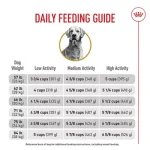
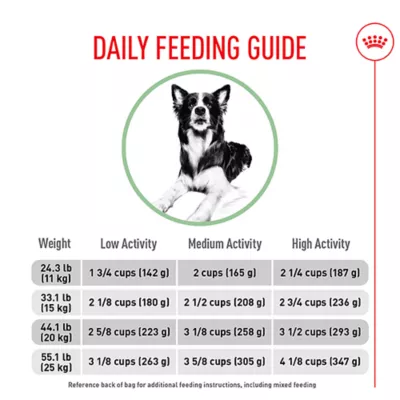
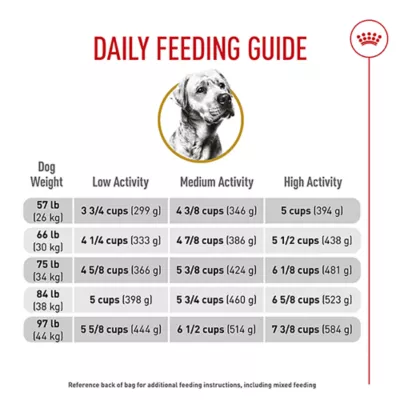
Adult dogs generally need fewer calories than puppies because their growth slows down. Overfeeding can lead to unwanted weight gain, which stresses joints and organs. Monitor your dog’s activity level and adjust food amounts accordingly—more active dogs burn more calories and need more food.
Think about your dog’s daily routine. Does your dog go for long walks or play fetch often? These activities require extra energy, so you might need to increase their calories slightly. On the other hand, a mostly sedentary dog will need less food.
Protein And Fat Intake
Protein remains a vital part of an adult dog’s diet because it supports muscle maintenance and repair. Fat is equally important as it provides energy and helps absorb vitamins. However, the amounts should be balanced to avoid weight problems or nutrient deficiencies.
Look for dog food with quality animal proteins like chicken, beef, or fish listed as the first ingredient. Healthy fats from sources like fish oil or flaxseed also benefit your dog’s coat and skin. Avoid foods with too many fillers or artificial additives—your dog deserves better.
Essential Vitamins And Minerals
Vitamins and minerals keep your dog’s body functioning smoothly. Calcium and phosphorus are key for strong bones, while antioxidants like vitamins C and E support the immune system. Without enough of these nutrients, your dog’s health can suffer quietly over time.
Have you checked your dog food’s label for these nutrients? Some commercial diets are fortified to meet these needs, but homemade meals might require supplements. Always discuss any changes with your vet to ensure your dog’s diet stays balanced.
Choosing Adult Dog Food
Dogs are usually considered adults between one and two years old. Adult dog food suits their slower growth and energy needs. Choosing the right food helps keep them healthy and active.
Choosing the right food is crucial for your adult dog’s health. Once your dog reaches adulthood, its dietary needs change. You need to ensure it gets balanced nutrition. Understanding how to select adult dog food is vital. This guide helps you make informed choices.Reading Labels
Reading food labels is essential. It helps you understand what your dog eats. Check for the first ingredient on the list. It should be a high-quality protein source. Avoid foods with fillers like corn and soy. Look for a statement of nutritional adequacy. This ensures the food meets your dog’s needs.Special Dietary Needs
Some dogs have unique dietary requirements. Allergies or health issues can affect food choices. Consult your vet for a tailored diet plan. They may recommend grain-free or low-fat options. Always monitor your dog’s reaction to new foods. Adjust as necessary for optimal health.Common Ingredients To Avoid
Certain ingredients are harmful to dogs. Avoid foods with artificial preservatives. These include BHA, BHT, and ethoxyquin. Stay clear of artificial colors and flavors. They offer no nutritional value. Watch for high salt and sugar levels. These can lead to health problems. Choose natural and wholesome ingredients for your dog.Transitioning To Adult Food
Transitioning your dog to adult food is a key step in their growth. Puppies need special nutrients to support their development. Adult dogs require different nutrition to maintain health and energy. Making the switch at the right time helps your dog stay strong and active. A smooth change reduces the risk of stomach upset and picky eating.
When To Switch
Most dogs become adults between 12 and 18 months old. Small breeds often mature faster, around 9 to 12 months. Large breeds take longer, sometimes up to 24 months. Check your dog’s breed and size for the best timing. Signs like steady weight and slower growth also help decide.
Gradual Change Process
Switch food slowly over 7 to 10 days. Start by mixing 25% adult food with 75% puppy food. Each day, increase the adult food portion. Watch your dog’s reaction to new food. This helps avoid stomach problems and keeps your dog happy.
Monitoring Health During Transition
Watch your dog’s energy and mood closely. Check for signs like vomiting, diarrhea, or less appetite. Healthy skin and a shiny coat show good nutrition. Weigh your dog regularly to track changes. Talk to your vet if you notice problems or concerns.
Veterinary Insights
Understanding when your dog transitions into adulthood is crucial, especially from a veterinary perspective. Veterinarians offer valuable insights that can help you recognize this change and adjust care accordingly. Their expertise ensures your dog’s health remains optimal throughout every stage of life.
Regular Health Checks
Regular health checks are essential once your dog reaches adulthood. Vets recommend scheduling at least one annual visit to monitor growth, weight, and overall health. These visits help catch issues early, before they become serious problems.
During these checkups, your vet will assess your dog’s dental health, joints, and vital organs. They may also update vaccinations and discuss parasite control. Have you noticed any behavior or energy changes? Sharing this information can guide your vet in providing tailored advice.
Adjusting Diet With Age
As your dog moves into adulthood, their nutritional needs shift. Adult dogs generally require fewer calories than puppies but need balanced nutrients to maintain muscle and support activity. Your vet can recommend the right type of food based on your dog’s breed, size, and lifestyle.
Pay attention to portion sizes and ingredient quality. For example, a large breed adult dog might benefit from food that supports joint health, while a small breed may need more calorie-dense options. Are you aware of the signs that your dog’s diet might need tweaking? Your vet can help you spot them early.
Addressing Health Concerns
Adult dogs can develop health concerns that differ from puppy issues. Vets look out for early signs of arthritis, dental disease, and obesity during routine exams. These problems can seriously affect your dog’s quality of life if left unaddressed.
Veterinary guidance helps you manage these concerns proactively. This might mean introducing supplements, starting a new exercise plan, or making dietary changes. What health challenges has your dog faced recently? Sharing this with your vet can lead to more effective care plans.
Frequently Asked Questions
When Is A Dog Considered An Adult By Age?
A dog is usually considered an adult between 1 to 3 years. Smaller breeds mature faster, often by 1 year. Larger breeds take longer, up to 3 years. Age alone isn’t enough; behavior and physical development also matter.
How Do I Know When To Switch Dog Food?
Switch to adult dog food when your dog reaches maturity. This usually happens between 12 and 24 months. Adult food meets their changing nutritional needs for maintenance and health. Consult your vet for breed-specific advice on timing.
What Are Signs A Dog Is An Adult?
Adult dogs show stable size, calm behavior, and less growth spurts. Their energy levels even out compared to puppies. Adult teeth replace baby teeth fully. Weight stabilizes and physical maturity appears. These signs indicate readiness for adult food.
Why Is Feeding Adult Dog Food Important?
Adult dog food supports balanced nutrition for maintenance, not growth. It helps prevent obesity and nutrient deficiencies. Proper adult food keeps your dog healthy and active. Feeding puppy food too long can cause weight gain and health issues.
Conclusion
Dogs become adults at different ages, depending on their size and breed. Feeding adult dog food too early or too late can cause health problems. Watch your dog’s growth and behavior to decide the right time to switch food. Consult your vet for the best advice on feeding and care.
A healthy diet helps your dog stay strong and happy. Remember, every dog grows at its own pace. Keep learning and caring for your furry friend.