
Are you wondering when your puppy should switch to adult dog food? Making the right choice at the right time is crucial for your dog’s health and growth.
Feed them too early, and they might miss out on vital nutrients. Wait too long, and they could gain unwanted weight or miss important development stages. You’ll discover clear signs to watch for and expert tips to help you make the best decision for your furry friend.
Keep reading to ensure your dog’s diet supports a happy, healthy life.
Puppy Nutrition Basics
Puppy nutrition forms the foundation for healthy growth and development. Puppies have special dietary needs that differ from adult dogs. Their food supports strong bones, muscles, and a healthy immune system. Feeding the right nutrients at the right time helps puppies grow into healthy adults.
Nutritional Needs By Age
Puppies need more calories than adult dogs due to rapid growth. They require higher protein levels to build muscles and tissues. Essential fats help brain and eye development. Puppies also need vitamins and minerals for bone strength and energy.
As puppies grow, their nutritional needs change. Young puppies need nutrient-rich food every few hours. Older puppies eat less often but still require balanced nutrition. Proper feeding schedules support steady growth and prevent digestive issues.
Differences Between Puppy And Adult Food
Puppy food contains more protein and fat than adult food. It has added nutrients to support development. The kibble size is usually smaller for easy chewing. Puppy food is designed to be highly digestible.
Adult dog food focuses on maintaining health and energy. It has fewer calories to avoid weight gain. The nutrient balance shifts to support long-term wellness. Feeding adult food too early can cause nutrient gaps in puppies.
Ideal Age To Switch
Knowing the ideal age to switch your dog to adult food is key for their health and development. Transitioning at the right time ensures your dog gets the nutrients they need without overfeeding or causing digestive upset. But how do you know when the moment is right?
Growth Milestones
Puppies grow fast, especially in the first few months. By about 6 months, many dogs have reached around 75% of their adult size, which is a good indicator for starting the transition to adult food.
At this stage, their energy needs begin to shift from rapid growth to maintenance. You might notice changes in their activity level and appetite—these are signs their diet should too.
Keep a close eye on their weight and coat condition during this period. If you spot any unusual changes, it might be worth consulting your vet before making the switch.
Breed And Size Considerations
Not all dogs grow at the same pace. Small breeds often mature faster and may be ready for adult food as early as 9 months.
Large and giant breeds take longer—sometimes up to 18-24 months—to fully mature. Switching too soon can lead to nutritional imbalances that affect bone and joint health.
Think about your dog’s breed and size before changing their diet. If you have a Great Dane or a Chihuahua, the timing will differ significantly.
- Small breeds: Start around 9-12 months
- Medium breeds: Usually at 12 months
- Large breeds: Often 12-18 months or later
Have you noticed how your dog’s behavior or energy changes as they grow? That can be your best guide to timing the switch correctly.
Signs Your Puppy Is Ready
Puppies usually start eating adult food around six months old. Signs include losing baby teeth and eating larger meals without trouble. Watch for steady growth and increased energy before switching their diet.
Signs Your Puppy Is Ready Transitioning your puppy to adult food is a crucial step. Puppies grow fast and need the right nutrients. Knowing when to switch is important for their health. Let’s explore the signs that indicate your puppy is ready.Behavioral Changes
Your puppy may show less interest in puppy food. They might seem curious about adult food. Begging for your meal is a common sign. They may also become more active and playful. These changes suggest their nutritional needs are shifting.Physical Indicators
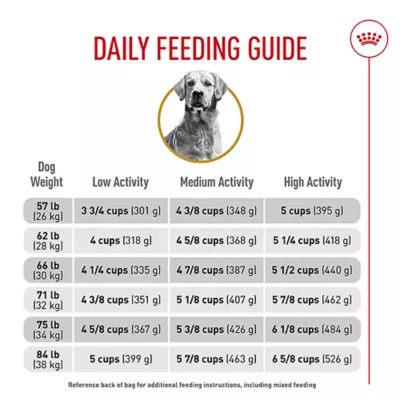
Look for physical growth in your puppy. Their size may increase significantly. Check their weight to see if it matches adult size. Teeth development is another sign. Adult teeth usually replace puppy teeth around six months. Their coat may also become thicker and shinier. These physical signs indicate readiness for adult food.
Credit: www.petsmart.com
Transitioning To Adult Food
Transitioning your dog to adult food is a key milestone in their growth. It’s not just about switching bags of kibble; it’s about supporting their changing nutritional needs without upsetting their digestion. Getting this transition right helps your dog stay healthy and happy as they move from puppyhood into adulthood.
Gradual Introduction Tips
Start by mixing a small amount of adult food into your puppy’s current diet. Aim for about 25% adult food and 75% puppy food for the first few days. Slowly increase the adult food portion over 7 to 10 days until you are feeding only adult food.
Watch how your dog reacts during this transition. Some dogs may need more time to adjust, so be patient. If your dog shows signs of stomach upset, slow down the process and give their system more time to adapt.
Common Challenges
One common issue is picky eating. Your dog might resist the new taste or texture of adult food. Try warming the food slightly or adding a small amount of wet food to entice them.
Another challenge is digestive upset, such as diarrhea or vomiting. If this happens, reduce the amount of adult food and extend the transition period. Consult your vet if problems persist beyond two weeks.
Have you noticed your dog’s energy or coat changing during the switch? Monitoring these signs helps ensure the new diet meets their needs. Your dog’s comfort during this change matters as much as the food itself.
Choosing The Right Adult Food
Choosing the right adult food for your dog is important for their health and happiness. Adult dog food supports their energy levels, muscle maintenance, and overall well-being. The right food meets their nutritional needs as they grow out of puppyhood. Quality ingredients fuel their body and keep them active. Pay attention to what goes into the food. Think about your dog’s unique health needs too. This helps in picking the best option for your furry friend.
Ingredients To Look For
- High-quality protein from chicken, beef, or fish
- Healthy fats like omega-3 and omega-6 fatty acids
- Whole grains such as brown rice or oats
- Fruits and vegetables for vitamins and fiber
- Essential minerals like calcium and phosphorus
- No artificial colors, flavors, or preservatives
Special Dietary Needs
Some dogs need special diets due to allergies or health issues. Sensitive stomachs require gentle ingredients and limited fillers. Dogs with joint problems benefit from added glucosamine and chondroitin. Overweight dogs need lower calorie options. Puppies that grow fast need balanced nutrients for bones and muscles. Always consider your dog’s age, size, and health conditions. A vet can help recommend the best food type for your dog’s special needs.
Credit: dogsauce.co
Veterinarian Recommendations
Veterinarian recommendations play a key role in deciding the right time to switch your dog to adult food. Vets use their knowledge of your dog’s breed, size, and health to give the best advice. Following their guidance helps ensure your dog grows strong and stays healthy. It also helps avoid digestive problems or nutritional gaps during the transition.
When To Consult A Vet
Consult a vet before changing your dog’s diet. Puppies grow at different rates. Some may need adult food earlier, others later.
Visit the vet if you notice:
- Sudden weight changes
- Digestive issues like vomiting or diarrhea
- Lack of energy or poor growth
The vet can check your dog’s health and recommend the best feeding time. Don’t rely on age alone.
Personalized Feeding Plans
Vets create feeding plans based on your dog’s unique needs. These plans cover:
- Type of food
- Portion size
- Feeding frequency
Personalized plans help your dog get all nutrients for healthy growth. They also reduce the risk of obesity or malnutrition.
Follow the vet’s advice closely. Adjust the plan as your dog grows and changes.

Credit: petheavenblogs.com
Frequently Asked Questions
When Should Puppies Switch To Adult Dog Food?
Puppies usually switch to adult dog food between 9 to 12 months. Large breeds may need longer, up to 18 months. Consult your vet to determine the best time based on your dog’s breed and growth rate.
Why Is Timing Important For Changing Dog Food?
Changing dog food too early or late can cause digestive issues. Proper timing ensures balanced nutrition for growth and development. It supports healthy weight and energy levels as your dog matures.
What Signs Show My Dog Is Ready For Adult Food?
Look for slower growth and reduced teething needs. Your dog may have a stable weight and less playful energy. These signs indicate they can digest adult food properly.
Can I Mix Puppy And Adult Food During Transition?
Yes, gradually mix puppy and adult food over 7 to 10 days. This helps your dog’s digestive system adjust smoothly. Avoid sudden changes to prevent upset stomach or diarrhea.
Conclusion
Switching your dog to adult food is an important step. Most dogs start this change around one year old. Watch your dog’s size, breed, and health for the best time. Choose high-quality adult dog food with balanced nutrients. Gradually mix adult food with puppy food over days.
This helps avoid stomach problems. Always keep fresh water available. Pay attention to your dog’s energy and weight. Adjust food amount if needed. Proper feeding supports your dog’s growth and health. Careful timing and good food make a happy, healthy pet.