Are you tired of buying expensive dry dog food that doesn’t always meet your pet’s needs? What if you could create healthy, tasty meals right at home that your dog will love?
Making homemade dry dog food recipes is easier than you think, and it lets you control exactly what goes into your furry friend’s bowl. You’ll discover simple steps and ingredients to make nutritious dry dog food that supports your dog’s health and happiness.
Keep reading to learn how you can start crafting meals tailored just for your dog today!
Benefits Of Homemade Dry Dog Food
Choosing to make homemade dry dog food can bring several benefits that directly impact your pet’s well-being and your peace of mind. It allows you to offer meals tailored to your dog’s specific needs, while also giving you greater control over what goes into their bowl. Here’s why more pet owners are considering this option.
Health Advantages For Dogs
Homemade dry dog food lets you avoid fillers, preservatives, and artificial additives common in many commercial brands. This can reduce the risk of allergies and digestive issues in your dog. You can add fresh, nutrient-rich ingredients like lean meats, vegetables, and whole grains that support your dog’s immune system and energy levels.
Have you noticed your dog’s coat looking dull or their energy dropping? Changing their diet to homemade food might improve these symptoms quickly. It’s easier to adjust recipes for specific health concerns like weight management or joint support when you make the food yourself.
Cost Savings Compared To Store-bought
Making dry dog food at home can save you money over time, especially if you buy ingredients in bulk or use seasonal produce. Premium commercial dog foods often come with a high price tag for quality ingredients and packaging. When you prepare meals yourself, you cut out those extra costs.
You might find it surprising how little it costs to make a batch of homemade dog food compared to the price of a single bag at the store. Plus, you control portion sizes and reduce waste. This means you spend only on what your dog actually needs.
Control Over Ingredients
One of the biggest advantages is knowing exactly what your dog eats. You choose each ingredient, ensuring everything is fresh and safe. This control helps you avoid allergens or ingredients your dog dislikes.
For example, if your dog has a sensitive stomach or food intolerances, you can easily exclude problematic items like wheat or certain proteins. You also decide on the quality of meat and vegetables, steering clear of low-grade fillers and by-products.
What would you include in your dog’s perfect meal? Taking control of ingredients gives you the power to craft recipes that truly suit your dog’s tastes and health needs.

Credit: www.youtube.com
Essential Ingredients For Dry Dog Food
Creating homemade dry dog food requires careful choice of ingredients. Each component plays a vital role in your dog’s health and well-being. The right balance ensures strong muscles, steady energy, healthy skin, and a shiny coat. Understanding the essential ingredients helps you prepare a meal your dog will enjoy and benefit from.
Proteins For Muscle Health
Proteins build and repair muscles in dogs. Good sources include:
- Chicken
- Beef
- Lamb
- Fish
- Eggs
Proteins contain amino acids crucial for muscle growth and immune support. Use fresh, lean cuts to keep meals healthy.
Carbohydrates For Energy
Carbohydrates provide energy to keep dogs active. Common options are:
- Brown rice
- Oats
- Sweet potatoes
- Barley
These ingredients release energy slowly, helping dogs stay energized throughout the day. Avoid fillers like corn or wheat as they may cause allergies.
Fats And Oils
Fats support brain function and keep skin healthy. Essential fats include:
- Fish oil
- Flaxseed oil
- Chicken fat
They add flavor and improve nutrient absorption. Use fats in moderation to maintain ideal weight.
Vitamins And Minerals
Vitamins and minerals support overall health and prevent deficiencies. Include:
- Carrots for vitamin A
- Spinach for iron and calcium
- Pumpkin for fiber and potassium
- Bone meal for phosphorus
These nutrients strengthen bones, teeth, and the immune system. A balanced mix ensures complete nutrition.
Tools And Equipment Needed
Essential tools include a large mixing bowl, measuring cups, and a food processor. A baking sheet and oven are also needed to dry the food properly. Simple kitchen equipment makes the process easy and efficient.
Making homemade dry dog food is not only satisfying but also allows you to control the quality of ingredients your furry friend consumes. To get started, having the right tools and equipment is crucial. These items will simplify the process and ensure you create nutritious meals efficiently.Mixing Bowls And Measuring Cups
Having a variety of mixing bowls and measuring cups is essential. Large bowls allow you to mix ingredients thoroughly, ensuring consistency in every bite. Accurate measuring cups help you maintain the right balance of nutrients, which is vital for your dog’s health.Food Processor Or Blender
A food processor or blender can be a game-changer. It helps in chopping and pureeing ingredients quickly, reducing preparation time. Plus, it ensures that all components are finely mixed, which can be especially beneficial for dogs that have difficulty chewing.Dehydrator Or Oven
Drying your homemade dog food is a key step. A dehydrator is ideal because it preserves nutrients while removing moisture. However, an oven set at a low temperature can also do the trick. Just make sure to monitor closely to avoid over-drying, which can lead to a crumbly texture.Storage Containers
Once your dog food is ready, you’ll need airtight storage containers. They help in keeping the food fresh and free from pests. Consider using labeled, portion-sized containers to make serving quick and easy. Have you ever thought about the impact these tools have on the quality of food you prepare? Using the right equipment not only makes the process smoother but also enhances the nutritional value of the food. Investing in these tools means investing in your dog’s health and happiness.Step-by-step Homemade Dry Dog Food Recipe
Making dry dog food at home is simple and rewarding. This guide shows how to prepare healthy kibble from scratch. Follow each step carefully to ensure tasty and nutritious results for your dog. Using fresh ingredients gives control over what your dog eats.
Preparing Ingredients
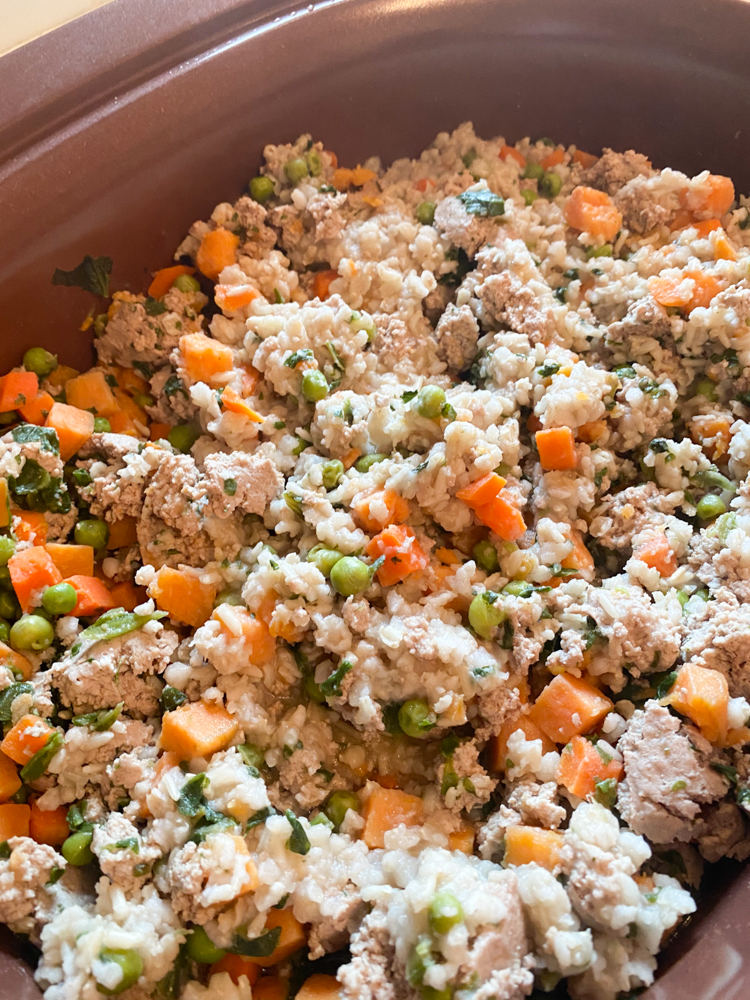
Gather fresh meat, grains, and vegetables. Choose lean protein like chicken or beef. Use rice, oats, or quinoa for carbohydrates. Add dog-safe veggies such as carrots or peas. Chop everything into small, even pieces. Measure ingredients accurately for balanced nutrition.
Mixing And Combining
Place all ingredients in a large bowl. Mix thoroughly until well combined. Add a small amount of water to help bind the mixture. Ensure the texture is firm but not too wet. Proper mixing helps form the kibble shapes later.
Shaping The Kibble
Use your hands or a small scoop to shape the mixture. Make small, bite-sized pieces for easy eating. Flatten slightly to allow even drying or baking. Arrange pieces on a baking sheet lined with parchment paper. Leave space between each piece to prevent sticking.
Dehydrating Or Baking Process
Set your oven or dehydrator to low heat, around 150°F (65°C). Dry the kibble for 6 to 8 hours until hard and crisp. Check regularly to avoid burning. Let pieces cool completely before storing. Store in an airtight container to keep fresh.
Tips For Customizing Recipes
Customizing homemade dry dog food recipes is essential to meet your dog’s unique needs. Every dog is different, and tweaking recipes ensures they get the right nutrition and enjoy their meals. Let’s look at some practical ways to adjust recipes for the best results.
Adjusting For Dog Size And Age
Your dog’s size and age directly affect how much and what type of food they need. Puppies need more protein and calories for growth, while senior dogs benefit from lower calories and added joint support.
Smaller breeds require smaller kibble size and more frequent meals to prevent hypoglycemia. Larger breeds, on the other hand, need food that supports joint health and slower growth to avoid bone issues.
Have you noticed your dog’s energy level changing? Adjust portion sizes and ingredients accordingly to keep them active and healthy.
Incorporating Allergies And Sensitivities
Many dogs have food allergies or sensitivities that can cause itching, digestive upset, or ear infections. Identifying these is key to customizing your recipe safely.
Common allergens include beef, dairy, wheat, and chicken. Try swapping these with novel proteins like duck or fish and alternative grains such as quinoa or sweet potatoes.
Keep a food diary to track reactions. This can help you spot patterns and avoid ingredients that trigger discomfort.
Adding Supplements Safely
Adding supplements can boost your dog’s health, but it’s important to do it safely. Too much of certain vitamins or minerals can cause harm rather than help.
Start with basic additions like fish oil for omega-3 fatty acids or a bit of ground eggshell for calcium. Always research recommended doses or consult your vet before introducing new supplements.
Think about your dog’s specific needs—do they need more joint support, better digestion, or shinier fur? Tailor your supplement choices to those needs without overdoing it.
Storing And Serving Homemade Dry Dog Food
Storing and serving homemade dry dog food properly ensures your furry friend enjoys fresh, nutritious meals every time. How you keep your food after preparation can make a big difference in its taste and safety. Let’s look at how to keep your homemade dog food at its best and how to serve it in ways your dog will love.
Proper Storage Techniques
Keep your homemade dry dog food in an airtight container to protect it from moisture and pests. Choose containers made of glass, BPA-free plastic, or metal with a tight seal. Store the container in a cool, dark place like a pantry or cupboard to slow down spoilage.
If you make large batches, consider dividing the food into smaller portions before storing. This way, you only open what you need, keeping the rest fresh longer. Avoid storing food near heat sources, as warmth can cause oils and ingredients to go rancid quickly.
Shelf Life Expectations
Homemade dry dog food typically lasts about 1 to 2 weeks at room temperature when stored properly. If you refrigerate it, you can extend the shelf life up to a month. For longer storage, freezing is best and can keep the food good for 3 to 6 months.
Check for any unusual smells, mold, or discoloration before feeding your dog. These signs mean the food has gone bad and should be discarded immediately. Do you notice your dog hesitating to eat? It could be a sign the food isn’t as fresh as it should be.
Serving Suggestions
Serve the dry dog food at room temperature for the best flavor and aroma. If you store it in the fridge, let it sit out for 10–15 minutes before serving. Adding a little warm water or low-sodium broth can make the food more appealing, especially for picky eaters.
You can mix the dry food with small amounts of fresh vegetables or a spoonful of plain yogurt to add variety and extra nutrients. Always introduce new additions gradually to avoid upsetting your dog’s stomach. Have you tried different textures or toppings to keep mealtime exciting for your dog?
Common Mistakes To Avoid
Making homemade dry dog food is rewarding but comes with risks. Avoiding common mistakes helps keep your dog healthy and happy. Understanding these pitfalls saves time, effort, and prevents health issues.
Imbalanced Nutrition
Dogs need a balanced mix of proteins, fats, and carbohydrates. Homemade recipes often miss key vitamins and minerals. Lack of balance can cause growth problems and weak immunity. Consult a vet or pet nutritionist before finalizing recipes. Use supplements if necessary to meet nutritional needs.
Using Harmful Ingredients
Some human foods are toxic to dogs. Avoid onions, garlic, chocolate, grapes, and artificial sweeteners. Spices and seasonings can upset your dog’s stomach. Stick to dog-safe ingredients like lean meats, rice, and vegetables. Always research new ingredients before adding them to your recipe.
Inadequate Drying
Proper drying is crucial to prevent mold and bacteria. Insufficient drying leads to spoilage and health risks. Use a food dehydrator or oven at the right temperature and time. Store dry food in airtight containers to keep it fresh longer. Check for moisture before packaging to ensure safety.

Credit: mimisorganiceats.com
Credit: www.acupfullofsass.com
Frequently Asked Questions
What Ingredients Are Best For Homemade Dry Dog Food?
Use lean meats, whole grains, vegetables, and healthy fats. Avoid onions, garlic, and artificial additives. Balance protein, carbs, and fiber for nutrition.
How Do I Store Homemade Dry Dog Food Properly?
Store in an airtight container in a cool, dry place. Use within two weeks or freeze portions for longer freshness.
Can Homemade Dry Dog Food Meet My Dog’s Nutritional Needs?
Yes, if well-balanced with proteins, fats, vitamins, and minerals. Consult a vet or pet nutritionist to ensure complete nutrition.
How Long Does Homemade Dry Dog Food Last?
It lasts about 1 to 2 weeks refrigerated. For longer storage, freeze portions and thaw before feeding.
Conclusion
Making homemade dry dog food can be simple and rewarding. You control the ingredients and ensure quality meals. Fresh, natural foods help keep dogs healthy and happy. Remember to balance proteins, grains, and vegetables carefully. Always check for allergies or sensitivities your dog may have.
Store the food properly to keep it fresh longer. Homemade recipes offer a great way to care for your pet. Try different recipes to find what your dog enjoys most. Healthy eating leads to a happier, stronger dog every day.