
Do you ever wish your dog could enjoy the company of other dogs without stress or fear? Watching your furry friend hesitate or react nervously around other pups can be tough.
But here’s the good news: you can help your dog become more comfortable and even like being around other dogs. Imagine walks without pulling or barking, playdates filled with fun, and a happier, more social pet. You’ll discover simple, effective ways to train your dog to feel at ease—and even enjoy—the presence of other dogs.
Keep reading, because your dog’s social life can get a whole lot better.

Credit: www.dwdogtraining.com
Why Dogs May Dislike Others
Understanding why dogs may dislike other dogs is key to helping them build better social skills. Sometimes, the reason isn’t as simple as “they don’t get along.” Various factors contribute to this behavior, and knowing them can help you approach the situation with patience and clear strategies. Let’s look at some common causes behind a dog’s negative feelings toward others.
Common Causes Of Dog Aggression
Aggression often scares owners, but it usually has a reason. Dogs might act aggressively to protect their territory, food, or even their humans. Sometimes, aggression is a way to communicate fear or discomfort when they feel threatened.
Think about your dog’s reactions during walks. Does your dog growl or lunge at other dogs in certain places? This can indicate a defensive behavior triggered by past experiences or current stressors.
Fear And Anxiety Factors
Fear is one of the strongest drivers behind a dog’s dislike of others. Dogs that haven’t had positive experiences with other dogs can become anxious or scared around them. This fear can turn into avoidance or even aggression if your dog feels cornered or overwhelmed.
You might notice your dog pulling away, trembling, or hiding when meeting new dogs. These signs show anxiety, not just dislike. Addressing these feelings early on can prevent long-term social problems.
Lack Of Early Socialization
Social skills in dogs develop early in life. Puppies that miss out on meeting other dogs during their critical socialization period often struggle with interactions later. Without these early experiences, your dog may not understand normal dog behavior and body language.
Imagine a puppy raised alone, suddenly introduced to a busy dog park as an adult. The confusion and fear can lead to negative reactions. Introducing socialization gradually and positively can help your dog learn to enjoy the company of others.
Credit: www.dwdogtraining.com
Signs Your Dog Dislikes Other Dogs
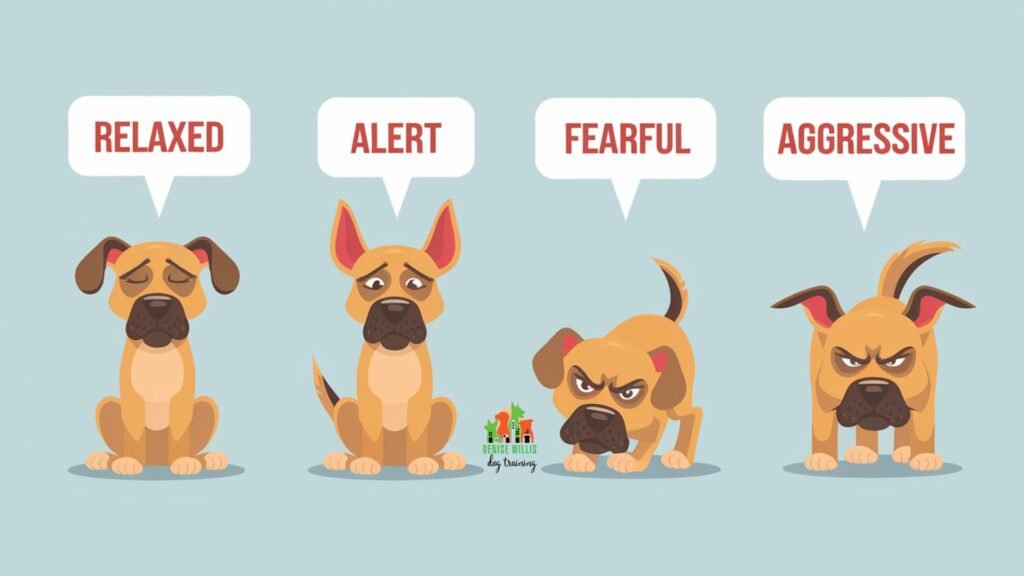
Recognizing signs your dog dislikes other dogs is key for safe social interactions. Dogs communicate mainly through body language and behavior. Learning these signals helps avoid stressful encounters and keeps everyone calm.
Body Language To Watch
- Stiff posture: A rigid body often shows discomfort or tension.
- Raised hackles: Hair standing up along the back signals alertness or fear.
- Growling or snarling: Vocal warnings indicate unease or aggression.
- Avoiding eye contact: Turning the head or looking away can mean fear or submission.
- Tail position: A low or tucked tail often shows anxiety, while a high, rigid tail may mean dominance or threat.
- Showing teeth: A clear sign of warning or defense.
Behavioral Red Flags
- Snapping or lunging: Sudden quick movements toward another dog show hostility.
- Excessive barking: Loud, persistent barking can mean stress or aggression.
- Refusing to approach: Hesitation or running away signals discomfort.
- Freezing in place: Sudden stillness can indicate fear or uncertainty.
- Destructive behavior: Chewing or scratching at doors or leashes suggests frustration.
- Overexcitement or hyperactivity: Can mask nervousness or fear.
Preparing For Socialization
Preparing a dog for socialization helps build positive experiences with others. Gradual exposure to calm dogs can reduce fear and encourage friendly behavior. Patience and gentle guidance create a safe space for your dog to feel comfortable around new friends.
Preparing your dog for socialization is an exciting yet crucial step in ensuring they develop healthy relationships with other dogs. Whether your furry friend is naturally shy or overly enthusiastic, setting the stage for positive interactions can make a world of difference. Think about this: how can you create an environment where your dog feels safe and confident meeting new canine companions?Assessing Your Dog’s Temperament
Before introducing your dog to others, it’s essential to understand their temperament. Is your dog more laid-back or do they tend to be more territorial? Knowing your dog’s natural tendencies will help you tailor your approach to socialization. Spend some time observing your dog in different settings. Notice how they react to new people, animals, and changes in their environment. This will give you insight into their social comfort zones.Choosing The Right Environment
The setting plays a significant role in how your dog perceives social encounters. Opt for neutral, calm locations free from overwhelming stimuli. A quiet park or a friend’s spacious backyard can be ideal. Avoid crowded dog parks initially, as the hustle and bustle might intimidate your dog. Choose places where you can easily guide the interaction and step in if needed.Safety Precautions
Safety should always come first in socialization efforts. Ensure both dogs are on a leash during initial meetings to maintain control. This prevents unexpected lunges or confrontations. Consider using a harness for more control and comfort. Always have treats handy to reward good behavior and reinforce positive experiences.Step-by-step Socialization Techniques
Training a dog to like other dogs takes patience and clear steps. Socialization helps your dog feel calm and friendly around others. Using simple, consistent techniques builds trust and good behavior.
Start slow and create positive experiences. Each step helps your dog gain confidence. Follow these socialization techniques for better dog interactions.
Controlled Introductions
Choose a quiet, neutral space for the first meeting. Keep both dogs on a leash but loose enough to move freely. Let them see and sniff each other from a distance. Watch their body language for signs of stress or calmness.
- Allow short, calm greetings without forcing contact.
- Separate dogs if either shows fear or aggression.
- Repeat meetings often, keeping them brief and positive.
Positive Reinforcement Strategies
Reward your dog for calm behavior near other dogs. Use treats, praise, or toys immediately after good actions. This creates a link between friends and happy feelings.
- Give treats when your dog stays relaxed.
- Use a cheerful tone to encourage friendly behavior.
- Avoid punishment, as it increases fear or aggression.
Gradual Exposure And Desensitization
Increase your dog’s exposure to other dogs slowly. Start with calm dogs at a distance, then reduce space over time. Keep experiences short and end on a positive note.
- Visit dog parks during quiet hours.
- Walk near dogs without direct interaction.
- Practice regularly to build comfort and reduce anxiety.
Training Tools That Help
Training a dog to enjoy the company of other dogs takes patience and the right tools. Using proper training aids can improve your dog’s social skills. These tools help guide behavior and reduce stress during interactions. They make training easier and more effective.
Leashes And Harnesses
Leashes and harnesses control your dog safely during introductions. A harness gives better control without hurting your dog’s neck. It helps keep your dog calm and focused. A sturdy leash prevents sudden lunges toward other dogs. Choose adjustable harnesses for comfort and fit. Use these tools to guide your dog gently.
Clicker Training
Clicker training uses a small device that makes a clicking sound. It marks good behavior instantly. Dogs learn to associate the click with rewards. This method helps teach your dog to stay calm near others. It encourages positive social habits. Clicker training is simple and clear for dogs to understand.
Calming Aids And Products
Calming aids help reduce anxiety in stressful situations. Products like calming sprays or diffusers release soothing scents. These scents can relax your dog during social encounters. Anxiety wraps or vests apply gentle pressure to calm nerves. Natural supplements support a relaxed mood. Use calming aids to make socialization less scary for your dog.
When To Seek Professional Help
Training a dog to enjoy the company of other dogs can be challenging. Some dogs adapt quickly, while others show signs of stress or aggression. Knowing when to seek professional help is vital. It ensures your dog gets the right support and guidance. Professionals can offer solutions tailored to your dog’s needs. They prevent problems from getting worse and help create positive social experiences for your pet.
Recognizing Complex Cases
Some dog behaviors need expert attention. Watch for signs like intense fear, aggression, or extreme anxiety around other dogs. These behaviors may not improve with simple training. Persistent growling, lunging, or constant barking signal deeper issues. Also, sudden changes in behavior can mean a problem exists. Professional help can identify the root causes. Early intervention prevents long-term problems and keeps everyone safe.
Finding A Qualified Trainer Or Behaviorist
Choose a professional with experience in dog socialization problems. Look for certifications from recognized animal behavior organizations. Ask about their methods and success stories. Positive reinforcement and reward-based training are best. Avoid trainers who use harsh punishment or fear-based techniques. A good expert will observe your dog’s behavior carefully. They create a step-by-step plan suited to your dog’s unique needs. This personalized approach helps your dog learn to enjoy other dogs safely.
Maintaining Long-term Friendliness
Maintaining your dog’s friendliness toward other dogs requires ongoing effort and attention. Building a positive attitude is just the beginning; keeping it strong over time demands regular interaction and careful guidance. You want your dog to enjoy the company of others naturally and without stress.
Regular Socialization Practice
Keep your dog comfortable around other dogs by setting up frequent, low-pressure meetings. These don’t have to be long sessions—short, positive encounters work best. Think about visiting dog parks during quieter hours or arranging playdates with calm, friendly dogs you trust.
Consistency is key. Even if your dog seems confident, skipping socialization for weeks can cause old fears or habits to return. How often do you currently expose your dog to new canine friends?
Monitoring Behavior Over Time
Watch your dog’s reactions closely during and after interactions. Changes in body language, like stiffening or avoiding eye contact, can signal discomfort. Early detection helps you step in before small issues grow into bigger problems.
Keep a simple log of your dog’s social experiences and note any unusual behavior. This record can help identify patterns and triggers. Have you noticed if your dog is friendlier with some dogs than others?
Encouraging Positive Play
Guide your dog toward healthy play by rewarding calm and gentle behavior. Use treats and praise when they play nicely, and gently redirect if play becomes too rough or aggressive. Positive reinforcement teaches your dog what you expect.
Introduce toys or games that promote cooperative play rather than competition. Tug-of-war or fetch can be great ways to bond with multiple dogs. What games does your dog enjoy that could be shared with others?

Credit: zigzag.dog
Frequently Asked Questions
Can All Dogs Be Trained To Like Other Dogs?
Most dogs can learn to enjoy other dogs with proper socialization. Early exposure and positive experiences help build comfort and reduce aggression or fear.
How Long Does It Take To Train Dogs To Get Along?
Training duration varies by dog’s personality and past experiences. Consistent, patient socialization over weeks or months typically improves dog-to-dog interactions.
What Are Effective Methods To Socialize Dogs With Others?
Use controlled introductions, reward calm behavior, and avoid forcing interactions. Gradual exposure and positive reinforcement encourage friendly dog social skills.
Can Training Reduce Dog Aggression Towards Other Dogs?
Yes, targeted training can reduce aggression by teaching self-control and social cues. Professional help may be needed for severe aggression cases.
Conclusion
Training a dog to like other dogs takes time and patience. Small steps help build trust and comfort. Socialize your dog in calm, safe places. Reward good behavior to encourage positive feelings. Not every dog will become best friends. Some dogs need more time to adjust.
Keep trying, and celebrate small wins. A happy dog can enjoy the company of others. This effort can lead to better walks and playtimes. Your dog’s happiness is worth the work.