You want the best for your dog, and feeding them just the right amount of food is a big part of that. But how do you know when you’re giving too much?
Overfeeding can lead to serious health problems, and underfeeding can leave your dog hungry and unhappy. If you’ve ever wondered, “How much adult dog food is too much? ” you’re not alone. You’ll discover simple signs to watch for, easy ways to measure the right portion, and tips to keep your furry friend healthy and happy.
Keep reading to make sure you’re feeding your dog the perfect amount every time.
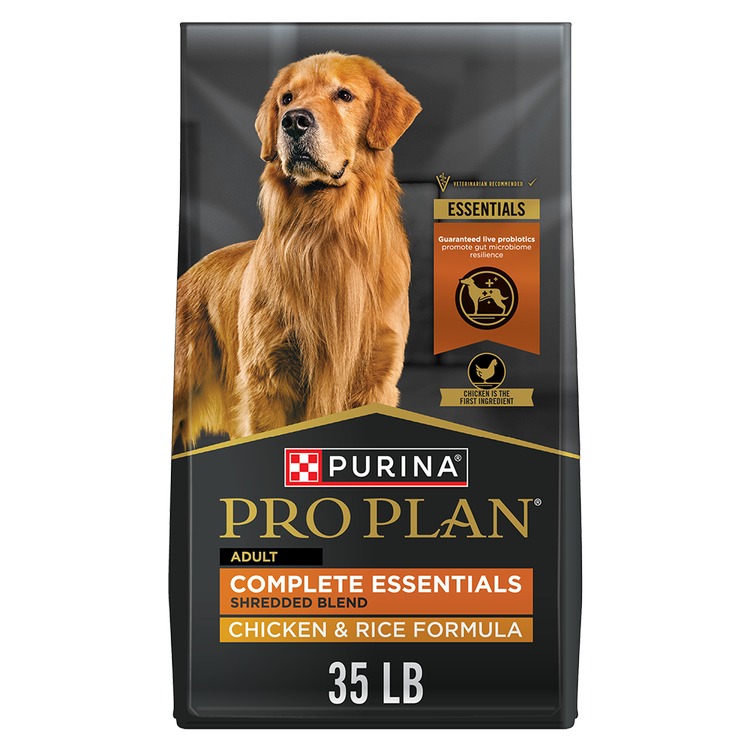
Credit: www.purina.com
Daily Feeding Amounts
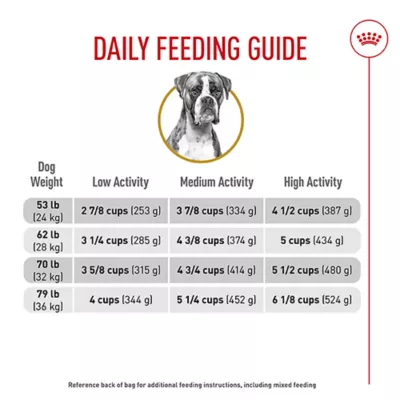
Knowing the right daily feeding amounts for your adult dog can save you from overfeeding or underfeeding, both of which affect your dog’s health. Every dog’s needs vary based on weight, activity, and breed size. Paying attention to these factors helps you provide the right portions for a happy, healthy pet.
Recommended Portions By Weight
Most dog food packages suggest daily portions based on your dog’s weight. For example, a dog weighing 20 pounds might need about 1 to 1.5 cups of dry food daily. These recommendations are a good starting point, but remember that exact needs can vary.
Keep a close eye on your dog’s body condition. If your dog gains excess weight, consider reducing the portion size slightly. If your dog seems hungry or is losing weight, try increasing the amount gradually.
Calorie Needs By Activity Level
A dog’s energy requirements change depending on how active they are. A highly active dog will burn more calories and need more food than a couch potato dog. For instance, a working dog or one that goes on daily long runs may require 20-30% more calories.
Ask yourself: Is your dog getting enough exercise? Adjust the feeding amount based on your dog’s daily activity. Less activity means fewer calories needed to avoid weight gain.
Adjusting For Breed Size
Small breeds often have faster metabolisms and may require more calories per pound of body weight than large breeds. For example, a Chihuahua might need 40 calories per pound, while a Great Dane needs about 20 calories per pound. This means portion sizes differ even if the weight is similar.
Large breeds also benefit from controlled portions to prevent rapid growth and joint problems. Tailor the feeding amount to your dog’s breed size to keep them healthy and comfortable.
Have you noticed how your dog’s breed or activity level changes their hunger? Watch for these signs and adjust portions accordingly to keep your dog fit and satisfied.
Credit: www.petsmart.com
Signs Of Overfeeding
Recognizing the signs of overfeeding your adult dog is important for their health and happiness. Overfeeding can lead to several visible and behavioral changes that affect your dog’s well-being. Watching for these signals helps you adjust their diet and keep them fit.
Weight Gain Indicators
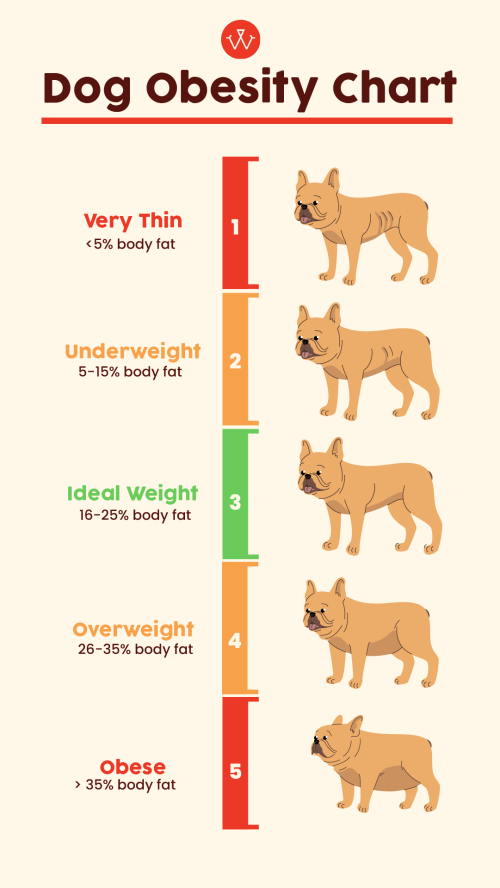
Rapid weight gain is a clear sign of overfeeding. Your dog’s ribs may become hard to feel under thick fat layers. Their waistline might disappear or look rounded. Excess weight strains joints and reduces mobility. Regularly weighing your dog helps track unhealthy gains.
Behavioral Changes
Overfed dogs often show changes in behavior. They may become less active and more tired. Some dogs show increased thirst or panting. Overeating can cause restlessness or digestive discomfort. Notice if your dog begs for food more often or seems constantly hungry.
Health Risks
Too much food can cause serious health problems. Obesity increases the risk of diabetes and heart disease. Joint pain and arthritis may develop due to extra weight. Digestive issues like vomiting and diarrhea can occur. Overfeeding can shorten your dog’s lifespan and reduce quality of life.
Measuring Dog Food Accurately
Feeding too much food can harm your adult dog’s health and cause weight gain. Measuring portions carefully helps keep your dog fit and happy. Use a standard cup or scale to serve the right amount each time.
Measuring dog food accurately is crucial for maintaining your dog’s health and weight. Overfeeding can lead to obesity, while underfeeding might leave your furry friend hungry and lacking nutrients. Ensuring the right portion size can sometimes be tricky, but with the right tools and techniques, you can get it just right.Using Measuring Cups And Scales
Measuring cups are a common tool many dog owners rely on. They’re easy to use and provide a quick way to portion out food. However, not all cups are created equal. It’s important to use a standard measuring cup to ensure accuracy. For more precision, consider using a kitchen scale. Weighing your dog’s food can eliminate guesswork. If your dog needs 200 grams of food, a scale can help you provide exactly that amount.Avoiding Free-feeding Pitfalls
Free-feeding, or leaving food out all day, might seem convenient, but it can lead to overeating. Dogs, like people, can be tempted to snack more when food is always available. This method can also make it difficult to monitor how much your dog is eating daily. Instead, try scheduling regular feeding times. This not only helps control portions but also establishes a routine, which many dogs find comforting. Plus, it gives you the opportunity to monitor your dog’s appetite and adjust their portions accordingly. How do you ensure you’re feeding your dog the right amount? Share your tips and experiences in the comments below!Factors Affecting Food Intake
Understanding how much food your adult dog needs isn’t just about following package instructions. Several factors influence their appetite and nutritional requirements. Knowing these can help you avoid overfeeding and keep your dog healthy and happy.
Age And Metabolism
As dogs age, their metabolism slows down, which means they burn fewer calories at rest. A young adult dog might need more food to fuel their active metabolism, while a senior dog often requires less to prevent weight gain.
Have you noticed your older dog eating the same amount but gaining weight? That’s a clear sign their metabolic rate has changed, and adjusting their food intake is crucial.
Exercise And Lifestyle
Active dogs with regular exercise routines burn more calories and often need more food to replenish energy. On the other hand, dogs that spend most of their time lounging will require fewer calories.
Think about your dog’s daily activity. Does your dog enjoy long walks, play fetch vigorously, or mostly nap? Matching their food portions to their lifestyle helps maintain their ideal weight.
Health Conditions
Certain health issues can affect how much your dog should eat. Conditions like hypothyroidism can slow metabolism, while diabetes might require special dietary management.
Always consult your vet if you see sudden changes in your dog’s appetite or weight. Tailoring food intake to health needs is essential for your dog’s well-being.
Tips To Prevent Overfeeding
Overfeeding your adult dog can lead to weight gain and health problems. Preventing this starts with smart habits and careful choices. Here are some practical tips to help you keep your dog’s diet balanced and healthy.
Establishing A Feeding Schedule
Feeding your dog at the same times every day helps regulate their appetite and digestion. Dogs thrive on routine, and a set schedule reduces the chance of overeating out of boredom or confusion.
Try splitting the daily food amount into two or three meals. This keeps your dog satisfied throughout the day without giving extra snacks that add up unnoticed. Have you noticed your dog begging more when meals are irregular?
Choosing The Right Food Type
Select a dog food that matches your dog’s age, size, and activity level. Foods with high protein and fiber can help your dog feel full longer, reducing the desire to eat more.
Check the label for calories per serving and avoid foods with fillers like corn or wheat that can make your dog hungrier. Sometimes switching to a formula designed for weight control can make a big difference.
Consulting With A Veterinarian
Your vet is the best resource for advice tailored to your dog’s needs. They can help you determine the right portion size and feeding frequency based on health and lifestyle.
Regular check-ups can catch early signs of weight gain or other issues. Have you asked your vet about your dog’s ideal weight and how much food is too much?
Credit: wefeedraw.com
Frequently Asked Questions
How Much Adult Dog Food Is Considered Too Much?
Feeding more than the recommended daily portion is too much. Overfeeding leads to weight gain and health problems. Always follow package guidelines and consult your vet for the right amount.
What Are Signs Of Overfeeding Adult Dogs?
Signs include weight gain, lethargy, and digestive issues. Excess food can cause obesity and joint stress. Monitor your dog’s weight and energy levels regularly.
Can Overfeeding Adult Dogs Cause Health Problems?
Yes, overfeeding can lead to obesity, diabetes, and heart disease. It stresses organs and decreases lifespan. Proper portion control is essential for your dog’s well-being.
How To Measure The Right Amount Of Dog Food?
Use a measuring cup or scale to portion food accurately. Check feeding guidelines on the packaging. Adjust portions based on your dog’s age, weight, and activity.
Conclusion
Feeding your adult dog the right amount keeps them healthy and happy. Too much food can cause weight gain and health problems. Watch your dog’s body and energy for signs of overeating. Stick to the feeding guidelines on the dog food package.
Consult your vet if unsure about the right portion size. Proper feeding helps your dog live a long, active life. Remember, balance is key for your dog’s well-being and happiness.