
Are you wondering when to switch your furry friend to adult dog food? Knowing the right time can make a big difference in your dog’s health and happiness.
Feed them too early, and they might miss out on important nutrients; wait too long, and they could gain unwanted weight or miss critical growth stages. You’ll discover clear signs and expert tips to help you make the best choice for your dog’s diet.
Keep reading to ensure your dog gets the right fuel at the right time.
Signs Your Dog Is Ready
Knowing when to switch your dog to adult food is crucial for their health and well-being. Dogs show clear signs that they’re ready for this change, and recognizing these signs can help you make the transition smoothly. Paying attention to your dog’s growth and behavior ensures you provide the right nutrition at the right time.
Age Milestones
Most dogs are ready to move to adult food between 9 and 12 months old. However, this depends on the breed and size of your dog. Large breeds, like Labradors or German Shepherds, often need to stay on puppy food longer—sometimes up to 18 months.
Ask yourself: How old is your dog, and what breed are they? This simple question can guide your decision. If you’re unsure, check with your vet to get advice tailored to your dog’s specific growth needs.
Behavioral Changes
Behavior can tell you a lot about your dog’s readiness. If your dog’s energy levels start to stabilize and they seem less hyperactive than before, it might be time to switch. Puppies often have bursts of energy that slow down as they mature.
You might also notice changes in their eating habits. If your dog finishes meals quickly but seems less hungry throughout the day, their metabolism could be shifting toward adulthood. These subtle cues help you decide when to change their diet.
Physical Development
Watch for signs in your dog’s body shape and weight. Puppy fat should start to disappear, and muscles become more defined as your dog grows. Healthy adult teeth replacing baby teeth is another clear indicator.
Checking your dog’s coat is useful too. A shinier, thicker coat often appears as they mature. If you notice these physical changes, it’s a strong sign your dog’s nutritional needs have evolved.

Credit: jiminys.com
Choosing The Right Food
Choosing the right food for your adult dog is one of the most important decisions you’ll make for their health. The right diet supports their energy levels, maintains a healthy weight, and keeps their coat shiny. But with so many options on the market, how do you pick what truly fits your dog’s unique needs?
Nutritional Needs
Your dog’s nutritional needs change once they reach adulthood. They require a balanced diet rich in protein, fats, vitamins, and minerals to stay active and healthy.
Adult dogs typically need fewer calories than puppies, but the quality of those calories matters. Look for foods with real meat sources listed as the first ingredient and avoid fillers like excessive grains or by-products.
Have you noticed how some foods make your dog more energetic or improve their digestion? That’s a sign you’ve found a formula that meets their specific nutritional needs.
Types Of Adult Dog Food
You’ll find several types of adult dog food available: dry kibble, wet canned food, raw diets, and homemade meals. Each has its pros and cons.
- Dry kibbleis convenient, helps keep teeth clean, and usually costs less.
- Wet foodoffers higher moisture content, which can be good for hydration.
- Raw dietsmimic a dog’s natural eating habits but require careful preparation to avoid nutrient imbalances.
- Homemade mealsallow full control over ingredients but need guidance from a vet or nutritionist to ensure completeness.
Which type fits your lifestyle and your dog’s preferences? Sometimes mixing types can work well too.
Special Dietary Considerations
Some dogs have special dietary needs due to allergies, sensitivities, or health conditions like kidney issues or obesity. Choosing a food formulated for these concerns can make a huge difference.
If your dog has allergies, look for limited ingredient diets or hypoallergenic formulas. For weight management, foods lower in calories but high in fiber can help your dog feel full without gaining weight.
Have you discussed your dog’s health with your vet to tailor their diet accordingly? Customized nutrition can keep your adult dog thriving for years to come.
Transitioning To Adult Food
Transitioning your dog to adult food is an important step in their growth. It supports their health and energy as they mature. This change should be smooth to avoid stomach upset or refusal to eat. Taking time to switch foods carefully helps your dog adjust well.
Gradual Introduction
Start by mixing a small amount of adult food with your dog’s current food. Slowly increase the adult food portion over 7 to 10 days. This slow change helps your dog’s digestive system adapt. Sudden switches can cause diarrhea or vomiting.
Monitoring Reactions
Watch your dog closely during the transition. Look for signs like vomiting, diarrhea, or loss of appetite. Note any changes in energy or behavior too. If problems appear, slow the transition or consult your vet. Healthy dogs usually adjust without issues.
Adjusting Portions
Adult dogs need different food amounts than puppies. After the switch, adjust portions based on activity and weight. Overfeeding can cause weight gain, underfeeding leads to low energy. Follow the feeding guide on the adult food package. Regularly check your dog’s body condition to keep portions right.
Feeding Schedule Tips
Setting a proper feeding schedule for your adult dog can make a big difference in their health and behavior. It helps with digestion, weight management, and even energy levels. Let’s look at some practical tips that can help you create a feeding routine that fits both your dog’s needs and your daily life.
Ideal Meal Times
Most adult dogs do well with meals spaced evenly throughout the day. Typically, feeding once in the morning and once in the evening works well. If your dog is particularly active, adding a small midday meal can keep their energy steady.
Think about your own schedule and when you’re available to feed your dog. Consistency in timing helps your dog anticipate meals, reducing anxiety and begging behavior. Have you noticed how your dog waits by their bowl right before mealtime? That’s their internal clock syncing with your routine.
Frequency Of Feeding
Adult dogs usually thrive on two meals per day, but some may do better with three smaller meals. Feeding more often can help dogs with digestive issues or those prone to low blood sugar. However, overfeeding can lead to weight gain, so it’s important to balance meal size with frequency.
Observe your dog’s behavior and energy to decide if they need more frequent meals. Are they scavenging for food between meals? That might signal hunger or a need to adjust portions. Experiment with what works best for your dog’s appetite and lifestyle.
Consistency And Routine
Dogs benefit greatly from a consistent feeding routine. Feeding at the same times each day helps regulate their digestive system and supports good habits. It also makes it easier for you to monitor their eating patterns and spot any changes that might indicate health issues.
Try to avoid random feeding times or free feeding, which can encourage overeating. When I switched my dog to a strict feeding schedule, I noticed he became calmer and more focused during walks. What small changes can you make today to improve your dog’s feeding routine?
Common Feeding Mistakes
Transitioning your dog to adult food is a significant step. Many pet owners make common feeding mistakes during this phase. These errors can affect your dog’s health and well-being. Understanding these mistakes helps you provide better care.
Overfeeding Risks
Overfeeding is a common issue with adult dogs. It can lead to obesity and related health problems. Always measure food portions carefully. Follow the feeding guidelines on the dog food package. Adjust based on your dog’s activity level.
Ignoring Weight Changes
Monitor your dog’s weight regularly. Weight gain or loss can signal health issues. Adjust food portions if you notice weight changes. A balanced diet helps maintain a healthy weight.
Skipping Vet Consultations
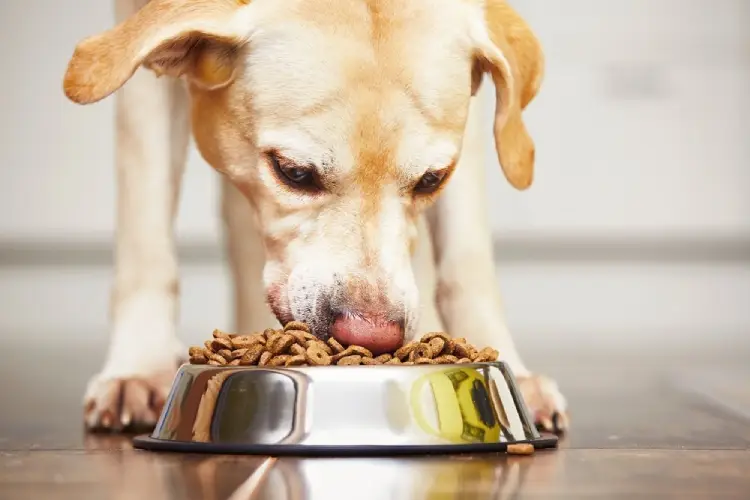
Regular vet visits are crucial. A vet can provide tailored feeding advice. They assess your dog’s nutritional needs and health status. Skipping these consultations can lead to missed health concerns. Always consult your vet before making significant diet changes.
Credit: www.webbox.co.uk
When To Reassess Diet
Knowing when to reassess your dog’s diet is key to keeping them healthy. Dogs’ needs change over time, and their food should match those changes. Watch for signs that their current diet may no longer be right.
Regularly checking your dog’s health and behavior helps you decide if a diet change is needed. This keeps them energetic and reduces health problems.
Signs Of Food Intolerance
Food intolerance can cause discomfort and health issues in dogs. Look for:
- Frequent vomiting or diarrhea
- Itchy skin or excessive scratching
- Unusual gas or bloating
- Loss of appetite or weight changes
These signs suggest your dog may need a different type of food.
Changes In Activity Level
Activity levels affect nutritional needs. A very active dog burns more energy and may need more calories. A less active or older dog requires fewer calories to avoid weight gain. Adjust feeding amounts to match your dog’s daily energy use.
Age-related Nutritional Adjustments
As dogs age, their metabolism and digestion change. Older dogs often need diets with fewer calories but more fiber and nutrients for joint health. Puppies and young adults need more protein and fat for growth and energy. Changing your dog’s food according to age supports long-term health.

Credit: us.eukanuba.com
Frequently Asked Questions
When Should I Switch My Dog To Adult Food?
Switch to adult dog food when your pet reaches one year old. Large breeds may need to switch between 12 to 18 months. This ensures balanced nutrition suited for adult energy and growth needs.
How Do I Know If My Dog Needs Adult Food?
Signs include slowed growth and decreased energy. Puppies become less active and their nutritional needs change. Consult your vet to confirm the ideal time to switch food.
Can Feeding Adult Food Too Early Harm My Dog?
Yes, feeding adult food too early can stunt growth. Puppies need higher calories and nutrients for development. Always follow breed-specific age guidelines for feeding.
What Are The Benefits Of Adult Dog Food?
Adult dog food supports stable energy levels and maintains healthy weight. It contains balanced nutrients tailored for adult dogs. This helps prevent obesity and supports overall health.
Conclusion
Feeding your dog adult food at the right time supports their health and growth. Watch for signs like age and size to know when to switch. Choose quality adult dog food that meets their needs. Keep their diet balanced and consistent every day.
Regular vet visits help ensure your dog stays healthy. Feeding your dog properly shows you care. Simple steps lead to a happy, strong pet. Remember, timing matters for your dog’s best life.