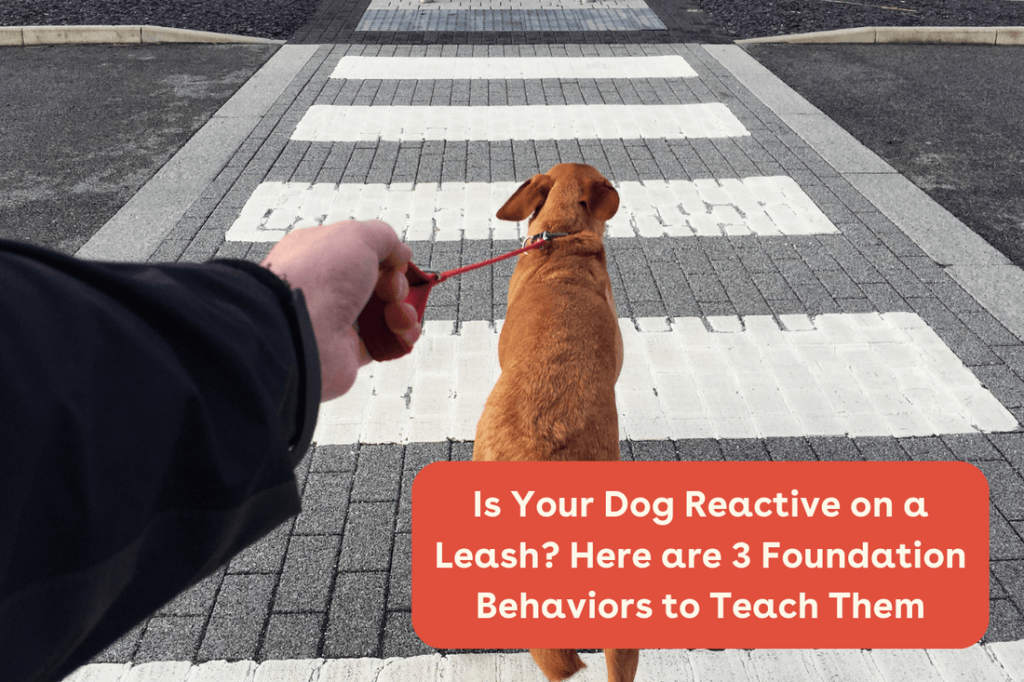

Do you struggle every time your dog pulls, barks, or lunges on the leash? You’re not alone, and the good news is that leash reactivity can be managed with the right approach.
Imagine walking your dog calmly, enjoying every step without stress or frustration. This article will show you simple, effective ways to train your leash reactive dog so you both can enjoy peaceful walks. Keep reading—you’re about to discover easy techniques that really work.
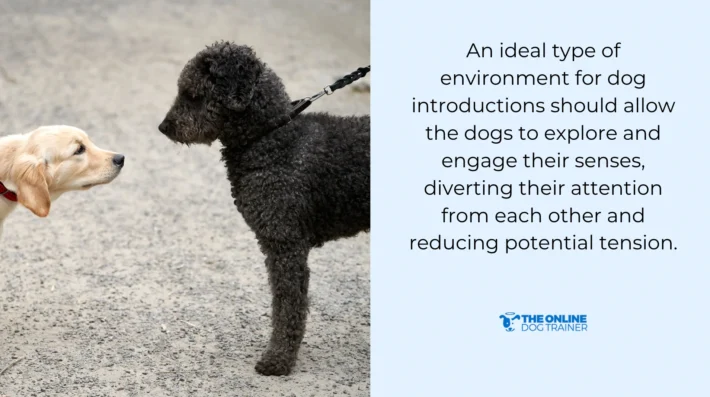
Credit: theonlinedogtrainer.com
Causes Of Leash Reactivity
Leash reactivity in dogs can feel overwhelming, especially when you want peaceful walks but end up with barking, lunging, or pulling instead. Understanding why your dog reacts this way is the first step toward changing their behavior. Different causes require different approaches, so knowing what triggers your dog’s leash reactivity helps you tailor your training effectively.
Fear And Anxiety Triggers
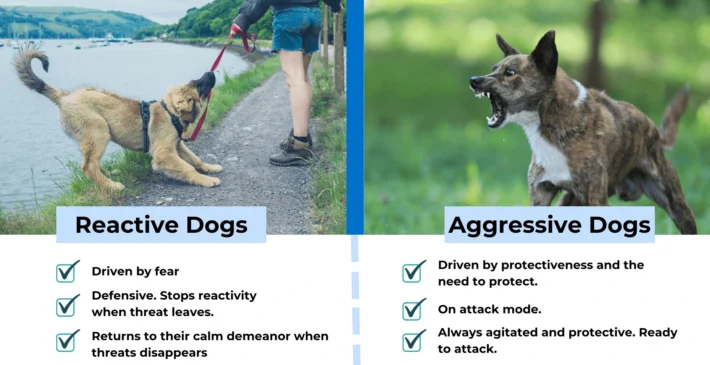
Many dogs react on leash because they feel scared or anxious. The leash can make them feel trapped, increasing their stress when they encounter unfamiliar people, dogs, or noises.
Think about your dog’s body language: are the ears pinned back, tail tucked, or pupils dilated? These signs point to fear rather than aggression. When your dog reacts out of fear, your goal is to build their confidence gradually and create positive associations with triggers.
Overexcitement And Frustration
Some dogs get leash reactive because they are too excited or frustrated. They want to greet another dog or person but can’t do so freely due to the leash restriction.
This pent-up energy often turns into barking, pulling, or lunging. If your dog acts this way, teaching them calm greeting skills and giving them controlled outlets for energy can reduce reactivity.
Lack Of Socialization
A dog that hasn’t met many other dogs or people may react on leash out of uncertainty or confusion. Without early positive social experiences, new sights and smells can trigger defensive behavior.
Socialization isn’t about overwhelming your dog but about gently exposing them to new situations, people, and animals. You can help your dog feel safe and curious, rather than reactive, by introducing new experiences at their own pace.
Essential Training Tools
Training leash reactive dogs needs the right tools to guide and support them. Essential training tools help control your dog safely and encourage positive behavior. These tools create clear signals that your dog can understand. Using the best equipment makes training easier and more effective.
Choosing The Right Leash And Collar
Select a sturdy leash that offers good control and comfort. A leash between 4 to 6 feet works best for training. Avoid retractable leashes because they give less control. For collars, use a flat collar or a martingale collar. Martingale collars prevent slipping without choking your dog. Make sure the collar fits snugly but not too tight.
Using Treats And Rewards
Tasty treats motivate your dog to learn new behaviors. Use small, soft treats that your dog loves. Give treats immediately after the desired behavior. This helps your dog link the action to the reward. Praise your dog with a happy voice and petting. Rewards make training fun and build trust.
Incorporating Clicker Training
A clicker helps mark the exact moment your dog does something right. The click sound tells the dog, “Good job, keep doing this.” Start by clicking and giving a treat to build the connection. Use the clicker during training to reinforce calm behavior on the leash. Clicker training speeds up learning and improves focus.
Basic Training Techniques
Basic training techniques form the foundation for managing leash reactive dogs. These methods help your dog stay calm and responsive during walks. Consistency and patience are key to success. Each technique focuses on improving your dog’s behavior step by step.
Teaching Loose Leash Walking
Loose leash walking means your dog walks beside you without pulling. Start in a quiet place with few distractions. Use treats to reward your dog for staying close. Stop walking if your dog pulls. Wait until the leash is slack, then continue. This teaches your dog that pulling stops the fun. Practice short sessions daily to build good habits.
Redirecting Attention
Leash reactive dogs often focus on triggers like other dogs or people. Redirecting attention helps shift their focus back to you. Use a favorite treat or toy to catch your dog’s eye. Call their name and reward them for looking at you. This interrupts unwanted behavior and strengthens your bond. Keep rewards high-value to maintain interest.
Gradual Exposure To Triggers
Expose your dog to triggers slowly and safely. Start from a distance where your dog feels calm. Reward calm behavior with treats and praise. Gradually decrease the distance over several sessions. Never force your dog to face triggers too close too fast. This controlled exposure builds confidence and reduces reactivity. Patience and steady progress are essential.
Advanced Strategies For Reactivity
Dealing with leash reactivity can be tough, especially when basic training hasn’t fully solved the problem. Advanced strategies dig deeper into your dog’s emotional triggers and self-control, helping you reshape their reactions over time. These techniques require patience but can lead to significant, lasting changes in your dog’s behavior.
Desensitization And Counter-conditioning
Desensitization means exposing your dog to the trigger at a level they can handle without reacting. This low-level exposure helps them get used to the stimulus gradually.
Counter-conditioning changes your dog’s emotional response by pairing the trigger with something positive, like treats or praise. For example, if your dog reacts to other dogs, give treats every time they notice a dog but don’t bark or lunge.
Try to keep the trigger at a distance where your dog stays calm. Slowly decrease that distance over days or weeks. This approach helps your dog associate triggers with good feelings instead of stress or fear.
Impulse Control Exercises
Impulse control is about teaching your dog to pause and think before reacting. Exercises like “sit and wait” before moving through doorways or “leave it” when they want to chase something build self-control.
Practicing these exercises regularly strengthens your dog’s ability to manage impulses during real-life situations. You can increase difficulty by adding distractions or extending the waiting time.
Ask yourself: how well does your dog listen when excited? Improving impulse control can reduce sudden reactions on walks.
Incorporating Calm Commands
Teaching your dog calm commands, such as “settle” or “relax,” gives them a way to understand when you want them to stay composed. Use these commands during quiet moments and reward calm behavior generously.
Use calm commands during walks when you notice your dog’s tension rising. This interrupts the build-up of reactivity and helps your dog refocus on you.
Have you tried using a calm command before your dog notices a trigger? It can prevent reactivity by grounding their attention on you instead of the distraction.
Managing Walks Effectively
Managing walks effectively is key to helping your leash reactive dog feel more comfortable and in control during outings. The goal is to reduce triggers and keep your dog’s focus on you. With thoughtful preparation and quick thinking, you can turn walks into positive experiences that build confidence and trust.
Planning Walk Routes
Choose routes that avoid crowded or noisy areas where your dog might get overwhelmed. Look for quiet streets, parks with open spaces, or trails with fewer dogs and distractions. Changing your route regularly helps keep your dog curious and less reactive to the same old triggers.
Think about escape routes too. Where can you safely step aside if another dog approaches? Mapping these out beforehand can save you stress and keep your dog calm.
Timing And Duration Tips
Walk your dog during quieter times of the day to minimize encounters with other dogs or loud noises. Early mornings or late evenings often work well. Shorter walks focused on quality over quantity help prevent overstimulation and allow you to maintain better control.
Notice how your dog behaves as the walk progresses. If signs of stress appear, it might be time to wrap up or switch to a calmer activity. Have you tried breaking walks into two shorter sessions instead of one long one?
Handling Unexpected Situations
Prepare for surprises, like a dog suddenly running toward you or loud noises nearby. Stay calm and use your voice to redirect your dog’s attention. Carry treats or a favorite toy to reward focus on you during these moments.
Practice turning and walking away when you see a trigger approaching. This teaches your dog that you control the situation. Have you noticed how a quick, confident move can change your dog’s reaction?
Credit: theonlinedogtrainer.com
Consistency And Patience
Training leash reactive dogs needs steady effort and calm. Progress may be slow, but trust grows with each patient step. Consistent practice helps dogs feel safe and learn better behavior.
Consistency and patience are key when training leash reactive dogs. It’s not an overnight process, and setbacks are part of the journey. By focusing on these virtues, you create a stable environment that encourages positive behavior changes.Setting Realistic Goals
Start by setting achievable goals. Aim for small victories like a calm walk past a parked car or a gentle sniff near another dog. These milestones might seem minor, but they build a foundation for bigger successes. Remember, every dog is different. What takes a week for one might take a month for another. Patience here is crucial.Tracking Progress
Keep a journal of your dog’s behavior and improvements. Note the triggers, reactions, and successful calm moments. A simple table can help you visualize this:| Date | Trigger | Reaction | Successes |
|---|---|---|---|
| Oct 15 | Bike | Barked | Walked calmly after |
Maintaining Positive Reinforcement
Positive reinforcement is your best ally. Reward calm behavior with treats, praise, or playtime. Make sure rewards are immediate and consistent. This helps your dog associate good behavior with positive outcomes. Consistency in rewarding desired actions instills trust and encourages your dog to repeat those behaviors. Have you tried experimenting with different rewards to see which your dog responds to best? In your journey with a leash reactive dog, remember that patience isn’t just waiting—it’s how you behave while waiting. Keep your expectations realistic, track every little win, and use positive reinforcement to guide your dog towards better behavior.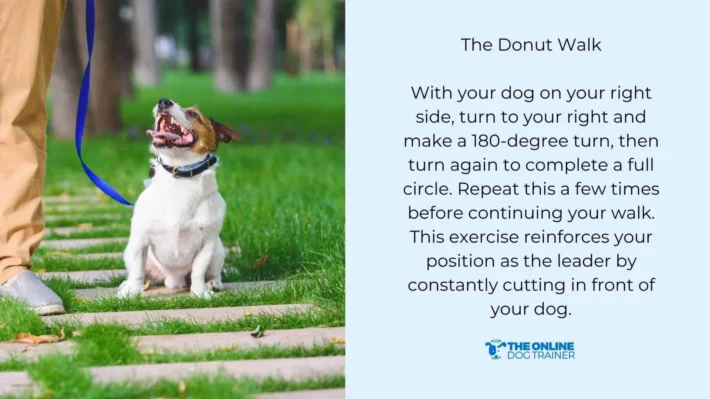
Credit: theonlinedogtrainer.com
Frequently Asked Questions
What Causes Leash Reactivity In Dogs?
Leash reactivity often stems from fear, frustration, or overexcitement. Dogs may feel trapped or threatened on leash. Lack of socialization or past trauma can also trigger reactive behaviors.
How Can I Start Training A Leash Reactive Dog?
Begin with controlled, low-distraction environments. Use positive reinforcement to reward calm behavior. Gradually increase exposure to triggers while maintaining your dog’s comfort and focus.
Which Tools Help With Leash Reactive Dog Training?
Head halters, front-clip harnesses, and long leashes improve control. Avoid choke chains or prong collars, as they may increase anxiety and aggression.
How Long Does Leash Reactivity Training Take?
Training time varies by dog and consistency. Most dogs show improvement within weeks with regular sessions. Patience and positive reinforcement are essential for success.
Conclusion
Training a leash reactive dog takes time and patience. Start small and stay consistent with your efforts. Reward good behavior and avoid punishment. Practice in quiet areas before moving to busy places. Keep your dog calm and focused during walks.
Progress may be slow, but every step counts. You can build a stronger bond with your dog this way. Remember, patience and kindness make training easier. Keep trying, and your dog will improve.