
Are you wondering when to switch your small breed dog to adult dog food? It’s a question many dog owners face, and getting it right can make a big difference in your pet’s health and happiness.
Feeding your furry friend the right food at the right time helps them grow strong, stay energetic, and avoid common health problems. You’ll discover the key signs that show your small breed dog is ready for adult food and learn how to make the change smoothly.
Keep reading to give your dog the best nutrition they deserve!
Credit: www.purina.com
Signs Your Small Breed Dog Needs Adult Food
Knowing the right time to switch your small breed dog to adult food is crucial for their health and well-being. Dogs go through specific changes as they grow, signaling when their diet needs to shift. If you pay attention to these signs, you can make the transition smoother and keep your furry friend thriving.
Growth Milestones To Watch
Small breed dogs usually reach their full size faster than larger breeds. Many complete their rapid growth phase by 9 to 12 months. When you notice your dog’s growth slowing down or stopping, it’s a clear hint that their nutritional needs are changing.
Have you observed your puppy’s weight stabilizing? That often means they are ready for adult food. Feeding them puppy food beyond this stage can lead to excess calories and weight gain.
Changes In Energy Levels
Puppies are bundles of energy, but as they mature, their activity level naturally decreases. If your once hyperactive pup starts to slow down, this shift in energy can signal the need for adult food. Adult formulas are designed to match their calmer lifestyle and avoid unnecessary calories.
Watch how your dog behaves during playtime and walks. Are they less energetic or more relaxed? Adjusting their diet to adult food at this stage supports their changing metabolism and keeps them healthy.
Dental Development
Your dog’s teeth development also offers clues. Puppy teeth fall out and adult teeth come in between 4 to 6 months old. By the time all adult teeth are in place, usually around 6 to 8 months, it’s a good moment to consider switching their food.
Adult food often has kibble size and texture suited for stronger, permanent teeth. Ignoring this can cause dental discomfort or poor chewing habits. Have you checked your dog’s teeth recently? It’s a simple way to know if they’re ready for adult food.
Choosing The Right Adult Dog Food
Choosing the right adult dog food for your small breed can feel overwhelming with so many options available. The key is to focus on what your furry friend truly needs. Understanding their nutritional requirements will help ensure they thrive with energy and health.
Nutritional Needs For Small Breeds
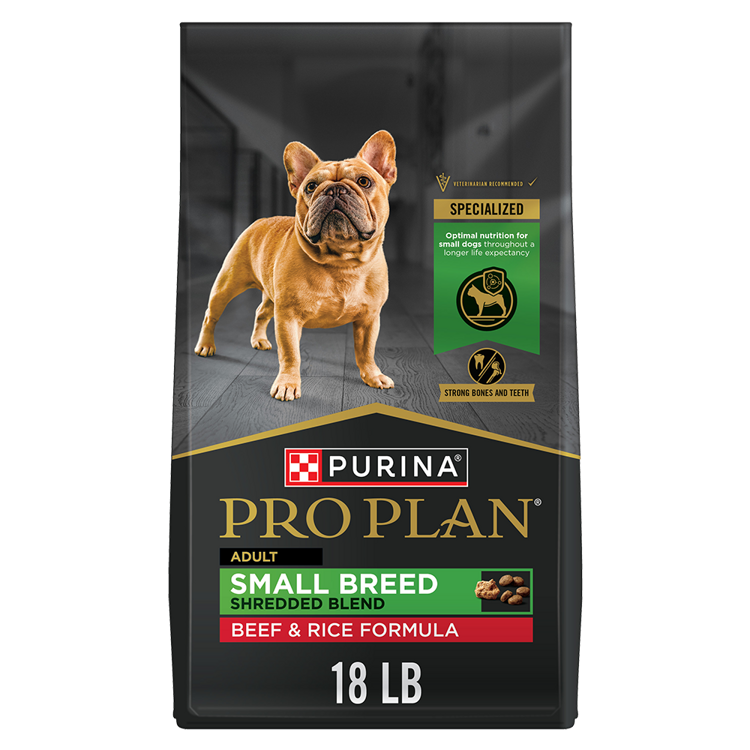
Small breeds often have faster metabolisms, requiring nutrient-dense food packed with energy. They need a balanced diet that provides the right mix of proteins, fats, and carbohydrates. Consider foods specifically formulated for small breeds as they are tailored to meet these energetic needs.
Protein should be a significant component of their diet, ideally sourced from quality meats. Healthy fats like omega-3 and omega-6 are essential for their coat and skin health. Don’t forget about vitamins and minerals, which support their immune system and overall wellbeing.
Ingredients To Look For
When browsing dog food labels, prioritize those with whole ingredients. Look for real meat like chicken, beef, or fish as the first ingredient. Whole grains such as brown rice or oats are excellent for maintaining their energy levels.
Fruits and vegetables provide essential vitamins and antioxidants. Ingredients like sweet potatoes and carrots are great options. You should also consider foods with added probiotics for digestive health.
Avoiding Harmful Additives
Not all dog foods are created equal, and some contain additives that can harm your pet. Avoid foods with artificial preservatives like BHA, BHT, or ethoxyquin, which can be toxic over time. Artificial colors and flavors are unnecessary and should be avoided.
Check for fillers like corn, wheat, or soy, which offer little nutritional value and can trigger allergies. Opt for brands that commit to natural ingredients, ensuring your small breed receives the nourishment they deserve without the risk of harmful additives.
When To Make The Switch
Knowing when to switch your dog to adult food is essential for their health and happiness. Timing this change right helps support their growth without causing digestive issues or nutritional gaps. Let’s look at how to recognize the right moment and handle the transition smoothly.
Ideal Age For Transition
Most small breed dogs are ready to switch to adult dog food between 9 and 12 months of age. This is when their growth plates close, and their nutritional needs change from puppy to adult maintenance. However, some tiny breeds may mature faster, so watch your dog’s size and energy levels closely.
If your dog is still growing rapidly or seems very energetic, it might be worth waiting a bit longer. Have you noticed changes in your pup’s appetite or weight around this time? These can be good clues for the right switch.
Gradual Vs. Immediate Change
Switching dog food suddenly can upset your pet’s stomach, leading to diarrhea or vomiting. A gradual change over 7 to 10 days is safer. Start by mixing 25% adult food with 75% puppy food, then slowly increase the adult food portion each day.
This method allows your dog’s digestive system to adjust without stress. Have you ever seen your dog refuse food after a sudden switch? Taking it slow usually prevents that problem and keeps mealtime enjoyable.
Monitoring Your Dog’s Reaction
After the switch, watch your dog for any signs of digestive trouble or allergic reactions. Common symptoms include loose stools, vomiting, itching, or changes in energy. If any of these show up, pause the transition and consult your vet.
Keep a journal of your dog’s eating habits and physical condition during the switch. This helps you spot patterns and decide if the new food suits your dog well. How closely do you observe your dog’s behavior when trying something new?
Feeding Frequency And Portion Control
Feeding frequency and portion control are key to keeping your adult small breed dog healthy and happy. Getting these right helps maintain their ideal weight, supports digestion, and keeps energy levels steady throughout the day. Let’s look at how often you should feed and how to determine the right amount for your furry friend.
How Often To Feed Adult Small Breeds
Small breed dogs have fast metabolisms, so they usually do better with more frequent meals. Two to three meals a day is often ideal, preventing hunger spikes and avoiding overeating in one sitting.
Splitting their daily food into smaller portions also helps avoid digestive issues like bloating or upset stomach. Have you noticed your dog getting overly hungry between meals? Increasing feeding frequency might be the solution.
Determining The Right Portion Size
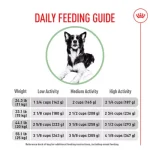
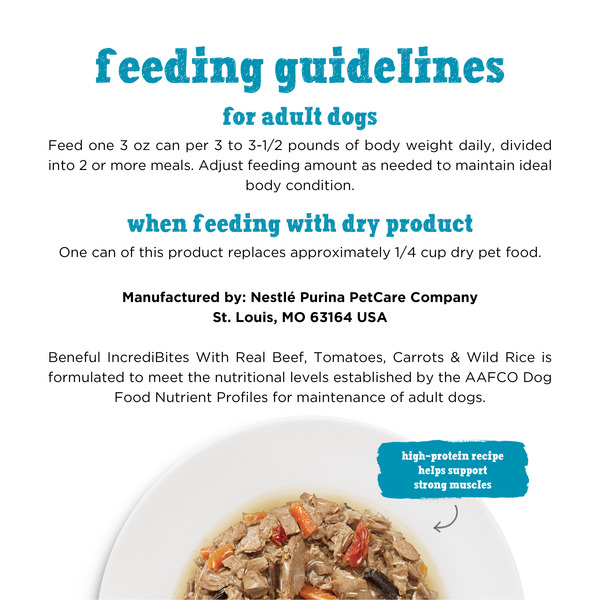
Portion sizes depend on your dog’s weight, age, and activity level. Most adult small breeds need between ⅓ to 1 cup of food daily, but it varies by brand and formula.
Check the feeding guide on your dog food package, but adjust as needed. If your dog gains weight, cut back slightly; if they seem hungry or lose weight, increase portions.
Keep an eye on their body condition—can you feel their ribs without excess fat? That’s a good sign you have the right portion size.
Adjusting Portions Based On Activity
Your dog’s energy needs change with their activity level. On active days, add a bit more food to fuel their extra movement.
Less active days call for smaller portions to avoid weight gain. Have you tracked your dog’s activity alongside their food intake? It’s a simple way to keep portions aligned with their needs.
Remember, sudden changes in portion size can upset digestion, so adjust gradually over a few days. This keeps your dog comfortable and thriving.
Special Considerations For Small Breeds
Small dog breeds have unique needs that differ significantly from their larger counterparts. Their faster metabolisms and delicate dental structures require careful attention when choosing and timing their adult dog food. Understanding these special considerations helps you provide the right nutrition to keep your small dog healthy and happy.
Managing Weight And Metabolism
Small breeds burn calories quickly but also have less stomach capacity. This means they need nutrient-dense food in smaller portions. Overfeeding can lead to obesity, which is a common issue in tiny dogs.
Try feeding multiple small meals throughout the day instead of one or two large ones. This approach supports their fast metabolism without overwhelming their digestive system. Have you noticed how your small dog’s energy changes with different feeding schedules?
Addressing Dental Health
Dental problems are common in small breeds due to crowded teeth and smaller jaws. Dry kibble designed for small dogs can help reduce plaque buildup by gently scraping teeth as they chew. However, soft foods can stick to teeth, increasing the risk of decay.
Consider adding dental chews or toys to your dog’s routine to promote oral hygiene. Regular brushing is another effective way to keep their smile bright. How often do you check your dog’s teeth for signs of trouble?
Dealing With Food Sensitivities
Many small dogs are prone to food allergies and sensitivities, which can cause itchy skin, digestive upset, or ear infections. Identifying the culprit ingredient requires careful observation and sometimes trial and error with limited-ingredient diets.
Look for dog food labeled hypoallergenic or formulated for sensitive stomachs if your dog shows signs of intolerance. Keeping a food diary can help you spot patterns and avoid ingredients that cause discomfort. What has worked best for managing your small dog’s food sensitivities?
Credit: www.purina.com
Tips For A Smooth Feeding Transition
Transitioning your small breed dog to adult food can feel tricky. Sudden changes might upset their stomach or cause them to reject the new food. Smoothly shifting their diet helps keep them healthy and happy, avoiding unnecessary stress for both of you.
Mixing Old And New Foods
Start by mixing a small amount of the new adult food with your dog’s current diet. Gradually increase the new food’s proportion over 7 to 10 days.
Watch how your dog reacts to the mix. If you notice vomiting, diarrhea, or loss of appetite, slow down the transition.
My dog once refused food when I switched abruptly. Mixing slowly made all the difference, showing patience really pays off.
Encouraging Appetite During Change
If your dog seems reluctant to eat the new food, try warming it slightly to enhance aroma and flavor. You can also add a bit of low-sodium broth or a small amount of their favorite healthy topper.
Engage your dog during mealtime by sitting nearby and offering gentle encouragement. Sometimes, a calm environment helps them feel secure about eating.
Have you noticed your dog’s excitement increase with simple additions? Small changes can boost their interest and appetite.
When To Consult A Veterinarian
If your dog refuses to eat the new food for more than three days, or if you see persistent digestive upset, contact your vet. They can rule out underlying health issues and suggest suitable alternatives.
Also, seek advice if your dog has special dietary needs or existing health conditions. Professional guidance ensures your feeding plan supports their overall well-being.
Don’t hesitate to ask questions—your vet is there to help you navigate these changes confidently.
Credit: www.purina.com
Frequently Asked Questions
When Should I Switch Small Breed Puppies To Adult Dog Food?
Switch small breed puppies to adult food around 9 to 12 months. This timing supports their growth and energy needs properly.
Why Is Adult Dog Food Better For Small Breeds?
Adult dog food has balanced nutrients and calories ideal for small breeds. It helps maintain healthy weight and energy.
How Do I Know My Small Breed Dog Is Ready?
Look for slowed growth and stable weight. Consult your vet to confirm readiness for adult dog food.
Can Feeding Adult Food Too Early Harm Small Breeds?
Yes, feeding adult food too early can cause nutrient deficiencies. Puppies need higher protein and calories for growth.
Conclusion
Feeding your small breed dog adult food at the right time helps their health. Watch for signs your dog is ready to change food. Choose a quality adult dog food made for small breeds. Feeding the right food supports their energy and growth.
Always feed in small portions to avoid stomach problems. Stay consistent and patient during the transition period. Your small dog will feel happier and stronger with good nutrition. Good feeding habits build a long, healthy life for your pet.