
Are you wondering when your furry friend should switch to adult dog food? Choosing the right time can make a big difference in your dog’s health and happiness.
Feed them too early, and they might miss out on vital nutrients; wait too long, and they could gain unwanted weight or miss growth milestones. You’ll discover clear signs and expert advice to help you make the best decision for your dog’s diet.
Keep reading to learn exactly when your pup is ready for adult food and how to make the transition smooth and healthy.
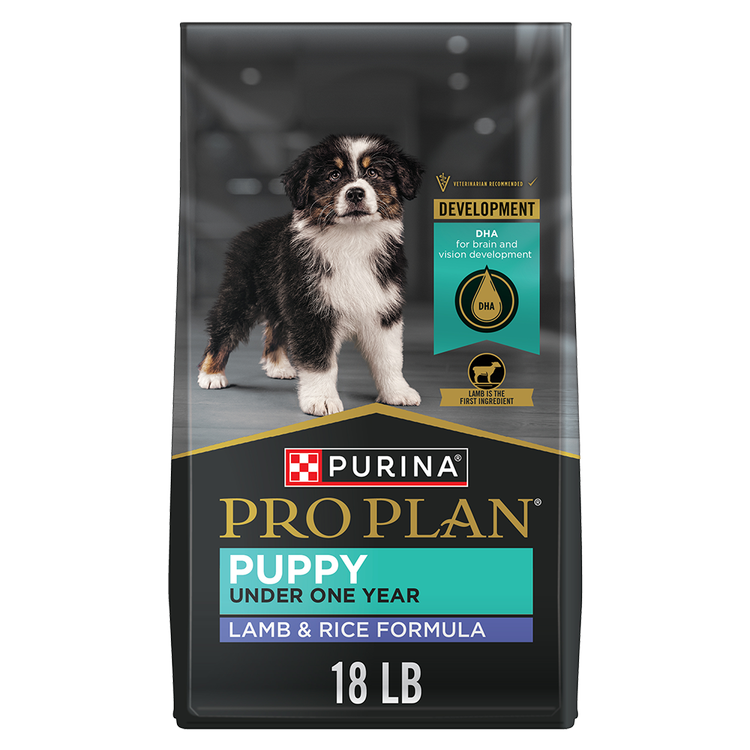
Credit: www.purina.com
Signs Of Puppy Growth
Recognizing the signs of your puppy’s growth is key to deciding when to switch to adult dog food. Puppies don’t just grow overnight; their bodies and behaviors change gradually, signaling their readiness for a new diet. Paying attention to these signs helps you provide the right nutrition at the right time, supporting their health and energy levels.
Physical Changes
Your puppy’s body shape and size will shift noticeably as they grow. Their baby teeth start to fall out around 3 to 6 months, making room for adult teeth. You might also see their coat become thicker and shinier, which means their metabolism is adjusting.
Watch for changes in muscle tone and weight gain. If your pup looks leaner and stronger rather than chubby, they are moving past the rapid growth phase. These physical signs tell you their digestive system can handle more complex adult food.
Behavioral Shifts
Growth isn’t just about looks; it affects how your dog acts too. Puppies often become less hyperactive and more focused between 6 to 12 months. You might notice your dog showing more independence or responding differently during training.
Are they less interested in constant snacking and more willing to eat regular meals? This change in eating habits often hints they are ready for adult food. Behavioral shifts can indicate maturity and readiness for a diet change.
Nutritional Needs
As puppies grow, their nutritional requirements evolve. They need more calories and specific nutrients like protein, calcium, and DHA during early development. However, once they near adulthood, their calorie needs decrease to prevent excessive weight gain.
Adult dog food is formulated to meet these new needs with balanced ingredients. Switching too early or too late can cause digestive upset or nutritional gaps. Have you noticed your puppy finishing their meals quickly or leaving food behind? It might be time to adjust their diet accordingly.
Age Benchmarks For Switching
Switching your dog from puppy food to adult food is a key step. Dogs grow at different rates depending on their breed size. Knowing the right time helps support their health and energy. Age benchmarks give clear guidance on when to make the switch.
Small Breeds Timeline
Small breeds grow faster and reach maturity early. Most small dogs are ready for adult food by 9 to 12 months. Their rapid growth means they need nutrient-rich puppy food only for a short time. Switching too late can cause excess weight gain.
Medium Breeds Timeline
Medium breeds take a bit longer to mature. They usually switch to adult food between 12 and 14 months. This timing matches their steady growth and changing nutritional needs. Feeding adult food too early may slow their development.
Large Breeds Timeline
Large breeds grow slower and reach adulthood later. They often need puppy food until 12 to 18 months old. Their bones and joints require extra care during growth. Transitioning too soon can risk health problems, so patience is key.
Choosing The Right Adult Food
Choosing the right adult food for your dog is crucial to keep them healthy and energetic. The transition from puppy to adult food should reflect their changing nutritional needs. Picking the best food means understanding what your dog truly requires every day.
Nutrient Requirements
Adult dogs need a balanced diet rich in protein, fats, and essential vitamins. Protein supports muscle maintenance, while fats provide energy and help keep their coat shiny. Look for foods that list high-quality animal proteins like chicken, beef, or fish as the first ingredient.
Carbohydrates should come from wholesome sources such as sweet potatoes or brown rice. Avoid foods with excessive fillers like corn or wheat, which add little nutrition. Asking yourself, “Does this food support my dog’s activity level and health?” can guide your choice.
Quality Ingredients
Ingredients matter more than flashy packaging or marketing claims. Real meat, whole vegetables, and natural antioxidants make a big difference in your dog’s digestion and immunity. Steer clear of artificial colors, flavors, or preservatives that might trigger allergies or upset stomachs.
Many brands now list every ingredient clearly. Use this transparency to your advantage by picking options with recognizable, natural components. Your dog’s body will thank you with better energy and fewer health issues.
Special Diets
Some dogs need food tailored to specific health concerns like allergies, weight control, or sensitive stomachs. If your dog has been diagnosed with conditions such as arthritis or diabetes, specialized formulas can improve their quality of life. Consult your vet before making any changes.
Grain-free, low-fat, or high-fiber diets are common options to consider depending on your dog’s needs. Have you noticed any signs like itching, digestive upset, or lethargy? These might indicate the need for a special diet.
Transitioning Tips
Switching your dog from puppy food to adult food needs care. Sudden changes can upset their stomach. A smooth transition helps your dog adjust to new nutrition. Watch your dog’s behavior and health closely during this time.
Gradual Food Mixing
Start by mixing a small amount of adult food with puppy food. Slowly increase the adult food portion each day. This process should take about 7 to 10 days. Gradual mixing helps your dog’s digestive system adapt. It reduces the chance of diarrhea or vomiting.
Monitoring Digestive Health
Keep an eye on your dog’s stool and appetite. Normal stool shows the food change is going well. Soft or runny stool may mean the transition is too fast. Loss of appetite can be a sign of discomfort. Contact your vet if problems last more than two days.
Adjusting Portions
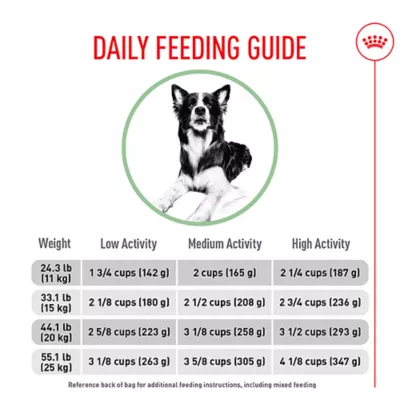
Adult dogs need different calorie amounts than puppies. Adjust meal sizes based on your dog’s size and activity. Use the feeding guide on the adult food package as a start. Watch your dog’s weight and energy to find the right portion. Avoid overfeeding to keep your dog healthy and fit.
Consulting Your Vet
Transitioning your dog to adult food is a significant step that requires careful consideration. Consulting your vet ensures that this transition is tailored to your dog’s specific needs. A vet’s guidance is invaluable for maintaining your pet’s health and happiness during this change.
Health Assessments
Your vet will perform a health assessment to understand your dog’s current nutritional needs. This involves checking your dog’s weight, age, and breed to determine the right time for the transition. A small breed puppy may need adult food sooner than a large breed puppy, who grows at a different pace.
Regular health checks also help in spotting any potential issues early. This proactive approach allows for timely dietary adjustments. It’s like giving your dog a health roadmap to follow through adulthood.
Customized Feeding Plans
Every dog is unique, and so are their dietary needs. Your vet can help create a customized feeding plan that caters to your dog’s specific requirements. This plan considers factors like activity level, health conditions, and even personal taste preferences.
Have you ever tried a new diet and found it wasn’t quite right for you? Dogs are similar. A vet-tailored plan helps you avoid unnecessary trials and errors, ensuring your dog gets the nutrients they need right from the start.
Addressing Concerns
It’s natural to have concerns about changing your dog’s diet. Will they like the new food? Will it suit their digestive system? Your vet can address these worries with expert advice.
Discuss any behavioral changes or health symptoms you notice during the transition. Open communication with your vet can lead to quick solutions, ensuring your dog’s transition to adult food is as smooth as possible.
Consulting your vet is not just about switching food; it’s about investing in your dog’s long-term health. Are you ready to make this important change with confidence?
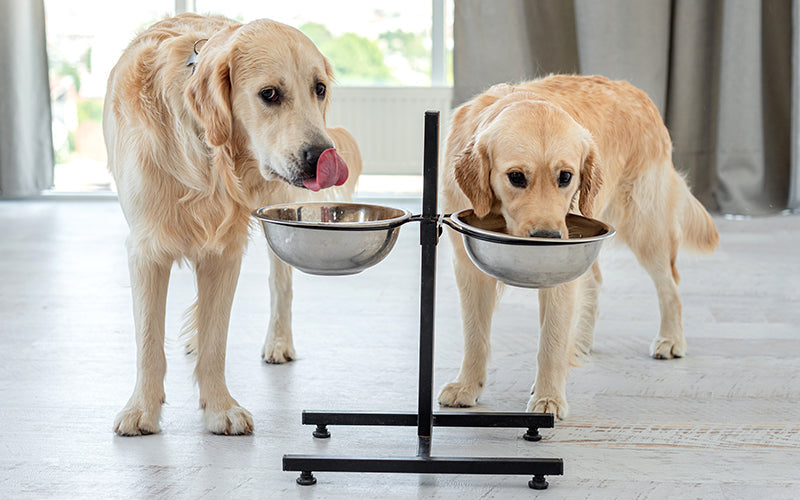
Credit: blepworld.com
Common Mistakes To Avoid
Changing your dog’s food from puppy to adult is important. Mistakes during this time can cause health issues. Knowing what to avoid helps your dog stay healthy and happy. Here are some common mistakes to watch out for.
Switching Too Early
Switching to adult food before your dog is ready can cause problems. Puppies need extra nutrients for growth. Adult food may not have enough vitamins and minerals. Wait until your vet says it is time. This varies by breed and size.
Ignoring Breed Differences
Different breeds grow at different rates. Large breeds take longer to mature than small breeds. Feeding adult food too soon for a big dog can affect bone growth. Know your dog’s breed and growth patterns. Choose food that fits their specific needs.
Overfeeding During Transition
Changing food can upset your dog’s stomach. Some pet owners feed too much to make up for the change. Overfeeding causes weight gain and digestive issues. Introduce new food slowly over 7 to 10 days. Mix old and new food in small amounts.

Credit: petheavenblogs.com
Frequently Asked Questions
When Should Puppies Switch To Adult Dog Food?
Puppies should switch to adult dog food around 12 months old. Large breeds may transition later, around 18-24 months, due to slower growth. This change supports their nutritional needs for maintenance rather than growth.
How To Know If My Dog Needs Adult Food?
Signs include slowed growth, stable weight, and lower energy needs. Consult your vet to confirm the right time based on breed and health. Transitioning too early or late can affect your dog’s health.
What Are The Benefits Of Adult Dog Food?
Adult dog food has balanced nutrients for maintenance and energy. It supports healthy digestion, weight management, and overall wellness. Feeding age-appropriate food helps prevent obesity and nutritional deficiencies.
Can I Feed Adult Food To Puppies?
It’s not recommended to feed puppies adult food. Puppies require higher protein, calories, and specific nutrients for growth. Feeding adult food too early can stunt development and cause health issues.
Conclusion
Choosing the right time for adult dog food helps your pet stay healthy. Watch your dog’s age, size, and breed to decide the switch. Puppies grow fast, so their food needs change quickly. Adult food supports steady energy and proper nutrition.
Talk to your vet for advice tailored to your dog. Changing food too soon or too late can cause problems. Keep your dog happy with balanced meals made for adults. Small steps lead to strong, healthy dogs. Trust your care and attention for their best life.