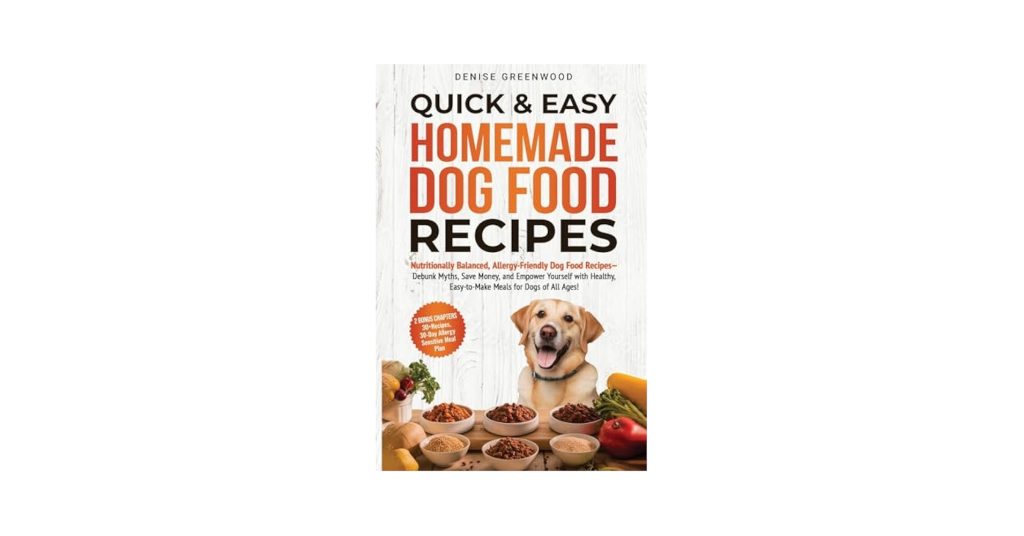

Are you looking for the best homemade dog food recipe book to keep your furry friend healthy and happy? Finding the right recipes can feel overwhelming with so many options out there.
But imagine having one trusted guide that offers easy, nutritious meals your dog will love. This article will help you discover the perfect recipe book that fits your needs and makes feeding your dog both simple and rewarding. Keep reading to find out which book stands out and why it could change the way you care for your pet.
Top Homemade Dog Food Books
Choosing the right homemade dog food recipe book can make a big difference in your pet’s health and happiness. With so many options available, it helps to know which books offer practical recipes, clear guidance, and trustworthy advice. Here, you’ll find a selection of top books that cater to various needs and preferences, making your search easier and more effective.
Popular Titles To Consider
Some books have gained popularity for their straightforward recipes and detailed nutritional information. Titles like “The Healthy Hound Cookbook”by Paris Permenter and John Bigley offer easy-to-follow meals that many dog owners swear by. Another favorite is “Home-Prepared Dog & Cat Diets”by Donald R. Strombeck, which combines science with practical cooking tips.
These books often include tips on ingredient substitutions and portion sizes, making it easier to tailor meals to your dog’s preferences and needs. Have you noticed how some recipes in these books use common kitchen ingredients you already have? That’s a big plus for convenience.
Books For Different Dog Needs
Your dog’s health might require special attention, and some books focus specifically on unique dietary needs. For example, “Feed Your Best Friend Better”by Rick Woodford offers recipes for dogs with allergies and sensitive stomachs. There are also books like “Dr. Pitcairn’s Complete Guide to Natural Health for Dogs & Cats”that cover everything from weight management to chronic illness support.
These specialized books often provide insights on how to balance meals for dogs with conditions like diabetes or kidney disease. What if your dog needs a diet that supports joint health or digestion? These resources can guide you through those challenges.
Books By Veterinary Experts
Books written by veterinarians or animal nutritionists bring a level of trust and accuracy that’s hard to beat. “Canine Nutrigenomics”by W. Jean Dodds and Diana Laverdure offers detailed nutritional science that helps you understand what your dog really needs. Similarly, “The Dog Cancer Survival Guide”by Dr. Demian Dressler combines homemade diet plans with veterinary insights.
These experts often include case studies and explain how certain ingredients affect dog health on a cellular level. If you want to feed your dog homemade meals backed by science, these books are your best bet. Would you feel more confident cooking for your dog knowing a vet stands behind the recipes?
Key Ingredients For Dog Meals
Choosing the right ingredients is key for homemade dog meals. Dogs need a balance of nutrients to stay healthy and happy. Fresh, natural foods support their energy and wellbeing. Each meal should include proteins, carbs, vegetables, and safe supplements. This helps cover their dietary needs without fillers or harmful additives.
Proteins That Dogs Love
Proteins build strong muscles and support overall health. Dogs enjoy meats like chicken, turkey, and beef. Fish such as salmon provides healthy fats and omega-3s. Eggs are a great source of protein and easy to digest. Always cook proteins thoroughly to avoid bacteria. Avoid processed meats and seasonings that may harm dogs.
Healthy Carbs And Vegetables
Carbohydrates give dogs energy for daily activities. Brown rice, sweet potatoes, and oats are good choices. Vegetables add fiber, vitamins, and minerals. Carrots, green beans, and peas work well in dog meals. Chop vegetables finely for easier digestion. Avoid onions, garlic, and other toxic vegetables for dogs.
Safe Supplements And Additives
Supplements boost nutrition and support dog health. Fish oil adds omega-3 fatty acids for skin and coat. Calcium powder helps maintain strong bones and teeth. Probiotics improve digestion and gut health. Use supplements in small amounts and consult a vet. Avoid artificial colors, flavors, and preservatives in meals.
Nutritional Balance Tips
Finding the best homemade dog food recipe book helps ensure your pet gets balanced nutrition. Recipes focus on simple, healthy ingredients that support your dog’s well-being and energy. Homemade meals can be tailored to your dog’s needs for better health and happiness.
Creating the perfect homemade dog food isn’t just about tossing ingredients together. It’s about ensuring your furry friend gets the right nutrients they need to thrive. Nutritional balance is key to keeping your dog healthy and energetic. Let’s dive into some essential tips to achieve just that.Meeting Essential Nutrient Needs
Dogs require a delicate balance of proteins, fats, carbohydrates, vitamins, and minerals. It’s not just about the quantity, but the quality of these nutrients. Lean meats like chicken, turkey, and beef provide essential proteins. Consider adding omega-3 fatty acids through fish like salmon, which supports skin and coat health. Vegetables like carrots, peas, and sweet potatoes are great sources of vitamins and fibers. However, it’s crucial to research and ensure that every ingredient you use is safe and beneficial for your dog.Avoiding Harmful Ingredients
Not all foods that are healthy for humans are safe for dogs. Did you know that grapes and chocolate can be toxic to dogs? Always double-check ingredients to avoid harmful consequences. Stick to whole foods and avoid processed ingredients, which often contain additives that can harm your dog. Your dog’s homemade meals should be free from onions, garlic, and excessive salt, as these can lead to health issues. Keep your recipes simple and nutritious, focusing on natural ingredients.Portion Control And Serving Sizes
Portion control is as important as the ingredients themselves. Overfeeding can lead to obesity, while underfeeding might result in nutrient deficiencies. A general rule of thumb is to feed your dog 2-3% of their body weight per day, but this can vary based on their activity level and age. Consider your dog’s breed and metabolism. Small dogs might require more frequent, smaller meals, while larger breeds might thrive on fewer, larger meals. Regularly monitor your dog’s weight and adjust portions accordingly to maintain a healthy balance. By focusing on these nutritional balance tips, you can craft a healthy, homemade meal plan for your furry friend that not only keeps them fit but also brings joy to their mealtime. Are you ready to transform your dog’s diet with the perfect homemade recipe?
Credit: www.amazon.in
Recipe Types And Meal Ideas
Exploring various recipe types and meal ideas can enhance your dog’s diet and health. Homemade dog food recipe books offer a range of options to suit different needs and preferences. These books include quick meals, special diet plans, and tasty treats.
Quick And Easy Recipes
Quick and easy recipes save time while providing balanced nutrition. They use simple ingredients found in most kitchens. Many recipes require minimal cooking and preparation. These meals are ideal for busy pet owners who want fresh food fast. Examples include chicken and rice bowls or beef and vegetable stews.
Special Diet Recipes
Special diet recipes cater to dogs with allergies or health issues. These recipes avoid common allergens like wheat, soy, or dairy. Some focus on weight management or digestive health. Others support joint care or skin conditions. Recipe books provide clear guidance on ingredient substitutions and portion sizes.
Treats And Snacks
Treats and snacks offer healthy rewards between meals. Homemade options control sugar and additives found in store-bought treats. Recipes often include peanut butter bites, pumpkin biscuits, or frozen fruit pops. These snacks keep dogs happy and support training or playtime.
Preparing And Storing Meals
Preparing and storing homemade dog food properly makes a huge difference in saving time and keeping your pet’s meals fresh and nutritious. If you’re cooking for your dog regularly, having a smart plan for meal prep and storage can keep you organized and ensure every bite is safe and tasty. Let’s look at some practical ways to manage this efficiently.
Batch Cooking Strategies
Batch cooking lets you prepare large amounts of dog food at once, so you’re not stuck in the kitchen daily. Pick recipes that hold up well over a few days, like stews or mixed protein and veggie blends.
Cook in bulk, then portion meals into containers sized for your dog’s servings. This approach saves time and helps you avoid last-minute scrambling to prepare food.
Think about your dog’s feeding schedule and how many days you want to cover. Cooking for 3-5 days is usually a good balance between freshness and convenience.
Safe Food Storage Tips
Storing homemade dog food correctly is key to preventing spoilage and bacterial growth. Use airtight containers to keep the food fresh and avoid contamination.
Label each container with the date you made the meal. This small step helps you track freshness and rotate meals effectively.
Keep the food refrigerated if you plan to use it within 3-4 days. For longer storage, freezing is a better option to maintain quality and safety.
Freezing And Reheating Guidelines
Freezing homemade dog food is a great way to keep meals ready without losing nutritional value. Portion the food into individual servings before freezing to make thawing easier.
Thaw frozen meals in the refrigerator overnight, never at room temperature. This minimizes the risk of harmful bacteria developing.
When reheating, warm the food until it’s just above room temperature. Avoid overheating, as it can destroy nutrients and create hot spots that may burn your dog’s mouth.
Have you tried freezing meals in silicone molds or ice cube trays? It’s a neat trick that creates perfectly portioned bites that thaw quickly.

Credit: www.amazon.com
Choosing The Right Book For You
Choosing the right homemade dog food recipe book matters for your dog’s health and your ease. Each book has unique recipes, tips, and advice. Finding one that matches your dog’s needs and your cooking skills ensures better meals and happier pets.
Considering Your Dog’s Health
Your dog’s age, breed, and health conditions affect food choices. Some dogs need special diets for allergies or weight control. Pick a book that offers recipes tailored to these needs. Look for books written or reviewed by pet nutrition experts. This helps avoid harmful ingredients and supports your dog’s well-being.
Skill Level And Cooking Time
Assess your comfort with cooking before choosing a book. Some recipes require basic skills and short time. Others may need advanced cooking or special equipment. Choose a book that fits your cooking level and available time. This keeps meal prep stress-free and enjoyable.
Reviews And User Feedback
Reading user reviews reveals real experiences with the book. Check for feedback on recipe variety, clarity, and results. Positive reviews often mention easy-to-follow instructions and happy dogs. Negative reviews may warn about difficult recipes or unclear guidance. Use reviews to find a trustworthy and helpful recipe book.

Credit: www.thepetgourmet.com
Frequently Asked Questions
What Makes A Homemade Dog Food Recipe Book The Best?
The best recipe books offer balanced, vet-approved meals with easy-to-follow instructions. They use fresh, nutritious ingredients tailored for dogs’ health and dietary needs.
Are Homemade Dog Food Recipes Healthier Than Commercial Food?
Yes, homemade recipes allow control over ingredients, avoiding preservatives and fillers. They ensure fresh nutrition, improving digestion and overall wellbeing for your dog.
How Do I Choose A Safe Homemade Dog Food Recipe Book?
Look for books authored by pet nutrition experts or vets. Check for recipes with balanced nutrients, clear ingredient lists, and positive user reviews.
Can Homemade Dog Food Help With Allergies Or Sensitivities?
Yes, homemade recipes let you avoid allergens and customize meals. This can reduce allergic reactions and improve your dog’s comfort and health.
Conclusion
Choosing the best homemade dog food recipe book helps you feed your pet well. These books offer easy recipes with healthy ingredients. You learn how to make balanced meals at home. Your dog will enjoy fresh and tasty food every day.
Cooking for your dog can also save money. It gives you control over what your dog eats. A good recipe book guides you step by step. Start with simple recipes and try new ones often. Homemade meals show your love and care for your dog.
Quality dog food begins with the right recipe book.