
Are you feeding your adult dog puppy food and wondering if it’s really okay? You might think that puppy food is just a bit richer or tastier, but it could be doing more harm than good.
What if the food you trust to keep your furry friend healthy is actually causing hidden problems? Understanding how puppy food affects adult dogs is key to making the best choice for your pet’s health and happiness. Keep reading to discover why what’s in your dog’s bowl matters more than you think.
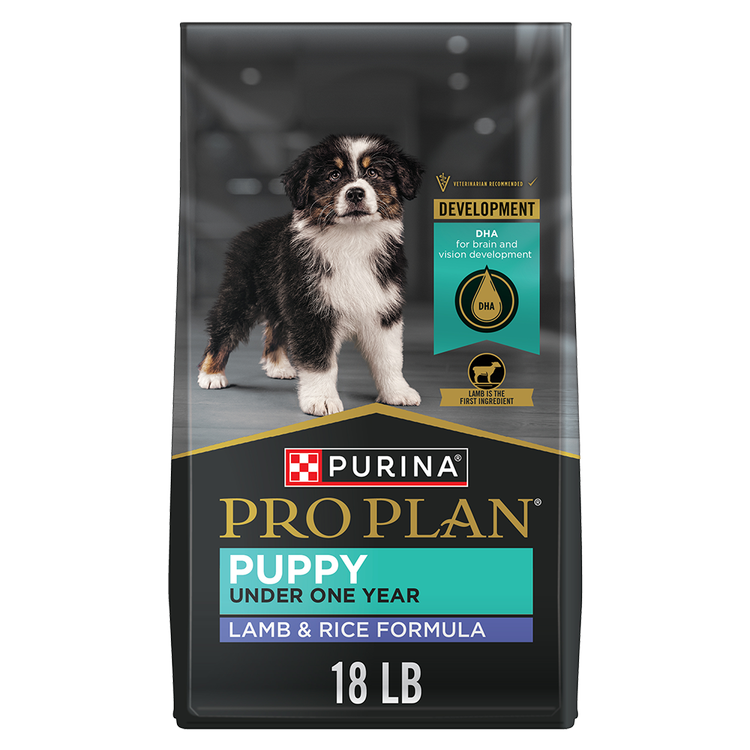
Credit: www.purina.com
Puppy Food Vs Adult Dog Food
Puppy food and adult dog food serve different purposes in a dog’s life. Puppies need extra nutrients for growth and development. Adult dogs require balanced nutrition to maintain health and energy. Feeding adult dogs with puppy food might cause health issues over time. Understanding the differences helps in choosing the right food for your dog.
Key Nutritional Differences
Puppy food has higher levels of vitamins and minerals. These support bone growth and brain development. Adult dog food contains nutrients to maintain body functions. It focuses on joint health and immune support. The nutrient balance in each formula matches the dog’s life stage needs.
Calorie Content And Weight Impact
Puppy food has more calories per serving. This energy supports active growth and play. Adult dogs eating puppy food may gain extra weight. Excess calories can lead to obesity and health problems. Adult dog food provides fewer calories to maintain healthy weight.
Protein And Fat Levels
Puppy food contains higher protein and fat levels. These help build muscles and store energy. Adult dog food has moderate protein and fat to avoid weight gain. Too much protein and fat can strain adult dogs’ organs. Proper levels keep adult dogs healthy and active.
Effects Of Puppy Food On Adult Dogs
Puppy food has more calories and nutrients made for growing dogs. Feeding it to adult dogs can cause weight gain and digestive issues. Adult dogs need a balanced diet suited to their age and activity level.
Understanding the effects of puppy food on adult dogs is crucial for any pet owner aiming for optimal pet health. Puppy food is crafted with a specific nutritional profile to support rapid growth and development, which may not suit the needs of an adult dog. Feeding your adult dog puppy food might seem harmless, but it could lead to unforeseen health issues over time.Potential Weight Gain
Puppy food is higher in calories and fats to fuel a young dog’s energetic lifestyle. When adult dogs consume these extra calories, it can quickly lead to weight gain. You might notice your dog becoming sluggish or less active, which is often a sign of excess weight. Regularly check your dog’s weight and adjust their diet as needed to maintain a healthy balance.Digestive Issues
The rich composition of puppy food can overwhelm an adult dog’s digestive system. This can lead to symptoms like diarrhea, bloating, or even vomiting. If you’ve ever experienced an upset stomach, you know how uncomfortable it can be. Similarly, your dog might become lethargic or irritable due to these digestive troubles.Long-term Health Risks
Continuing to feed puppy food to adult dogs can set the stage for more serious health issues. Over time, the imbalance in nutrients can affect their heart, kidneys, and overall metabolism. Imagine the stress of dealing with preventable health problems simply because of the wrong diet. It’s worth considering if the convenience is worth the potential risk to your pet’s long-term health. By paying close attention to these effects, you can make informed decisions about your dog’s diet. Are you ready to provide your adult dog with the nutrition they truly need? Prioritize their health today for a happier, longer life together.When Is Puppy Food Acceptable For Adults?
Understanding when puppy food is acceptable for adult dogs can help you make better decisions about your pet’s diet. While adult dogs usually need different nutrition than puppies, certain situations call for the extra nutrients found in puppy formulas. Knowing these exceptions can keep your dog healthy and thriving without unnecessary diet changes.
Special Health Conditions
Some adult dogs face health challenges that require a richer diet. Puppy food contains higher protein and fat levels, which can support dogs recovering from illness or surgery. If your vet recommends it, feeding puppy food temporarily can help your dog regain strength faster.
Consider dogs with digestive issues or those who struggle to maintain weight. Puppy food’s dense nutrients can provide the extra calories they need without increasing food volume. Have you noticed your dog losing weight despite eating regularly? It might be worth discussing with your vet if a puppy diet could help.
Growth Recovery Phases
Adult dogs recovering from growth setbacks or malnutrition may benefit from puppy food. These recovery phases demand more energy and building blocks to rebuild muscle and tissue effectively. Puppy food supports this with a balanced mix of vitamins, minerals, and proteins.
If your dog was rescued from neglect or has had a long illness, switching to puppy food can be a smart move. It’s not about keeping them on puppy food forever but giving them a nutritional boost during critical recovery. How often do you assess your dog’s recovery progress with your vet to adjust their diet accordingly?
Signs Your Dog Needs A Diet Change
Recognizing when your dog needs a diet change is crucial for their health. Adults fed puppy food might face nutritional imbalances. These imbalances often show through clear signs. Observing your dog’s behavior and physical state helps identify problems early.
Behavioral And Physical Symptoms
Changes in behavior or physical health often signal dietary issues. Watch for:
- Low energy or excessive tiredness during play or walks
- Increased thirst or frequent urination
- Unusual weight gain or loss within a short time
- Dry, flaky skin or dull fur coat
- Digestive problems like vomiting or diarrhea
- Excessive scratching or signs of allergies
These symptoms suggest the current food might not meet adult dog needs. Switching to a proper adult diet can improve these signs.
Veterinary Recommendations
A vet provides the best advice on diet changes. They can:
- Conduct health exams to identify nutritional gaps
- Recommend specific adult dog food formulas
- Suggest supplements if needed for balanced nutrition
- Offer guidance on transitioning foods safely
- Monitor progress after diet changes
Regular vet visits ensure your dog stays healthy and happy. Follow their guidance for lasting results.
Choosing The Right Food For Your Dog
Choosing the right food for your dog is more than just picking a bag off the shelf. It’s about understanding what your dog truly needs to stay healthy and happy. Adult dogs have different nutritional requirements than puppies, so feeding them the right diet matters a lot.
Reading Labels Effectively
Labels on dog food can be confusing, but knowing how to read them makes a big difference. Look for clear information about protein sources—real meat should be near the top of the ingredient list. Avoid foods with vague terms like “meat by-products” or excessive fillers such as corn and wheat.
Check the guaranteed analysis section for percentages of protein, fat, fiber, and moisture. High protein and moderate fat are usually good for adult dogs. Watch out for added sugars or artificial preservatives that add nothing but harm.
Balancing Nutrients
Your dog’s food should provide a balanced mix of protein, fats, carbohydrates, vitamins, and minerals. Adult dogs don’t need as many calories or as much fat as puppies do, so a food designed specifically for adults helps prevent weight gain and other health issues.
Think about your dog’s lifestyle and health condition. Is your dog very active, or more sedentary? Adjusting the nutrient balance accordingly can keep your dog in optimal shape. Don’t overlook the importance of omega fatty acids for coat and skin health, or fiber for digestion.
Consulting With Professionals
Have you ever felt overwhelmed by all the dog food options? Talking with your vet can clear up confusion and tailor recommendations to your dog’s unique needs. They can help you spot any nutritional gaps or health concerns that affect diet choices.
Nutritionists or pet dietitians are another valuable resource if your dog has special dietary requirements or allergies. Their expert advice can save you time, money, and worry while ensuring your dog’s food supports a long, healthy life.
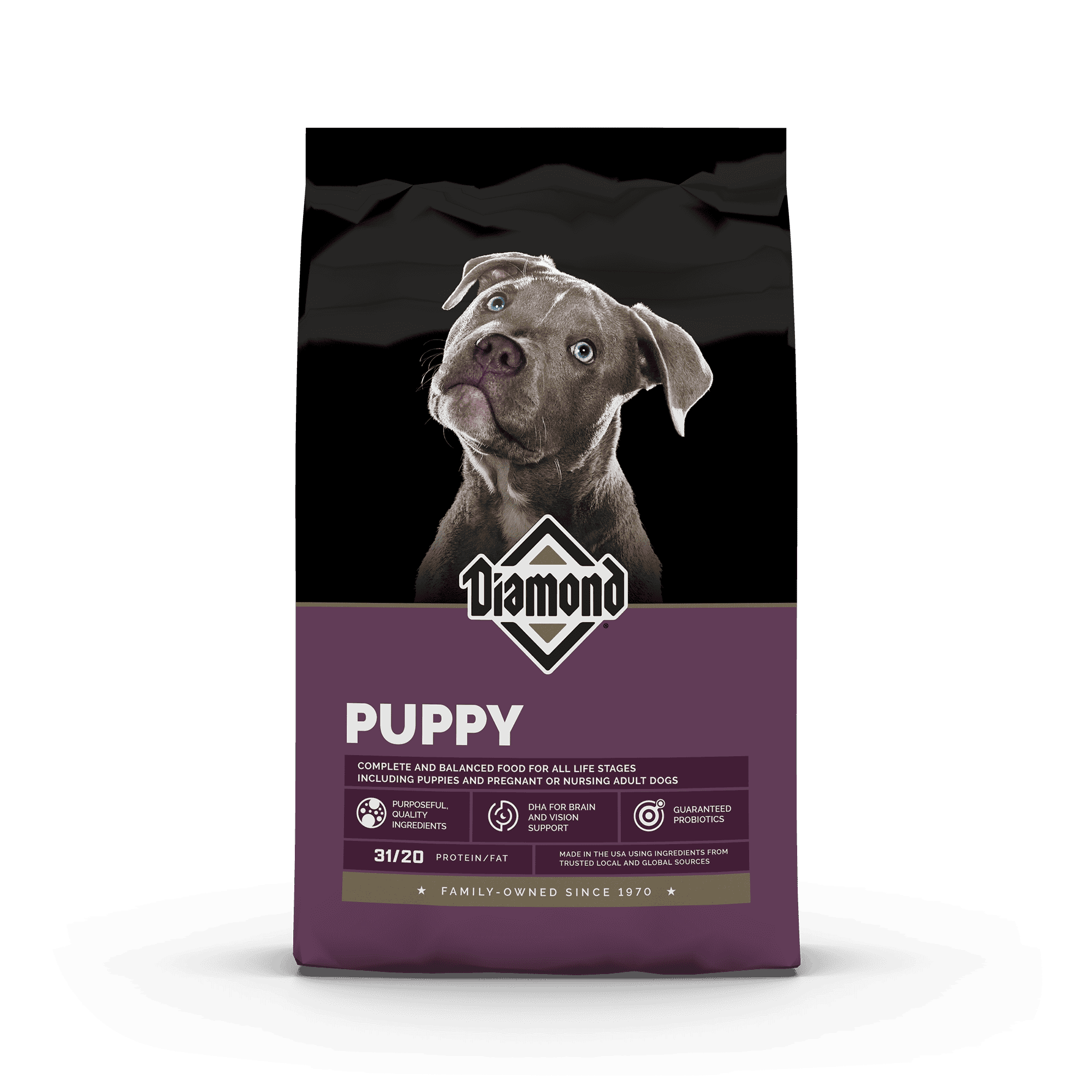
Credit: www.diamondpet.com
Common Myths About Puppy Food For Adults
Puppy food and adult dog food have different formulas made for different life stages. Many pet owners get confused about feeding adults with puppy food. This section clears up common myths about giving puppy food to adult dogs. Understanding these myths helps you make better choices for your pet’s health.
Myth: Puppy Food Is Always Better
Puppy food contains more calories and nutrients for growth. Adult dogs do not need as many calories. Feeding puppy food to adults can cause weight gain and health problems. Adult dog food is designed to keep dogs healthy without extra calories. Puppy food is not always the best choice for adult dogs.
Myth: Small Dogs Can Stay On Puppy Food
Small dogs grow faster but still need adult food after puppyhood. Puppy food has high protein and fat that can be too much for adults. Long-term feeding of puppy food to small dogs can lead to obesity and digestive issues. Switching to adult food supports their energy needs without extra weight.
Myth: Switching Food Causes Allergies
Food allergies come from specific ingredients, not from switching foods. Gradual food changes help avoid stomach upset but do not cause allergies. Allergies show as itching, redness, or digestive problems. Choosing hypoallergenic or limited ingredient foods can help if allergies occur.

Credit: www.petscare.com
Frequently Asked Questions
Is Puppy Food Harmful To Adult Dogs?
Puppy food is not harmful but may cause weight gain. It has extra calories and nutrients meant for growing puppies. Adult dogs need balanced nutrition with fewer calories to maintain healthy weight.
Can Adult Dogs Digest Puppy Food Properly?
Yes, adult dogs can digest puppy food. However, its higher fat and protein content may be harder to process for some adults. It’s best to feed age-appropriate food for optimal digestion and health.
What Are Risks Of Feeding Puppy Food To Adults?
Feeding puppy food to adult dogs long-term can lead to obesity and nutrient imbalance. Excess calcium and protein may stress kidneys and cause joint issues. Always choose food based on your dog’s life stage.
How To Transition From Puppy To Adult Dog Food?
Gradually mix adult food into puppy food over 7-10 days. This minimizes digestive upset and helps your dog adapt to new nutrients. Monitor your dog’s weight and health during the transition.
Conclusion
Feeding adult dogs puppy food can cause health problems. Puppy food has more calories and nutrients than adults need. This may lead to weight gain and digestive issues. Adult dogs do best on food made for their age. Check with your vet to choose the right diet.
Healthy food helps your dog stay active and happy. Always watch your dog’s weight and energy levels. Good nutrition supports a long, healthy life. Choose wisely for your furry friend’s well-being.