
Are you wondering when the right time is to switch your furry friend to adult blend dog food? Choosing the perfect moment can feel confusing, but it’s key to keeping your dog healthy and happy.
Feeding your dog the right food at the right age supports their growth, energy, and overall well-being. You’ll discover exactly when to make the change and why it matters for your dog’s health. Keep reading to ensure you’re giving your best friend the nutrition they deserve at every stage of life.
When To Switch To Adult Blend
Switching your dog to adult blend food is an important step in their growth. Choosing the right time helps maintain their health and energy. Adult blend food has nutrients suited for mature dogs. It supports their activity and body needs as they grow older.
Knowing when to switch depends on your dog’s development and breed size. Watching for signs of readiness ensures a smooth change in diet. Feeding the right food at the right age keeps your dog happy and strong.
Signs Your Dog Is Ready
- Your dog’s puppy teeth are falling out.
- They show slower growth but stable weight.
- Energy levels become more steady, less hyperactive.
- They start losing the “puppy fluff” coat.
- Digestive system handles solid food better.
These signs indicate your dog’s body is maturing. Switching now helps meet their changing nutritional needs.
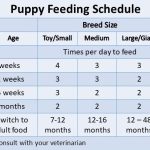
Age Guidelines By Breed Size
| Breed Size | Recommended Age to Switch |
|---|---|
| Small Breeds (under 20 lbs) | 9 to 12 months |
| Medium Breeds (20-50 lbs) | 12 months |
| Large Breeds (50-100 lbs) | 12 to 18 months |
| Giant Breeds (over 100 lbs) | 18 to 24 months |
Breed size influences growth speed. Smaller dogs mature faster than larger ones. Adjust feeding time based on your dog’s breed and development.

Credit: jiminys.com
Benefits Of Adult Blend Food
Adult blend dog food offers a balanced diet designed specifically for grown dogs. It supports their daily energy and health needs with the right mix of nutrients. Choosing the right food helps maintain your dog’s overall well-being and keeps them active.
Nutritional Needs For Adult Dogs
Adult dogs need a mix of proteins, fats, and carbohydrates. Proteins help build and repair muscles. Healthy fats provide energy and keep skin shiny. Carbohydrates give the fuel needed for daily activities. Vitamins and minerals strengthen the immune system and bones. Adult blend foods are made to meet these exact needs.
Supporting Health And Vitality
Adult blend food supports a healthy weight and strong muscles. It contains antioxidants that protect cells from damage. This food also promotes good digestion with fiber and probiotics. Proper nutrition improves energy levels and mental alertness. Feeding adult blend food helps your dog stay lively and healthy for years.
Transitioning Your Dog’s Diet
Transitioning your dog’s diet from puppy to adult food is crucial. It ensures they receive the proper nutrients for their age. Puppies need different nutrients than adult dogs. A gradual switch prevents digestive issues. Pay attention to your dog’s age and breed. Generally, dogs transition to adult food around 12 months. Large breeds may need longer on puppy food. Monitor your dog’s health during this period.
Step-by-step Transition Plan
Switch your dog’s food gradually over a week. Begin by mixing 25% adult food with 75% puppy food. Increase the adult food portion to 50% after three days. After two more days, mix 75% adult food with 25% puppy food. Finally, switch entirely to adult food by day seven. Observe your dog for any discomfort or digestive issues.
Common Challenges And Tips
Some dogs may resist new food. Introduce the new blend slowly. Ensure the food is fresh and appealing. If your dog experiences digestive issues, slow the transition. Consult a vet if problems persist. Be patient and persistent. Your dog’s health is the priority.
Choosing The Right Adult Blend Food
Choosing the right adult blend food for your dog is more than just picking the first option on the shelf. It’s about understanding what your dog truly needs at this stage of life. Selecting a balanced diet helps maintain their health, energy, and happiness as they transition from puppyhood to adulthood.
Ingredients To Look For
High-quality protein should be at the top of your dog’s adult food ingredient list. Look for named meat sources like chicken, beef, or fish instead of vague terms like “meat by-products.”
Whole grains such as brown rice and oats provide steady energy and fiber. Vegetables like sweet potatoes, carrots, and peas add essential vitamins and minerals.
Don’t forget omega fatty acids from sources like fish oil or flaxseed; they support a shiny coat and healthy skin. Probiotics and antioxidants are also great additions that boost digestion and immunity.
Avoiding Harmful Additives
Check the label carefully for artificial colors, flavors, or preservatives. Ingredients like BHA, BHT, and ethoxyquin can be harmful over time and offer no nutritional value.
Excess fillers such as corn, wheat, and soy may cause allergies or digestive issues in some dogs. If your dog has shown sensitivity before, steer clear of these.
Be cautious with foods containing too many unnamed ingredients or vague terms like “animal digest.” These often hide low-quality fillers and by-products that don’t support your dog’s health.
Have you ever noticed your dog’s reaction after switching foods? Paying attention to their energy levels, coat condition, and digestion can help you spot if an ingredient is working or causing issues.
Special Considerations
Feeding your dog an adult blend food at the right age involves more than just hitting a milestone. Certain special considerations can affect whether this transition is smooth or if adjustments are necessary. Understanding these nuances helps you make the best choice for your dog’s health and happiness.
Senior Dogs And Adult Blend
Senior dogs often require diets tailored to their changing metabolism and health concerns. Adult blend food might be too rich or not balanced enough for older dogs dealing with joint issues or kidney sensitivity.
Keep an eye on your senior dog’s energy levels and weight after switching to adult blend food. If you notice stiffness or digestive upset, consider foods formulated specifically for senior needs.
Have you checked with your vet about the nutrient content suitable for your aging dog? Sometimes, adding supplements or mixing foods can better support their stage of life.
Puppies With Unique Needs
Not all puppies grow at the same pace or have the same nutritional needs. Some breeds or individual pups might need to stay on puppy-specific formulas longer than others.
If your puppy has allergies, digestive issues, or is underweight, switching too early to an adult blend could hinder their growth. Always watch for signs like lack of energy or poor coat quality.
Have you considered consulting a vet to customize your puppy’s diet? A tailored feeding plan might involve blending puppy and adult foods to meet unique requirements.
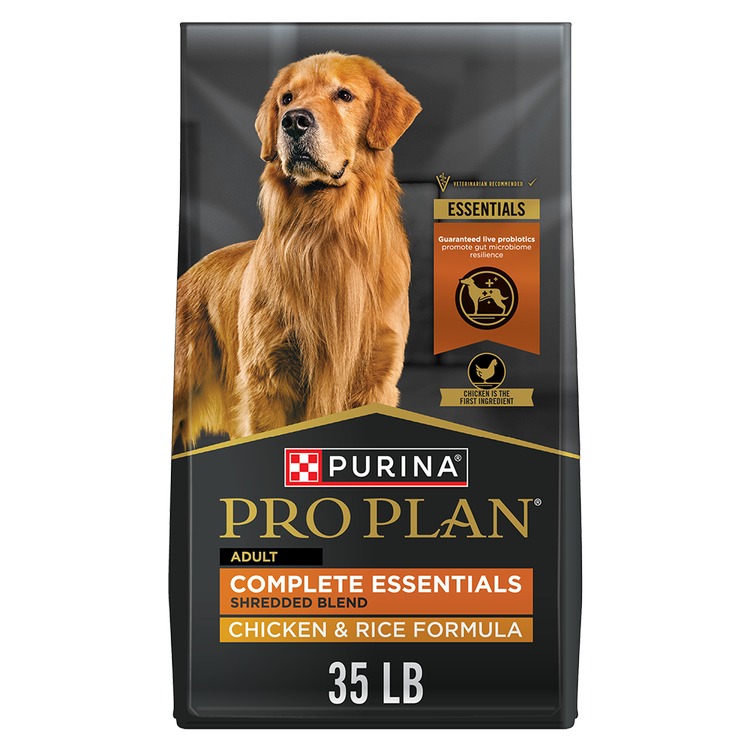
Credit: www.purina.com
Consulting Your Veterinarian
Deciding the right time to switch your dog to adult blend food can feel confusing. Your veterinarian is the best guide to help you make this transition safely. They understand your dog’s unique needs and can provide advice that fits their age, breed, and health status.
When To Seek Professional Advice
If your dog is approaching one year old, it’s a good moment to check in with your vet. Some breeds mature faster or slower, so age alone isn’t always the best indicator. Changes in appetite, weight, or energy levels also signal the need for a vet’s input before changing food.
Unexpected health issues like allergies or digestive problems call for immediate consultation. Waiting too long can make these problems worse or delay proper treatment. Have you noticed any unusual symptoms in your dog lately? Sharing these observations with your vet can help tailor the diet plan.
Tailoring Diet To Your Dog’s Health
Every dog’s health story is different. Your vet can recommend an adult blend formula that supports specific needs such as joint health, skin condition, or weight management. This personalized approach ensures your dog stays healthy and happy.
Sometimes, vets suggest mixing the current puppy food with adult food gradually to avoid stomach upset. They may also advise supplements or special ingredients to boost your dog’s wellbeing. How often do you review your dog’s diet with your vet? Regular check-ups can prevent nutrition gaps and keep your dog thriving.
Credit: www.gianteagle.com
Frequently Asked Questions
When Should I Start Feeding Adult Blend Dog Food?
Begin feeding adult blend dog food when your dog reaches one year old. This marks their transition from puppy to adult nutrition needs.
Can Large Breeds Eat Adult Blend Food Earlier?
Large breeds may switch to adult blend food between 12 to 18 months. Consult your vet to determine the best timing for your dog.
What Are The Benefits Of Adult Blend Dog Food?
Adult blend food supports healthy weight, energy, and digestion. It contains balanced nutrients suited for adult dogs’ metabolism and activity levels.
Is Adult Blend Food Suitable For All Dog Sizes?
Yes, adult blend dog food is formulated for all sizes. However, check the package for size-specific formulas to meet your dog’s needs.
Conclusion
Choosing the right time to feed adult blend dog food helps your pet stay healthy. Most dogs switch to adult food around one year old. Watch your dog’s size, energy, and health for signs. Feeding the right food supports growth and strong bones.
Always check with your vet if unsure about the switch. Good nutrition gives your dog a happy, active life. Keep your dog’s needs in mind for the best results. Healthy feeding habits make a big difference every day.