
Are you wondering if a grain free diet is the right choice for your dog? With so many options out there, it’s easy to feel confused about what’s truly healthy for your furry friend.
You want the best for your dog’s health, energy, and happiness. But does cutting out grains really make a difference, or could it cause more harm than good? Keep reading to discover the surprising facts about grain free diets and how they might affect your dog’s well-being.
Your dog’s health depends on the choices you make today—let’s make sure they’re the right ones.
Grain Free Diets Explained
Grain-free diets for dogs have gained popularity over the past few years, often touted as a healthier option for our four-legged friends. But what exactly does a grain-free diet entail, and is it truly beneficial for your dog? Let’s dive into the details and uncover the facts surrounding this dietary trend.
What Is A Grain Free Diet
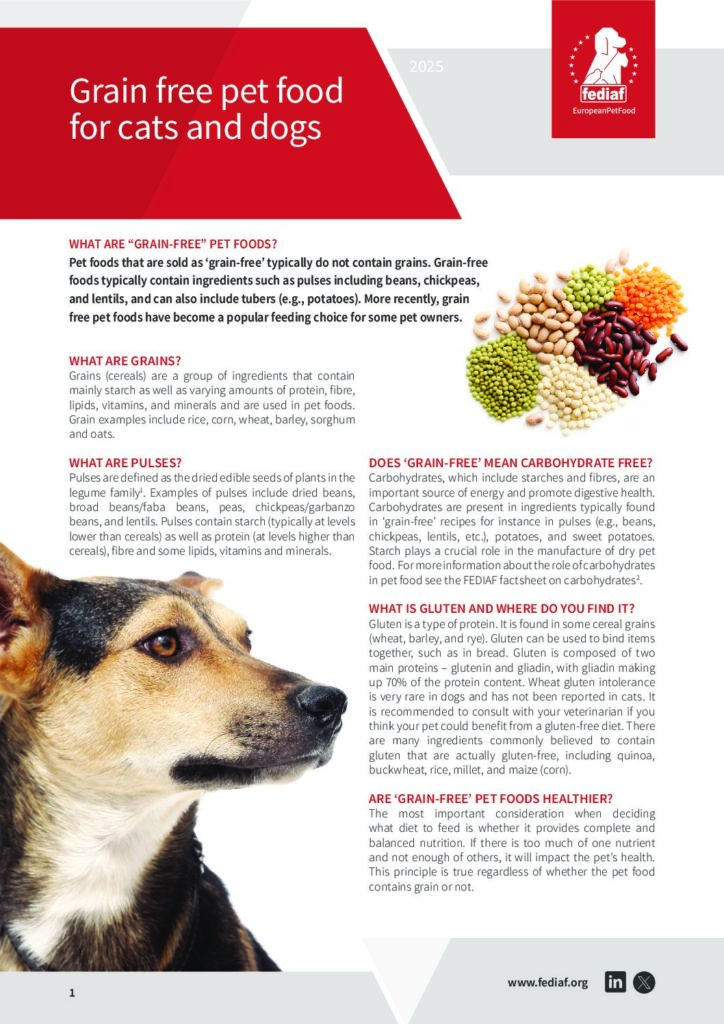
A grain-free diet for dogs is simply one that excludes all grains, such as wheat, corn, rice, barley, and oats. This type of diet is often recommended for dogs with specific allergies or sensitivities to grains. However, it’s not just about removing grains; it’s about ensuring that your dog receives balanced nutrition from other sources.
Grains are typically replaced with alternative carbohydrate sources like sweet potatoes or peas. But does removing grains automatically make a diet healthier for your dog? This is a question many pet owners grapple with. It’s essential to consider your dog’s unique dietary needs before making the switch.
Common Ingredients In Grain Free Dog Food
Grain-free dog foods often use a variety of ingredients to replace the nutrients grains provide. Some common replacements include:
- Sweet potatoes: A rich source of dietary fiber and vitamins, offering a sweet taste that many dogs enjoy.
- Peas: Provide protein and fiber, making them a popular choice in grain-free formulas.
- Lentils: Packed with protein and iron, they are a nutritious addition to your dog’s diet.
- Chickpeas: Offer protein and fiber, contributing to a well-rounded diet.
Protein sources in grain-free diets can also vary widely, from traditional options like chicken and beef to more novel proteins such as duck or venison. This variety can be beneficial for dogs with protein allergies, offering you alternatives to explore.
When choosing a grain-free diet, always read the ingredient list and nutritional information. Is your dog getting a complete and balanced diet? Ensure there’s an adequate balance of proteins, fats, and carbohydrates to support their overall health.
Credit: europeanpetfood.org
Potential Benefits For Dogs
Grain free diets may offer several benefits for dogs. These diets focus on removing grains like wheat, corn, and rice. Many dog owners choose grain free food to support their pets’ overall health. These diets can help with certain health issues and improve well-being.
Allergy And Sensitivity Relief
Grains can cause allergies or sensitivities in some dogs. Symptoms include itching, redness, and ear infections. Grain free diets reduce exposure to common allergens. This can lead to less itching and fewer skin problems. Dogs with food sensitivities may feel more comfortable and active.
Improved Digestion And Energy
Grain free diets often use alternative carbohydrates like sweet potatoes. These ingredients are easier to digest for some dogs. Better digestion means less stomach upset and firmer stools. Dogs may also gain more energy from these nutrient sources. Active dogs can benefit from this improved energy level.
Health Risks And Concerns
Choosing a grain free diet for your dog might seem like a healthy option, but it comes with some health risks and concerns you should understand. Not all grain free foods are created equal, and some could impact your dog’s wellbeing in unexpected ways. Let’s look closely at what these risks mean for your furry friend.
Connection To Heart Disease
Some grain free diets have been linked to a condition called dilated cardiomyopathy (DCM), a serious heart disease in dogs. This connection surprised many pet owners and vets because DCM was mostly seen in certain breeds before.
Scientists believe the issue might be related to low levels of taurine, an important amino acid, in some grain free foods. Taurine helps keep the heart muscle strong. If your dog’s diet lacks taurine or ingredients that help produce it, you might see signs of heart problems.
Have you noticed your dog getting tired more easily or coughing? Those could be early signs of heart trouble. It’s important to discuss your dog’s diet with your vet, especially if you feed grain free food regularly.
Nutritional Deficiencies
Grain free diets often replace grains with other ingredients like potatoes or peas. While these can provide energy, they might not offer all the nutrients your dog needs.
Some grain free foods may lack essential vitamins, minerals, or fiber, which can cause digestive issues or weaken your dog’s immune system. For example, fiber is crucial for healthy digestion, and its absence can lead to constipation or irregular bowel movements.
Think about how your dog’s energy levels and coat condition change with their diet. A dull coat or low energy could signal missing nutrients. Checking the ingredient list and nutritional content can help you avoid these problems.
Credit: wefeedraw.com
Veterinary Perspectives
Veterinary insights offer a crucial perspective on grain free diets for dogs. These professionals base their opinions on clinical evidence and real-world outcomes, providing a balanced view that goes beyond marketing claims. Understanding their stance helps you make informed choices about your dog’s nutrition.
Expert Opinions On Grain Free Diets
Many veterinarians agree that grain free diets are not inherently healthier for all dogs. Some dogs do benefit, especially those with diagnosed grain allergies or intolerances, but these cases are relatively rare.
Veterinarians often caution against switching to grain free foods without proper diagnosis. They emphasize that eliminating grains does not automatically mean a diet is better or more natural.
Some experts highlight recent studies linking certain grain free diets to heart conditions like dilated cardiomyopathy (DCM) in dogs. This has led to increased scrutiny and calls for more research.
When To Consider Alternative Diets
You should consider alternative diets if your dog shows symptoms like chronic digestive upset, unexplained skin issues, or signs of food allergies. Always get a veterinary evaluation before making changes.
Veterinarians recommend alternative diets primarily for dogs with specific health problems, not as a general rule. If your dog thrives on a conventional diet, there may be no need to switch.
Have you noticed your dog reacting poorly to their current food? Discussing these observations with your vet can help determine if a grain free diet or another alternative is right.
Choosing The Right Dog Food
Choosing the right dog food is essential for your pet’s health and happiness. Not all dog foods suit every dog. Some dogs need special diets due to allergies or health issues. Grain free diets have gained popularity, but careful selection is key. Understanding what goes into the food helps you make better choices for your dog’s nutrition and well-being.
Reading Labels And Ingredients
Labels provide important information about dog food contents. Look for clear ingredient lists. Ingredients are listed by weight, from highest to lowest. The first ingredients should be quality proteins like chicken or fish.
Watch for fillers like corn, wheat, or soy if avoiding grains. Check for added vitamins and minerals. Avoid foods with too many artificial colors or preservatives. Grain free does not always mean healthier. Some grain free foods use potatoes or peas as fillers, which can affect digestion.
Balancing Nutritional Needs
Dogs need a balanced diet with proteins, fats, and carbohydrates. Proteins build muscles and support the immune system. Fats provide energy and help absorb vitamins. Carbohydrates supply fuel and fiber for digestion.
Ensure the food meets your dog’s life stage needs: puppy, adult, or senior. Each stage has different nutrient requirements. Talk to your vet about your dog’s specific health needs. Balance is more important than avoiding grains alone.
Homemade Vs. Commercial Grain Free Options
Choosing between homemade and commercial grain free dog foods can feel overwhelming. Both options have their benefits and drawbacks, depending on your dog’s needs and your lifestyle. Understanding these differences can help you make a better decision for your furry friend’s health and happiness.
Pros And Cons Of Homemade Meals
Preparing grain free meals at home gives you full control over ingredients. You can avoid additives and fillers, and tailor the diet to your dog’s preferences or allergies.
However, making balanced meals requires knowledge and time. Without proper guidance, your dog might miss out on essential nutrients, which could lead to health issues later.
Think about your schedule: can you consistently prepare fresh, balanced meals? If not, the risk of nutritional gaps increases.
- Pros:Customizable, fresh ingredients, no preservatives
- Cons:Time-consuming, risk of imbalance, requires nutritional knowledge
Quality Checks For Store-bought Foods
Commercial grain free dog foods offer convenience and consistency. Still, not all products are created equal, so checking quality is crucial.
Look for brands that list real meats and vegetables as primary ingredients. Avoid foods with excessive fillers, artificial colors, or vague terms like “meat meal.”
Check if the brand follows AAFCO guidelines and has undergone feeding trials. Customer reviews and vet recommendations can also guide you.
- Real, identifiable ingredients listed first
- Clear nutritional adequacy statements
- Transparent sourcing and manufacturing practices
- Positive feedback from pet owners and professionals
Would you rather spend time cooking or trust a vetted product? Your choice shapes your dog’s health every day.
Monitoring Your Dog’s Health
Keeping an eye on your dog’s health after switching to a grain-free diet is essential. Changes in diet can affect your dog in subtle ways that you might not notice at first. Observing their behavior and physical condition helps you catch any issues early and ensure they’re thriving.
Signs To Watch For
Look out for changes in your dog’s energy levels. Are they suddenly more tired or restless? Appetite shifts can also signal a problem—either eating less or more than usual.
Check their skin and coat regularly. Dryness, itching, or hair loss might indicate a nutritional imbalance. Digestive symptoms like vomiting, diarrhea, or constipation deserve immediate attention too.
Notice their weight carefully. Grain-free diets can sometimes lead to unexpected weight gain or loss. Keep a weekly log to track any changes that seem unusual.
Regular Vet Checkups
Schedule frequent vet visits during the transition to a grain-free diet. Your vet can perform blood tests to monitor organ function and nutrient levels. These tests help catch any hidden issues before they become serious.
Discuss your dog’s diet openly with your vet. Share what brand and type of grain-free food you’re using. Ask if supplements might be necessary to fill any nutritional gaps.
Don’t skip routine vaccinations and dental checkups either. Healthy teeth and a strong immune system support overall well-being and can reveal early signs of dietary problems.
Credit: wefeedraw.com
Frequently Asked Questions
What Are Grain Free Diets For Dogs?
Grain free diets exclude grains like wheat, corn, and rice from dog food. They focus on proteins and vegetables instead. These diets aim to reduce allergies and improve digestion in sensitive dogs.
Are Grain Free Diets Better For Dog Allergies?
Grain free diets can help dogs with grain allergies or sensitivities. However, not all dogs benefit, and some may need specific ingredient adjustments. Consult your vet to determine if grain free food suits your dog’s allergies.
Can Grain Free Diets Cause Health Problems?
Some studies link grain free diets to heart issues like dilated cardiomyopathy (DCM) in dogs. This risk depends on diet quality and ingredient balance. Always choose vet-approved formulas and monitor your dog’s health closely.
How Do I Switch My Dog To A Grain Free Diet?
Switch gradually over 7-10 days by mixing increasing amounts of grain free food with current food. This helps prevent digestive upset. Watch for changes in stool, energy, and skin condition during transition.
Conclusion
Grain free diets for dogs have both pros and cons. Some dogs may benefit from avoiding grains. Others might need grains for good nutrition and energy. Talk to your vet before changing your dog’s diet. Watch your dog’s health and behavior closely.
Every dog is different, so choose food carefully. Balanced nutrition matters most for a happy, healthy dog. Keep learning and stay informed about your pet’s needs.