
Are you wondering when your furry friend will finally be potty trained? Knowing the right age your dog should be potty trained can save you a lot of frustration and mess.
If you’re tired of accidents around the house and want to enjoy a cleaner, happier home, understanding this timeline is key. You’ll discover what age most dogs get potty trained and the simple steps you can take to make the process smoother for both you and your pup.
Keep reading—you’re closer to stress-free pet ownership than you think!
When Puppies Start Potty Training
Potty training is an important milestone for puppies and their owners. It sets the foundation for good habits and a clean home. Puppies begin to learn this skill at a young age, but the exact time varies. Understanding when puppies start potty training helps owners prepare and support their pets effectively.
Typical Age For Potty Training
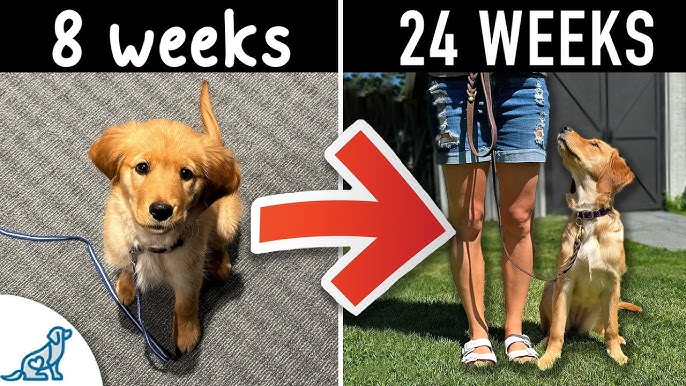
Puppies usually start potty training between 12 and 16 weeks old. At this age, they gain better bladder control. Their muscles become stronger, allowing them to hold their urine longer.
Some puppies may begin earlier, around 8 weeks, while others need more time. Patience is essential during this phase. Consistent routines encourage puppies to understand where to go.
Early Signs Of Readiness
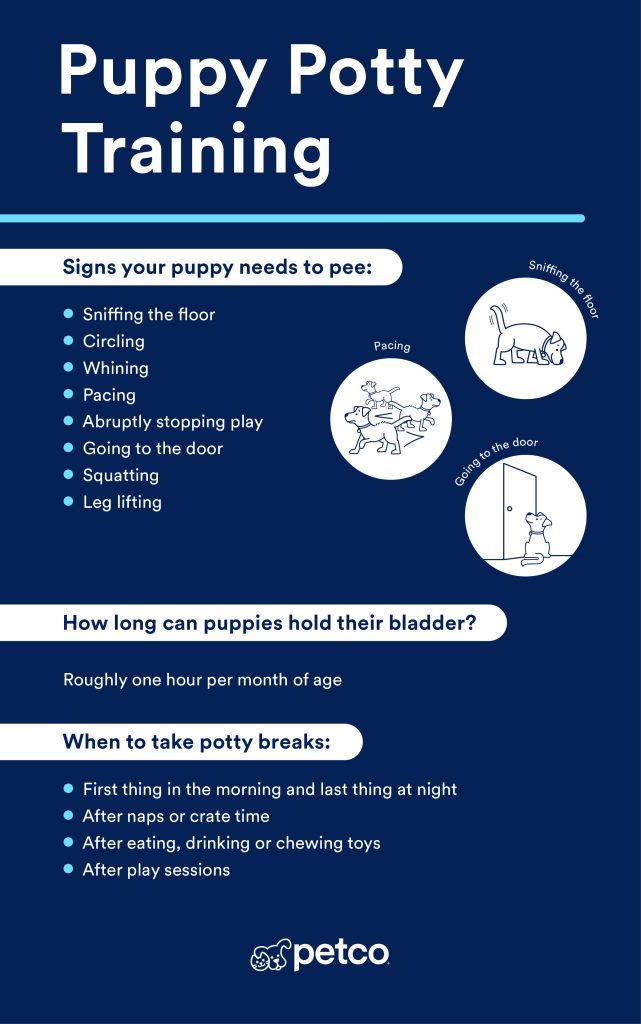
Watch for signs that show your puppy is ready for potty training. These include:
- Sniffing around or circling before going
- Sudden pauses during play to find a spot
- Showing discomfort when dirty
- Following you around more closely
- Waking up from naps ready to go outside
Noticing these behaviors means your puppy is learning control. Start training gently and use positive reinforcement. This helps build good potty habits early on.
Credit: m.youtube.com
Key Milestones In Potty Training
Potty training a dog involves several important stages. Each stage helps your dog learn where and when to go. Recognizing these milestones makes training easier and more effective. Understanding these key points helps you know what to expect and how to guide your dog.
First Successful Bathroom Trips
The first time a dog uses the bathroom outside is a big step. This shows your dog understands the new place for potty. Celebrate this success to encourage good habits. It usually happens around 8 to 12 weeks of age.
Reducing Accidents
Accidents will happen but should become less frequent over time. Your dog starts to hold it longer and signals when it needs to go. Consistency in training helps reduce these accidents. Patience and positive feedback are key during this phase.
Consistent Outdoor Habits
Eventually, your dog will develop regular outdoor bathroom habits. This means going outside at similar times daily. Routine helps your dog feel secure and understand expectations. Most dogs reach this stage by 4 to 6 months old.
Factors Affecting Potty Training Age
A dog’s potty training age depends on breed, size, and individual behavior. Smaller dogs may take longer, while consistency speeds up learning. Patience and routine play key roles in successful potty training.
Understanding the age at which a dog is potty trained involves looking at various factors that influence this milestone. While some puppies seem to grasp the concept almost immediately, others may take a bit longer. The journey to a potty-trained pup is unique for every dog, but certain factors consistently impact the timeline.Breed Differences
Different breeds have different temperaments and learning speeds. Some breeds are naturally more eager to please, which can make them easier to train. If you have a Labrador or a Border Collie, you might find them catching on quicker than a more stubborn breed like a Bulldog. Breeds with a strong sense of cleanliness, such as the Poodle, may naturally prefer to keep their living space clean. Conversely, some breeds might require more patience and consistency. Have you noticed your breed’s quirks playing a role in training?Size And Physical Development
The size of your dog can greatly influence how quickly they become potty trained. Smaller breeds generally have smaller bladders, which means they need more frequent bathroom breaks. This can extend the potty training period as they learn to control their urges. Larger breeds may have more physical control, but they also grow at a different pace. Observing your puppy’s physical development can offer clues into their potty training readiness. Are you adjusting your training schedule to match your dog’s size?Training Methods
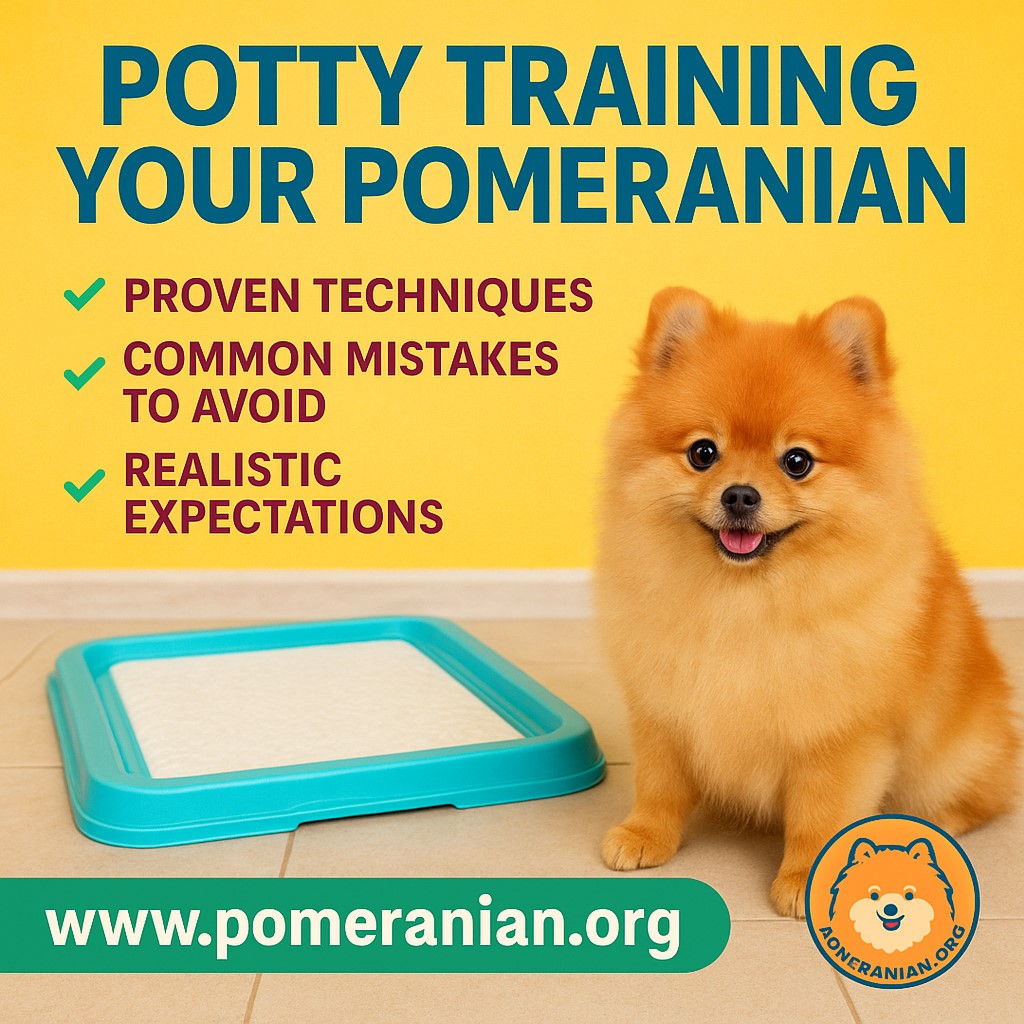
The methods you use in training can make a significant difference. Positive reinforcement, like treats and praise, often leads to quicker results. Consistency is key—sticking to a regular schedule helps your puppy understand expectations. Some dog owners find success with crate training, which uses a dog’s natural instinct to avoid soiling their sleeping area. Alternatively, if you prefer using puppy pads, ensure you’re gradually transitioning to outdoor potty breaks. Have you tried different methods to see what clicks with your pup? Understanding these factors can help set realistic expectations and tailor your approach. After all, each dog is unique, and finding what works best for your furry friend is part of the adventure.
Credit: www.purina.com
Common Challenges In Potty Training
Potty training your dog is often a rollercoaster of progress and setbacks. Even when your pup seems fully trained, challenges can pop up that test your patience and consistency. Recognizing these common obstacles can help you stay on track and avoid frustration during the process.
Regression Periods
Dogs, especially puppies, can suddenly forget their potty training progress. This regression might happen during changes like moving to a new home or after a stressful event. It’s normal, but you need to respond calmly and reinforce training without punishment.
If your dog starts having accidents after months of being reliable, ask yourself if something in their environment has changed. Have you changed feeding times, or has a new pet entered the house? Identifying triggers can help you address the root cause effectively.
Dealing With Accidents
Accidents are a natural part of potty training, but how you handle them matters. Avoid scolding your dog, as it can create fear rather than learning. Instead, clean the area thoroughly and redirect your dog to the appropriate potty spot.
Use positive reinforcement immediately when your dog goes in the right place. Treats, praise, or playtime work wonders. Remember, consistency and patience are your best tools to minimize accidents over time.
Signs Of Potty Training Issues
Sometimes, frequent accidents can signal problems beyond just training. Watch for signs like sudden changes in bathroom habits, straining, or blood in urine. These symptoms might point to health issues like urinary tract infections or digestive problems.
If your dog repeatedly ignores the potty area or shows anxiety around bathroom times, consider consulting a vet or a professional trainer. Early intervention can prevent long-term setbacks and keep your dog comfortable and healthy.
Tips To Speed Up Potty Training
Speeding up potty training helps your dog learn faster and reduces accidents. Consistency and patience are key. Use simple, clear steps to guide your dog. Start with a good plan and stick to it. Here are some effective tips to help your dog potty train quickly.
Creating A Routine
Dogs learn best with a regular schedule. Take your dog outside at the same times daily. Morning, after meals, and before bedtime are good times. A consistent routine helps your dog know when to go. This reduces confusion and accidents inside the house.
Positive Reinforcement
Praise your dog right after they potty outside. Use treats, pets, or a happy voice to reward good behavior. This makes your dog want to repeat the action. Avoid punishing your dog for accidents. Focus on rewarding the right actions to build trust.
Using Crate Training
A crate provides a safe space for your dog. Dogs do not like to soil their sleeping area. Use the crate to teach bladder control. Keep your dog in the crate for short periods. Take them out immediately to potty breaks. This helps your dog hold it longer and learn faster.
Credit: pomeranian.org
When To Seek Professional Help
Potty training a dog usually takes patience and time. Sometimes, challenges appear that need more than simple training. Recognizing when to ask for professional help can save frustration and improve your dog’s progress. Experts can address issues beyond basic training techniques.
Behavioral Concerns
Some dogs show signs of anxiety or fear during potty training. They may hide or avoid going outside. Repeated accidents inside the house can signal deeper problems. Aggression or stubbornness might also block training success. A professional trainer or behaviorist can identify and treat these issues.
Medical Issues Impacting Training
Health problems can cause accidents despite consistent training. Urinary tract infections, bladder stones, or digestive issues may interfere. Puppies with weak muscle control might struggle longer. Regular vet checkups help rule out these causes. Veterinarians can offer treatments or advice to support training.
Frequently Asked Questions
At What Age Do Dogs Typically Get Potty Trained?
Dogs usually start potty training between 4 to 6 months old. Puppies gain better bladder control by this age. Consistent training and patience help speed up the process. Some small breeds may take longer to fully train.
How Long Does Potty Training A Dog Usually Take?
Potty training can take anywhere from a few weeks to several months. It depends on the dog’s age, breed, and training consistency. Regular schedules and positive reinforcement improve success rates. Patience is key during this learning phase.
Can Puppies Be Potty Trained Before 3 Months?
Puppies can begin potty training as early as 8 weeks. However, full control is rare before 3 to 4 months old. Early training builds good habits but requires frequent breaks and supervision. Avoid punishment to encourage positive behavior.
What Are Common Signs A Dog Is Potty Trained?
A potty-trained dog will alert you before needing to go out. They typically wait by the door or use designated spots. The dog will have fewer accidents indoors. Consistent routine and praise reinforce these behaviors over time.
Conclusion
Dogs usually learn potty training between four and six months old. Each dog grows at its own pace. Patience and consistency help your dog learn faster. Use positive rewards to encourage good habits. Keep a regular schedule for bathroom breaks.
Small accidents are normal; do not get upset. Soon, your dog will understand where to go. Enjoy the process and celebrate progress. Potty training builds a strong bond with your pet. Stay calm, and your dog will succeed.