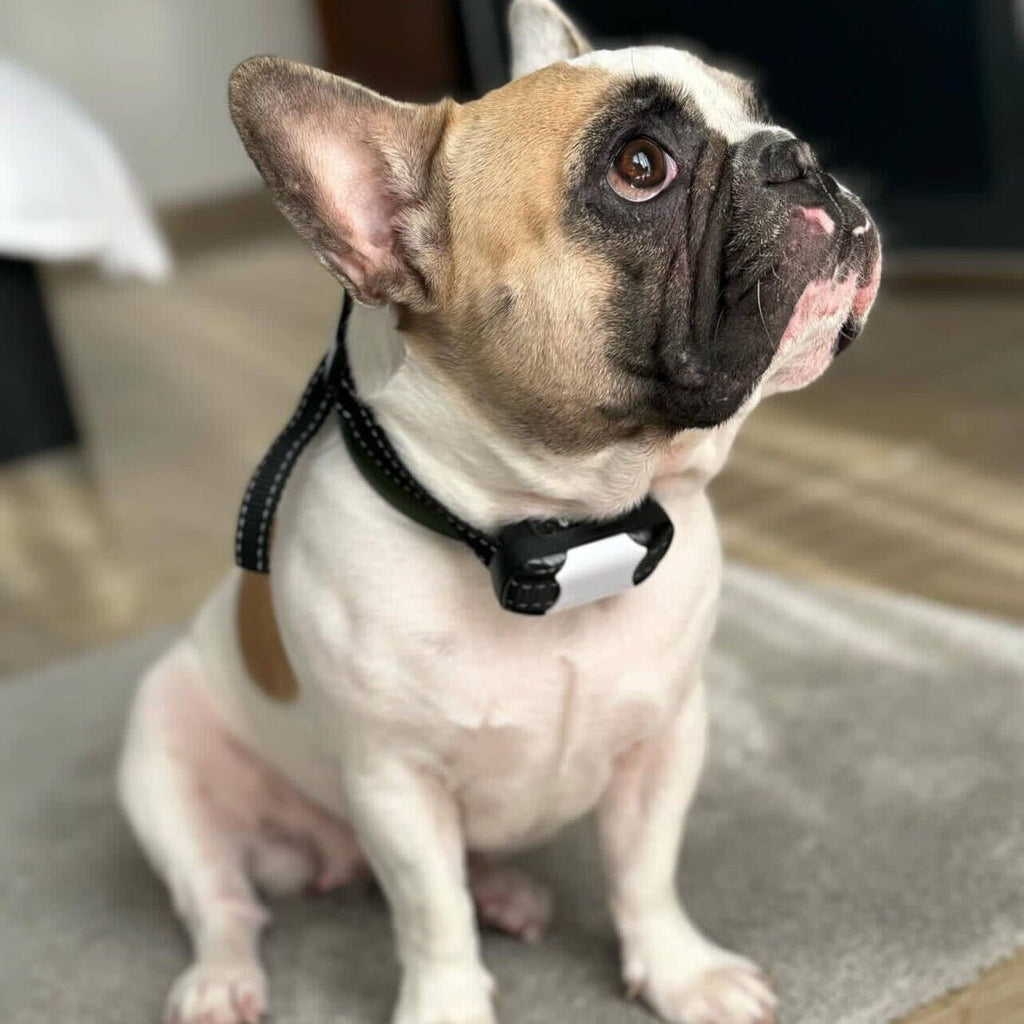

Training your dog can sometimes feel like an uphill battle. If you’ve tried commands and treats but still struggle with your dog’s behavior, a shock collar might seem like a tempting option.
But how do you use it correctly without causing harm or fear? You’ll discover clear, step-by-step guidance on how to shock collar train your dog safely and effectively. By the end, you’ll have the confidence to improve your dog’s behavior while keeping their well-being in mind.
Keep reading—you’re closer than you think to a happier, more obedient companion.

Credit: eileenanddogs.com
Choosing The Right Shock Collar
Choosing the right shock collar is crucial for effective and humane training. The collar you pick can make a big difference in how your dog responds and how comfortable they feel during the process. Understanding what options are available and what features matter most will help you make a smart choice.
Types Of Shock Collars
Shock collars come in several types, each designed for different training needs and dog sizes.
- Static Shock Collars:Deliver a mild electric stimulation. Good for basic correction but can be harsh if not used properly.
- Vibration Collars:Use vibrations instead of shocks. A gentler option for sensitive dogs or beginners.
- Sound and Tone Collars:Emit a beep or tone before the shock, giving your dog a warning. Helps your dog learn to avoid the shock altogether.
- Remote-Controlled Collars:Allow you to control the intensity and timing remotely, offering more precision.
Think about your dog’s temperament and training goals. Would a gentler vibration collar work better, or do you need the control of a remote model?
Features To Consider
Not all shock collars are created equal. Look for features that improve safety and ease of use.
- Adjustable Intensity Levels:Allows you to customize the shock strength. Start low and increase only if necessary.
- Waterproof Design:Essential if your dog loves swimming or playing in the rain.
- Battery Life:Longer battery life means less hassle and more consistent training sessions.
- Safety Features:Automatic shut-off or anti-bark sensors can prevent overcorrection and keep your dog safe.
- Ease of Use:Simple controls help you focus on training, not figuring out the device.
Which feature would make training easier for you and less stressful for your dog?
Sizing And Fit
A collar that fits well is non-negotiable. Too tight can cause discomfort and injury, too loose can fail to deliver the correction properly.
Measure your dog’s neck before buying. Most collars come with adjustable straps, but check the size range carefully.
Consider the weight and build of your dog. A bulky collar may be fine for a large dog but will be cumbersome for a small breed.
Have you noticed your dog reacting negatively to collars in the past? Proper fit could be the reason.
Preparing Your Dog For Training
Preparing your dog for shock collar training is essential for success. It sets the right tone and helps your dog feel safe. Start with patience and care. Understanding your dog’s mood and habits makes training smoother. Gradual introduction reduces stress and builds trust. Clear goals guide every session and track progress.
Assessing Your Dog’s Temperament
Watch how your dog reacts to new tools or sounds. Some dogs are sensitive and shy. Others may be bold or stubborn. Knowing this helps you choose the right training approach. Avoid collars if your dog shows fear or aggression. A calm dog learns faster and with less stress.
Introducing The Collar Gradually
Let your dog wear the collar without turning it on first. This helps your dog get used to the feel. Give treats and praise during this time. Slowly test the collar on low settings. Watch your dog’s reaction closely. Stop if you see signs of discomfort or fear.
Setting Clear Training Goals
Decide what behaviors you want to teach or stop. Keep goals simple and realistic. Examples include walking calmly or coming when called. Write down your goals to stay focused. Celebrate small wins to keep your dog motivated.
Setting Up The Collar Properly
Place the collar snugly around your dog’s neck, ensuring it sits low and fits comfortably. Avoid loose collars to maintain consistent contact and clear signals during training. Check that the contact points touch the skin without causing pain or irritation.
Setting up a shock collar properly is essential for effective training. A well-set collar ensures the safety and comfort of your dog. It also enhances communication between you and your pet. Here, we explore the crucial steps for setting up the collar.Adjusting Stimulation Levels
Start by setting the stimulation to the lowest level. Observe your dog’s reaction to the signal. Increase gradually until you notice a slight response. The goal is a gentle twitch of the ears or a head tilt. Never use a level that causes visible discomfort. This step ensures humane and effective training.Positioning The Collar Correctly
Place the collar snugly around your dog’s neck. It should sit high, near the base of the skull. Ensure it is tight enough to stay in place but loose enough for comfort. You should fit two fingers between the collar and the neck. Proper positioning ensures consistent contact with the skin.Testing Before Use
Before training, test the collar to check its function. Use the test light tool provided with the collar. This ensures the device works correctly and safely. Confirm the remote and collar are synced properly. Testing helps prevent mishaps during training sessions.Basic Training Techniques
Mastering basic training techniques is essential when using a shock collar to ensure your dog learns effectively and safely. These techniques focus on clear communication and timing, which help your dog understand exactly what you expect. Training becomes less about punishment and more about guidance when you apply these principles correctly.
Using Positive Reinforcement
Positive reinforcement makes training more effective and builds trust between you and your dog. Whenever your dog responds correctly, immediately reward them with praise, treats, or playtime. This helps your dog associate good behavior with positive outcomes.
For instance, if your dog stops barking on command after receiving a mild correction, quickly offer a treat. This tells your dog that obeying commands leads to rewards, making them more likely to listen next time. Have you noticed how your dog responds faster when treats are involved?
Timing Your Corrections
Timing is crucial when applying corrections with a shock collar. The correction must happen the instant your dog displays unwanted behavior. Delaying the correction even by a few seconds confuses your dog and weakens the training effect.
Think about when your dog jumps on guests. Applying a quick, gentle correction the moment paws hit the floor helps your dog link the action with the consequence. Have you ever tried waiting too long and noticed your dog didn’t understand why they were corrected?
Combining Commands With Stimulation
Pairing verbal commands with collar stimulation creates a clear signal for your dog. Say the command firmly, like “sit” or “come,” then apply the mild stimulation if your dog does not comply. This combination teaches your dog to connect the command with the action you want.
After a few repetitions, your dog begins to respond to the command alone, reducing the need for stimulation. Does your dog respond better when commands are consistent and paired with clear signals?
Advanced Training Tips
Advanced training with a shock collar requires focus and care. It helps refine your dog’s skills beyond basic commands. These tips improve communication and correct specific issues effectively. Always aim for clear signals and consistent responses.
Addressing Specific Behaviors
Target one behavior at a time for best results. Use the collar to discourage unwanted actions like barking or jumping. Pair the correction with a verbal cue your dog knows. Reward good behavior immediately to reinforce learning. Patience is key; some habits take longer to change.
Using Remote Control Effectively
Keep the remote within easy reach during training sessions. Start with the lowest stimulation setting and increase only if needed. Use short, quick corrections rather than long or continuous ones. Observe your dog’s reaction carefully to avoid distress. Timing is crucial; apply the correction as the unwanted behavior begins.
Avoiding Common Mistakes
- Do not use the collar as punishment after the fact.
- Avoid overusing the shock; it can cause fear or anxiety.
- Never leave the collar on your dog for too long.
- Do not rely solely on the collar; combine with positive training.
- Ensure the collar fits properly to prevent discomfort.
Monitoring Progress And Adjusting
Monitoring your dog’s progress while using a shock collar is key to effective training. It helps you see what’s working and what isn’t. Adjusting your approach based on your dog’s reactions ensures the training stays humane and productive.
Recognizing Success Signs
Look for clear changes in your dog’s behavior. Is your dog responding promptly to commands without hesitation? Are unwanted actions, like excessive barking or jumping, decreasing consistently?
Small victories count. If your dog starts to pause and think before acting, that’s a positive sign. Celebrate these moments—they show your dog is learning and adapting.
Adapting Training Plans
If progress stalls, it’s time to tweak your approach. Maybe the shock levels are too high or too low, or the timing of the stimulus isn’t quite right. Adjust these elements carefully to avoid confusing or stressing your dog.
Try varying the rewards and corrections based on your dog’s personality. Some dogs respond better to praise combined with the collar, while others need more time between corrections. Don’t hesitate to slow down the pace if your dog seems overwhelmed.
When To Seek Professional Help
Not all training challenges can be solved on your own. If your dog shows signs of fear, anxiety, or aggression, professional guidance is crucial. A certified dog trainer can assess the situation and customize a plan that keeps your dog safe and happy.
Ask yourself: Have you given the training enough time but still see no progress? Or has your dog’s behavior worsened? These questions can help you decide when expert help is necessary.
Safety And Ethical Considerations
Using a shock collar to train your dog demands careful attention to safety and ethics. Your dog’s well-being should always come first, ensuring training is both effective and humane. Understanding these considerations helps you build trust and avoid harm, making training a positive experience for both of you.
Avoiding Overcorrection
Overcorrection happens when the shock intensity is too high or applied too often. This can scare or confuse your dog, leading to anxiety or aggression instead of learning.
Start with the lowest stimulation level and only increase it if your dog doesn’t respond. Watch your dog’s body language closely—if they show signs of distress like trembling or cowering, stop immediately.
Remember, the goal is to guide your dog, not punish them. Have you noticed how your dog reacts to different levels? Adjust accordingly to keep the experience safe.
Respecting Your Dog’s Limits
Every dog has a unique tolerance to shock collar training. Some dogs may respond quickly, while others need more time or a different approach.
Respect your dog’s physical and emotional limits. If your dog refuses to obey or seems fearful, consider switching to other training methods or consult a professional.
Training should never cause pain or long-lasting fear. Think about how you would feel if placed in the same situation. Would you want to keep going?
Legal Guidelines For Shock Collar Use
Shock collar regulations vary by location, with some places banning their use altogether. It’s crucial to know the laws in your area before starting training.
Check local animal welfare laws and guidelines to ensure your training complies. Ignoring legal rules can lead to fines or worse, harm your dog’s welfare.
Stay informed and responsible. Have you researched the specific rules where you live? This knowledge protects both you and your dog.

Credit: www.amazon.com

Credit: pawproshop.com
Frequently Asked Questions
What Is Shock Collar Training For Dogs?
Shock collar training uses a device to deliver mild electric stimulation. It helps correct unwanted behaviors by associating actions with discomfort. Proper use requires understanding and care to avoid harm and ensure effective training.
How Do I Safely Use A Shock Collar On My Dog?
Always start with the lowest intensity setting. Observe your dog’s reaction closely. Avoid using shocks as punishment. Combine collar use with positive reinforcement for best results and humane training.
Can Shock Collars Harm My Dog?
If misused, shock collars can cause stress or injury. Correct use at low settings minimizes risks. Always follow manufacturer guidelines and monitor your dog’s behavior to ensure safety.
How Long Does It Take To Train A Dog With A Shock Collar?
Training duration varies by dog and behavior complexity. Some dogs respond within days, others need weeks. Consistency, patience, and proper techniques accelerate effective results.
Conclusion
Training a dog with a shock collar takes care and patience. Always use the collar responsibly and start with low settings. Watch your dog’s reactions closely to avoid stress or fear. Combine collar training with positive rewards for best results.
Consistency matters more than force or speed. Respect your dog’s limits and progress step by step. This method can help improve behavior when done right. Remember, kindness and understanding build trust and success.