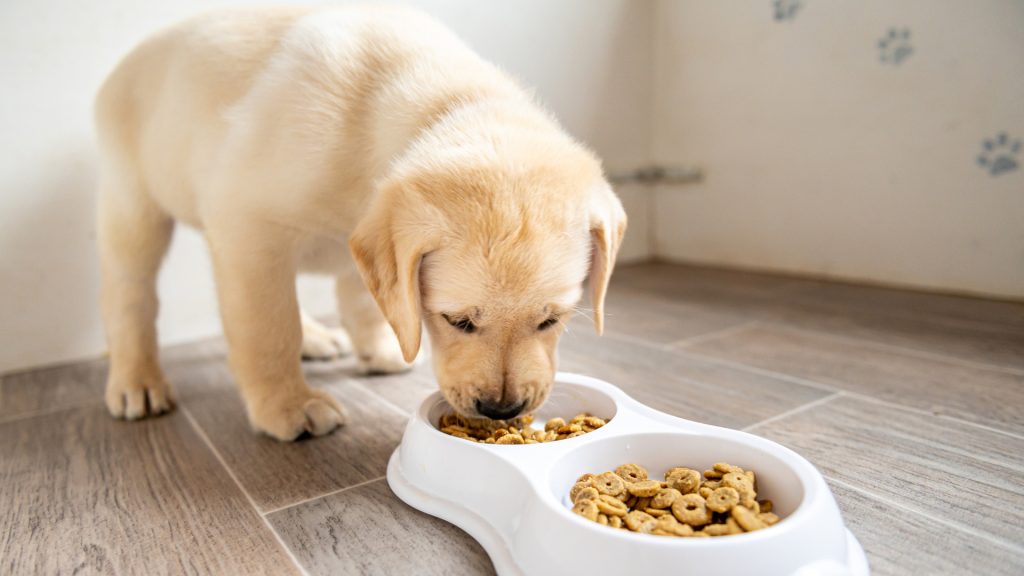

Have you ever wondered why your adorable puppy shouldn’t eat the same food as your adult dog? It might seem easier to just share one bowl, but feeding your puppy adult dog food can cause serious problems.
Your puppy’s growing body needs special nutrients to stay healthy and strong. If you want to give your furry friend the best start in life, understanding why puppies need different food is crucial. Keep reading to discover the surprising reasons behind this and how you can make the best choice for your puppy’s diet.
Nutritional Needs Of Puppies
Puppies have unique nutritional needs that are vital for their early growth stages. Their bodies are rapidly changing, requiring specific nutrients that support bone growth, brain development, and immune system strength. Understanding these needs helps you choose the right food and avoid health issues caused by improper diets.
Growth And Development Requirements
During the first year, your puppy experiences intense physical and mental growth. Their energy needs are much higher than adult dogs because they burn more calories for development. This means they need food that is calorie-dense and rich in proteins to support muscle building and organ growth.
Calcium and phosphorus are particularly important for strong bones and teeth. An imbalance can lead to joint problems or stunted growth. Adult dog food often lacks the right balance of these minerals, which is why it can be harmful to puppies.
Essential Nutrients For Puppies
Puppies require a diet full of essential nutrients that differ from adult dogs. Key nutrients include:
- Protein:Supports muscle growth and repair.
- Fat:Provides energy and helps with brain development.
- DHA (Docosahexaenoic Acid):Important for eye and brain health.
- Vitamins and minerals:Boost immune function and overall health.
Feeding your puppy adult dog food means they may miss out on these vital nutrients or get them in the wrong amounts. Have you noticed how your puppy’s energy levels or coat condition change with different foods? That’s a clear sign their diet needs adjustment.

Credit: www.purina.com
Differences In Adult Dog Food
Puppies need food rich in nutrients for growth, unlike adult dogs. Adult dog food lacks enough protein and fat for puppies’ development. Feeding puppies adult food can slow their growth and harm their health.
Differences in adult dog food are significant enough to impact your puppy’s health if not considered carefully. Puppies have unique nutritional needs that differ from adult dogs, much like how a growing child requires a different diet than an adult. Understanding these differences is crucial to ensure your puppy grows into a healthy adult dog.Calorie And Protein Content
Puppies are bundles of energy, constantly running, playing, and exploring. This means they need more calories than adult dogs to fuel their growth and activity levels. Adult dog food often contains fewer calories, which might not be enough to support a puppy’s rapid growth. Moreover, protein plays a vital role in muscle development. Adult dog food might not have the high protein levels puppies require. Have you ever noticed how much more you need to eat after a workout? Puppies are similar—they need extra protein to build strong muscles and tissues.Vitamin And Mineral Levels
Vitamins and minerals are the building blocks for a puppy’s development. Adult dog food is formulated with the assumption that the consumer has already grown, so it may lack certain nutrients crucial for a puppy’s development. Calcium and phosphorus, for instance, are essential for bone growth. Adult dogs need less of these minerals, so adult dog food may not provide enough for a growing puppy. Imagine trying to build a house with only half the bricks; it’s just not going to be sturdy. Before you make the switch from puppy food to adult dog food, ask yourself: Is my puppy getting everything they need to thrive? Ensuring your furry friend has the right nutrition is the best way to set them up for a healthy, happy life.Health Risks For Puppies
Puppies have special nutritional needs that differ greatly from adult dogs. Feeding them adult dog food can cause serious health problems. Their bodies are not ready to handle the ingredients and nutrient balance made for mature dogs. This can lead to various health risks affecting their growth and well-being.
Digestive Problems
Adult dog food often contains more protein and fat than puppies need. This can upset their sensitive stomachs. Puppies may experience diarrhea, vomiting, or constipation. Their digestive systems are still developing and can’t process heavy adult food well. This discomfort can make puppies reluctant to eat or drink.
Nutrient Deficiencies
Puppies need higher amounts of certain nutrients like calcium and phosphorus. Adult dog food usually has lower levels of these essential minerals. Lack of proper nutrients can weaken their bones and immune system. Puppies may not get enough vitamins needed for healthy brain and vision development. Balanced puppy food is designed to avoid these gaps.
Long-term Growth Issues
Feeding adult food to puppies can stunt their growth. Improper nutrition affects muscle and bone formation. It can cause joint problems and weak muscles later in life. These issues can reduce their energy and activity levels. Proper puppy food supports strong and healthy development during this critical stage.

Credit: www.youtube.com
Signs Of Poor Nutrition In Puppies
Puppies need the right nutrients to grow strong and healthy. If their diet lacks essential vitamins, minerals, or calories, you might notice some warning signs. Paying attention to these signs early can help you avoid serious health problems down the road.
Weight Loss And Weakness
One of the clearest signs your puppy isn’t getting proper nutrition is weight loss or failure to gain weight. Puppies are supposed to grow steadily, so if you see your pup becoming thinner or weaker, it’s a red flag.
Weakness may show up as difficulty standing, walking, or playing. Have you ever noticed your puppy struggling to keep up during a walk? That could mean their food isn’t meeting their energy needs.
Lack Of Energy
Puppies are naturally playful and curious. If your puppy suddenly seems tired all the time or uninterested in toys and games, poor nutrition could be the cause.
Energy comes from the right balance of proteins, fats, and carbohydrates. Without these, your puppy may become lethargic and less responsive.
Coat And Skin Problems
Healthy skin and a shiny coat are signs of good nutrition. If your puppy’s fur looks dull, patchy, or if they scratch more than usual, their diet might be missing important fatty acids or vitamins.
Dry, flaky skin or slow hair growth can also indicate nutrient deficiencies. Have you checked your puppy’s coat lately? It might tell you more about their health than you realize.
Choosing The Right Puppy Food
Choosing the right food for your puppy is very important. Puppies need different nutrients than adult dogs. Their growing bodies require special care. Feeding them adult dog food can cause health problems. The right puppy food supports healthy growth and strong bones. It also helps build a good immune system. Always pick food designed especially for puppies.
Reading Labels Carefully
Check the food label before buying. Look for words like “complete and balanced for puppies.” Ingredients should include high protein and fat. Puppies need more energy than adult dogs. Vitamins and minerals like calcium are essential for growth. Avoid foods with too many fillers or artificial additives. The label will also show feeding guidelines. Follow these to avoid overfeeding or underfeeding your puppy.
Consulting A Veterinarian
Ask a vet about the best food for your puppy. Vets know what nutrients puppies need at each stage. They can recommend brands and types based on breed and health. Some puppies have allergies or special needs. A vet’s advice helps avoid common feeding mistakes. Regular check-ups ensure your puppy grows well with the right diet. Trust expert guidance for your puppy’s diet choices.

Credit: www.thinkjinx.com
Transitioning To Adult Food
Transitioning your puppy from their current diet to adult dog food is a crucial step that requires care and attention. Puppies have different nutritional needs compared to adult dogs, so the switch must be handled thoughtfully to keep them healthy and happy. The process involves knowing the right timing and introducing the new food gradually.
Timing The Change
Puppies usually need adult dog food once they reach about one year old. However, this can vary by breed and size. Larger breeds may need puppy food longer to support their growth, sometimes up to 18 months.
Switching too early can leave your puppy without enough nutrients for their development. Switching too late means they might get extra calories and nutrients they no longer need, leading to weight gain. You should talk to your vet to find the perfect time to make the change.
Gradual Food Introduction
Suddenly changing your puppy’s food can upset their stomach. Instead, mix a small amount of adult food with their puppy food and increase it slowly over 7 to 10 days.
- Start with 25% adult food and 75% puppy food for the first few days.
- Then move to a 50/50 mix for a few more days.
- Next, 75% adult food and 25% puppy food before fully switching.
This gradual introduction helps your puppy’s digestive system adjust. Have you noticed how your puppy reacts to new foods? Watching for any signs of discomfort can help you decide if the transition is going well or needs to slow down.
Frequently Asked Questions
Why Can’t Puppies Eat Adult Dog Food?
Puppies need more nutrients for growth that adult dog food lacks. Adult food has fewer calories and less protein, which may slow puppy development and weaken their immune system.
What Nutrients Do Puppies Need More Than Adults?
Puppies require higher protein, fat, and calcium for bone and muscle growth. Adult food doesn’t meet these increased needs, risking nutrient deficiencies and poor growth.
Can Adult Dog Food Harm A Puppy’s Health?
Yes, feeding adult dog food to puppies can cause digestive issues and nutrient imbalances. It may lead to stunted growth and weaker immunity, affecting overall health.
When Can Puppies Transition To Adult Dog Food?
Puppies usually switch to adult dog food after 12 months. This timing ensures they receive proper nutrition during growth and helps prevent health problems.
Conclusion
Puppies need special food to grow strong and healthy. Adult dog food lacks the right nutrients for their development. Feeding puppies the wrong food can cause health problems. Choose puppy food designed to support their bones and energy needs. Healthy eating habits start young and help dogs live longer.
Always check labels and ask your vet for advice. Keep your puppy happy and thriving with proper nutrition. Simple care makes a big difference. Give your puppy the best start in life.