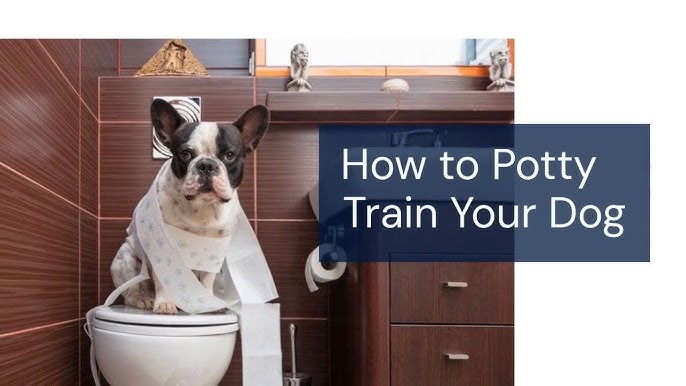

Training your dog to use the toilet might sound like a challenge, but it’s easier than you think. Imagine saving time on cleanups and keeping your home fresh without constant trips outside.
If you want a cleaner, more convenient way to manage your dog’s bathroom habits, this guide is for you. Keep reading, and you’ll discover simple steps that can change your daily routine—and make both you and your dog happier.
Credit: www.cruceroclick.com
Preparing For Toilet Training
Preparing your dog for toilet training is the key to success. A calm and organized start sets the stage for good habits. Clear planning helps both you and your dog understand the process. Each step matters, from choosing the right spot to keeping a regular routine.
Choosing The Right Toilet Spot
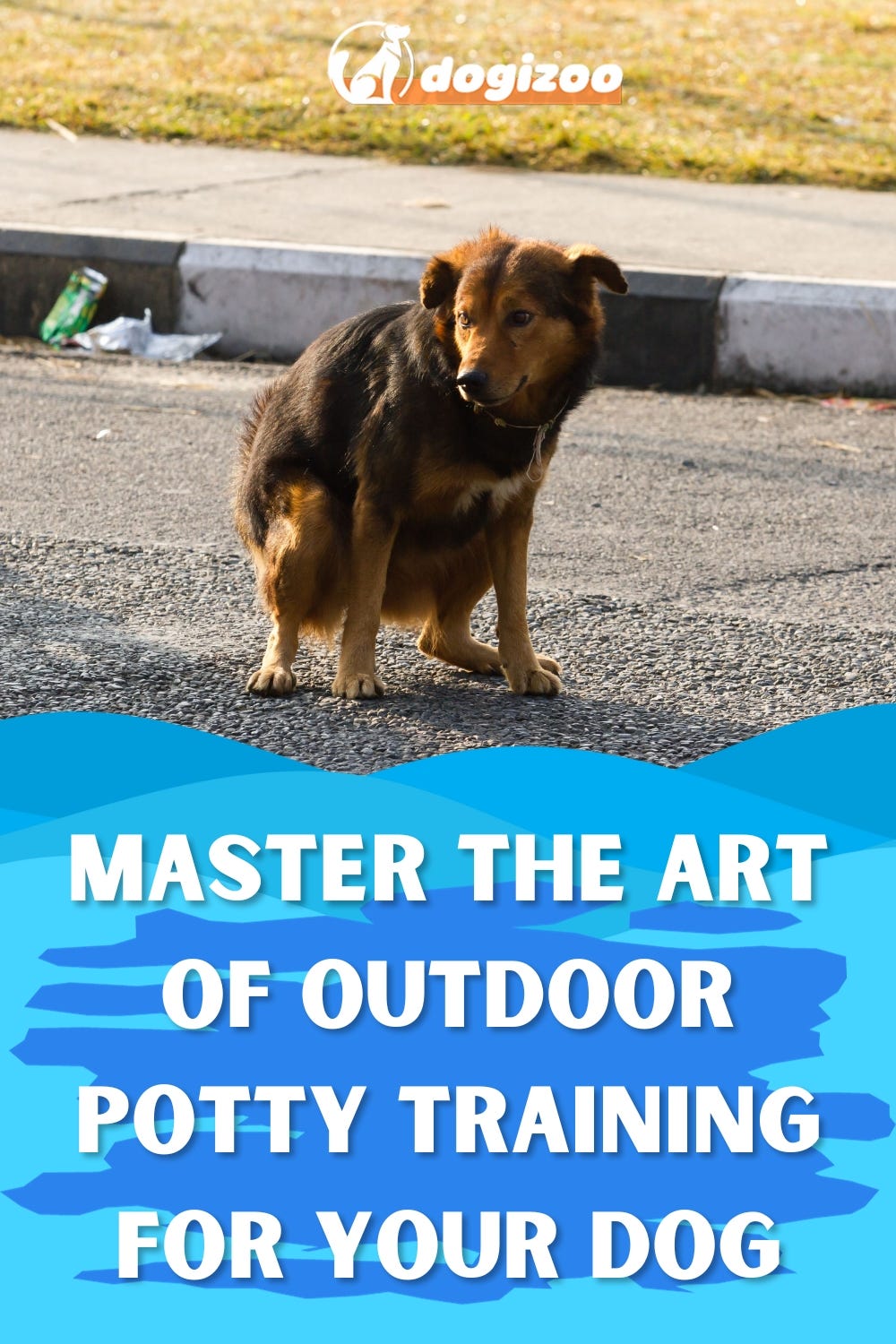
Pick a quiet place outside for your dog’s toilet. It should be easy to reach and free from distractions. A consistent spot helps your dog learn faster. Avoid busy areas or places with strong smells. Make sure the spot is safe and comfortable.
Gathering Necessary Supplies
Prepare all the tools you will need before training begins. These include:
- Leash and collar
- Poop bags or a scoop
- Cleaning supplies for accidents
- Treats for rewarding good behavior
- A clicker or marker if you use one
Having everything ready keeps training smooth and stress-free.
Setting A Consistent Schedule
Dogs thrive on routine. Set specific times for toilet breaks each day. Common times include:
- First thing in the morning
- After meals
- Before bedtime
- After playtime
Regular breaks help your dog understand when and where to go. Keep the timing steady to build strong habits.

Credit: medium.com
Introducing Your Dog To The Toilet Area
Introducing your dog to the toilet area is a crucial first step in successful toilet training. This stage sets the foundation for your dog to understand where they are expected to relieve themselves. Taking the time to make your dog comfortable with the area can reduce accidents and speed up the training process.
Familiarizing With The Area
Start by spending time with your dog in the designated toilet area. Let your dog explore without any pressure or commands. If the spot is outdoors, take your dog there during regular bathroom breaks to create natural associations.
You might try placing some of your dog’s toys or bedding nearby to make the space inviting. Have you noticed how dogs often return to familiar scents? Using that knowledge, you can add some of your dog’s urine on a cloth to the spot to encourage recognition.
Using Positive Reinforcement
Reward your dog immediately when they show interest or use the toilet area correctly. Treats, praise, and gentle petting work well to reinforce good behavior. Positive reinforcement helps your dog connect the toilet spot with positive experiences.
Keep your rewards consistent but avoid overfeeding treats; balance is key. Timing matters—give the reward right after the desired action. How do you usually motivate your dog? You can use the same motivators during training.
Monitoring Behavior Closely
Watch your dog closely for signs they need to go, such as sniffing, circling, or restlessness. Being proactive lets you guide your dog to the toilet area before accidents happen. Keep a notebook or use an app to track patterns in your dog’s bathroom habits.
This information helps you anticipate needs and adjust training times. Stay patient—some dogs take longer to adjust. How quickly can you respond to your dog’s signals during the day?
Step-by-step Toilet Training Process
Begin by introducing your dog to the toilet area and encouraging them to stay nearby. Use treats and praise to reward your dog for sitting calmly near the toilet. Gradually guide your dog to use the toilet for bathroom needs, keeping sessions short and positive.
Toilet training your dog can be a transformative experience, leading to a cleaner home and a happier pet. The journey involves understanding your dog’s needs and being patient as they learn. This step-by-step process is designed to guide you through each stage, offering practical advice and encouragement.Encouraging Toilet Use On Command
Start by selecting a specific word or phrase, like “Go potty” or “Bathroom time,” that you will use consistently. Every time your dog uses the toilet, say the command, so they associate the action with the word. Reward your dog with praise or a treat immediately after they successfully use the toilet, reinforcing the behavior. Practice this command regularly, but be patient—it may take several weeks for your dog to fully understand. Be sure to use the same command and rewards each time to avoid confusion. Consistency is key to helping your dog learn effectively.Recognizing Signs Of Readiness
Before toilet training, ensure your dog shows signs of readiness. Look for behaviors such as sniffing around or circling, which indicate they need to relieve themselves. Puppies, in particular, may need more frequent bathroom breaks, especially after meals or naps. Pay attention to your dog’s body language and establish a routine that aligns with their natural schedule. This attentiveness will make it easier for both you and your dog during the training process. Remember, a relaxed and patient approach fosters a positive learning environment.Gradual Reduction Of Indoor Potty Options
If your dog is accustomed to using indoor potty pads, begin reducing their use gradually. Place the pads closer to the toilet over time, encouraging your dog to follow. This method helps your dog transition from indoor to toilet use without feeling overwhelmed. Remove one pad at a time, observing your dog’s adaptation to the new setup. If they struggle, slow down the process and provide extra support. Celebrate small successes, as this boosts confidence for both you and your pet. Training your dog to use the toilet requires dedication and patience. How will you adapt these steps to suit your dog’s unique personality?
Credit: www.humboldt.ca
Troubleshooting Common Challenges
Training a dog to use the toilet can bring some challenges. These challenges may cause frustration for both you and your pet. Patience and understanding help overcome them. Addressing issues early keeps training on track. Here are common problems and easy solutions.
Handling Accidents Calmly
Accidents happen during toilet training. Avoid punishment or loud reactions. Calmly clean the area using an enzyme cleaner. This removes odors that attract dogs back to the spot. Praise your dog when they use the toilet correctly. Calm responses encourage learning and reduce anxiety.
Dealing With Reluctance Or Fear
Some dogs may feel scared or unsure about the toilet. Signs include avoiding the area or freezing. Create a positive environment with treats and gentle words. Introduce the toilet step by step. Let your dog explore at their own pace. Gradual exposure builds confidence and comfort.
Adjusting Training Techniques
Every dog learns differently. Watch how your dog responds to training. Change your approach if progress slows. Use shorter sessions or more breaks. Try different rewards like toys or praise. Make sure the toilet location is quiet and safe. Flexibility in training improves success rates.
Maintaining Toilet Training Success
Maintaining your dog’s toilet training success is just as important as the initial training itself. Consistency and positive reinforcement keep your dog confident and prevent setbacks. Staying attentive to changes in your dog’s environment and routine will help you sustain this progress over time.
Reinforcing Good Habits
Celebrate every successful toilet trip with praise or a small treat. This positive feedback encourages your dog to repeat the behavior. Avoid scolding mistakes; instead, gently guide your dog back to the correct spot.
Keep a regular schedule for toilet breaks. Dogs thrive on routine, and predictable times help them develop good habits. You might notice your dog signals when they need to go—recognize and respond quickly to these cues.
Adapting To Changes In Routine
Life changes like moving homes or adjusting work hours can disrupt your dog’s toilet habits. Be patient during these transitions and slightly increase toilet breaks if needed. Watch for any signs of confusion or accidents and gently remind your dog of the routine.
If visitors or new pets join your household, your dog may feel stressed or distracted. Create a calm environment and stick to the usual toilet training steps. Have you noticed your dog’s behavior shift during busy days? Using extra praise can make a big difference.
Ensuring Long-term Consistency
Consistency means everyone in your household follows the same toilet training rules. If one person lets your dog off the hook, it can confuse them and slow progress. Make sure all family members understand the importance of reinforcing the training.
Regularly revisit the basics, even after months of success. Occasionally review your dog’s toilet spot and routine to prevent any slips. Think about how your dog’s needs might change as they grow—adjust your training to keep up.
Frequently Asked Questions
How Long Does Toilet Training Take For Dogs?
Toilet training duration varies by dog age and breed. Puppies may take weeks, while adult dogs learn faster. Consistent training and patience speed progress. Regular schedules and positive reinforcement help dogs adapt quickly. Most dogs show significant improvement within 4 to 6 weeks.
What Are The Best Methods To Train Dogs For Toilets?
Use positive reinforcement like treats and praise. Introduce a designated toilet spot and maintain consistency. Supervise your dog closely to prevent accidents. Gradually increase the time between toilet breaks. Avoid punishment, as it hinders learning and trust.
Can All Dog Breeds Learn To Use The Toilet?
Most dog breeds can learn toilet training with proper guidance. Some breeds may require extra patience due to temperament or size. Consistency, training techniques, and owner commitment are key factors. Small breeds might adapt quicker, but all dogs benefit from routine and encouragement.
What Common Mistakes Should Be Avoided During Training?
Avoid punishing accidents; it causes fear and confusion. Don’t change toilet locations frequently, as it confuses dogs. Neglecting a consistent schedule delays training progress. Avoid skipping training sessions or rushing the process. Patience and persistence are essential for success.
Conclusion
Training your dog to use the toilet takes time and patience. Consistency helps your dog learn faster and feel secure. Praise and rewards encourage good behavior every step of the way. Small steps lead to big progress, so stay calm and positive.
Your dog will soon enjoy a cleaner home and easier care. Keep practicing daily, and you will see great results. This simple habit can improve life for both you and your pet.