

Are you wondering if it’s okay to feed your adult dog puppy food? You might think puppy food is just a tasty treat or a safe option, but is it really the best choice for your furry friend now?
What if giving your dog the wrong food affects their health or energy? Keep reading, because understanding the difference between puppy and adult dog food can make a big difference in your dog’s well-being. Let’s uncover the facts so you can make the best choice for your loyal companion.

Credit: www.eacourier.com
Nutritional Needs Of Adult Dogs
Understanding the nutritional needs of adult dogs is key before deciding if puppy food is suitable for them. Adult dogs require a balanced diet tailored to maintain their health, energy, and weight. Feeding them the right nutrients helps avoid health problems and keeps them active and happy.
Calorie Requirements
Adult dogs need fewer calories than puppies because their growth phase is complete. Overfeeding high-calorie puppy food can lead to weight gain and related health issues like joint strain and diabetes. Have you noticed your adult dog gaining weight on puppy food? It might be due to the higher calorie content.
Calories should match your dog’s activity level. A sedentary dog needs fewer calories than a very active one. Adjusting portion sizes and selecting appropriate food can help maintain a healthy weight.
Protein And Fat Levels
Puppy food contains more protein and fat to support rapid growth and energy needs. Adult dogs don’t require such high levels, and excess protein or fat can stress organs like the kidneys. If your adult dog has kidney issues, feeding puppy food could worsen their condition.
Adult dog food is formulated with moderate protein and fat levels to maintain muscle and energy without overloading the system. Keep an eye on ingredient labels and choose food that suits your dog’s life stage.
Essential Vitamins And Minerals
Vitamins and minerals in puppy food are designed to promote bone development and immune support during growth. Adult dogs need these nutrients too but in different amounts. For example, too much calcium from puppy food can cause skeletal problems in adult dogs.
Ensuring your dog gets the right balance of vitamins and minerals helps prevent deficiencies and health problems. Have you checked if your adult dog’s food meets their specific vitamin and mineral needs? This small step can make a big difference in their overall well-being.
Formulation Differences Between Puppy And Adult Food
Puppy food and adult dog food have clear differences in how they are made. These differences support the needs of dogs at various life stages. Understanding these can help you decide if adult dogs should eat puppy food.
Ingredient Composition
Puppy food contains higher protein and fat levels. These ingredients support muscle and brain growth. Adult dog food has balanced nutrients for daily health. It often includes more fiber for digestion. Puppies need more calcium and phosphorus for bones. Adult dog food limits these minerals to prevent health issues.
Caloric Density
Puppy food is richer in calories. Puppies burn more energy while growing. Adult dog food has fewer calories to avoid weight gain. Feeding adult dogs high-calorie puppy food may cause obesity. Calorie control helps maintain a healthy weight in adults.
Growth Versus Maintenance Focus
Puppy food focuses on rapid growth and development. It supports strong bones, muscles, and immune systems. Adult food aims to maintain current health and energy levels. It balances nutrients to keep dogs fit and active. Feeding adult dogs puppy food may give excess nutrients. This can strain organs and cause health problems over time.
Potential Risks Of Feeding Puppy Food To Adults
Feeding puppy food to adult dogs may seem harmless. Yet, it can pose several risks. Puppy food is rich in nutrients for growing pups. Adult dogs have different dietary needs. Excess nutrients can lead to health issues. Understanding these risks is crucial for your dog’s well-being.
Weight Gain And Obesity
Puppy food is calorie-dense. Adult dogs may gain weight quickly. This can lead to obesity. Obesity brings health problems. Heart disease, diabetes, and joint pain are common. It’s essential to monitor your dog’s weight.
Digestive Issues
Adult dogs may struggle with rich puppy food. It can upset their stomachs. Diarrhea and vomiting are possible. Digestive discomfort affects their mood and energy. Choose a diet suited to their age. This can prevent unnecessary tummy troubles.
Long-term Health Concerns
Feeding puppy food long-term can have repercussions. Excess calcium can harm adult dogs. It may lead to bone problems. Kidney issues are another risk. Proper nutrition is key for a healthy life. Ensure your dog receives the right nutrients for its age.

Credit: petownerstarter.com
When Puppy Food Might Be Suitable For Adult Dogs
Puppy food is rich in nutrients that support growth and development. Adult dogs do not usually need this extra nutrition. Yet, some adult dogs benefit from the higher calorie and nutrient content in puppy food for a while. These special cases require more energy or better nutrition than regular adult dog food provides.
Pregnant Or Nursing Dogs
Pregnant or nursing dogs need more calories to support their puppies. Puppy food offers extra protein, fat, and vitamins. This helps maintain the mother’s health and milk supply. Feeding puppy food during this time helps both mother and puppies thrive.
Recovering From Illness
Dogs recovering from illness or surgery may need extra nutrients. Puppy food can aid in faster healing and regain strength. Its rich ingredients support the immune system and muscle repair. A short period on puppy food helps during recovery phases.
High Energy Or Working Dogs
Active dogs burn more calories daily. Working dogs need more energy to perform their tasks. Puppy food provides higher fat and protein levels for energy. It keeps these dogs strong and energetic throughout the day.
Expert Recommendations For Choosing Dog Food
Choosing the right food for your dog is vital for their health. Adult dogs have different needs than puppies. Experts suggest careful selection to keep your dog healthy and active.
Understanding these expert tips can help you make the best choice for your pet.
Consulting Your Veterinarian
Your vet knows your dog’s health history and needs. They can suggest the best diet for your dog’s age and condition. Always ask for advice before changing food. This step ensures your dog gets proper nutrition without risks.
Reading Labels Carefully
Dog food labels show important details. Look for ingredients that match your dog’s needs. Check protein levels, fat, and vitamins. Avoid foods with too many fillers or artificial additives. Clear labels help you pick high-quality food your dog will enjoy.
Gradual Diet Transitions
Switching dog food must be slow and steady. Sudden changes can upset your dog’s stomach. Mix old and new food over 7 to 10 days. Watch for any signs of discomfort or allergies. This method helps your dog adjust smoothly to new food.
Alternatives To Puppy Food For Adult Dogs
Adult dogs need food that fits their changing bodies and energy. Puppy food has more calories and nutrients meant for growth. Feeding adult dogs only puppy food may cause weight gain or health issues. Many better options exist to keep adult dogs healthy and happy. Choosing the right diet supports their energy, weight, and overall wellness.
Senior Dog Formulas
Senior dog formulas are made for older dogs with slower metabolism. These foods have fewer calories but more fiber and joint support. Ingredients like glucosamine and omega-3 fatty acids help keep joints healthy. Senior formulas also support brain function and immune health. They balance nutrition to suit the needs of aging dogs.
Specialty Diets
Specialty diets target specific health concerns or lifestyles. Examples include grain-free, weight management, and hypoallergenic foods. These diets help dogs with allergies, weight issues, or digestive problems. Some formulas focus on maintaining a healthy coat and skin. Specialty diets offer tailored nutrition for unique dog needs.
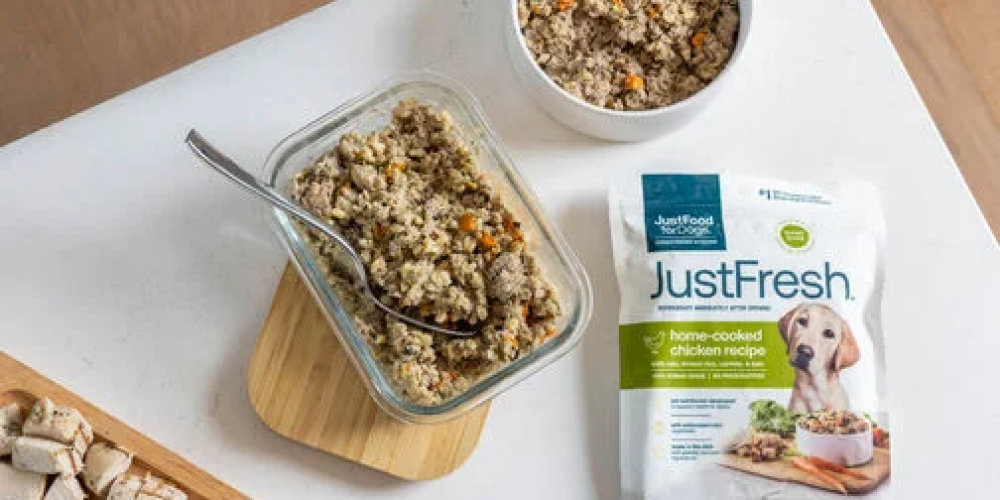
Homemade Meal Options
Homemade meals let owners control ingredients and quality. Balanced meals include protein, carbohydrates, and healthy fats. Vegetables like carrots and peas add vitamins and fiber. Always consult a vet to ensure meals meet nutritional needs. Homemade food can be fresh, nutritious, and customized for each dog.
Credit: blog.justfoodfordogs.com
Frequently Asked Questions
Can Adult Dogs Eat Puppy Food Safely?
Adult dogs can eat puppy food occasionally but it’s not ideal long-term. Puppy food has extra calories and nutrients meant for growth. Feeding it regularly to adults may cause weight gain and digestive issues. Stick to adult dog food for balanced nutrition.
What Happens If Adults Eat Puppy Food Regularly?
Regularly feeding adult dogs puppy food can lead to obesity and nutrient imbalances. Puppy formulas are richer in fats and proteins. Adults don’t need these higher levels and may suffer from digestive upset or health problems over time.
Is Puppy Food More Nutritious Than Adult Food?
Puppy food contains higher protein, fat, and calorie content to support growth. Adult dog food has balanced nutrients for maintenance and energy needs. Puppy food isn’t necessarily “more nutritious,” just formulated differently for young dogs.
Can Switching To Puppy Food Benefit Senior Dogs?
Senior dogs usually require fewer calories and specialized nutrients. Puppy food’s high calorie and fat content may cause weight gain in seniors. Consult your vet before changing diets; usually, senior-specific food is better.
Conclusion
Adult dogs can eat puppy food occasionally but not regularly. Puppy food has more calories and nutrients made for growing dogs. Too much can cause weight gain or stomach upset. Choose dog food made for your dog’s age and health needs.
Always watch your dog’s reaction to new food. Consult your vet before making big diet changes. Balanced nutrition keeps dogs healthy and happy. Feeding the right food supports strong bones and energy. Simple choices help your dog live a longer life.
Careful feeding matters more than the brand name.