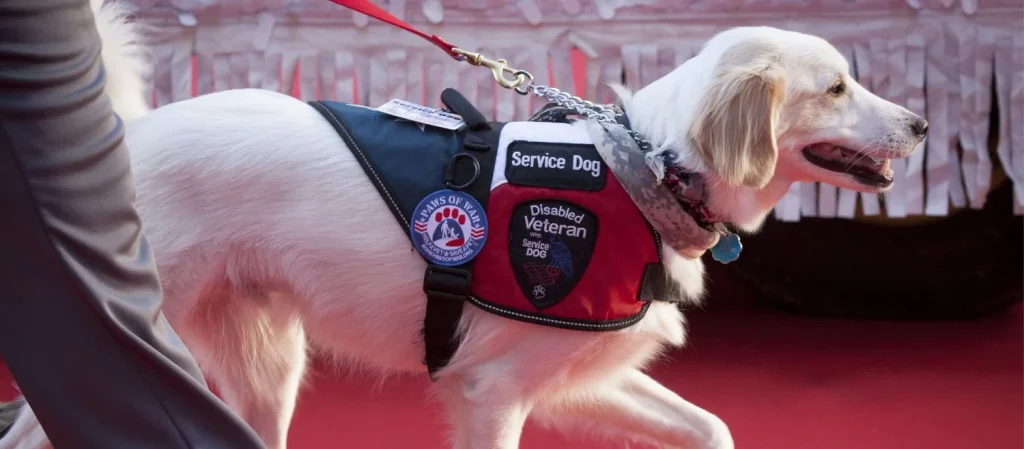

If you or someone you care about lives with PTSD, training a service dog can make a huge difference in daily life. But how do you start?
How can you teach a dog to recognize and respond to your unique needs? This guide will walk you through simple, effective steps to train a PTSD service dog that supports you when you need it most. Keep reading to discover practical tips that can help you build a strong bond and gain the comfort and safety you deserve.
Credit: www.servicedogcertifications.org
Choosing The Right Dog
Choosing the right dog is the foundation of successful PTSD service dog training. Not every dog fits the unique demands that come with supporting someone facing PTSD. The right dog must not only be physically capable but also emotionally attuned to the needs of their handler.
Ideal Breeds For Ptsd Service Dogs
Certain breeds naturally possess traits that make training easier and more effective. Labrador Retrievers and Golden Retrievers are popular because they are calm, intelligent, and eager to please. German Shepherds also work well due to their strong protective instincts and high trainability.
However, don’t overlook mixes or less common breeds. Some smaller dogs like Poodles can be great for handlers who want a compact companion with a sensitive nature. The key is matching the dog’s energy level and size to your lifestyle and specific needs.
Assessing Temperament And Behavior
Temperament is more important than breed. You need a dog that stays calm under pressure and isn’t easily startled by loud noises or sudden movements. Watch how the dog reacts in busy environments—can it focus on you or does it get distracted?
Observe how the dog handles stress and unfamiliar situations. A dog that shows patience, confidence, and willingness to follow commands will be a better partner during challenging moments. Have you spent enough time with the dog to feel a genuine connection?
Basic Obedience Training
Basic obedience training lays the foundation for a PTSD service dog’s behavior. It ensures the dog listens well and stays focused. This training helps the dog respond quickly to commands in stressful situations. Training should be consistent and patient, with clear rules. The goal is to build trust and clear communication between handler and dog.
Essential Commands To Teach
Teaching essential commands helps the dog assist effectively. Commands like “sit,” “stay,” and “come” are crucial. These commands keep the dog calm and controlled in public places. Other commands include “heel” for walking calmly by your side and “down” to lie quietly. Also, teaching “leave it” prevents the dog from distractions or dangers. Use short, clear words and positive reinforcement to encourage learning.
Building A Strong Bond
A strong bond between handler and dog improves training success. Spend time playing and relaxing together daily. This builds trust and comfort, essential for service work. Use gentle praise and treats to reward good behavior. Patience and kindness help the dog feel safe and willing to learn. A well-bonded dog understands your needs better and stays loyal during challenges.
Specialized Ptsd Tasks
Training a PTSD service dog involves teaching tasks that ease anxiety and flashbacks. These dogs learn to recognize signs of distress and provide comfort or alert help. Consistent practice and patience help build their specialized skills.
Training a PTSD service dog involves teaching them specialized tasks tailored to the unique needs of their handler. These tasks are essential for providing crucial support and ensuring a sense of security and comfort. Let’s delve into the specific tasks that make these service dogs invaluable companions.Recognizing Anxiety And Panic Signs
A well-trained PTSD service dog is adept at identifying the subtle cues of anxiety and panic in their handler. This might include changes in breathing patterns, body language, or even vocal expressions. Dogs can be trained to notice these signs and respond appropriately. Consider teaching your service dog to nudge your hand or rest their head on your lap when they sense you’re becoming anxious. This gentle reminder can help ground you, pulling your attention away from the anxiety spiral.Interrupting Episodes And Providing Comfort
During a PTSD episode, a service dog’s ability to intervene can be life-changing. Dogs can be trained to perform tasks such as applying deep pressure therapy by lying across your lap or chest. This tactile sensation has a calming effect and can help reduce the intensity of an episode. You may find that during particularly challenging moments, your dog’s comforting presence is enough to offer significant relief. Imagine being in a crowded place and feeling overwhelmed, only for your service dog to lean against you, offering a sense of calm and reassurance.Guiding To Safe Spaces
In moments of distress, having a reliable guide to lead you to a safe space can be incredibly reassuring. PTSD service dogs are trained to guide their handlers to predetermined safe locations, whether it’s a quiet room at home or an exit in a public area. Training your dog to respond to commands like “safe” or “home” ensures you have a trusted guide to help you navigate stressful situations. Have you ever considered how empowering it could be to have a companion that instinctively knows where you feel most secure? These specialized tasks are more than just commands; they are lifelines that foster independence and enhance the quality of life for those living with PTSD. Your service dog becomes a partner in navigating the complexities of everyday life, providing unwavering support and companionship.Socialization And Public Access
Socialization and public access are key parts of training a PTSD service dog. These dogs must stay calm and focused in many places. They face loud noises, crowds, and strange smells daily. Good socialization helps dogs handle new environments without stress. Public access training ensures the dog behaves well in stores, parks, and transport.
Exposing Dogs To Various Environments
Introduce the dog to many settings early. Start with quiet places like parks or friends’ homes. Gradually visit busier spots such as markets or busy streets. Let the dog observe new sights and sounds calmly. Keep sessions short and positive to avoid overwhelming the dog. Use treats and praise to reward calm behavior. This builds confidence and trust in unfamiliar places.
Managing Distractions In Public
Distractions can break a service dog’s focus quickly. Practice commands in places with mild distractions first. Use a leash and keep the dog close. Teach the dog to ignore noises, smells, and people passing by. Reward attention and calmness immediately. Increase distractions slowly as the dog improves. This training helps the dog stay alert and ready to assist at all times.
Maintaining Consistency
Maintaining consistency is key in training a PTSD service dog. It helps the dog understand commands and behaviors clearly. Consistent routines build trust and reduce confusion. Training a service dog requires patience and steady effort every day. Small, regular sessions work better than long, irregular ones. Consistency also helps the dog stay focused and calm.
Regular Training Sessions
Set aside time daily for training. Keep sessions short, around 10 to 15 minutes. Use the same commands and signals each time. Repeat important tasks until the dog performs them well. Consistent schedules make learning easier for the dog. Practice in different places to help the dog adapt. Make training a part of your everyday routine.
Tracking Progress And Adjustments
Keep a training journal or log. Note what tasks the dog learns quickly and what needs more work. Observe the dog’s reactions and comfort levels. Adjust training methods if the dog shows stress or confusion. Celebrate small successes to stay motivated. Regular reviews help improve training results. Tracking progress ensures steady improvement over time.
Credit: www.servicedogcertifications.org
Legal Rights And Documentation
Training a PTSD service dog involves more than teaching tasks. Understanding legal rights and proper documentation protects both the handler and the dog. Knowing the laws helps avoid problems in public places. Proper paperwork ensures the dog is recognized as a service animal. This section covers key legal points and certification steps.
Understanding Service Dog Laws
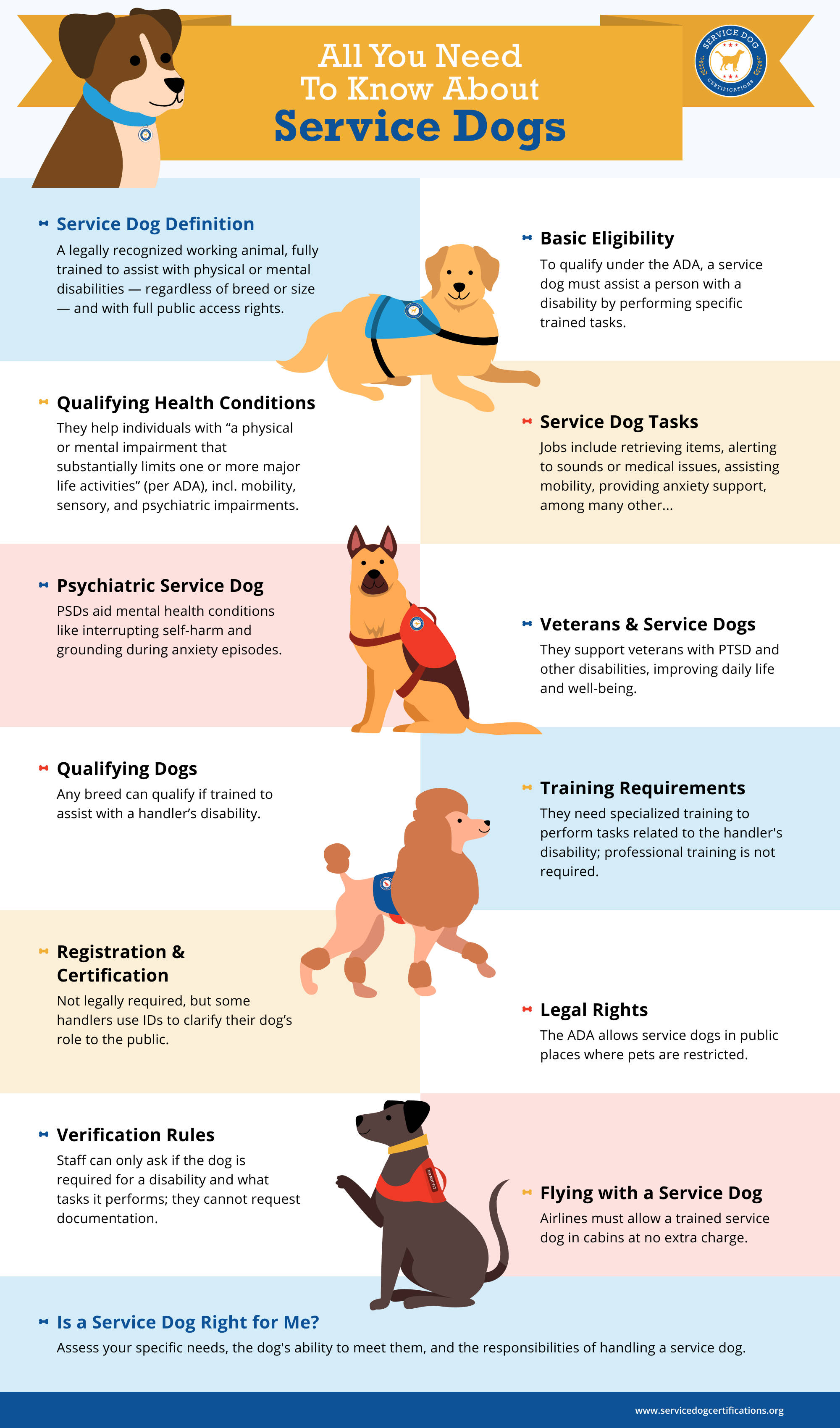
Service dogs have special rights under the law. The Americans with Disabilities Act (ADA) protects people with disabilities. It allows service dogs to accompany their handlers in public areas. These areas include stores, restaurants, and public transport.
Businesses cannot ask for detailed medical records. They may only ask if the dog is required due to a disability. They can also ask what tasks the dog performs. Emotional support animals do not have the same legal protections.
Knowing these rules helps handlers avoid discrimination. It ensures the service dog can work without interruption.
Obtaining Proper Certification
No official national certification for service dogs exists. Some organizations offer training and ID cards. These help show the dog is a trained service animal. A certificate does not guarantee legal status but can reduce questions.
Steps to proper certification include:
- Train the dog to perform specific PTSD-related tasks
- Document the training process and progress
- Get a letter from a licensed mental health professional
- Use vests or ID tags that identify the dog as a service animal
Keep all documents handy. It helps when entering public places or traveling. Proper documentation supports the handler’s legal rights and the dog’s role.
Care And Wellness
Caring for a PTSD service dog goes beyond training sessions. Their health and wellness impact their ability to support you. Proper care keeps them strong, alert, and ready to assist. Focus on both their body and mind. A healthy dog performs better and lives longer.
Physical Health And Nutrition
Good nutrition fuels a service dog’s energy and helps recovery. Provide high-quality dog food tailored to their age and size. Fresh water must be available at all times. Regular exercise keeps muscles strong and joints flexible. Schedule vet visits for vaccinations and health checks. Watch for signs of illness or injury. Groom your dog regularly to maintain a healthy coat and skin.
Mental Stimulation And Rest
Service dogs need mental challenges to stay sharp. Use puzzle toys and training games to engage their minds. Consistent training sessions build confidence and skills. Allow quiet time for rest and relaxation. A well-rested dog handles stress better. Create a calm sleeping area free from noise and distractions. Balance activity with rest for overall wellness.
Credit: www.rover.com
Frequently Asked Questions
What Skills Should A Ptsd Service Dog Learn?
A PTSD service dog must learn tasks like grounding, interrupting anxiety, and creating personal space. Basic obedience and socialization are essential. These skills help the handler manage symptoms effectively and improve daily life quality.
How Long Does It Take To Train A Ptsd Service Dog?
Training a PTSD service dog typically takes 6 to 12 months. It depends on the dog’s temperament and the handler’s involvement. Consistent, positive reinforcement and professional guidance speed up the training process.
Can Any Dog Be Trained As A Ptsd Service Dog?
Not all dogs are suitable for PTSD service work. Ideal dogs have calm temperaments, intelligence, and strong social skills. Breeds like Labradors and Golden Retrievers are common choices due to their trainability and gentle nature.
What Is The Cost Of Training A Ptsd Service Dog?
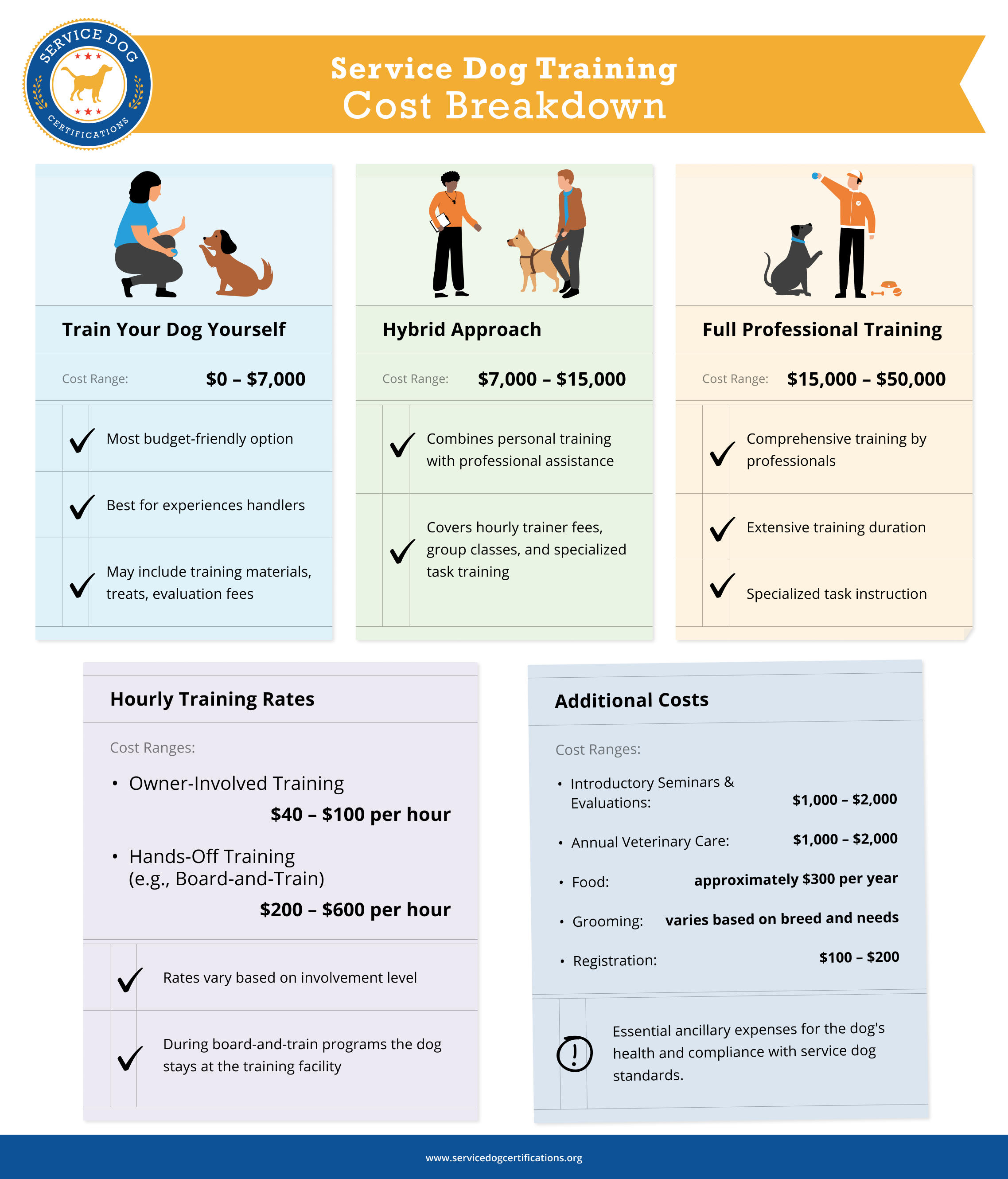
Training a PTSD service dog can cost between $15,000 and $30,000. Costs cover professional training, veterinary care, and equipment. Some organizations offer financial assistance or sponsorship programs for veterans and individuals with disabilities.
Conclusion
Training a PTSD service dog takes time, patience, and care. Each step helps build trust between you and the dog. Simple commands and consistent practice create strong habits. The dog learns to support and calm you during tough moments. Remember, every dog is different and learns at its own pace.
Stay positive and keep training sessions short and fun. A well-trained service dog can make daily life easier and safer. Your effort will bring comfort and hope for both you and your dog. Keep going, and the bond will grow stronger.