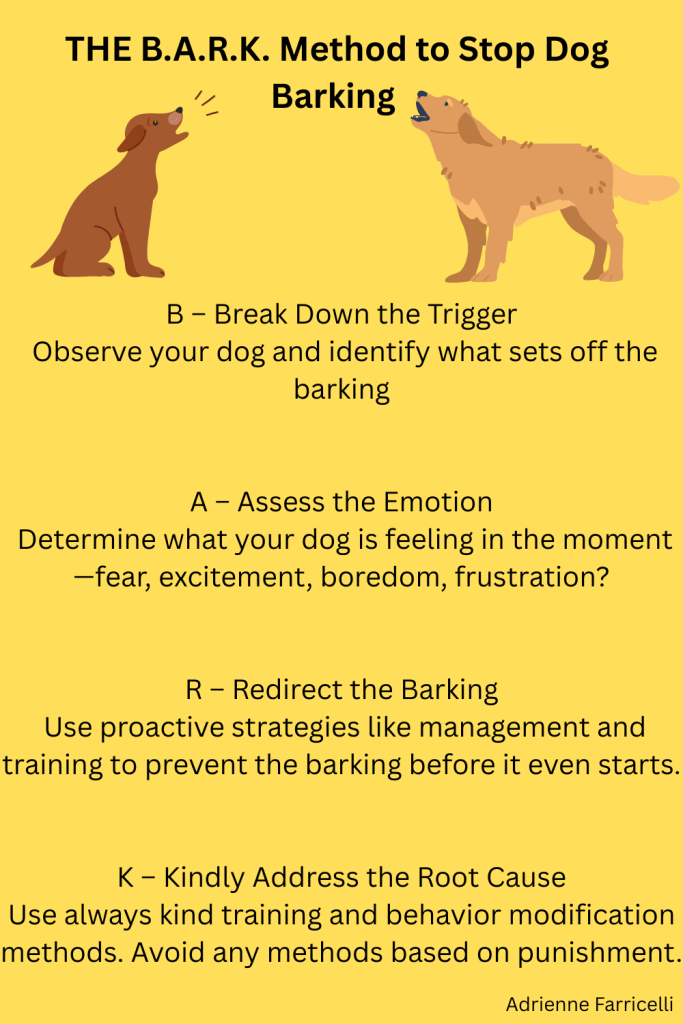

Does your dog bark every time someone walks by your house or knocks on the door? It can be frustrating and embarrassing, but you’re not alone.
Barking is a natural behavior, but when it gets out of control, it can cause stress for both you and your furry friend. The good news is, you can teach your dog to stay calm and quiet around people. You’ll discover simple and effective steps to stop your dog from barking at people.
Keep reading, and you’ll soon enjoy peaceful moments with your dog—and a quieter home.
Credit: theonlinedogtrainer.com
Reasons Dogs Bark At People
Understanding why your dog barks at people is key to changing this behavior. Dogs use barking to communicate a variety of feelings and needs. Identifying the root cause helps you respond effectively and train your dog better.
Protective Instincts
Dogs often bark at strangers because they feel the need to protect their home and family. This instinct is natural and can be strong, especially in certain breeds. If your dog barks whenever someone approaches, it’s their way of warning you about a potential threat.
Ask yourself: Is your dog trying to guard a specific area, or do they bark at everyone? Recognizing this can help you teach them when barking is appropriate and when it’s not.
Fear And Anxiety
Sometimes barking comes from fear rather than aggression. A dog might bark at unfamiliar people because they feel scared or unsure. This type of barking is often high-pitched and frantic.
Think about your dog’s past experiences. Have they had negative encounters with strangers? Addressing their fears with gentle exposure and positive reinforcement can reduce anxiety-driven barking.
Seeking Attention
Dogs quickly learn that barking gets your attention. If you respond to every bark, even with a scolding, your dog might bark more to keep the interaction going. This behavior is especially common in dogs left alone or bored.
You might notice your dog barking when they want to play or go outside. Consider if their barking is a request for your time or engagement, then provide attention on your terms instead of reacting to the bark.
Lack Of Socialization
Dogs that haven’t met many people might bark out of confusion or excitement. Meeting new people can be overwhelming if your dog hasn’t had enough positive social experiences. This can lead to barking as a way to express uncertainty.
Have you introduced your dog to different people and environments early on? Gradually exposing them to new faces in a calm, controlled way can help reduce barking caused by unfamiliarity.
Recognizing Barking Triggers
Understanding what triggers your dog to bark at people is a crucial step in training them to stay calm. Recognizing these triggers helps you address the root cause rather than just the behavior. It also makes your training efforts more targeted and effective.
Identifying Specific Stimuli
Pay close attention to what exactly causes your dog to bark. Is it strangers walking by, delivery workers, or maybe other dogs? Sometimes, even certain sounds like a doorbell or footsteps can set off the barking.
Try to note the exact situations: time of day, location, or type of person approaching. This will give you a clear idea of what needs to be managed during training. Have you noticed if your dog barks more at men, women, or children?
Observing Body Language
Your dog’s body language is a powerful clue to their feelings before they start barking. Look for signs like raised hackles, stiff posture, or a focused stare. These often indicate alertness or anxiety.
Watching these signs can help you intervene before the barking begins. It’s like reading your dog’s mood and stepping in just in time. How often do you catch your dog’s early signals before the barking starts?
Tracking Barking Patterns
Keep a journal or use an app to track when and where barking happens. Note the duration, intensity, and frequency of each episode. This record can reveal patterns you might otherwise miss.
Patterns might show that your dog barks more during certain times or in specific spots. With this insight, you can plan training sessions that focus on those challenging moments. Are there particular hours or situations when your dog’s barking spikes?
Basic Training Techniques
Training your dog not to bark at people can seem like a daunting task. But with the right techniques and a little patience, you can teach your furry friend to be calm and composed around strangers. Let’s explore some basic training techniques that can make a big difference.
Teaching Quiet Commands
Start by teaching your dog a specific command to stop barking, like “quiet” or “enough.” Use a calm but firm voice to convey the command. Reward your dog with a treat or praise as soon as they stop barking.
Practice this consistently, especially in controlled environments where you can manage distractions. Gradually increase the level of distraction as your dog improves. How often do you take a moment to reinforce good behavior with a simple command?
Using Positive Reinforcement
Positive reinforcement is a powerful tool in dog training. Reward your dog immediately when they display desirable behavior, such as staying calm when someone approaches. Consider using treats, toys, or verbal praise.
Keep the rewards varied to maintain your dog’s interest. Have you ever noticed how your dog responds better to a mix of praise and treats?
Consistent Routine
Consistency is key in any training regimen. Create a routine that includes regular training sessions focused on reducing barking. Ensure that everyone in your household uses the same commands and rewards to avoid confusion.
Stick to a schedule that aligns with your dog’s natural rhythms. Can you imagine the progress your dog could make with a little consistency every day?
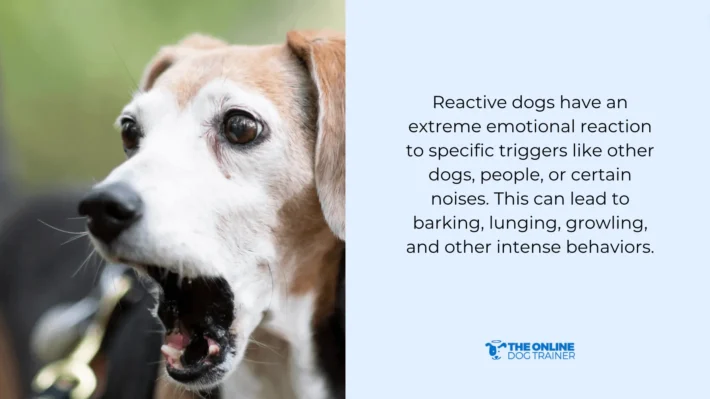
Credit: theonlinedogtrainer.com
Desensitization And Counter-conditioning
Desensitization and counter-conditioning help dogs stop barking at people by changing their feelings. These methods teach dogs to feel calm and happy instead of scared or alert. The goal is to make dogs comfortable around people through slow and positive experiences. This process takes time but leads to lasting changes.
Gradual Exposure To People
Start by showing your dog people from a distance. Keep the distance where your dog feels safe and does not bark. Let your dog watch people without pressure. Slowly bring people closer over many sessions. Always watch your dog’s reactions and stop if they get stressed. This helps your dog get used to people bit by bit.
Pairing With Rewards
Give your dog treats or praise when they stay quiet near people. Use tasty treats your dog loves. Reward calm behavior immediately to make a strong link. This shows your dog that quiet means good things. Keep the rewards coming often, especially at first. This encourages your dog to repeat the calm behavior.
Building Positive Associations
Help your dog connect people with nice experiences. Play games or give treats when people are around. Let your dog meet friendly people who stay calm and gentle. Avoid forcing your dog to interact too soon. Positive meetings teach your dog that people bring joy, not fear. Over time, your dog will bark less and feel happier near people.
Managing The Environment
Managing your dog’s environment plays a crucial role in reducing barking at people. Adjusting what your dog sees and experiences can calm their instincts and lower their urge to bark. Small changes around your home and yard can lead to big improvements in your dog’s behavior.
Limiting Visual Stimuli
Dogs often bark when they see people or other animals outside. You can reduce this by blocking their view of common triggers.
- Use frosted window films or curtains to limit what your dog can see from inside.
- Plant tall shrubs or install privacy fencing to block outside distractions.
- Close blinds during peak times when people tend to walk by.
Think about your dog’s daily routine. Are there specific times when they bark more? Adjusting what they see during those moments can help control their reactions.
Creating Safe Spaces
Your dog needs a quiet spot where they feel secure and less likely to bark. A cozy crate or a corner with their bed can serve as a retreat.
- Choose a low-traffic area inside your home.
- Add familiar toys and blankets to make it inviting.
- Encourage your dog to spend time there, especially when visitors arrive.
I once created a safe space for my own dog near a window with limited view. It helped him relax instead of barking at every passerby. Can you create a similar zone for your dog?
Using Barriers And Leashes
Physical barriers and leashes give you control over your dog’s movements and help prevent unwanted barking.
- Use baby gates to keep your dog away from doors or windows where they tend to bark.
- Keep your dog on a leash during walks near busy areas to redirect their focus.
- Practice calm behavior while your dog is restrained to build positive associations.
Imagine walking your dog past a group of people without a leash. Would your dog be able to resist barking? Barriers and leashes give you the chance to guide their behavior step by step.
When To Seek Professional Help
Some dogs bark at people due to deep anxiety or aggression. Simple training might not help these cases. Recognizing when to get professional help is key. Experts can guide you and your dog through tough challenges. Early help prevents bad habits from growing worse.
Signs Of Severe Anxiety
- Excessive barking that won’t stop
- Shaking or trembling around strangers
- Hiding or trying to escape
- Aggressive behavior toward visitors
- Refusal to eat or play
These signs show your dog may need more than basic training. Severe anxiety can harm your dog’s well-being. A vet or behaviorist can assess the problem clearly.
Behavioral Therapy Options
Behavioral therapy helps change the dog’s response to people. Techniques include:
- Desensitization: Slowly exposing your dog to triggers
- Counter-conditioning: Creating positive associations
- Relaxation training: Teaching calmness
- Structured routines: Providing predictability
Therapy takes time but improves long-term behavior. Professionals tailor plans for each dog’s needs.
Working With Trainers
Professional trainers have experience with difficult barking issues. They use gentle, reward-based methods. Trainers teach owners how to handle triggers safely. Regular sessions build trust between owner and dog. Trainers also help identify hidden causes of barking. Choose trainers certified in positive reinforcement techniques.
Maintaining Long-term Success
Maintaining long-term success in training dogs not to bark at people requires steady effort and attention. Consistency helps your dog remember good behavior. Training is not a one-time event but a continuous process. Keeping up the routine ensures your dog stays calm and friendly around visitors.
Regular Practice
Practice commands and quiet time daily. Short sessions work best to keep your dog focused. Use rewards like treats or praise to encourage silence. Repeating training helps your dog understand what is expected. Consistent practice strengthens good habits over time.
Ongoing Socialization
Expose your dog to different people often. Introduce new faces calmly to reduce anxiety. Socialization teaches dogs to accept strangers without barking. Meeting friends, family, or neighbors helps build confidence. Regular social encounters make your dog more relaxed around people.
Monitoring Behavior Changes
Watch for signs of stress or fear in your dog. Changes in barking might mean your dog feels unsafe. Note new triggers that cause barking and address them early. Adjust training techniques if behavior worsens. Early action prevents bad habits from returning.
Credit: theonlinedogtrainer.com
Frequently Asked Questions
How Can I Stop My Dog From Barking At Strangers?
Consistent training helps reduce barking at strangers. Use positive reinforcement when your dog stays calm. Gradually expose your dog to new people while rewarding quiet behavior. Avoid punishment, as it can increase anxiety and barking.
Why Does My Dog Bark At People Outside?
Dogs bark at strangers due to fear, territorial instincts, or excitement. Barking serves as a warning or communication. Understanding the cause helps tailor effective training methods and reduces unwanted barking.
What Training Methods Work Best For Barking Control?
Positive reinforcement and desensitization are effective training methods. Reward your dog for calm behavior around people. Slowly increase exposure to triggers while maintaining control. Avoid yelling, which can worsen barking habits.
How Long Does It Take To Train Dogs Not To Bark?
Training duration varies by dog and consistency. Most dogs show improvement in a few weeks with daily practice. Patience and persistence are key for lasting behavior change.
Conclusion
Training your dog not to bark at people takes time and patience. Stay calm and consistent with your approach. Reward good behavior to encourage quiet moments. Avoid shouting or punishment, as it can cause fear. Practice regularly in different places to build habits.
Remember, your dog learns best through kindness and clear signals. Soon, visits will feel peaceful for both of you. Keep working gently, and barking will decrease naturally. Patience and love create a happy, calm dog.