Are you wondering if it’s okay to feed your puppy adult wet dog food? You want to give your furry friend the best nutrition, but the options can be confusing.
Choosing the right food now is important because it affects your puppy’s growth and health. Keep reading to discover what you need to know before making this decision—your puppy’s well-being depends on it.
Puppy Nutritional Needs
Puppies have unique nutritional needs that differ significantly from adult dogs. Their growing bodies require a diet that supports rapid development, strong bones, and a healthy immune system. Understanding these needs helps you make informed choices about their food, especially when considering whether adult wet dog food is suitable.
Growth Requirements
Puppies need more calories per pound of body weight than adult dogs because they burn energy quickly. This energy supports their active play, learning, and natural growth spurts. Feeding a diet formulated specifically for puppies ensures they get the right balance of calories without overeating or missing key nutrients.
Think about your own growth as a child—did you eat the same food as adults around you? Probably not. Puppies are no different; their food needs to fuel their rapid development.
Key Nutrients For Puppies
Puppy food contains higher levels of protein and fat than adult dog food. Protein helps build muscles and repair tissues, while fat provides essential energy. Puppies also need more calcium and phosphorus to develop strong bones and teeth.
- DHA: Supports brain and eye development.
- Vitamins E and C: Boost the immune system.
- Antioxidants: Protect cells during rapid growth.
Adult wet dog food often lacks these higher concentrations of key nutrients. Have you noticed how some puppy foods specifically highlight DHA or extra calcium? Those details matter because your puppy’s body is building foundations for life.
Differences Between Puppy And Adult Dog Food
Understanding the differences between puppy and adult dog food is crucial. Puppies have different nutritional needs compared to adult dogs. Choosing the right food ensures they grow strong and healthy.
Nutrient Composition
Puppy food contains more protein than adult dog food. Protein supports muscle and tissue growth. Puppies need higher levels of certain vitamins and minerals. These nutrients aid bone development and immune support. Adult food has balanced nutrients for maintenance, not growth.
Calorie Content
Puppies burn more calories due to their high energy levels. Their food has a higher calorie content to support growth and activity. Adult dogs require fewer calories to maintain their weight. Feeding adult food to puppies can lead to nutrient deficiencies.
Ingredient Variations
Puppy food often includes specific fats and oils. These ingredients support brain development and coat health. Adult dog food might have different fiber sources. Fiber helps maintain digestive health in older dogs. Ingredients are chosen based on the dog’s life stage needs.
Risks Of Feeding Adult Wet Food To Puppies
Feeding your puppy adult wet dog food might seem like a convenient option, but it comes with several risks you should consider carefully. Puppies have unique nutritional needs that differ significantly from adult dogs. Ignoring these differences can lead to serious health problems and slow growth.
Potential Nutritional Deficiencies
Adult wet dog food often lacks the right balance of nutrients essential for a growing puppy. For example, puppies need more protein, fat, and certain vitamins like calcium and phosphorus to support bone development. Feeding adult food can result in deficiencies, which might stunt growth or weaken your puppy’s immune system.
Have you ever noticed your puppy seeming less energetic or struggling with development milestones? These could be signs of missing nutrients. It’s not just about quantity but the right quality and ratio of nutrients that makes all the difference.
Digestive Issues
Your puppy’s digestive system is still maturing and may not handle adult wet food well. Ingredients in adult formulas can be too rich or heavy, causing upset stomach, diarrhea, or constipation. These problems can lead to dehydration and discomfort, making your puppy miserable.
Think about how your puppy reacts after meals. If you spot any digestive troubles, switching back to puppy-specific food can make a big difference. Keeping their tummy happy is key to healthy growth and overall wellbeing.
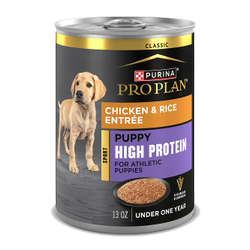
Credit: www.purina.com
When Adult Wet Food Might Be Appropriate
Knowing when adult wet food might be suitable for your puppy can help you make better feeding decisions. While puppies usually need special nutrition, there are moments when adult wet food fits their needs. Understanding these situations ensures your pup stays healthy and happy.
Veterinary Recommendations
Your vet is the best guide for your puppy’s diet. Sometimes, health issues or allergies require a switch to adult wet food temporarily or permanently. If your puppy has digestive problems, your vet might suggest adult formulas that are easier to digest.
Never change your puppy’s food without consulting your vet. They can recommend the right type and amount of adult wet food if it suits your pup’s condition. Have you ever noticed your pup struggling with certain foods? That could be a sign to seek professional advice.
Transitioning Phases
There’s a natural phase when puppies move from puppy food to adult food, usually around 9 to 12 months. Introducing adult wet food during this time can be helpful to ease the transition. Mixing small amounts of adult wet food with puppy food gradually helps your pup adjust without stomach upset.
Transitioning slowly also helps you observe how your puppy reacts to the new diet. Watch for any changes in energy, digestion, or coat health. You might find that a gradual introduction makes your puppy more willing to try adult wet food and enjoy it.
Choosing The Right Wet Food For Puppies
Choosing the right wet food for puppies is crucial for their health and growth. Puppies need food that supports their developing bodies. Wet food can be a great choice because it is easy to chew and digest. It also helps keep puppies hydrated. Picking the best wet food means paying attention to several key factors.
Reading Labels
Labels show what is inside the food. Look for foods made especially for puppies. Check the guaranteed analysis for protein, fat, and moisture levels. Protein should be higher for puppies than adult dogs. Avoid foods with vague terms like “meat by-products.” Look for clear ingredient lists that name real meat sources.
Quality Ingredients
Good wet food uses high-quality ingredients. Real meat or fish should be the first item. Whole grains like brown rice or oats provide energy. Vegetables add fiber and vitamins. Avoid fillers like corn or wheat as main ingredients. Balanced nutrition helps puppies grow strong bones and muscles.
Avoiding Harmful Additives
Some additives can harm a puppy’s health. Avoid artificial colors, flavors, and preservatives. Ingredients like BHA, BHT, and ethoxyquin are best left out. Natural preservatives like vitamin E are safer. Too many additives can cause allergies or upset stomachs. Clean, simple formulas keep puppies healthy and happy.
Feeding Schedule And Portion Control
Managing your puppy’s feeding schedule and portion control is essential, especially if you’re considering mixing adult wet dog food into their diet. Feeding your puppy the right amount at the right times supports their growth and prevents overeating. It also helps you monitor how well they tolerate new food types, like adult formulations.
Meal Frequency
Puppies need more frequent meals than adult dogs because they have smaller stomachs and higher energy needs. Typically, feeding your puppy three to four times a day works best until they reach about six months old. After that, you can gradually reduce feedings to two meals daily.
When introducing adult wet dog food, keep the same meal frequency to avoid upsetting your puppy’s digestion. Watch for any changes in appetite or energy levels and adjust if necessary. Have you noticed if your puppy prefers smaller, more frequent meals or fewer larger ones?
Portion Sizes By Age And Weight
Portion control depends largely on your puppy’s age, weight, and activity level. Younger puppies need smaller portions spread out, while older puppies require bigger servings to meet their growth demands.
| Age | Weight | Approximate Portion Size (Adult Wet Food) |
|---|---|---|
| 8-12 weeks | 5-10 lbs | ¼ to ½ cup per meal |
| 3-6 months | 10-25 lbs | ½ to 1 cup per meal |
| 6-12 months | 25-50 lbs | 1 to 1½ cups per meal |
Always check the feeding guidelines on the adult wet dog food label and adjust based on your puppy’s body condition. If your puppy looks too thin or gains too much weight, tweak the portions accordingly. Have you tried measuring your puppy’s food before feeding to keep portions consistent?
Tips For A Smooth Food Transition
Transitioning a puppy to adult wet dog food requires care and patience. A smooth change helps avoid digestive issues and keeps your puppy happy. Follow simple tips to make the switch easy and stress-free for your pet.
Gradual Mixing Techniques
Start by mixing a small amount of adult wet food with the puppy food. Increase the adult food portion slowly over 7 to 10 days. This helps your puppy adjust to new tastes and textures. Keep the total food amount the same to avoid overeating. Watch your puppy’s eating habits to ensure they like the new mix.
Monitoring Puppy’s Response
Observe your puppy’s stool and energy levels daily. Healthy stools mean the food suits your puppy well. Look for signs like vomiting, diarrhea, or loss of appetite. If any signs appear, slow down the transition or consult a vet. Keep track of your puppy’s weight to ensure proper growth. Respond quickly to any changes to keep your puppy healthy.
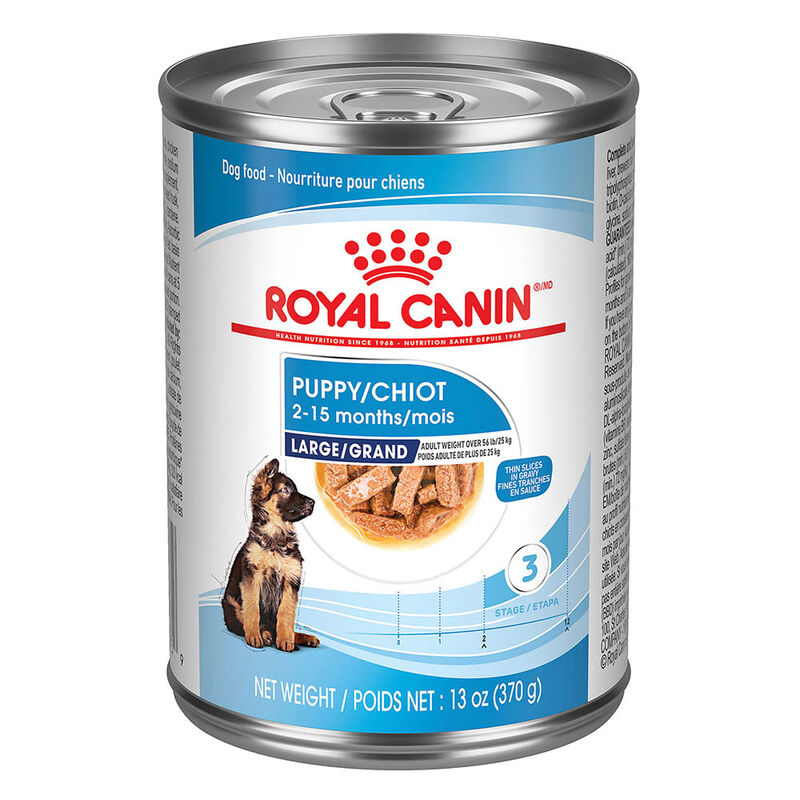
Credit: www.renspets.com
Homemade Vs Commercial Wet Food
Choosing between homemade and commercial wet food for your puppy involves several factors. Both options offer unique benefits and drawbacks. Understanding these can help you decide what suits your puppy best.
Homemade wet food allows full control over ingredients. You can tailor meals to your puppy’s preferences and needs. Commercial wet food provides convenience and balanced nutrition in every can or pouch. Each choice impacts your puppy’s health and happiness differently.
Pros And Cons
| Type | Pros | Cons |
|---|---|---|
| Homemade Wet Food |
|
|
| Commercial Wet Food |
|
|
Safety Considerations
Homemade food must be prepared carefully to avoid harmful bacteria. Always cook meat thoroughly and wash hands well. Avoid toxic ingredients like onions, garlic, and certain spices.
Commercial wet food follows strict safety standards and quality checks. Check labels for recalls and expiration dates. Introduce new foods gradually to monitor your puppy’s reaction.
Common Feeding Mistakes To Avoid
Feeding a puppy requires careful attention. Mistakes can cause health issues and slow growth. Understanding common feeding errors helps keep your puppy healthy and happy.
Overfeeding
Giving too much food leads to weight gain and health problems. Puppies need the right amount for their size and age. Overfeeding can cause upset stomachs or obesity. Follow feeding guidelines on the package or ask a vet. Measure meals carefully and avoid free feeding.
Ignoring Puppy’s Preferences
Puppies have different tastes and needs. Forcing food they dislike can cause them to refuse eating. Pay attention to what your puppy enjoys. Offer a variety of textures and flavors to find the best fit. This encourages good eating habits and proper nutrition.
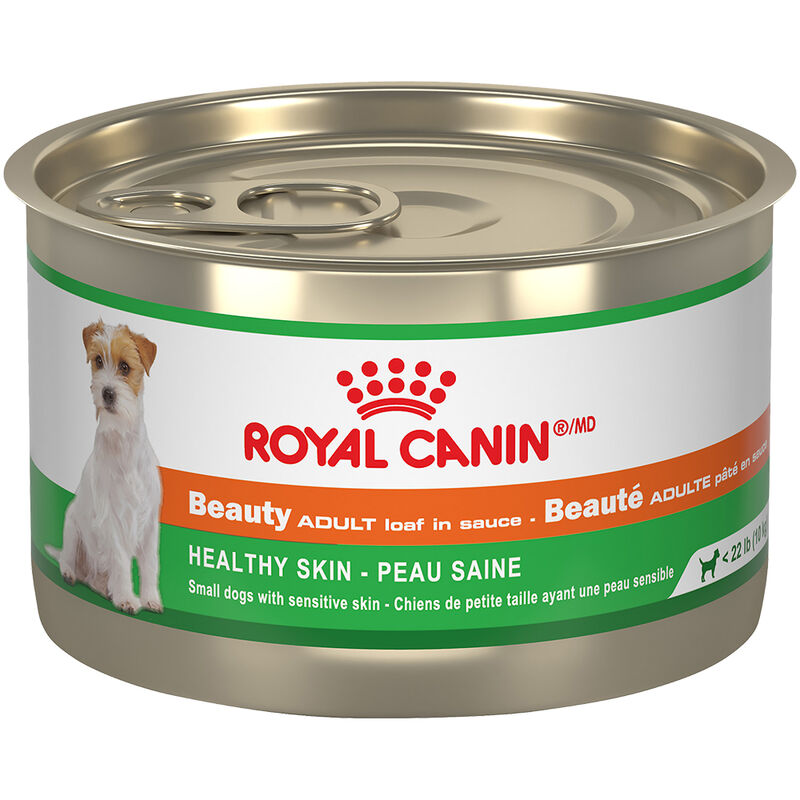
Credit: www.renspets.com
Frequently Asked Questions
Can Puppies Eat Adult Wet Dog Food Safely?
Puppies can eat adult wet dog food occasionally, but it lacks essential nutrients for growth. Puppy food supports proper development with higher protein and calorie content. Regularly feeding adult food may cause nutritional deficiencies in puppies.
When Should I Switch My Puppy To Adult Wet Food?
Switch to adult wet dog food around one year old or as recommended by your vet. The transition depends on breed size and growth rate. Gradually mix adult food with puppy food to ease the change.
What Are Risks Of Feeding Puppies Adult Dog Food?
Feeding puppies adult dog food can lead to nutritional imbalances. Adult formulas have lower calories, proteins, and fats needed for puppy growth. This may cause slowed development, weak bones, or digestive issues in young dogs.
Can Adult Wet Dog Food Cause Digestive Issues In Puppies?
Yes, adult wet dog food may upset a puppy’s digestion due to different nutrient levels. Puppies need specially formulated diets to support their sensitive stomachs. Using puppy food helps maintain healthy digestion and nutrient absorption.
Conclusion
Puppies need special food to grow strong and healthy. Adult wet dog food may not have the right nutrients for them. Feeding puppies adult food often can cause stomach problems or slow growth. Always check labels and talk to a vet before changing your puppy’s diet.
Choosing the right food helps your puppy stay happy and active. Proper nutrition builds a good foundation for a long life. Keep your puppy’s needs in mind to give them the best start.