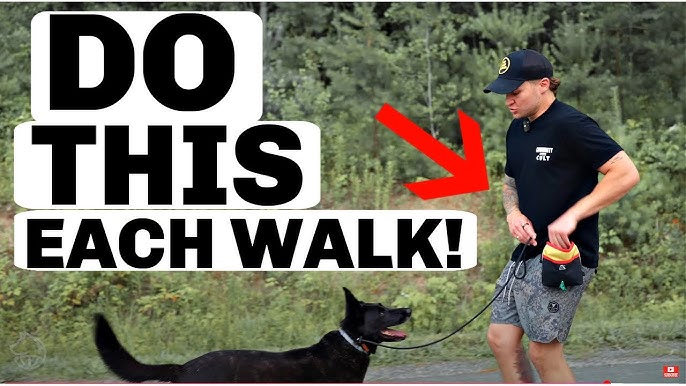

Do you struggle every time you take your dog for a walk because they pull ahead or lag behind? Imagine walking side by side, your dog calmly matching your pace, making every stroll enjoyable and stress-free.
Training your dog to walk next to you isn’t just about control—it’s about building trust and a stronger bond. In this guide, you’ll discover simple, effective steps to transform your walks and turn them into a peaceful, happy experience for both you and your furry friend.
Ready to make those walks something you both look forward to? Let’s get started!
Choosing The Right Equipment
Choosing the right equipment is essential for teaching your dog to walk calmly by your side. The gear you pick can either make training easier or create frustration for both of you. It’s not just about comfort, but also control and safety.
Selecting A Suitable Leash
Opt for a leash that gives you good control without causing discomfort to your dog. A standard 4 to 6-foot leash works best for training because it keeps your dog close but allows some freedom.
Materials like nylon or leather are durable and easy to handle. Avoid retractable leashes during training—they encourage pulling and reduce your control.
Think about the leash’s thickness too; a thicker leash might be hard for small dogs to carry, while a thin leash may be too weak for bigger breeds.
Picking The Best Collar Or Harness
Choosing between a collar and a harness depends on your dog’s size, breed, and behavior. Collars are simple but can strain your dog’s neck if they pull hard.
Harnesses distribute pressure across the body and are often better for dogs that pull or have respiratory issues. Look for harnesses with a front-clip option; this helps redirect your dog’s attention toward you during walks.
Make sure the collar or harness fits snugly but not too tight—you should be able to slide two fingers underneath. Ill-fitting gear can cause discomfort and distract your dog from learning.
Credit: www.youtube.com
Preparing Your Dog For Training
Preparing your dog for training is a crucial step that sets the foundation for success. Before expecting your dog to walk calmly beside you, it’s important to ensure they understand basic commands and feel relaxed in the training environment. This preparation helps reduce distractions and builds a connection that makes learning smoother and more enjoyable for both of you.
Building Basic Commands
Start by teaching your dog simple commands like “sit,” “stay,” and “come.” These commands create a language you both understand, making it easier to guide your dog during walks. Use treats or praise to reward your dog immediately when they follow a command correctly.
Keep training sessions short and frequent to maintain your dog’s attention. I noticed my dog became more responsive when I praised him with a happy voice and a quick pet right after he obeyed. How can you make your rewards more motivating?
Setting A Calm Environment
Choose a quiet, familiar space for your first training sessions to help your dog focus. Avoid busy parks or noisy streets until your dog shows good control. A calm environment reduces stress and distractions, allowing your dog to concentrate on your commands.
Try to stay relaxed yourself, as dogs pick up on your energy. When I felt calm and patient, my dog mirrored that attitude, making training less frustrating. What small changes can you make in your surroundings to help your dog stay calm and attentive?
Starting The Heel Training
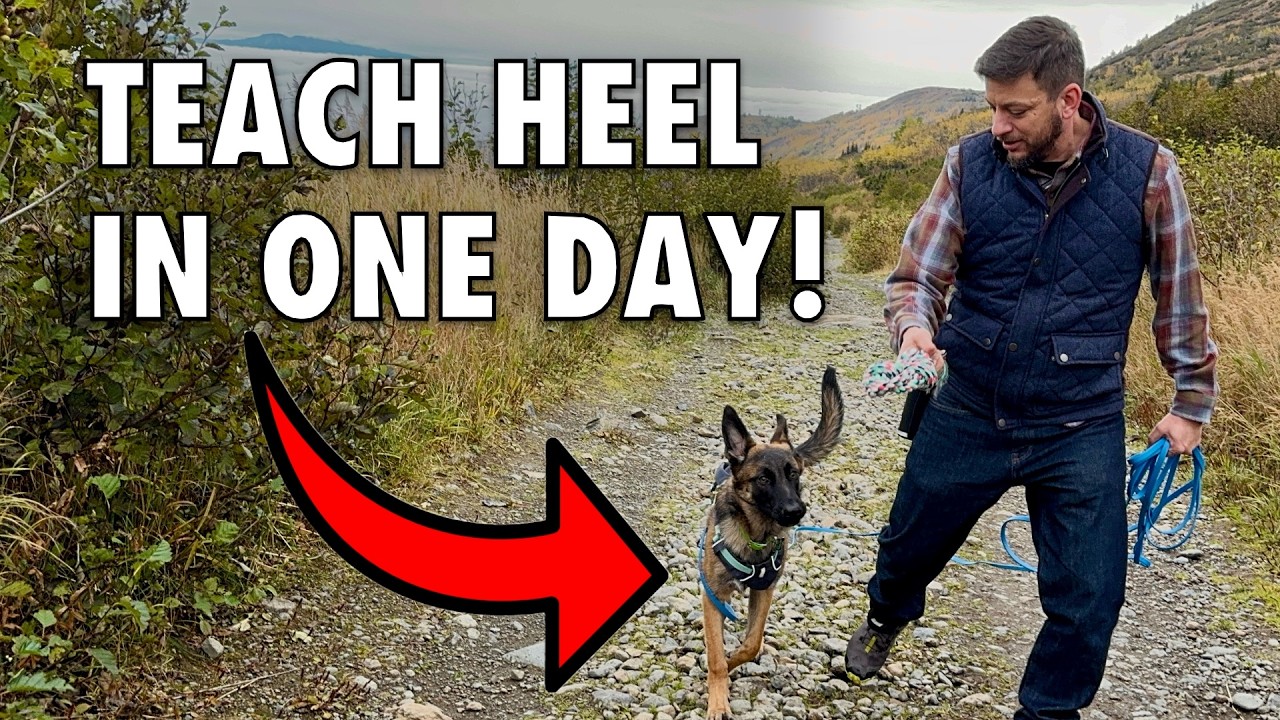
Begin by choosing a quiet place with few distractions. Use treats to encourage your dog to stay close and walk beside you. Keep sessions short and praise your dog often to build good habits.
Starting the heel training with your dog can be both a rewarding and challenging experience. The goal is to have your dog walk calmly by your side, making walks more enjoyable for both of you. This part of the training requires patience, consistency, and a clear understanding of what you expect from your furry friend.Introducing The Heel Position
Begin by choosing a quiet, distraction-free area for training. Stand with your dog on your left side, using a short leash to maintain control. Gently guide your dog into position by using a treat as a lure. Keep the treat close to your left leg to encourage your dog to stay beside you. Once your dog is in position, use a command like “heel” to signal that this is where you want them to be. Repeat this process several times until your dog associates the command with the position.Using Treats And Rewards
Rewards are a powerful motivator for dogs, and treats are especially effective during heel training. Keep a supply of small, tasty treats in your pocket to maintain your dog’s interest. When your dog stays in the heel position, immediately reward them with a treat and plenty of praise. This positive reinforcement helps them understand that staying by your side is a good thing. Over time, you can gradually reduce the frequency of treats, but always continue to praise your dog for staying in position. Consistency in rewarding your dog helps solidify the behavior, making heel walking a natural part of your walks together. Have you ever wondered why some dogs seem to heel effortlessly while others pull ahead? The secret often lies in the consistency and patience of the training process. Embrace each session as an opportunity to bond and communicate with your dog.Practicing Consistently
Practicing consistently is key to teaching your dog to walk beside you. Regular practice helps your dog understand what you expect. It builds good habits and strengthens your bond. Patience and repetition create success over time. Practice in different places to keep your dog attentive. Consistency avoids confusion and speeds up learning.
Short And Frequent Sessions
Keep training sessions brief but regular. Aim for 5 to 10 minutes at a time. Short sessions hold your dog’s attention better. Training too long can cause frustration for both of you. Practice multiple times a day if possible. Frequent sessions help your dog remember commands clearly. End each session on a positive note.
Gradually Increasing Distractions
Start training in a quiet place with few distractions. Once your dog walks well, add small distractions. Try practicing near a park or sidewalk. Let your dog see other people or animals at a distance. Increase distractions slowly to keep your dog focused. This helps your dog learn to walk next to you anywhere. Praise your dog for ignoring distractions and staying close.
Handling Common Challenges
Training your dog to walk calmly beside you takes patience and practice. Challenges can slow progress and cause frustration. Recognizing common issues helps you address them effectively. Consistent effort builds better walking habits and a stronger bond.
Managing Pulling Behavior
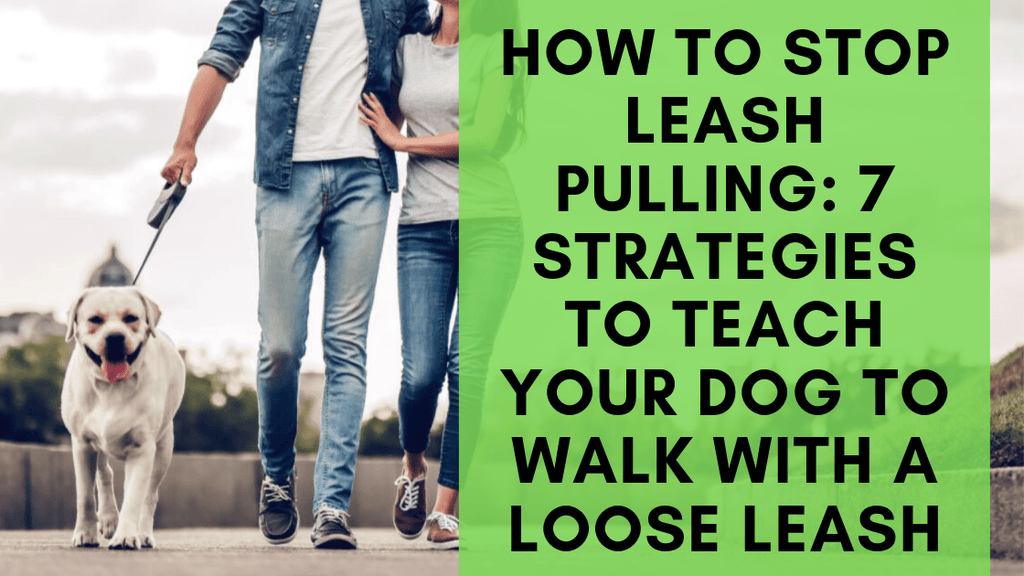
Pulling on the leash is a frequent problem during walks. Dogs pull because they want to explore or move faster. Stop walking as soon as your dog pulls. Stand still and wait until the leash relaxes. Reward your dog with treats or praise when walking calmly. Use a short leash to keep control. Change direction if your dog pulls hard. This shows your dog that pulling does not get them ahead.
Dealing With Distractions
Distractions like other dogs, noises, or smells can break your dog’s focus. Keep your dog’s attention by using treats or a favorite toy. Practice walking in quiet areas first. Gradually move to places with more distractions. Use a calm and firm voice to regain focus. Avoid harsh punishments; they can increase anxiety. Reward your dog for looking at you instead of distractions. Patience and short training sessions help improve focus over time.
Credit: www.diamondpet.com
Reinforcing Good Behavior
Reinforcing good behavior is the key to making walking next to you a natural habit for your dog. It’s about recognizing the moments your dog gets it right and rewarding those efforts consistently. This positive cycle helps your dog understand exactly what you expect during your walks.
Positive Reinforcement Techniques
Use treats, praise, or a favorite toy to reward your dog immediately when they walk beside you calmly. Timing is crucial—reward right when your dog is in the correct position to connect the behavior with the reward.
Try using a clicker or a consistent verbal marker like “Yes!” to mark the good behavior. This helps your dog learn faster and makes the training clearer.
Mix up your rewards to keep your dog interested. Sometimes use treats, other times just enthusiastic praise or a quick play session. This variety keeps your dog motivated without relying solely on food.
Maintaining Training Over Time
Consistency is your best friend here. Practice daily, even if it’s just for a few minutes, to keep your dog sharp on walking by your side.
Gradually reduce treats but never stop praising. This shift helps your dog learn to behave without always expecting a food reward.
Challenge your dog by walking in different environments with more distractions. If your dog stays focused on walking next to you despite these challenges, your training is working.
Ask yourself: How often do you reward your dog now compared to when you started? Are your walks smoother and more enjoyable? These questions help track your progress and keep you engaged in the training process.
Tips For Different Dog Breeds
Training your dog to walk next to you requires different approaches depending on their breed and size. Each breed has unique traits that affect their walking behavior and learning style. Understanding these differences helps you choose the right techniques and keeps training effective and enjoyable for both of you.
Training Small Breeds
Small dogs often have big personalities packed into tiny frames. Their size makes them quick and sometimes more easily distracted. To keep your small dog walking calmly by your side, use lightweight leashes and harnesses that don’t restrict their movement but give you control.
Short, frequent training sessions work best since small breeds can lose focus quickly. Use high-value treats like tiny bits of cheese or chicken to keep their attention. If your small dog tends to dart around, practice walking in quiet areas first before trying busy streets.
Have you noticed how your small dog reacts differently to leash pressure? Pay close attention to their signals and adjust gently. This responsiveness makes training smoother and builds trust.
Approaching Large And Energetic Dogs
Large and energetic dogs need more space and a stronger sense of discipline during walks. Their strength can easily pull you off balance if they get excited or distracted. Start training with a sturdy leash and a well-fitted harness that gives you better control.
Energy management is key. Before going for a walk, let your dog expend some energy through play or basic obedience drills. This helps reduce pulling and jumping once you hit the sidewalk.
Consistency in commands like “heel” and “stay” is crucial. Use firm but calm voice tones to communicate clearly. Have you tried rewarding calm behavior with longer leash freedom? This can motivate your dog to stay close without feeling restricted.
Credit: lecturenotes.ieceenugu.edu.ng
Frequently Asked Questions
How Long Does It Take To Train A Dog To Heel?
Training time varies by dog breed and age, usually between two to six weeks. Consistent daily practice speeds up learning. Patience and positive reinforcement are key to success.
What Is The Best Leash For Walking My Dog?
A standard 4 to 6-foot leash offers control and comfort. Avoid retractable leashes as they reduce control. Choose a leash made of durable material like nylon or leather.
How Do I Keep My Dog Focused While Walking?
Use treats and praise to reward attention. Keep training sessions short and engaging. Avoid distractions like other dogs or loud noises during early walks.
Can I Train My Dog To Walk Without Pulling?
Yes, teach loose leash walking by stopping when your dog pulls. Use treats to encourage walking beside you. Consistency and patience are essential for this training.
Conclusion
Training your dog to walk next to you takes time and patience. Stay calm and consistent during every walk. Use treats and praise to encourage good behavior. Keep training sessions short and fun for your dog. Remember, every dog learns at its own pace.
Enjoy the process and celebrate small successes. Walking together builds a stronger bond between you and your dog. Keep practicing, and soon your walks will be peaceful and enjoyable.
