

You want the best for your puppy, and feeding them the right food is a big part of that. But when exactly should you switch your puppy to adult dog food?
Making this change too early or too late can affect your dog’s health and growth. You’ll learn the signs to watch for and the best time to make the switch. Keep reading to ensure your furry friend gets the nutrition they need at every stage of life.
Puppy Growth Stages
Puppy growth happens in clear stages. Each stage needs specific care and nutrition. Understanding these stages helps decide the right time to switch to adult dog food. Puppies grow fast and their bodies change quickly. Their diet must support their growing bones, muscles, and energy needs. Let’s explore the main puppy growth stages to know when to adjust their food.
From Newborn To Weaning
Newborn puppies rely fully on their mother’s milk. It provides all necessary nutrients and antibodies. During this time, their digestive systems are still fragile. At about 3 to 4 weeks, puppies begin weaning. They start to eat soft, mushy food alongside milk. This transition prepares their bodies for solid food. Careful monitoring ensures they get enough nutrition and hydration.
Rapid Growth Phase
This phase lasts from about 6 weeks to 6 months. Puppies grow very fast in this period. Their bones and muscles develop quickly and need extra nutrients. High protein and fat levels in food support this rapid growth. Energy needs are higher, and puppies become more active. Feeding them food made for puppies helps meet these needs. It contains balanced nutrients and vitamins essential for healthy development.
Approaching Maturity
Between 6 months and 1 year, puppies begin to slow their growth. Their bodies prepare to reach adult size. Nutrient requirements change during this stage. Food rich in calories and protein may no longer be necessary. Gradually, puppies can transition to adult dog food. This switch supports steady health without excess weight gain. The exact time varies by breed and size. Larger breeds mature slower, needing puppy food longer. Smaller breeds mature faster and may switch earlier.
Nutritional Needs Of Puppies
Puppies have very specific nutritional needs that differ greatly from adult dogs. Feeding your puppy the right food supports healthy growth and development. Understanding these needs helps you decide the perfect time to switch from puppy to adult dog food.
High Energy Requirements
Puppies burn a lot of energy as they grow rapidly and play actively. They need more calories per pound of body weight than adult dogs. If you’ve ever watched a puppy zoom around nonstop, you know why their food must fuel all that energy.
Providing enough calories helps prevent low energy and supports healthy organ development. Skimping on calories can slow growth and affect their overall health.
Essential Nutrients
Puppies require a balanced mix of nutrients to build strong bones, muscles, and a healthy immune system. Key nutrients include:
- Protein:Needed for muscle growth and repair.
- Fatty acids:Support brain development and a shiny coat.
- Calcium and phosphorus:Critical for bone strength.
- Vitamins and minerals:Boost immune function and metabolism.
Choosing food rich in these nutrients helps your puppy grow into a strong adult dog.
Differences From Adult Dogs
Adult dog food is designed to maintain weight and health, not support growth. It usually has fewer calories and different nutrient ratios than puppy food. Feeding adult food too early may cause your puppy to miss out on vital nutrients.
Have you noticed how picky puppies are? Their taste buds and digestive systems are tuned to nutrient-rich puppy food, which differs from adult formulas. Transitioning too soon can lead to nutritional gaps or digestive issues.
Signs Your Puppy Is Ready
Transitioning your puppy to adult dog food is a big step. Recognizing the right time ensures their health and growth continue smoothly. This section highlights the signs your puppy is ready for this change.
Physical Indicators
Puppies grow rapidly, and physical changes show readiness for adult food. Look at their size. Puppies nearing adult size often indicate it’s time. Check their weight. A stable weight suggests maturity. Observe their coat. A shiny, healthy coat means they’re thriving and may be ready.
Behavioral Changes
Notice changes in your puppy’s behavior. Increased energy levels can signal maturity. Observe their eating habits. Eating less or seeming disinterested might suggest they need more nutrients. Social behavior changes also hint at readiness. More independence shows growth.
Veterinary Recommendations
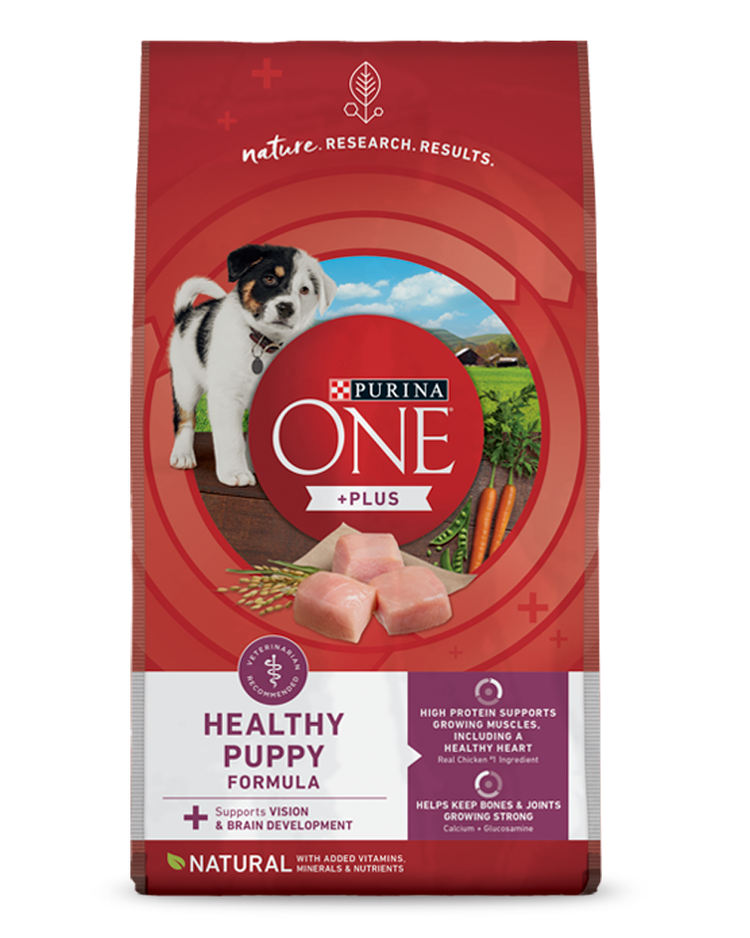
Your vet’s advice is crucial. Regular check-ups provide insight into your puppy’s health. Vets assess growth and development stages. They offer personalized food transition advice. Discuss any concerns with them. Their expertise guides your decisions effectively.
Credit: www.purina.com
Timing To Switch To Adult Food
Choosing the right time to switch your puppy to adult dog food is important for healthy growth. Puppies have different nutritional needs than adult dogs. Feeding adult food too early or too late can affect their development. Observe your puppy’s growth and energy to decide the best moment to make the change.
Breed Size Considerations
Small and large breeds grow at different rates. Small breeds reach adulthood faster, usually around 9 to 12 months. Large breeds take longer, often 12 to 18 months. Switching too soon can cause growth problems in large breeds. Tailor the switch based on your puppy’s breed size and growth speed.
Age Guidelines
Puppies generally move to adult food between 9 and 18 months. Most small breeds start adult food near 9 to 12 months. Medium and large breeds often start between 12 and 18 months. Check your puppy’s weight and size against breed standards to find the right age.
Health Factors
Your puppy’s health affects the food switch timing. Puppies with slow growth or health issues may need special diets longer. Consult a vet if your puppy has allergies, digestive problems, or weight concerns. A vet can recommend the best time and type of adult food.
How To Transition Food Safely
Switching your puppy from puppy food to adult dog food needs careful attention. A sudden change can upset your puppy’s tummy or cause picky eating habits. To make this change smooth, focus on a gradual and mindful process that respects your puppy’s digestive system and preferences.
Gradual Mixing Method
Start by mixing a small amount of adult food into your puppy’s regular meal. Try a ratio of 25% adult food to 75% puppy food for the first few days. Slowly increase the adult food portion every 3-4 days until you reach 100% adult food.
This slow shift helps your puppy’s gut adjust without causing diarrhea or vomiting. Think about how your puppy reacts on day three before increasing the adult food. Have you noticed your puppy eagerly eating or hesitating at the new mix?
Monitoring Reactions
Watch your puppy closely during the transition. Look for changes in stool consistency, appetite, energy levels, and overall mood. If you see signs of digestive upset like loose stools or vomiting, pause the transition or slow it down.
Sometimes, subtle signs like less enthusiasm at mealtime can mean your puppy isn’t ready for the new food. Ask yourself—could your pup be rejecting the taste or is it a digestive issue? Adjust accordingly based on these observations.
Adjusting Portions
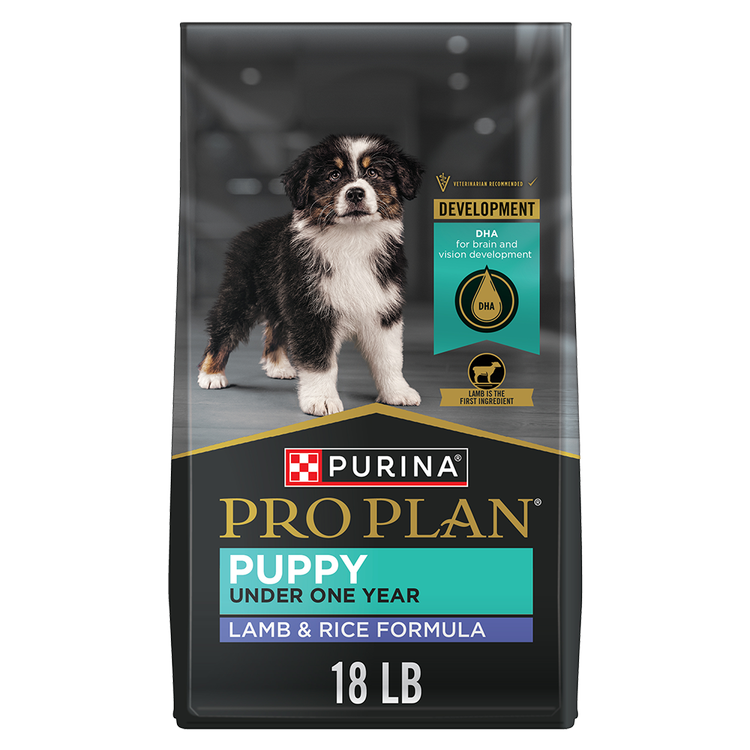
Once your puppy is fully on adult food, keep an eye on portion sizes. Adult dogs need fewer calories than growing puppies, so reduce the amount gradually to avoid weight gain. Follow the feeding guidelines on the adult dog food package but customize portions based on your dog’s activity and body condition.
Have you checked your puppy’s weight or body shape lately? It’s an easy way to tell if you need to tweak portions. Feeding just the right amount keeps your dog healthy and happy long term.
Credit: www.purina.com
Common Mistakes To Avoid
Changing your puppy’s food to adult dog food is a big step. Mistakes during this switch can affect your dog’s health and growth. Avoiding common errors helps your puppy stay healthy and happy. Watch out for these common mistakes that pet owners often make.
Switching Too Early
Switching puppy food to adult food too soon can cause problems. Puppies need special nutrients for growing bones and muscles. Adult food may lack these essential nutrients. Wait until your puppy reaches the right age before switching. Usually, this is around one year old but varies by breed.
Ignoring Breed Differences
Different breeds grow at different rates. Large breeds need a slower transition to adult food. Small breeds mature faster and may switch sooner. Ignoring these differences can lead to poor nutrition or weight issues. Learn your breed’s needs before changing their diet.
Overfeeding Or Underfeeding
Feeding too much adult food can cause weight gain and health issues. Feeding too little can cause nutrient deficiencies. Follow feeding guidelines on the food package. Adjust portions as your dog’s activity and weight change. Monitor your dog’s body condition regularly.
Benefits Of Proper Timing
Timing is crucial when switching your puppy to adult dog food. Making the change too early or too late can impact your dog’s health in ways you might not expect. Understanding the benefits of proper timing helps you support your pup’s growth and overall well-being.
Healthy Development
Puppies need specific nutrients to build strong bones, muscles, and organs. Puppy food is formulated with extra protein and calories for this rapid growth phase. Switching to adult food too soon can mean missing out on these vital nutrients, slowing down development.
On the other hand, staying on puppy food for too long can lead to unnecessary weight gain. Have you noticed how your dog’s energy levels and coat condition change during growth? Proper timing ensures balanced nutrition that matches your pup’s changing needs.
Weight Management
Adult dog food is designed with fewer calories and fat compared to puppy food. If you delay the switch, your dog might gain extra weight, putting stress on joints and organs. This can lead to health problems down the road.
Switching at the right time helps maintain a healthy weight. You can also avoid the frustration of dealing with obesity-related issues. Have you checked your puppy’s body condition lately? It might guide you on when to start the transition.
Long-term Wellness
Proper timing in switching diets sets your dog up for a longer, healthier life. Adult dog food often includes ingredients that support joint health, digestion, and immune function suited for mature dogs. Giving your dog the right food at the right time builds a strong foundation for wellness.
Think about your puppy as an investment in your future companionship. Feeding them correctly now reduces the risk of costly vet visits later. Are you ready to make a choice that benefits your dog’s health for years to come?

Credit: pupford.com
Frequently Asked Questions
When Is The Right Age To Switch Puppy Food?
Most puppies transition to adult dog food between 9 to 12 months old. Large breeds may switch closer to 12 months, while smaller breeds can start around 9 months. Always consult your vet for specific advice based on your puppy’s breed and growth rate.
How To Safely Transition From Puppy To Adult Food?
Gradually mix adult food with puppy food over 7 to 10 days. Increase adult food portion slowly while reducing puppy food. This helps prevent digestive upset and allows your puppy to adjust to the new diet comfortably.
What Are Signs My Puppy Is Ready For Adult Food?
Look for slowed growth and decreased calorie needs. If your puppy shows steady weight and energy, it’s a good time to switch. Consult your vet if unsure, especially for large or small breed puppies.
Can Switching Too Early Harm My Puppy?
Yes, switching too early can cause nutritional deficiencies. Puppies need more protein and calories for growth. Prematurely changing to adult food may stunt growth or cause health issues. Follow vet recommendations for timing the switch.
Conclusion
Switching your puppy to adult dog food is an important step. Watch their growth and weight closely. Most puppies start the change around one year old. Always choose food made for adult dogs. Consult your vet for the best time and type.
Changes should be slow to avoid stomach upset. Healthy food helps your dog stay strong and happy. Remember, each dog grows at its own pace. Take your time, and your dog will thrive.