Are you wondering when to switch your dog to adult food? It’s a question every pet owner faces.
Feeding your dog the right food at the right time is key to their health and happiness. But how do you know the perfect moment to make the change? You’ll discover simple signs and expert tips that help you make the best choice for your furry friend.
Keep reading to ensure your dog gets the nutrition they need as they grow.
Credit: www.purina.com
Puppy Vs Adult Dog Food
Puppy food and adult dog food are designed for different life stages. Puppies need extra nutrients to support fast growth. Adult dogs require balanced nutrition to maintain health and energy. Feeding the right food is important for your dog’s wellbeing.
Key Nutritional Differences
Puppy food has higher calories and protein. This supports muscle and bone development. It also contains more fat for energy. Adult dog food has fewer calories to prevent weight gain. It focuses on maintaining healthy organs and skin. Vitamins and minerals differ to match life stage needs.
- Puppy Food:More protein, fat, calories, and DHA for brain growth
- Adult Food:Balanced protein and fat, less calories, nutrients for maintenance
Why Transition Matters
Switching food at the right time avoids health problems. Feeding puppy food too long can cause obesity. Using adult food too soon may slow growth. Gradual change helps your dog adjust to new nutrition. It reduces stomach upset and digestive issues.

Credit: dogsauce.co
Ideal Age For Switching
Knowing the ideal age to switch your dog to adult food is crucial for their health and development. Feeding adult food too early or too late can affect their growth, energy levels, and overall wellbeing. The right timing depends largely on your dog’s breed and size, as different breeds mature at different rates.
Small Breeds Timeline
Small breed dogs grow quickly and often reach adulthood faster than larger breeds. You can usually switch them to adult food around 9 to 12 months of age. If you have a tiny breed like a Chihuahua or a Yorkshire Terrier, watch for signs like steady weight and slowed growth before making the change.
Medium Breeds Timeline
Medium-sized dogs mature a bit slower, so it’s best to wait until they are about 12 months old. Breeds like Beagles or Cocker Spaniels benefit from continuing puppy food a little longer to support their developing joints and muscles. If your dog is very active or still seems to be growing, hold off on switching for a few more weeks.
Large Breeds Timeline
Large breeds take the longest to mature, sometimes up to 18-24 months. Dogs like Golden Retrievers, Labradors, or German Shepherds need puppy food formulated for large breeds to support bone and joint health. Switching to adult food too early can lead to growth problems, so patience is key here.
Have you noticed changes in your dog’s energy or appetite as they grow? These clues can help you decide when to switch their food. Always check with your vet if you’re unsure; they can guide you based on your dog’s unique growth pattern.
Signs Your Dog Is Ready
Dogs often show signs like slower growth and less playful energy when ready for adult food. Watch for changes in their size and appetite to know the right time to switch.
Determining when to switch your dog from puppy food to adult food is crucial for their health and development. Puppies require a diet rich in calories and nutrients to support their rapid growth. However, continuing this diet into adulthood can lead to obesity and other health issues. Recognizing the signs that your dog is ready for adult food can ensure they maintain a healthy weight and lifestyle.Behavioral Changes
Is your puppy slowing down a bit? As dogs mature, they tend to become less hyperactive. You might notice your furry friend prefers long naps and leisurely walks over constant playtime. This change in behavior often indicates they are transitioning from puppyhood to adulthood. Another sign is their eating habits. If your dog is leaving food in their bowl, it could mean they need a diet that better matches their energy level. Switching to adult food can cater to their changing dietary requirements.Physical Growth Indicators
Has your dog reached their expected size? Most dogs are ready to transition to adult food once they’ve hit approximately 80-90% of their expected adult size. This typically happens around 12 months for smaller breeds, while larger breeds may take up to 18-24 months. Check their body condition. A dog ready for adult food should have a defined waist and ribs that are palpable but not visible. If your dog’s growth seems to have plateaued, it might be time to make the switch. Always keep an eye on their weight and consult your vet to ensure your dog is growing healthily. Isn’t it fascinating how these small changes can signal a big shift in your dog’s life? By paying attention to these signs, you can provide the best nutrition for your growing canine companion.How To Transition Smoothly
Switching your dog to adult food requires care and attention to avoid upsetting their stomach or causing picky eating habits. A smooth transition helps your dog adjust to the new taste and texture while maintaining good digestion. The key is to introduce the new food slowly and watch your dog’s response closely.
Gradual Mixing Method
Start by mixing a small amount of adult food with your dog’s current puppy food. A good rule is to begin with 25% adult food and 75% puppy food for a few days.
Every three to four days, increase the adult food portion and decrease the puppy food until you are feeding only adult food. This slow change helps your dog’s digestive system adapt without sudden shocks.
Keep the portions consistent and avoid adding treats or other foods during this transition. Have you noticed how your dog reacts to new flavors? Patience during this phase can prevent food refusals later.
Monitoring For Reactions
Watch your dog closely for any signs of digestive upset, like vomiting, diarrhea, or constipation. These signs may mean the transition is too fast or the new food doesn’t suit them well.
Also, observe changes in energy levels and coat condition. A healthy switch should keep your dog lively and their coat shiny.
If you spot any adverse reactions, slow down the transition or consult your vet for advice. How often do you check your dog’s stool during diet changes? This simple habit can tell you a lot about how well they are adjusting.
Common Mistakes To Avoid
Switching your dog to adult food is an important step that affects their health and growth. Many pet owners make mistakes that can lead to digestive issues, nutritional imbalances, or even behavioral changes. Understanding the common pitfalls helps you make the right choice at the right time for your furry friend.
Switching Too Early Or Late
Moving your puppy to adult food too soon can deprive them of essential nutrients needed for proper growth. Puppies need higher protein and calorie levels to support their developing bodies.
On the other hand, waiting too long to switch can cause your dog to gain unnecessary weight or develop joint problems. Adult formulas are designed to maintain a healthy weight and support mature metabolism.
Ask yourself: Is your dog showing signs of slowing down growth, or still bursting with puppy energy? This can help you judge the best timing.
Ignoring Breed-specific Needs
Not all dogs grow at the same rate. Large breeds like Great Danes or Labradors require a gradual transition and often need adult food later than small breeds. Their bones and joints develop over a longer period.
Small breeds, however, mature faster and may need adult food sooner to avoid excessive calorie intake that leads to obesity.
Check your dog’s breed recommendations. Is your dog’s food tailored to their size and growth pattern? Overlooking this can cause long-term health issues.
Special Considerations
Switching your dog to adult food isn’t always as simple as just hitting a certain age. Special considerations like health status and age-related needs can affect the timing and type of food you choose. Paying close attention to these factors ensures your dog stays healthy and happy through every stage of life.
Health Conditions
If your dog has health issues, their diet needs extra care. Dogs with allergies, digestive problems, or weight concerns might require specific formulas not found in standard adult dog food.
For example, a dog with sensitive stomach might benefit from a gradual switch to a gentle adult food rich in fiber. You should consult your vet to understand what ingredients to avoid or include based on your dog’s condition.
Are you noticing changes in your dog’s energy or digestion? These can be signs that their current food isn’t meeting their health needs, signaling it might be time to adjust their diet.
Senior Dogs And Diet
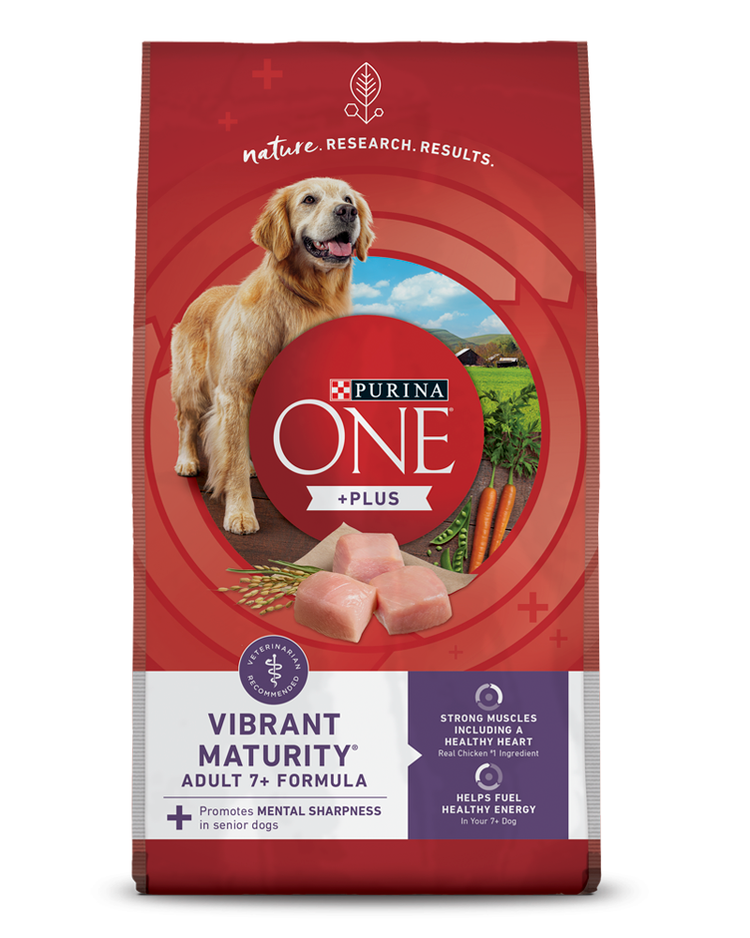
Senior dogs have different nutritional needs than younger adults. Their metabolism slows down, and they may need food with fewer calories but higher protein to maintain muscle mass.
Choosing the right senior dog food can help manage joint health and keep their immune system strong. Some formulas include added supplements like glucosamine or antioxidants tailored for older dogs.
Have you observed your dog’s activity level or weight change as they age? These are clear signals to reconsider their diet and possibly switch to a senior-specific formula sooner rather than later.

Credit: www.youtube.com
Frequently Asked Questions
When Should I Switch My Puppy To Adult Dog Food?
Most dogs should transition to adult food between 12 to 18 months. Large breeds may need to switch later, around 18 to 24 months, to support slow growth and joint health. Always consult your vet for personalized advice.
How To Know If My Dog Is Ready For Adult Food?
Signs include reaching full size, slower growth, and changes in energy levels. Your veterinarian can confirm readiness based on weight, breed, and overall health. Avoid switching too early to prevent nutrient imbalances.
Can I Mix Puppy And Adult Food During Transition?
Yes, gradually mix adult food into puppy food over 7-10 days. This helps your dog adjust to new nutrients and prevents digestive upset. Slowly increase adult food proportion until fully switched.
Why Is Switching To Adult Dog Food Important?
Adult dog food meets mature dogs’ nutritional needs, supporting maintenance rather than growth. Puppy food is richer and can cause weight gain or health issues if fed too long. Proper switching promotes optimal health.
Conclusion
Switching your dog to adult food usually happens around one year old. Small breeds may change earlier, while large breeds take longer. Watch your dog’s growth and energy to guide your choice. Good nutrition supports health and strong muscles. Always pick food made for your dog’s size and needs.
Consult your vet if unsure about timing or type. Feeding the right food helps your dog stay happy and healthy. Keep observing and adjusting as your dog grows. This simple step makes a big difference in their life.