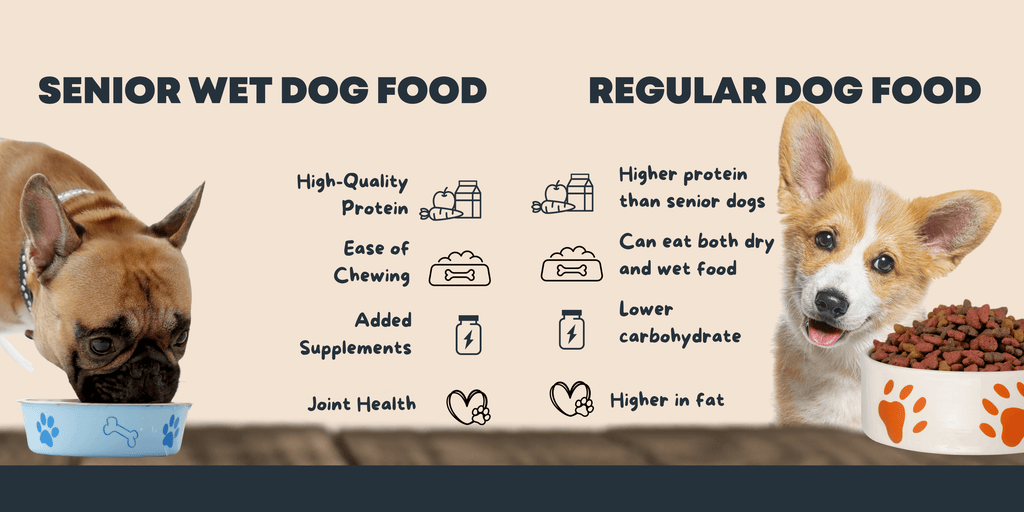

You want to give your dog the best care, and that starts with the right food. But how do you know when your furry friend is ready to switch from puppy food to adult food?
It’s a question every dog owner faces, and getting it right can make a big difference in your dog’s health and happiness. Keep reading to discover the key signs that tell you it’s time to make the switch—and how to do it smoothly for your dog’s well-being.
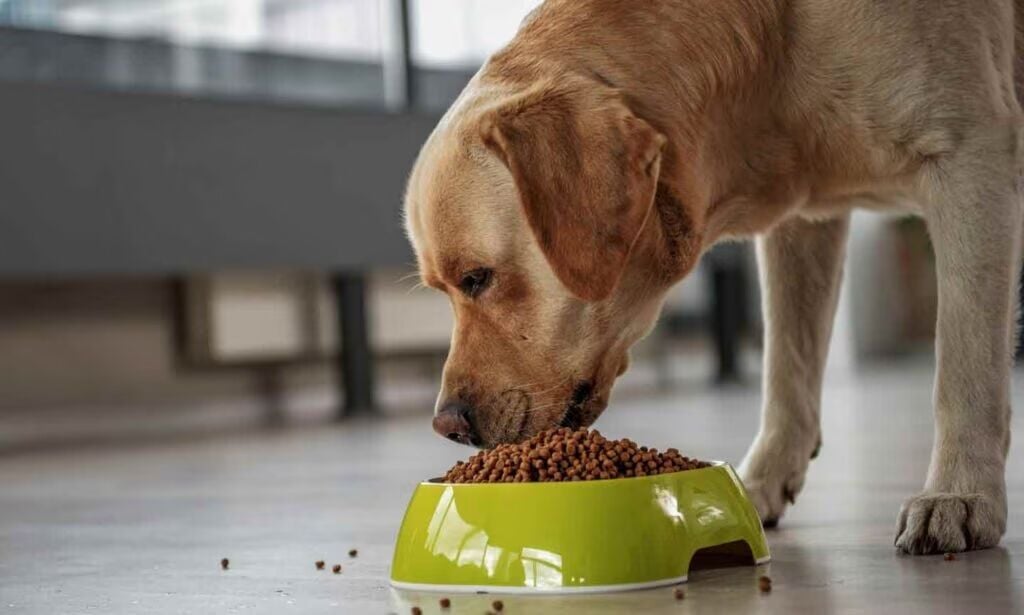
Credit: www.eacourier.com
Puppy Growth Stages
Understanding your puppy’s growth stages is key to knowing when to switch to adult dog food. Each stage comes with unique nutritional needs that support healthy development. Paying attention to these phases helps you provide the right fuel for your furry friend’s body and brain.
Newborn To Weaning
During the first few weeks, puppies rely entirely on their mother’s milk. This milk supplies all the nutrients they need to build a strong immune system and grow steadily. You don’t need to worry about food choices at this point, but keep an eye on their weight and activity to ensure they’re thriving.
Transition To Solid Food
Around 3 to 4 weeks old, puppies start nibbling on solid food. This phase is crucial because they gradually shift from milk to a more complex diet. Introduce soft, high-quality puppy food mixed with water or puppy formula to make it easier to eat and digest.
It’s normal for puppies to be messy and slow during this stage. Your patience will pay off as they learn to eat independently. Are you prepared for this messy but exciting phase?
Rapid Growth Phase
Between 8 weeks and 6 months, puppies grow rapidly and burn a lot of energy. Their food must be rich in protein, fats, vitamins, and minerals to support muscle development and brain growth. Look for puppy formulas labeled for “growth” to meet these needs.
Feeding smaller, frequent meals helps maintain energy levels and aids digestion. Notice how your puppy’s appetite increases and adjust portions accordingly. Have you noticed how their energy bursts seem endless during this time?
Signs To Switch To Adult Food
Knowing when to switch your dog from puppy food to adult food can feel confusing. It’s not just about age—there are clear signs your dog’s body and behavior show when they’re ready for a new diet. Paying attention to these signs helps you support their growth and energy needs perfectly.
Physical Development Indicators
One of the clearest signs your dog needs adult food is their physical growth. Puppies typically reach their adult size between 9 to 12 months, though this varies by breed. If your dog’s weight has stabilized and their puppy coat is starting to shed for a thicker adult coat, it’s a strong hint they’re ready.
Watch for changes in body shape too. Puppies are rounder with softer features, while adult dogs develop leaner muscles and a more defined structure. If you notice your dog’s baby teeth have been fully replaced by adult teeth, that’s another sign it’s time to switch.
Behavioral Changes
Has your playful puppy started calming down or showing more steady energy levels? This behavioral shift often coincides with the need for adult food. Puppy food is rich in calories to fuel high energy bursts, but adult dogs require a balanced diet to maintain their matured activity.
Also, if your dog seems less hyperactive and more focused during walks or training, it’s a clue their metabolism is changing. Changing their diet to adult food can help avoid unnecessary weight gain and support their new energy demands.
Breed And Size Considerations
Different breeds and sizes develop at different rates. Small breeds usually mature faster and may need adult food as early as 9 months. Larger breeds often take up to 18-24 months to fully mature, so switching too early can cause nutritional gaps.
For example, giant breeds like Great Danes benefit from specially formulated adult food that supports joint health and slower growth. Understanding your dog’s breed-specific needs helps you choose the right time and type of adult food to keep them healthy.
Have you noticed your dog’s behavior or body changing lately? It might be time to rethink their diet and give them the nutrition their adult body really needs.
Timing For Small Breeds
Small dog breeds often mature faster than larger breeds. This rapid growth affects their dietary needs. Choosing the right time to switch to adult food is crucial. It ensures they receive proper nutrients for their size and energy levels. Owners must understand the timing for transitioning small breeds to adult food. This helps maintain their health and vitality.
Faster Maturation
Small breeds grow quickly, reaching adulthood sooner. They mature between 9 to 12 months. Their bones and organs develop rapidly during this period. Faster maturation means their nutritional needs change earlier. This is why switching to adult food at the right time is vital. It supports their growth and energy requirements.
Recommended Age Range
Most small breeds transition to adult food by 9 to 12 months. This age range suits their fast growth patterns. Feeding adult food too early can affect their development. Waiting too long may lead to weight issues. Consult a vet for personalized guidance. Every dog is unique, and expert advice ensures proper nutrition.
Timing For Large Breeds
Large breed dogs grow at a different pace than smaller breeds. Their bodies need more time to develop strong bones and muscles. Choosing the right time to switch from puppy food to adult food is important for their health. Feeding adult food too early can cause growth problems. Waiting too long can mean missing out on essential nutrients.
Slower Growth Rate
Large breed puppies grow slower than small breeds. They keep growing until they are about 12 to 18 months old. Their growth plates close later, so their bones need more time to harden. Puppy food made for large breeds supports this slow growth with balanced nutrients. Switching to adult food too soon can stress their bones and joints.
Extended Puppy Diet Needs
Large breed puppies need puppy food longer than small dogs. Their diet must have the right amount of calcium and phosphorus. These minerals help build strong bones without causing too rapid growth. Most large breeds stay on puppy food until they reach full size. Consult your vet to know the best time to change their diet.
Nutritional Differences
Understanding the nutritional differences between puppy and adult dog food is crucial for your pet’s health. Puppies have unique dietary needs that support their rapid growth and development, while adult dogs require balanced nutrition to maintain their energy and overall well-being. Knowing when to switch food types depends on these changing nutritional demands.
Puppy Vs Adult Food Composition
Puppy food is packed with nutrients that fuel growth. It contains higher levels of essential vitamins and minerals to support bone development and organ function.
Adult dog food focuses more on maintaining health and preventing obesity. It usually has fewer calories and less fat compared to puppy food.
Have you checked the ingredient list on your dog’s food lately? You might notice more calcium and DHA in puppy formulas, which are vital for brain and bone growth.
Energy And Protein Needs
Puppies burn more energy because they are constantly active and growing. Their food needs to supply enough calories and protein to support this high energy demand.
Adult dogs require fewer calories since their growth slows down. Too much protein or energy in adult food can lead to weight gain.
If you’ve ever tried feeding adult food to a puppy, you might have noticed slower growth or less energy. That’s because adult food doesn’t meet the intense nutritional needs of a growing pup.
- Puppy food:Higher protein (around 22-32%) and calories.
- Adult food:Moderate protein (around 18-25%) and controlled calories.
Are you confident your dog’s food matches their current life stage? Paying attention to these differences can help your pet stay healthy and active.
Transitioning Process
Transitioning a dog from puppy to adult food requires care and patience. This process helps the dog’s body adjust to new nutrients and flavors. Rushing can cause stomach problems or food refusal. A smooth transition supports good health and digestion.
Gradual Food Mixing
Start by mixing a small amount of adult food into the puppy’s current diet. Slowly increase the adult food portion over 7 to 10 days. This gradual change helps the dog get used to new tastes and textures. Avoid sudden switches to prevent digestive upset.
Monitoring Digestive Response
Watch for signs like diarrhea, vomiting, or constipation during the transition. These may indicate the dog’s stomach is not adjusting well. Keep an eye on energy levels and appetite too. If problems persist, slow down the transition or consult a vet.
Avoiding Sudden Diet Changes
Never swap foods all at once. Sudden diet changes can upset the dog’s digestive system. Stick to the gradual mix plan for at least a week. This reduces the risk of illness and keeps your dog comfortable.
Common Mistakes To Avoid
Feeding your dog adult food at the right time is important. Many dog owners make simple mistakes during this change. These errors can affect your dog’s health and growth. Avoiding common mistakes helps your dog stay healthy and happy.
Switching Too Early
Switching to adult food before your dog is ready can cause problems. Puppies need more nutrients for growth. Adult food may not have enough vitamins and minerals. This can slow down your dog’s development. Wait until your vet says it’s time to switch.
Ignoring Breed Specifics
Different breeds grow at different rates. Large breeds take longer to mature than small breeds. Using the same feeding schedule for all dogs is a mistake. Check breed needs carefully. Adjust feeding times based on size and breed advice.
Overfeeding During Transition
Changing food can upset your dog’s stomach. Overfeeding during this time can cause weight gain and discomfort. Give small portions and watch for reactions. Gradually increase food amount as your dog adjusts. Keep feeding amounts balanced to avoid extra weight.
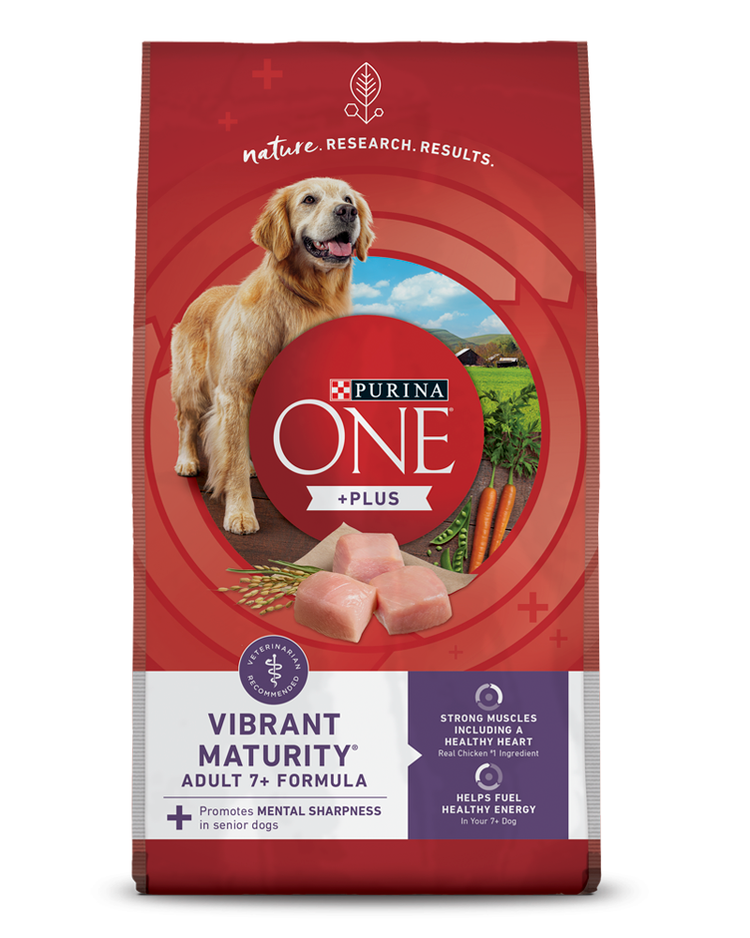
Credit: www.purina.com
Veterinary Advice
Knowing when your dog needs to switch to adult food is a decision best guided by veterinary advice. Vets have the training to assess your dog’s growth, health, and nutritional needs with precision. Their insights help you avoid common mistakes like switching too early or too late, which can impact your dog’s health.
Regular Health Checks
Regular visits to the vet allow you to track your dog’s development closely. During these checkups, the vet can evaluate your dog’s weight, teeth, and overall condition to decide if it’s time to change the diet. They can spot signs that you might miss, such as slow growth or digestive issues.
Think about it: have you noticed changes in your dog’s energy or appetite? Bringing these observations to your vet can clarify if your dog’s food needs an update. This ongoing dialogue ensures your dog stays on the right nutritional path.
Tailoring Diet To Individual Needs
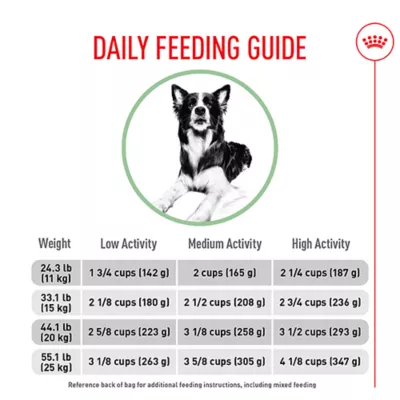
Every dog is unique, and a one-size-fits-all approach doesn’t work well with diets. Your vet can recommend adult food tailored to your dog’s breed, size, and activity level. For example, a large breed dog might need food that supports joint health, while a small breed may require higher calorie content.
Vets also consider health conditions like allergies or sensitivities when suggesting food changes. Have you thought about how your dog’s lifestyle affects its diet? Your vet’s advice helps you pick the best adult food that fits your dog’s specific needs perfectly.
Special Cases
Special cases often require you to rethink when to switch your dog to adult food. Not every dog follows the standard growth timeline, and factors like health or age can change their dietary needs significantly. Paying attention to these unique situations helps you support your dog’s well-being better.
Health Conditions Affecting Diet
Some health issues demand a specific diet rather than a simple switch to adult food. Dogs with kidney problems, diabetes, or allergies might need specialized nutrition that differs from regular adult dog food.
If your dog has a condition like pancreatitis, high-fat adult food could worsen symptoms. Instead, your vet might recommend a low-fat, easy-to-digest formula. Have you noticed changes in your dog’s energy or digestion? These signs could mean it’s time to consult a professional about their diet.
Senior Dogs And Diet Adjustments
As dogs age, their metabolism slows down and their nutritional needs change. Senior dogs often require food that supports joint health and has fewer calories to prevent weight gain.
Switching to adult food might not be enough when your dog hits their golden years. Look for senior-specific formulas rich in omega-3 fatty acids and antioxidants. Have you considered how your older dog’s activity level impacts their food choices? Adjusting their diet can help maintain their vitality and comfort.
Credit: www.petsmart.com
Frequently Asked Questions
When Should Puppies Switch To Adult Dog Food?
Puppies generally switch to adult dog food at one year old. Large breeds may need more time, up to 18 months. This transition supports their changing nutritional needs as they mature. Consult your vet for the best timing based on your dog’s breed and health.
What Are Signs A Dog Needs Adult Food?
Signs include slowed growth, less energy, and weight stabilization. Puppies losing their puppy coat or less playful also indicate readiness. These changes mean their nutritional requirements have shifted from growth to maintenance. Always observe your dog’s behavior and consult your vet for guidance.
Can Feeding Adult Food Too Early Harm Puppies?
Yes, early feeding of adult food can cause nutrient deficiencies. Puppies need higher protein, fat, and calories for growth. Adult food may lack these, affecting their development. Feeding age-appropriate food ensures balanced nutrition and healthy growth. Always follow feeding guidelines for your dog’s age.
How Does Adult Dog Food Differ From Puppy Food?
Adult dog food contains fewer calories and less protein than puppy food. It focuses on maintenance rather than growth support. Puppy food is richer in nutrients to fuel development. Choosing the right food helps maintain healthy weight and energy levels in adult dogs.
Conclusion
Choosing the right time for adult dog food keeps your pet healthy. Watch their growth and energy levels closely. Most dogs switch to adult food between one and two years old. Changing food too early or late can cause problems.
Always check with your vet before making the switch. A good diet supports a happy, active life. Your dog will thank you with wagging tails and bright eyes. Keep feeding them what fits their age and size best. Simple care makes a big difference.