

Are you worried about what goes into your dog’s bowl every day? You want the best for your furry friend, but with so many options, it’s hard to know what’s truly healthy.
What if you could make meals at home that are not only tasty but also approved by veterinarians? You’ll discover where to find homemade dog food recipes that meet your dog’s nutritional needs and keep them happy and healthy. Keep reading, because your dog’s next favorite meal is just a few clicks away!
Benefits Of Homemade Dog Food
Making your dog’s food at home can change the way you care for your furry friend. You get to know exactly what goes into their meals, which can lead to better health and happiness. Many pet owners find that homemade dog food offers clear benefits that store-bought options often can’t match.
Health Advantages
Homemade dog food lets you avoid fillers, preservatives, and artificial ingredients often found in commercial brands. This can result in shinier coats, better digestion, and more energy for your dog. I noticed my dog’s allergies improved noticeably after switching to home-cooked meals, which motivated me to keep going.
Plus, you can ensure your dog is getting fresh ingredients packed with essential nutrients. This control helps prevent common issues like obesity and nutrient deficiencies. Wouldn’t you want to give your dog the cleanest, healthiest meals possible?
Customization For Dietary Needs
Your dog’s dietary needs might be unique, and homemade food lets you tailor every meal. Whether your dog needs low-fat options, grain-free recipes, or special supplements, you can adjust ingredients easily. This flexibility is tough to find in standard commercial dog foods.
For example, my senior dog needs joint-supporting nutrients, so I add ingredients rich in omega-3s and glucosamine. Are you aware of your dog’s specific nutritional requirements? If not, consulting a vet before making changes can help you customize meals safely.
Cost Considerations
Some might think homemade dog food is expensive, but it can be budget-friendly with smart shopping. Buying ingredients in bulk and using seasonal produce can lower costs significantly. Plus, reducing vet visits due to better health can save money in the long run.
Keep in mind that homemade meals might require more time and effort. You have to balance convenience and cost to find what works best for your lifestyle. How much time are you willing to invest in your dog’s daily meals?

Credit: www.youtube.com
Vet-approved Recipe Sources
Finding reliable homemade dog food recipes is important for your pet’s health. Vet-approved sources ensure recipes meet nutritional needs. These sources offer safe, balanced meals for dogs. Trust these places to guide your homemade dog food journey.
Trusted Veterinary Websites
Many veterinary websites provide tested recipes for homemade dog food. These sites share balanced meals designed by animal health experts. They often include detailed instructions and ingredient lists. Using these websites helps you avoid common nutritional mistakes. Examples include the American Veterinary Medical Association and veterinary college websites.
Books By Veterinary Nutritionists
Books written by certified veterinary nutritionists offer in-depth recipes. They explain the science behind each ingredient choice. These books provide meal plans for dogs with specific health needs. They serve as a reliable reference for long-term feeding. Look for authors with credentials in veterinary nutrition.
Certified Pet Nutrition Blogs
Blogs run by certified pet nutritionists share fresh and tested recipes. These blogs often discuss ingredient benefits and preparation tips. They provide user-friendly guides for dog owners. Certification ensures the information is accurate and safe. Reading these blogs helps you stay updated with new recipes and advice.
Popular Homemade Dog Food Recipes
Homemade dog food recipes can be both nutritious and tasty. Many dog owners seek vet-approved recipes to ensure their pets receive balanced meals. Popular homemade dog food recipes often include a variety of ingredients. These ingredients are chosen to meet the dietary needs of dogs. Below are some popular options for homemade dog food.
Balanced Meat And Veggie Mix
Dogs love a mix of meat and vegetables. This mix provides essential nutrients. A balanced recipe usually includes lean meats. Chicken or beef works well. Add carrots, peas, and sweet potatoes. These vegetables are dog-friendly and nutritious. Ensure the mix has enough protein and fiber. This keeps your dog healthy and happy.
Grain-free Options
Some dogs have sensitivities to grains. Grain-free recipes are a great alternative. Use meats like turkey or fish as the base. Add vegetables like spinach and zucchini. These are low in calories and high in vitamins. Sweet potatoes can be added for extra fiber. This makes a satisfying meal for grain-sensitive dogs.
Special Diet Recipes
Some dogs require special diets due to health issues. You can make recipes tailored to their needs. Use lean proteins like turkey or chicken. Add vegetables that support specific health needs. For example, pumpkin aids digestion. Consult with your vet for specific ingredient advice. This ensures the diet meets your dog’s health requirements.
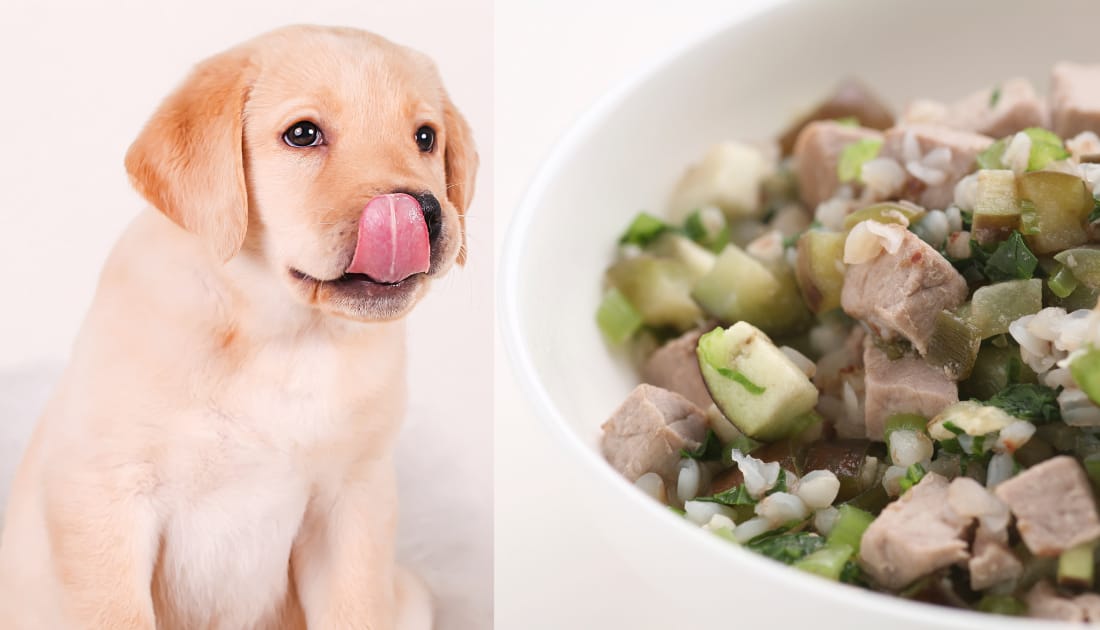
Credit: rockykanaka.com
Key Ingredients To Include
Choosing the right ingredients is vital for homemade dog food. Balanced nutrition supports your dog’s health and energy. Each meal should include key components like proteins, vegetables, fruits, and necessary supplements. These ingredients ensure your dog gets essential nutrients.
Proteins
Proteins are the foundation of your dog’s diet. They help build muscles and repair tissues. Good sources include:
- Chicken, turkey, and lean beef
- Fish like salmon and sardines
- Eggs, a complete protein source
- Plant-based proteins such as lentils and chickpeas
Choose fresh, cooked proteins free from seasoning and additives.
Vegetables And Fruits
Vegetables and fruits provide vitamins, minerals, and fiber. They support digestion and boost immunity. Safe options include:
- Carrots, green beans, and peas
- Sweet potatoes and pumpkin
- Apples (without seeds) and blueberries
- Spinach and broccoli in small amounts
Serve these cooked or finely chopped for easy digestion.
Supplements And Additives
Supplements improve nutrient balance and fill gaps. Common choices are:
- Fish oil for omega-3 fatty acids
- Calcium powder or crushed eggshells
- Multivitamin mixes designed for dogs
- Probiotics to aid gut health
Consult a vet to determine the right supplements for your dog.
Safety Tips For Homemade Dog Food
Making homemade dog food is a rewarding way to care for your furry friend, but safety should always come first. Ensuring that your recipes are vet approved is a great start, but how you handle and serve the food matters just as much. Let’s look at some essential safety tips to keep your dog healthy and happy.
Avoiding Toxic Ingredients
Many common human foods are harmful to dogs. Ingredients like onions, garlic, grapes, raisins, chocolate, and certain artificial sweeteners can cause serious health issues. Even small amounts can be dangerous.
Check every ingredient against a trusted vet-approved list before adding it to your dog’s meal. If you’re unsure, ask your vet directly—your dog’s safety depends on it. Have you ever accidentally used something questionable in your dog’s food? It’s a learning moment to be more cautious.
Proper Food Storage
Homemade dog food spoils faster than commercial options. Store it in airtight containers and refrigerate promptly. Leftovers should be used within 2-3 days to avoid bacterial growth.
Freezing portions in advance is a smart way to save time and keep meals fresh. Always thaw frozen food in the fridge, not on the counter. This prevents harmful bacteria from multiplying. How often do you check your dog’s food before serving it?
Portion Control
Even the healthiest homemade meal can cause problems if you feed too much or too little. Portion sizes depend on your dog’s size, age, and activity level. Feeding the right amount helps maintain a healthy weight and avoid digestive issues.
Use a kitchen scale or measuring cups to be precise. Monitor your dog’s weight and energy—adjust portions as needed. Have you noticed your dog’s weight shifting after changing their diet? That’s a sign to reassess portion sizes.
Transitioning Your Dog To Homemade Food
Switching your dog to homemade food can be rewarding but requires careful attention. Sudden changes in diet might upset your dog’s stomach or cause nutrient imbalances. Taking the right steps helps your dog adjust smoothly and stay healthy.
Gradual Introduction
Start by mixing a small amount of homemade food with your dog’s current diet. Increase the homemade portion slowly over 7 to 10 days. This gives your dog’s digestive system time to adapt without causing discomfort.
Observe how your dog reacts to each change. If you notice vomiting, diarrhea, or loss of appetite, slow down the transition. Your dog’s comfort should always come first during this process.
Monitoring Health Changes
Keep a close eye on your dog’s behavior, energy levels, and stool quality. Changes in these areas can signal how well your dog is adjusting to the new diet. Write down any differences you observe to share with your vet later.
Weight fluctuations can also indicate whether your dog is getting enough nutrition. Regular weigh-ins and photo comparisons can help track progress. Don’t ignore subtle signs like changes in coat shine or mood.
Consulting Your Vet
Before and during the transition, check in with your veterinarian. They can confirm if the homemade recipes meet your dog’s nutritional needs. Your vet might suggest supplements or adjustments tailored to your dog’s age, breed, and health conditions.
Ask specific questions like, “Is this recipe balanced for my dog’s size?” or “How can I tell if my dog is lacking any nutrients?” This dialogue ensures your homemade meals support long-term health. Remember, professional advice makes homemade feeding safer and more effective.

Credit: dogchild.co
Frequently Asked Questions
Where Can I Find Vet-approved Homemade Dog Food Recipes?
You can find vet-approved recipes on veterinary websites, pet nutrition blogs, and reputable animal health forums. Always check for credentials and consult your vet before trying new recipes.
Are Homemade Dog Food Recipes Nutritionally Balanced?
Vet-approved recipes ensure balanced nutrition tailored to your dog’s needs. They include essential proteins, fats, vitamins, and minerals for healthy growth and maintenance.
How Do Vets Recommend Preparing Homemade Dog Food?
Vets suggest using fresh, high-quality ingredients and proper cooking methods. They emphasize avoiding harmful foods and maintaining hygiene to ensure pet safety.
Can Homemade Dog Food Help With Allergies?
Yes, homemade dog food can reduce allergens by controlling ingredients. Consult your vet to identify triggers and create a suitable diet plan.
Conclusion
Finding vet-approved homemade dog food recipes takes time and care. Choose recipes with balanced nutrients for your dog’s health. Always check ingredients for safety and quality. Consult your vet before changing your dog’s diet. Homemade food can be fresh, tasty, and healthy.
It helps you control what your dog eats. Start with simple recipes and watch your pet’s reaction. Your dog deserves good nutrition every day. Keep learning and adjusting for the best results. Homemade dog food shows your love in every meal.