
Are you wondering if it’s okay to feed your adult dog puppy food? You’re not alone.
Many pet owners ask this question because they want the best for their furry friends. Feeding the right food is crucial for your dog’s health, energy, and happiness. But what happens if you give your adult dog puppy food? Could it be harmful, or might there be some benefits?
Keep reading to find out everything you need to know about feeding your adult dog puppy food and how to make the best choice for your pet’s well-being.

Credit: us.eukanuba.com
Differences Between Puppy And Adult Dog Food
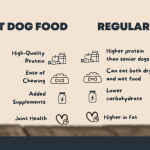
Understanding the differences between puppy and adult dog food is crucial for your pet’s health. These diets are specially formulated to meet the changing needs of your dog as they grow. Feeding the wrong type can affect their energy, growth, and overall well-being.
Nutritional Needs Of Puppies
Puppies need more calories to support rapid growth and high energy levels. Their food contains extra protein and fat to build strong muscles and develop a healthy brain. Puppies also require more calcium and phosphorus for bone development, which adult dogs don’t need in the same amounts.
Have you noticed how your puppy seems to have endless energy? That’s because their bodies demand more nutrients to fuel this growth spurt. Feeding them adult food during this stage can leave gaps in their nutrition.
Nutritional Needs Of Adult Dogs
Adult dogs need fewer calories to maintain their weight and health. Their food focuses more on balanced nutrition to keep their organs working well and prevent obesity. Nutrients like fiber become more important to support digestion as dogs age.
Switching to adult dog food helps prevent unnecessary weight gain and supports your dog’s long-term health. Have you ever seen an adult dog thrive on a puppy formula? It’s often due to the higher calories and fat, which can cause weight issues.
Key Ingredient Variations
| Ingredient | Puppy Food | Adult Dog Food |
|---|---|---|
| Protein | Higher levels for muscle growth | Moderate levels for maintenance |
| Fat | Higher for energy supply | Lower to prevent weight gain |
| Calcium & Phosphorus | Increased for bone development | Reduced to avoid excess buildup |
| Fiber | Lower to aid absorption | Higher to support digestion |
These ingredient differences are designed to meet the specific stages of your dog’s life. Feeding your adult dog puppy food might seem harmless but can lead to health problems over time. Have you checked the labels on your dog’s food lately to see these variations?
Risks Of Feeding Adult Dogs Puppy Food
Feeding your adult dog puppy food might seem harmless or even beneficial at first. After all, puppy food is packed with nutrients and calories to support growth. However, giving adult dogs puppy food regularly can lead to several risks that affect their health and well-being.
Potential Weight Gain
Puppy food contains higher calorie content to fuel rapid growth. If your adult dog eats this food consistently, they can easily gain excess weight. Overweight dogs face joint stress and reduced energy, which can shorten their active years.
Have you noticed your dog gaining pounds without changing their activity level? It might be time to reconsider their diet.
Digestive Issues
Adult dogs have different digestive needs compared to puppies. The richer ingredients in puppy food can cause stomach upset, diarrhea, or constipation in adult dogs. These digestive problems may make your dog uncomfortable and affect their nutrient absorption.
Pay attention if your dog shows signs of an upset stomach after switching foods. Their digestive system might be struggling with the extra richness.
Long-term Health Concerns
Feeding adult dogs puppy food over a long period can disrupt the balance of essential nutrients. Too much calcium and protein, common in puppy formulas, might lead to kidney strain and bone problems in adult dogs. These health issues can require costly vet visits and reduce your dog’s quality of life.
Think about your dog’s future health. Is it worth risking long-term problems for short-term convenience?
When Puppy Food Might Be Suitable For Adults
Feeding your adult dog puppy food might seem unusual, but there are specific scenarios where it can be a beneficial choice. It’s essential to understand when this switch is suitable, as puppy food is formulated differently to support growth and energy needs. Let’s explore the situations where puppy food could be the right option for your adult dog.
Growth Or Recovery Phases
Adult dogs undergoing recovery from surgery or illness may benefit from the nutrient-rich puppy food. Its high protein and fat content can support the healing process and help regain strength. Imagine your dog bouncing back faster due to the extra nutrients; it might be worth considering in such times.
High Energy Requirements
Some adult dogs have energy levels that rival puppies, especially active breeds or working dogs. For these high-energy needs, puppy food provides more calories and nutrients. Have you noticed your dog doesn’t seem satisfied with regular adult food? Puppy food might be the answer to fuel their lively spirit.
Veterinarian Recommendations
It’s always wise to consult with your vet before making dietary changes. They might suggest puppy food for certain health conditions or specific nutritional needs. Trust their expertise to guide you in choosing the best diet for your dog’s unique situation.
Credit: www.purina.com
Transitioning Between Puppy And Adult Food
Switching your dog from puppy food to adult food needs care and attention. Puppy food has extra nutrients for growth. Adult food supports maintenance and overall health. Changing food too fast can upset your dog’s stomach. A smooth transition helps your dog adjust well to new food.
Signs Your Dog Is Ready
- Your dog reaches about 80% of its adult size.
- Age is typically around 12 months for most breeds.
- Your vet confirms your dog’s growth is steady and healthy.
- Energy levels start to stabilize and are less hyperactive.
Gradual Switching Process
Start by mixing 25% adult food with 75% puppy food. Do this for three days. Then change to 50% adult and 50% puppy for three days. Next, mix 75% adult with 25% puppy for three days. Finally, feed 100% adult food. This slow change reduces stomach upset.
Monitoring Your Dog’s Response
- Watch for loose stools or diarrhea.
- Check if your dog shows signs of vomiting.
- Notice any changes in appetite or energy.
- Keep track of weight and body condition.
- Consult your vet if any issues appear.
Choosing The Right Food For Your Dog
Choosing the right food for your dog is crucial to their health and happiness. Every dog has unique needs based on age, breed, size, and activity level. Feeding an adult dog puppy food might seem harmless, but understanding what your dog truly requires can make a big difference in their well-being.
Reading Dog Food Labels
Dog food labels hold valuable clues about what you’re feeding your pet. Look for the ingredients list first—meat should be one of the top components. Avoid foods with excessive fillers like corn or soy, which offer little nutritional value.
Check the guaranteed analysis section for protein, fat, and fiber percentages. These numbers tell you if the food matches your dog’s energy needs. Remember, puppy food usually has higher protein and fat to support growth, which might be too rich for an adult dog.
Considering Breed And Size
Your dog’s breed and size impact their dietary needs. Large breeds often require food that supports joint health, while small breeds might need higher calorie content to maintain their energy. Puppies have different nutritional demands than adult dogs, especially in terms of calcium and phosphorus levels.
Think about your dog’s lifestyle too—active dogs burn more calories and may benefit from specific nutrients. Feeding an adult dog puppy food can sometimes lead to weight gain or digestive issues if their needs aren’t matched correctly.
Consulting Professionals
Getting advice from a veterinarian or pet nutritionist can clarify what’s best for your dog. They can recommend foods tailored to your dog’s health status and activity. Don’t hesitate to ask questions about switching diets or mixing adult and puppy food.
Your vet might suggest tests to check your dog’s weight, digestion, and overall health before making changes. This step helps avoid common mistakes, like overfeeding or missing essential nutrients.

Credit: www.petscare.com
Frequently Asked Questions
Can Adult Dogs Eat Puppy Food Safely?
Adult dogs can eat puppy food occasionally, but it’s not ideal long-term. Puppy food has more calories and nutrients. This can cause weight gain and digestive issues in adults if fed regularly.
What Happens If Adult Dogs Eat Puppy Food?
Adult dogs may gain excess weight and suffer digestive upset if fed puppy food long-term. Puppy food is richer in fats and proteins, which adults need in lower amounts.
Can Feeding Puppy Food Affect Adult Dog Health?
Yes, feeding puppy food to adults can lead to obesity and nutrient imbalance. Adult dogs have different nutritional needs than puppies, so proper food is essential.
Is It Okay To Switch Adult Dogs To Puppy Food?
Switching adult dogs to puppy food is not recommended without veterinary advice. Adults require balanced nutrition tailored to their age, activity, and health status.
Conclusion
Feeding adult dogs puppy food is not ideal for their health. Puppy food has extra nutrients meant for growing dogs. Adult dogs need balanced meals to avoid weight gain and other issues. Always choose food made for your dog’s age and size.
Consult your vet for the best diet advice. Healthy food supports your dog’s energy and well-being. Keep your dog happy with the right nutrition every day. Small changes make a big difference in your dog’s life.