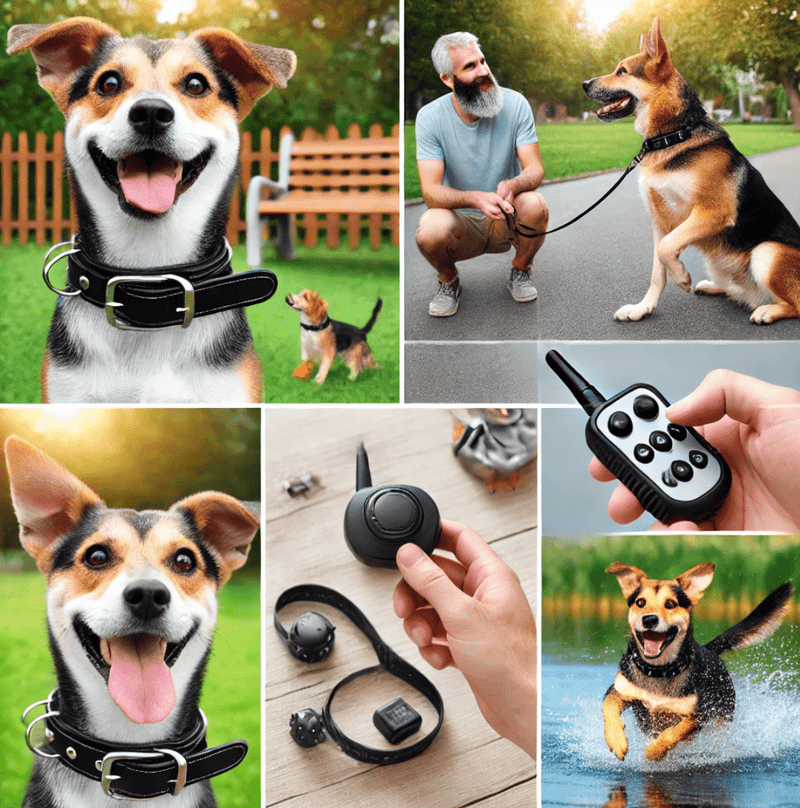

Are training collars bad for dogs? If you’ve ever wondered whether these tools help or harm your furry friend, you’re not alone.
You want the best for your dog, and the idea of using a training collar might feel confusing or even worrying. What if it causes pain or fear? What if it really works to teach good behavior? Understanding the truth behind training collars can make a big difference in your dog’s happiness and your peace of mind.
Keep reading to discover what you need to know before making any decisions about your dog’s training.
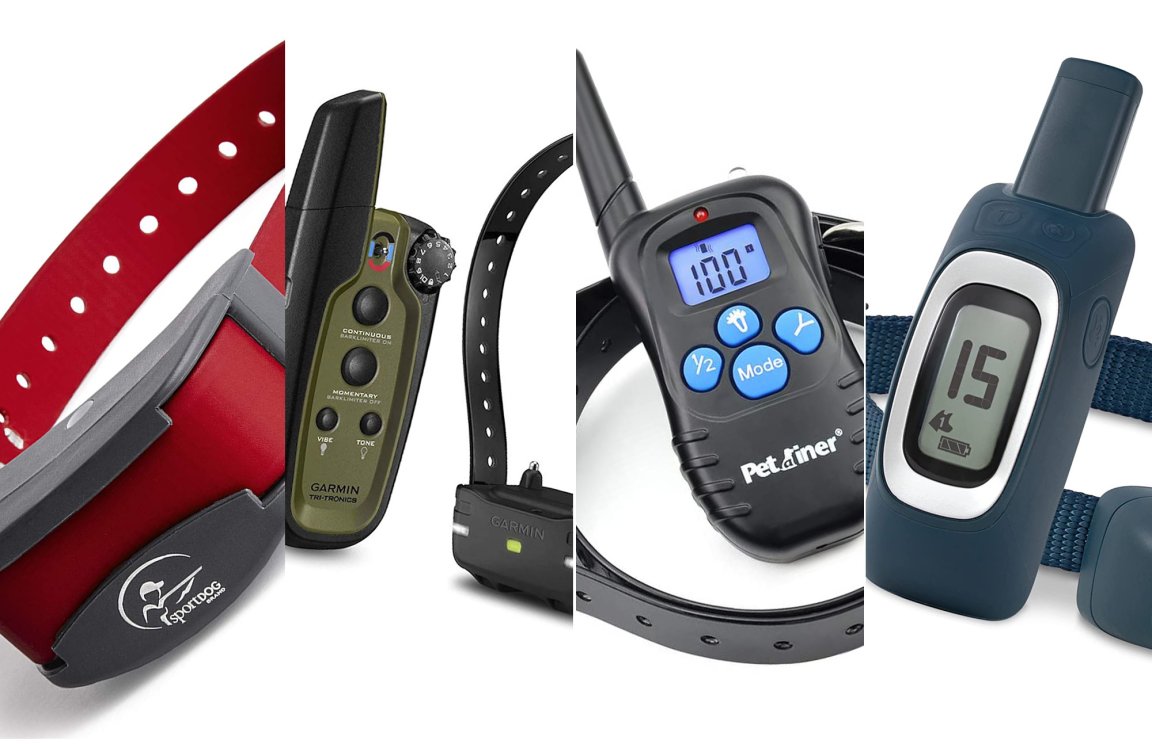
Credit: www.popsci.com
Types Of Training Collars
Training collars come in various types, each designed to modify your dog’s behavior in different ways. Understanding these options can help you decide which, if any, suit your dog’s needs without causing harm. It’s important to look beyond the name and understand how each collar works and how your dog might react to it.
Shock Collars
Shock collars deliver an electric stimulus to your dog’s neck when activated. Some owners use them to stop unwanted behaviors like excessive barking or pulling. However, many dogs find the sensation distressing, and misuse can lead to fear or aggression.
Have you ever wondered if a quick shock is worth the risk of damaging your dog’s trust? Positive reinforcement often works better and keeps your bond strong.
Prong Collars
Prong collars have metal links with blunt prongs that pinch the dog’s neck when tension is applied. They’re intended to mimic the correction a dog might receive from another dog. While some trainers find them effective for strong pullers, they require careful fitting and expert handling to avoid injury.
If you consider a prong collar, do you feel confident in using it gently and responsibly? Otherwise, the risk of pain and discomfort might outweigh the benefits.
Slip Collars
Slip collars tighten around the dog’s neck when pulled, loosening when the pressure is released. They’re often used for leash training and quick corrections. The key is to use them without causing choking or panic, which means paying close attention to how tight the collar gets.
Could you maintain control without causing your dog distress? Observing your dog’s reactions is crucial to avoid accidental harm.
Vibration Collars
Vibration collars use a buzzing sensation to get your dog’s attention instead of a shock. They’re often seen as a gentler alternative, especially for dogs sensitive to physical corrections. Many dogs respond well to vibration, making it a useful tool for distraction or gentle reminders during training.
Would your dog respond better to a vibration than a shock? Testing this calmly might reveal a more humane way to guide behavior.
How Training Collars Work
Training collars are tools designed to guide a dog’s behavior. They work by providing signals that the dog can learn to associate with certain actions. Understanding how these collars function helps pet owners decide if they suit their training style and dog’s needs.
Mechanism Of Action
Training collars deliver a stimulus to get the dog’s attention. This stimulus can be a vibration, sound, or mild static pulse. The collar fits around the dog’s neck and activates on command or automatically.
The dog feels the stimulus and connects it with its behavior. For example, pulling on the leash might trigger the collar. Over time, the dog learns to stop pulling to avoid the stimulus.
Behavioral Impact
The collar aims to change unwanted behaviors by offering immediate feedback. Dogs can understand which actions cause the stimulus. This helps them learn faster than with delayed corrections.
Positive responses occur when the dog stops the bad behavior to avoid the stimulus. Repeated use can reduce behaviors like barking, jumping, or pulling. Proper use requires timing and consistency to be effective and safe.
Potential Risks Of Training Collars
Training collars are often used to teach dogs obedience. They promise quick results. Yet, they come with potential risks. These risks can affect a dog’s well-being. Understanding these risks is crucial for dog owners. This section explores the potential dangers of training collars.
Physical Injuries
Training collars can cause physical harm to dogs. Tight collars can choke or strangle. Electric shock collars can burn or irritate skin. Prong collars may injure the neck. Such injuries can lead to long-term health problems. Owners should be aware of these physical risks.
Emotional Stress
Training collars might cause emotional stress in dogs. The sudden shock or pressure can scare them. Dogs may become anxious or fearful. This stress can lead to decreased trust in owners. Emotional stress can affect a dog’s overall happiness and health.
Behavioral Issues
Training collars may lead to behavioral problems. Dogs might become aggressive or defensive. They may associate pain with certain commands. This can confuse or frustrate them. Behavioral issues can make training harder. It’s important to consider these potential impacts.

Credit: www.calmshops.co.uk
Benefits Of Proper Collar Use
Proper use of training collars can provide several benefits to dogs and their owners. These collars help guide dogs gently and support learning good behavior. Using collars correctly ensures comfort and safety for the dog, making training more effective.
Effective Behavior Correction
Training collars can help correct unwanted behaviors quickly. They give clear signals that dogs can understand. This makes it easier for dogs to learn commands and rules. Consistent use helps dogs respond better to training.
Safety Enhancements
Collars improve safety by keeping dogs close during walks. They prevent dogs from running into dangerous areas. Some collars have reflective materials for better visibility at night. This reduces the risk of accidents and keeps dogs safe.
When Used Correctly
Correct collar use means fitting it properly and choosing the right type. The collar should never cause pain or discomfort. Training should be gentle and paired with positive reinforcement. Responsible use prevents harm and builds trust between dogs and owners.
Alternatives To Training Collars
Training collars often raise concerns about discomfort and stress for dogs. Thankfully, there are several effective alternatives that focus on building trust and encouraging good behavior without causing harm. These options not only improve training results but also strengthen your bond with your dog.
Positive Reinforcement
Positive reinforcement is all about rewarding your dog when they do something right. Instead of punishing bad behavior, you add treats, praise, or playtime to encourage good actions.
I once switched from a training collar to positive reinforcement with my own dog. The change was remarkable—he became eager to learn and more confident. Could rewarding your dog’s good behavior make training easier and more enjoyable for both of you?
Clicker Training
Clicker training uses a small device that makes a clicking sound to mark the exact moment your dog performs a desired behavior. This clear communication helps your dog understand what you want without confusion.
Many dog owners find that clicker training speeds up learning because dogs quickly link the click with a reward. Have you tried a simple sound to guide your dog’s actions before?
Harnesses And Head Collars
Harnesses and head collars provide gentle control without putting pressure on your dog’s neck. These tools can prevent pulling and make walks more comfortable and safe.
Choosing the right fit is essential—an ill-fitting harness can cause discomfort or chafing. Does your dog react better to a harness or a head collar during walks? Testing both might reveal what suits your dog best.
Choosing The Right Training Method
Choosing the right training method for your dog can shape their behavior and your relationship. It’s not just about what works fastest, but what fits your dog’s personality, age, and health. Think about how your dog learns best and what motivates them before deciding on any tool or technique.
Assessing Your Dog’s Needs
Every dog is unique. Some respond well to gentle encouragement, while others might need firmer guidance. Observe your dog’s reactions during training sessions—do they seem stressed, confused, or engaged?
Consider factors like breed, energy levels, and past experiences. A young, energetic puppy will need different methods than an older dog with anxiety. Tailoring your approach ensures training is effective and humane.
Consulting Professionals
Sometimes, you need an expert’s eye. Trainers and veterinarians can provide insights you might miss. They can help you understand whether a training collar is suitable or if alternative methods would be better.
Don’t hesitate to ask questions about safety and long-term effects. Professionals can guide you toward positive reinforcement techniques that build trust rather than fear. Their advice can save you from costly mistakes and improve your dog’s well-being.
Balancing Safety And Effectiveness
Training collars might seem like a quick fix, but safety should never be compromised. Think about whether the tool causes discomfort or anxiety to your dog. If it does, the results may come at too high a cost.
Effective training often means patience and consistency rather than harsh corrections. Combine clear commands with rewards your dog enjoys. This balance helps your dog learn without stress and strengthens your bond.
Legal And Ethical Considerations
Understanding the legal and ethical dimensions of training collar use is essential before deciding if they are right for your dog. Laws and moral viewpoints vary widely, influencing how these devices are perceived and regulated. Knowing these considerations helps you make informed choices that protect your pet’s well-being.
Regulations On Training Collar Use
Different countries and regions have specific rules about training collars. Some places ban shock collars entirely, while others allow them with restrictions. For example, several European countries prohibit electric collars due to concerns about animal cruelty.
In the United States, regulations often depend on state or local laws. You might find laws that require proper training and certification to use these collars. Failing to follow these rules could lead to fines or legal trouble.
Before using a training collar, check your local laws carefully. This helps you avoid unintended legal issues and ensures you’re using the collar responsibly.
Animal Welfare Perspectives
Animal welfare groups often oppose training collars because they can cause pain or stress. Many experts argue that positive reinforcement methods work better and are kinder to dogs. You might find that harsh corrections damage the trust between you and your pet.
Some dog owners share stories of collars causing anxiety or aggression in their dogs. Others report success when collars are used sparingly and under professional guidance. These mixed experiences highlight the importance of considering your dog’s unique temperament.
Ask yourself: Does the collar improve your dog’s behavior without causing harm? Your dog’s comfort and emotional health should always come first in training decisions.

Credit: k9connoisseur.com
Tips For Responsible Training
Using training collars responsibly can make a big difference in your dog’s learning experience. It’s not just about using the tool but understanding your dog’s needs and limits. Here are some practical tips to help you train effectively without causing stress or harm.
Monitoring Dog’s Response
Watch your dog closely during training sessions. Notice signs of stress like excessive panting, whining, or trying to escape. These signals tell you if the collar is causing discomfort or fear.
Adjust your approach based on what you see. If your dog seems anxious, pause and give them a break. Training should build confidence, not fear.
Gradual Training Approach
Start slow when introducing the collar. Let your dog wear it without activating it for short periods. This helps them get used to the feeling without associating it with discomfort.
Next, pair the collar with simple commands and positive rewards. This step-by-step process makes learning smoother and less intimidating for your dog.
Avoiding Overuse
Limit collar use to training times only. Overusing the collar can cause your dog to become dependent or stressed. Training is about teaching, not controlling.
Give your dog plenty of time to learn through praise and treats without the collar. This balance keeps your relationship strong and your dog happy.
Frequently Asked Questions
Are Training Collars Harmful To Dogs?
Training collars can be harmful if misused or overused. Proper use and guidance from a trainer reduce risks. Always prioritize your dog’s comfort and well-being when using any training collar.
What Are The Benefits Of Training Collars?
Training collars can help correct unwanted behaviors quickly. They provide consistent communication between owner and dog. When used responsibly, they enhance training effectiveness and improve obedience.
How To Use A Training Collar Safely?
Use training collars under professional guidance. Start with the lowest setting and observe your dog’s reaction. Never leave the collar on unsupervised, and avoid excessive corrections to ensure safety.
Are There Alternatives To Training Collars?
Yes, positive reinforcement, clicker training, and harnesses are effective alternatives. These methods focus on reward-based training without discomfort or pain. They build trust and encourage good behavior naturally.
Conclusion
Training collars can be helpful but also risky for dogs. They need careful use and proper guidance. Not every dog responds well to these collars. Positive training methods often work better and build trust. Always watch your dog’s reaction and comfort closely.
Choosing the right tool depends on your dog’s needs. Safe and gentle training leads to happier pets. Think about your dog’s well-being first and train with kindness.