Are you wondering if it’s okay to feed your adult dog puppy food? It’s a common question many dog owners have, especially when your furry friend looks eager at the sight of that colorful puppy bag.
You want the best for your dog’s health, energy, and happiness. But is puppy food really the right choice once they’ve grown up? Keep reading to discover the surprising facts that can help you make the best decision for your loyal companion.
Your dog’s well-being depends on it!
Differences Between Puppy And Adult Dog Food
The differences between puppy and adult dog food lie in their ingredients and nutrient levels. Puppies grow fast and need more energy and nutrients. Adult dogs have slower metabolisms and need balanced nutrition to maintain health. Feeding the right food supports your dog’s life stage and wellbeing.
Nutritional Needs Of Puppies
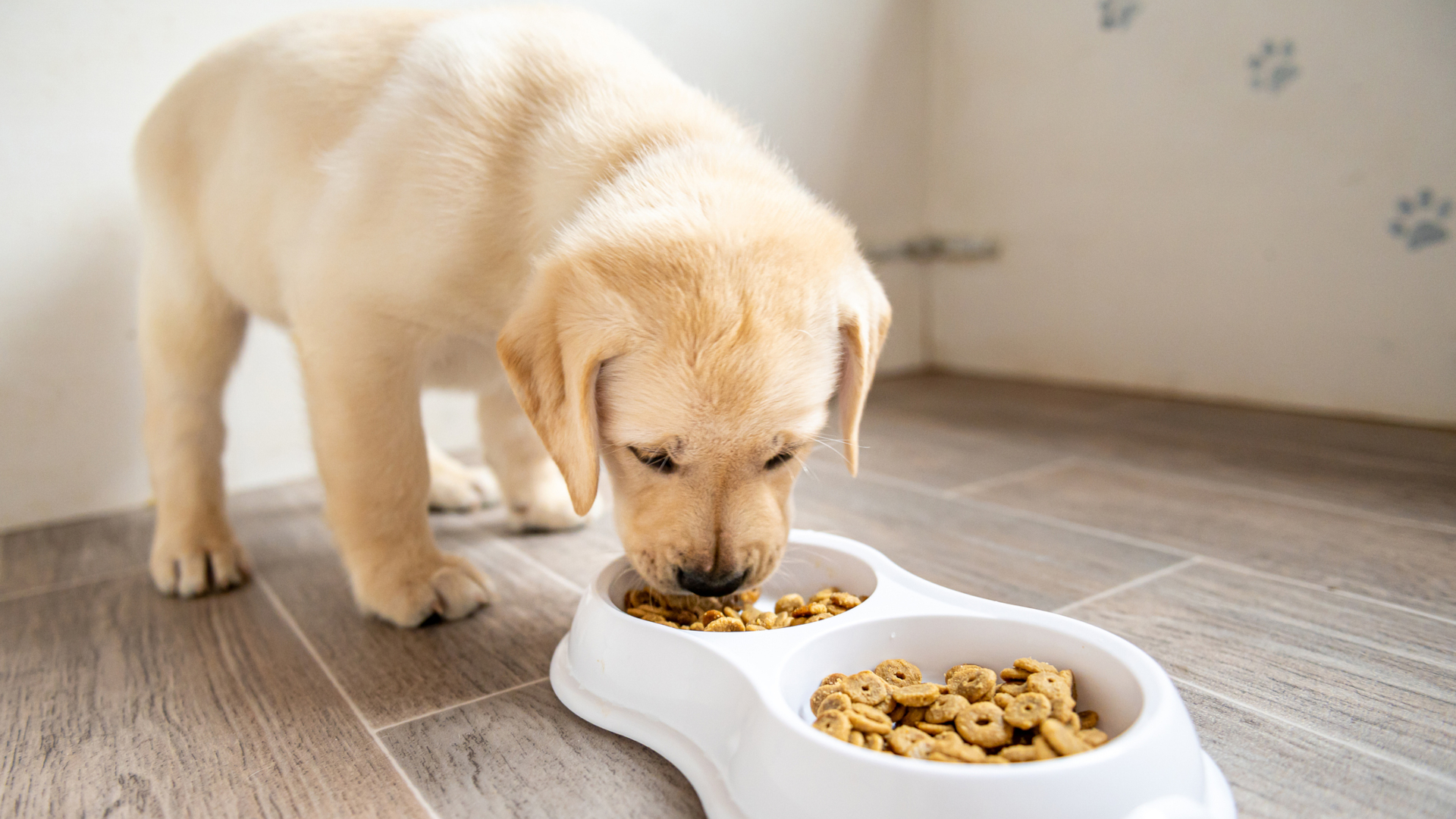
Puppies need extra calories to fuel growth and play. Their food contains higher protein and fat to build muscles and support brain development. Puppies also require more calcium and phosphorus for strong bones. Nutrients must be easy to digest and absorb.
Nutritional Needs Of Adult Dogs
Adult dogs need fewer calories to avoid weight gain. Their food focuses on maintaining muscle mass and supporting organ health. Balanced protein, fat, and fiber levels help digestion and energy. Vitamins and minerals support immune function and coat health.
Key Ingredient Variations
- Protein:Higher in puppy food for growth; moderate in adult food for maintenance.
- Fat:More in puppy food for energy; controlled in adult food to prevent obesity.
- Calcium and Phosphorus:Elevated in puppy food for bone development; balanced in adult food.
- Fiber:Moderate in puppy food; higher in adult food to aid digestion.
Credit: www.petsradar.com
Potential Risks Of Feeding Puppy Food To Adult Dogs
Feeding puppy food to an adult dog may seem harmless. Puppy food contains extra nutrients meant to support growth. Adult dogs have different needs, and too much of those nutrients can cause problems. Understanding the risks helps keep dogs healthy and happy.
Weight Gain And Obesity
Puppy food is high in calories and fat. Adult dogs eating this food can easily gain extra weight. Obesity leads to joint pain and reduces a dog’s energy. Overweight dogs also face a higher risk of diabetes and heart disease. Controlling calorie intake is crucial for adult dog health.
Digestive Issues
Adult dogs may struggle to digest rich puppy food. Too much fat and protein can upset their stomach. Symptoms include diarrhea, vomiting, and gas. Sudden diet changes increase digestive stress. A balanced diet designed for adult dogs helps avoid these problems.
Long-term Health Concerns
Continuous feeding of puppy food can cause nutrient imbalances. Excess calcium and phosphorus may harm bones and kidneys. Adult dogs need fewer nutrients for growth and more for maintenance. Poor diet affects their immune system and overall lifespan. Proper adult dog food supports long-term wellness.
When Puppy Food Might Be Suitable For Adult Dogs
Adult dogs may eat puppy food during growth or recovery phases needing extra nutrients. Puppy food offers more calories and protein, supporting energy and healing. Consult a vet before changing your dog’s diet to ensure it suits their needs.
When Puppy Food Might Be Suitable for Adult Dogs Sometimes adult dogs may benefit from the nutrient-rich formula found in puppy food. While typically designed for growing pups, there are specific scenarios where this might be a practical choice. Considering your dog’s unique needs can guide you in making an informed decision.Underweight Or Malnourished Adults
If your adult dog is underweight or recovering from malnutrition, puppy food could provide the extra calories and nutrients needed. Puppy food is packed with higher protein and fat content, which can help in weight gain. Always consult your vet to ensure this transition is safe and effective.Highly Active Or Working Dogs
For dogs that are always on the go, like working or highly active dogs, the extra energy in puppy food can be beneficial. The enhanced calorie count supports stamina and endurance throughout their demanding day. This switch may prevent fatigue and help maintain a healthy weight.Specific Health Conditions
Certain health conditions might require a nutrient boost that puppy food can offer. Dogs recovering from surgery or illness may benefit from the enriched diet to speed up recovery. It’s essential to check with your veterinarian to tailor the diet to your pet’s health needs. Have you ever considered puppy food for your adult dog? Recognizing the right circumstances can make all the difference in your dog’s well-being.How To Transition Between Puppy And Adult Food
Switching your dog from puppy food to adult food is a key moment in their growth. This change supports their new nutritional needs and helps keep them healthy. Transitioning should be smooth to avoid stomach issues and keep your dog happy.
Take time to observe your dog’s growth and behavior. Watch for signs that show readiness for adult food. A gradual change helps your dog’s digestion adjust well.
Signs Your Dog Is Ready
- Your dog has reached about 80% of its adult size.
- Age is usually between 9 and 12 months, depending on breed.
- Energy levels stabilize and growth slows down.
- Your vet confirms your dog is healthy for the switch.
Step-by-step Transition Process
- Start by mixing 25% adult food with 75% puppy food.
- Gradually increase adult food to 50% over a few days.
- Shift to 75% adult food and 25% puppy food after a week.
- Complete the change by feeding 100% adult food after two weeks.
- Feed at regular times and keep water fresh.
Monitoring Your Dog’s Reaction
- Watch for changes in appetite or eating habits.
- Check stool for consistency and frequency.
- Notice any signs of upset stomach or allergies.
- Observe energy levels and overall mood.
- Consult your vet if you see problems during transition.
Choosing The Right Food For Your Adult Dog
Choosing the right food for your adult dog is key to keeping them healthy and happy. Adult dogs have different nutritional needs than puppies. Their diet should support steady energy, maintain weight, and promote good digestion. Selecting food carefully helps avoid health problems and ensures a longer life.
Not all dog foods suit every adult dog. Factors like age, breed, activity level, and health condition matter. Quality ingredients and balanced nutrients provide the best support. Understanding how to pick the right food helps you make the best choice.
Reading Dog Food Labels
Dog food labels tell a lot about the product. Look for clear ingredient lists with real meat or fish first. Avoid foods with too many fillers like corn or soy. Check guaranteed analysis for protein, fat, fiber, and moisture content.
Ingredients are listed by weight. The first few ingredients are the most important. Watch out for artificial colors, flavors, or preservatives. These add no nutrition and may cause allergies.
Consulting Your Veterinarian
Your vet knows your dog’s health history best. They can recommend the right food type and brand. Discuss any weight issues, allergies, or illnesses with them. Your vet may suggest special diets or supplements.
Regular check-ups help track your dog’s health and adjust diet as needed. Follow your vet’s advice for feeding amounts and frequency. This ensures your dog gets enough nutrition without overeating.
Considering Special Dietary Needs
Some adult dogs need special diets due to health or age. Dogs with kidney problems may need lower protein food. Those with allergies might require limited ingredient diets. Older dogs benefit from food with joint support nutrients.
Active dogs may need higher calories and protein. Less active dogs need fewer calories to avoid weight gain. Tailor your dog’s food to their unique needs for best results.
Credit: www.thinkjinx.com

Credit: www.becopets.com
Frequently Asked Questions
Can Adult Dogs Eat Puppy Food Safely?
Adult dogs can eat puppy food occasionally, but it’s not ideal long-term. Puppy food has higher calories and nutrients meant for growth. Feeding it regularly may cause weight gain or nutrient imbalance in adult dogs.
What Are The Risks Of Feeding Puppy Food To Adults?
Feeding puppy food to adult dogs long-term can lead to obesity and digestive issues. The nutrient levels are too rich for mature dogs, which can stress their organs and cause health problems.
How Is Puppy Food Different From Adult Dog Food?
Puppy food contains more protein, fat, and calories to support growth and development. Adult dog food has balanced nutrients for maintenance and overall health, with fewer calories to prevent weight gain.
When Can Adult Dogs Eat Puppy Food?
Adult dogs can eat puppy food in small amounts during special situations like illness or recovery. Always consult your vet before making changes to your dog’s diet to ensure safety.
Conclusion
Adult dogs need food made for their age and health. Puppy food has extra nutrients for growing dogs. Feeding adult dogs only puppy food can cause weight gain and health issues. Always check your dog’s needs with a vet. Mix foods carefully if changing diets.
Watch how your dog reacts to new food. Healthy eating keeps dogs happy and active. Choose the right food for your dog’s stage of life. Simple steps help your dog stay strong and fit.