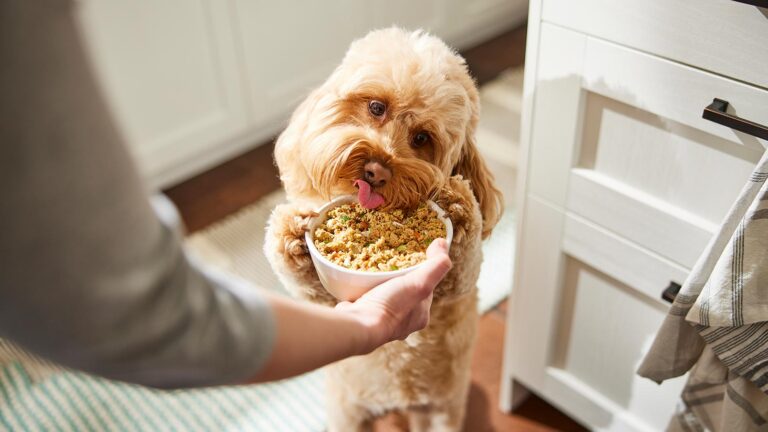

Are you feeding your puppy the same food as your adult dog? It might seem easier to share one bowl, but your puppy’s needs are very different.
What you feed now can shape their health, growth, and happiness for years to come. Imagine giving your puppy the best start in life—wouldn’t you want to know how to do it right? Keep reading to discover why separating your puppy’s food from your adult dog’s is so important and how it can make a big difference in their well-being.
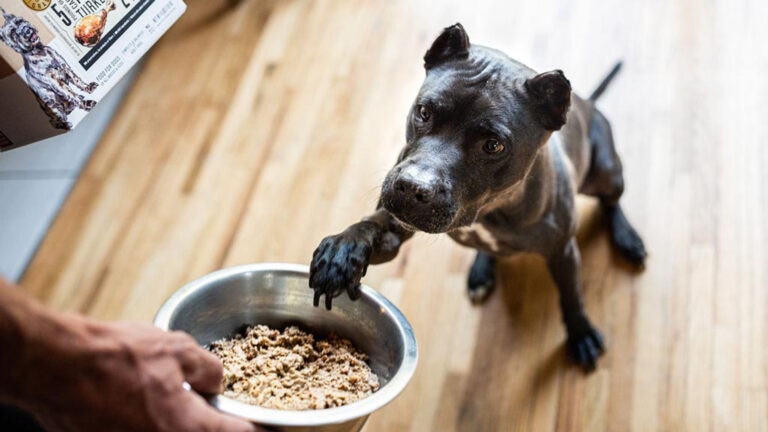
Credit: www.chewy.com
Puppy Vs Adult Dog Nutrition
Puppies and adult dogs have very different nutritional needs. Puppies grow fast. They need more energy and nutrients to build strong bones and muscles. Adult dogs need a balanced diet to maintain health and weight. Feeding puppies the same food as adult dogs can cause health problems. Understanding these differences helps keep all dogs healthy and happy.
Key Nutritional Needs For Puppies
- High protein for muscle growth and repair
- More calories to support rapid growth
- Essential fatty acids for brain and eye development
- Calcium and phosphorus for strong bones and teeth
- Vitamins and minerals for immune system support
Dietary Differences For Adult Dogs
- Lower calorie content to prevent weight gain
- Balanced protein for muscle maintenance, not growth
- More fiber to support digestion
- Controlled fat levels to maintain healthy weight
- Added antioxidants for overall health and aging support
Reasons To Separate Feeding
Feeding a puppy and an adult dog together might seem simple. But their needs differ a lot. Separating their food helps care for each dog properly. It makes sure both get what they need to grow healthy and strong. Here are some key reasons to keep their meals apart.
Preventing Nutritional Imbalance
Puppies need more calories, protein, and nutrients than adult dogs. Their food supports growth and brain development. Adult dog food lacks these extra nutrients. Feeding adult food to a puppy can cause health issues. Adult dogs eating puppy food may gain too much weight. Separate feeding ensures each dog eats the right diet for their age.
Avoiding Food Aggression
Dogs can become protective over their food. Puppies may feel nervous around adults during meal times. This can lead to growling or snapping. Feeding dogs separately reduces stress and fights. It creates a calm and safe eating space for all. Peaceful feeding times help build trust and good behavior.
Managing Portion Control
Puppies need smaller, more frequent meals. Adult dogs usually eat once or twice daily. Mixing their food can cause overfeeding or underfeeding. Separate portions help control calorie intake. This keeps dogs at a healthy weight. It also helps spot any changes in appetite early. Careful portion control supports overall health and happiness.
Choosing The Right Food
Choosing the right food for your dog is crucial. Puppies and adult dogs have different nutritional needs. Providing the right food ensures they grow healthy and strong. Understanding these needs helps in selecting the best food.
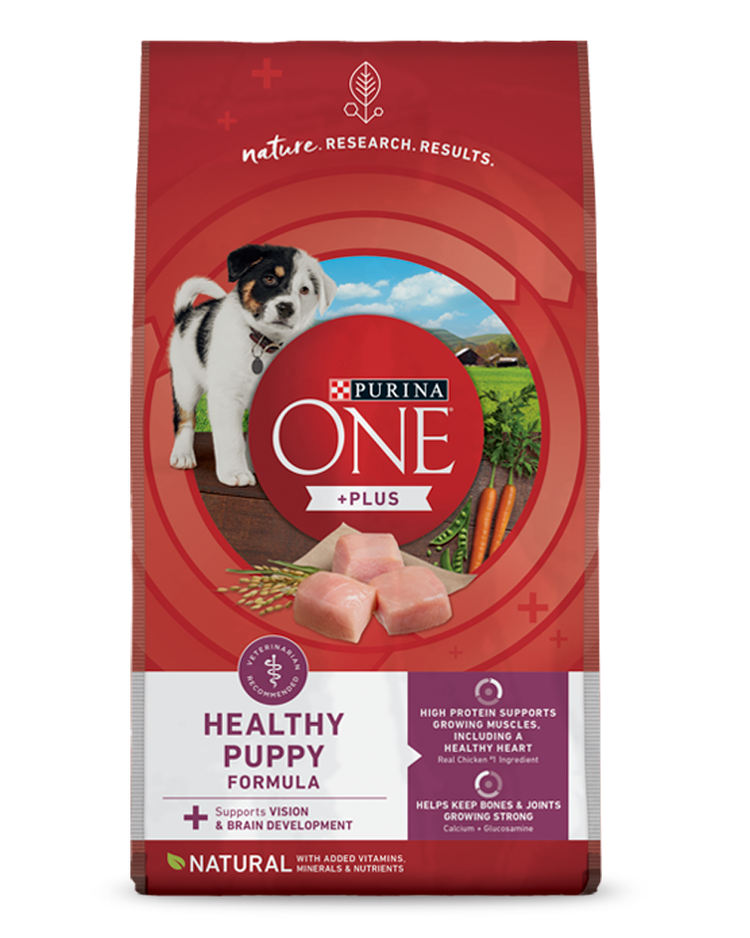
Selecting Puppy Food
Puppy food should contain higher protein levels. Proteins support growth and development. Look for food with essential vitamins and minerals. DHA is important for brain development in puppies. Check the label for quality ingredients. Avoid artificial additives and fillers. Consider your puppy’s breed and size. Small breeds may have different needs.
Choosing Adult Dog Food
Adult dogs need balanced nutrition for maintenance. Their food should have moderate protein levels. Focus on healthy fats for energy. Look for fiber to support digestion. Ensure vitamins and minerals are present. Avoid foods with too many carbs. Consider any health conditions your dog may have. Weight management is also important.
Feeding Strategies For Multiple Dogs
Feeding multiple dogs in one household can be tricky, especially when you have both puppies and adult dogs. Each dog has unique nutritional needs and feeding habits that require your attention. Setting up effective feeding strategies helps avoid conflicts and ensures every dog gets the right food in the right amount.
Separate Feeding Areas
Giving your puppy and adult dogs their own feeding spots reduces competition. It prevents the adult dogs from eating the puppy’s food, which might be richer or formulated differently. You can use baby gates or separate rooms to create these safe zones.
Think about your dog’s personalities—some are more dominant and might try to guard food. Providing separate areas helps keep mealtime calm and stress-free for everyone.
Scheduled Feeding Times
Feeding your dogs at set times instead of free feeding helps you control portions and monitor intake. Puppies often need more frequent meals, while adult dogs can stick to two meals a day. Consistency also trains dogs to expect food at regular times, reducing begging or anxiety.
Ask yourself: Are you able to stick to a routine every day? If not, even small adjustments can make a big difference in your dogs’ behavior during mealtime.
Monitoring Eating Habits
Watching how each dog eats helps you catch problems early. Some dogs eat too fast, others may skip meals, and puppies might struggle to finish their food. By observing, you can spot signs of health issues or food guarding.
Try keeping a simple log of what and when each dog eats. This habit helps you notice changes and discuss concerns with your vet quickly.
Transitioning Puppy Food To Adult Diet
Transitioning your puppy from puppy food to an adult diet is an important step. Puppies need special nutrients to grow strong. Adult dogs require food that supports maintenance and energy. Changing their food too quickly can upset their stomachs. A smooth transition helps keep your dog healthy and happy.
Signs To Start Transition
- Your puppy is about 12 months old (small breeds may switch earlier).
- Their growth rate slows down and body shape looks more mature.
- Your vet advises switching to adult food during the next check-up.
- Your puppy shows less need for high-calorie, nutrient-rich meals.
Gradual Food Change Tips
Start mixing a small amount of adult food with puppy food. Increase the adult food portion over 7 to 10 days. Watch your dog for any signs of stomach upset. Keep fresh water available at all times. Avoid sudden changes to prevent digestive problems. Monitor your dog’s energy and weight during this period.
Credit: www.purina.com
Common Feeding Mistakes
Feeding puppies and adult dogs requires careful attention to avoid common mistakes. These errors can affect their health and growth. Understanding these mistakes helps provide better nutrition for both.
Feeding Adult Food To Puppies
Puppies need food made for their growth stage. Adult dog food lacks the right nutrients puppies need. Feeding adult food can cause poor development and health problems. Puppies require more protein and calories than adult dogs.
Overfeeding Or Underfeeding
Overfeeding can lead to obesity and joint issues in dogs. Underfeeding slows growth and weakens the immune system. Feeding the right amount is vital for healthy weight and energy. Portion control depends on the dog’s age, size, and activity level.
Ignoring Individual Needs
Every dog has unique dietary needs. Factors like breed, age, and health affect food requirements. Treating all dogs the same can harm their well-being. Tailoring meals supports better digestion and prevents health problems.
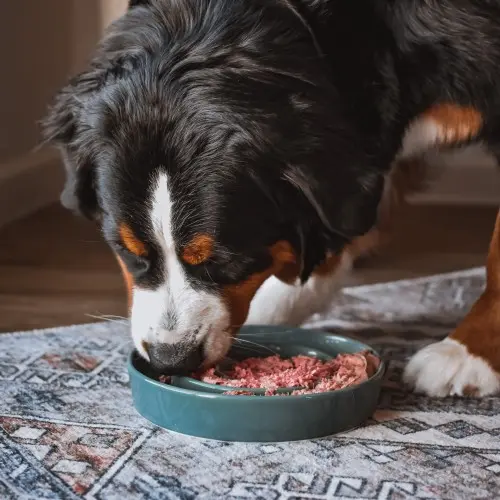
Credit: wefeedraw.com
Frequently Asked Questions
Should Puppy Food Be Separate From Adult Dog Food?
Yes, puppy food is specially formulated with more nutrients. Puppies need extra protein, calories, and vitamins for healthy growth. Adult dog food lacks these requirements. Feeding separate food ensures each dog receives proper nutrition for their life stage and size.
Can Adult Dogs Eat Puppy Food Safely?
Occasionally, adult dogs can eat puppy food, but it’s not ideal long-term. Puppy food has higher calories and fat, which may cause weight gain in adult dogs. It’s best to feed age-appropriate food to maintain balanced nutrition and avoid health issues.
Why Is Puppy Food Different From Adult Dog Food?
Puppy food contains more protein, fat, and essential nutrients than adult dog food. Puppies need these to support rapid growth and development. Adult dog food focuses on maintenance and balanced nutrition for stable weight and health, not growth.
How To Feed Multiple Dogs With Different Dietary Needs?
Use separate bowls and feed dogs their specific food based on age and size. This prevents nutritional imbalances and food guarding issues. Monitor each dog’s eating habits to ensure they get the right amount and type of food.
Conclusion
Separating puppy food from adult dog food helps meet their unique needs. Puppies need more nutrients to grow strong and healthy. Adult dogs require balanced meals to maintain their health. Feeding them the right food supports their energy and development.
Mixing foods can cause stomach problems or poor nutrition. Keep their meals distinct and consistent every day. This simple step ensures both dogs stay happy and healthy. Careful feeding shows you understand their different life stages. Small changes make a big difference in your dogs’ well-being.