
Are you wondering when the right time is to switch your dog’s food to adult formula? It’s a question every dog owner faces, but the answer isn’t always simple.
Feeding your pup the right food at the right time can impact their health, energy, and happiness. If you switch too early or too late, you might miss out on crucial nutrients or cause digestive problems. Keep reading to find out exactly when and how you should make this important change for your furry friend.
Your dog’s well-being depends on it!
Signs Your Puppy Is Ready
Knowing when to switch your puppy to adult dog food matters for their health. Puppies grow fast and need food that matches their stage. Watch for clear signs your puppy is ready for the change. These signs help you choose the right time to switch their diet smoothly.
Physical Growth Milestones
Puppies reach certain sizes and weights as they grow. Their baby teeth fall out and adult teeth come in. Muscle and bone development speed up. Once your puppy nears their adult size, the puppy food may no longer fit their needs. Different breeds grow at different speeds, so check your dog’s growth closely.
Behavioral Changes
Your puppy’s energy and eating habits start to shift. They may eat less often but take in more food at once. Some puppies become calmer and less hyperactive. These changes show their metabolism is adjusting. Pay attention to how your puppy acts during meals and playtime.
Nutritional Needs Shift
Puppies require more calories and nutrients for growth. Adult dogs need balanced nutrition to maintain health without extra calories. Protein, fat, and vitamins amounts change in adult food. Feeding adult food too early might cause nutrient gaps. Switching at the right time supports steady energy and good health.
Age Guidelines For Switching
Knowing the right age to switch your dog to adult food helps support healthy growth. Puppies need special nutrition during early stages. Switching too early or too late can affect their health and energy. Different breeds grow at different speeds. Understanding breed size guides the best timing for the change.
Small Breeds Timeline
Small breed dogs grow quickly and mature faster. Most small breeds are ready for adult food around 9 to 12 months. By this age, their rapid growth slows down. Their adult nutritional needs become more stable. Switching too late can lead to weight gain or nutrient imbalance.
Medium Breeds Timeline
Medium breeds take a bit longer to mature than small breeds. They usually switch to adult food between 12 to 15 months. Growth continues steadily during this period. Their bones and muscles develop fully by this time. Proper adult nutrition supports a strong, healthy body.
Large Breeds Timeline
Large breed dogs grow slower and take longer to reach maturity. Switching to adult food happens around 15 to 18 months. Large breeds need careful diet changes to avoid joint problems. Their growth plates close later than smaller dogs. Adult food helps maintain healthy weight and muscle development.
Choosing The Right Adult Food
Puppies grow fast and need different food as they age. Switching to adult dog food usually happens around one year old. This change helps support their health and energy needs as they become adults.
Choosing the right adult food for your dog is crucial. Each dog has unique nutritional needs. Transitioning to adult food should support their health and vitality. Picking the right food involves knowing what ingredients to prioritize. It ensures your dog gets the essential nutrients they need.Key Nutritional Components
Adult dogs need specific nutrients for their well-being. Protein is vital for muscle maintenance. Look for foods with high-quality animal proteins. Healthy fats provide energy and support skin health. Omega-3 and omega-6 fatty acids are beneficial. Carbohydrates supply energy and should come from whole grains. Fiber aids digestion and maintains a healthy gut.Special Dietary Requirements
Some dogs have special dietary needs. Dogs with allergies may require grain-free options. Senior dogs might need food with joint-supporting supplements. Overweight dogs benefit from low-calorie options. Active dogs need more protein and fat for energy. Consider your dog’s unique health conditions when choosing food.Quality Ingredients To Look For
Quality ingredients ensure your dog gets the best nutrition. Look for whole meat sources like chicken or beef. Avoid foods with by-products or fillers. Fruits and vegetables provide essential vitamins and minerals. Ingredients like sweet potatoes and peas offer healthy carbohydrates. Natural preservatives are preferable over artificial ones. Always check the ingredient list for transparency.
Credit: dogsauce.co
Transitioning Your Dog’s Diet
Switching your dog from puppy food to adult food is more than just changing the bag. It’s about easing their digestive system into a new routine while ensuring they get the right nutrients. How you handle this transition can affect your dog’s health and happiness.
Gradual Food Mixing Strategy
Start by mixing a small amount of adult food into your dog’s current puppy food. A good rule is to begin with 25% adult food and 75% puppy food.
Over the course of 7 to 10 days, slowly increase the adult food portion while decreasing the puppy food. This gradual change helps your dog’s stomach adjust without causing upset.
Have you noticed how some dogs are picky during this switch? Patience and consistency are key to helping them accept the new flavor and texture.
Monitoring For Digestive Issues
Watch closely for signs like diarrhea, vomiting, or constipation during the transition. These symptoms indicate your dog may be struggling with the new diet.
If you see any digestive trouble, slow down the transition or consult your vet. Sometimes, a different adult formula might suit your dog better.
Remember, each dog’s digestive system reacts differently—what works for one may not work for another.
Adjusting Portions And Feeding Frequency
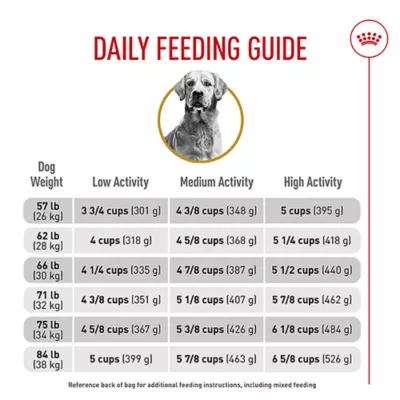
Adult dogs usually require fewer calories than puppies, so adjust portion sizes accordingly. Check the feeding guidelines on the adult food packaging as a starting point.
Also, consider feeding frequency. Puppies often eat three to four times a day, but adult dogs typically do well with two meals daily.
Have you measured your dog’s portions or timed their meals? Small changes here can prevent weight gain and keep your dog energetic and healthy.
Common Mistakes To Avoid
Switching your dog’s food to adult formula is a key moment in their growth. However, many pet owners make avoidable mistakes that can affect their dog’s health and happiness. Recognizing these common errors helps you make the transition smooth and beneficial for your furry friend.
Switching Too Early Or Late
Changing your dog’s food too soon can cause digestive upset or leave nutritional gaps. Puppies still need extra nutrients that adult food may lack. On the other hand, switching too late might mean your dog isn’t getting the right balance for their current stage, potentially leading to weight gain or nutrient deficiencies.
Ask yourself: Is my dog showing signs of readiness, like stable weight and mature teeth? Consulting your vet about the right timing is always a smart move.
Ignoring Breed-specific Needs
Each breed has unique dietary demands. Small breeds, large breeds, and giant breeds require different nutrient ratios and calorie counts. Overlooking these differences can result in underfeeding or overfeeding certain nutrients.
For example, large breeds often need food that supports joint health. Are you choosing a formula that matches your dog’s breed size and activity level? Tailor the switch to your dog’s specific needs to keep them thriving.
Overfeeding During Transition
When changing food, it’s tempting to add more to ensure your dog adjusts quickly. But overfeeding can cause digestive issues and unnecessary weight gain. Gradually mixing the new adult food with the old over 7-10 days helps your dog’s system adapt comfortably.
Keep an eye on portion sizes and your dog’s weight. Are you feeding the recommended amounts for their age and size? Avoid the urge to overfeed and watch for healthy progress instead.
Credit: www.petsmart.com
When To Consult A Veterinarian
Knowing when to consult a veterinarian about switching your dog’s food to adult formula can make a big difference in your pet’s health. Every dog is unique, and sometimes age alone isn’t the only factor to consider. If you notice any unusual signs or have questions about your dog’s diet, a vet’s advice is invaluable.
Health Concerns Affecting Diet
Your dog’s overall health can change the timing for switching to adult food. Conditions like obesity, digestive issues, or kidney problems require special diets that a vet can recommend. Ignoring these concerns may worsen your dog’s health or cause nutritional imbalances.
Have you noticed your dog gaining weight or having stomach upset after meals? These could be signs to get a professional opinion before changing their food.
Allergies And Food Sensitivities
Some dogs develop allergies or sensitivities that affect which foods they can safely eat. If your dog shows signs like itching, redness, or digestive upset, a vet can help identify which ingredients to avoid. Switching to adult food without guidance might introduce allergens or irritants.
Your vet can suggest hypoallergenic or limited-ingredient adult diets tailored to your dog’s needs. This approach keeps your dog comfortable and nourished as they mature.
Customizing Adult Food Plans
Every dog’s ideal adult food plan depends on factors like breed, activity level, and health status. A vet can help you create a feeding schedule and select formulas that match your dog’s lifestyle. This personal touch ensures your dog gets the right balance of nutrients.
Think about your dog’s daily routine and energy—are they very active or mostly calm? Consulting your vet will help you choose adult food that supports their unique needs and keeps them thriving.
Credit: wefeedraw.com
Frequently Asked Questions
When Is The Right Age To Switch Dog Food To Adult?
Most dogs should switch to adult food between 12 and 18 months. Larger breeds may need adult food later, around 18-24 months. Consult your vet to determine the best time based on your dog’s size and development.
How To Tell If My Dog Needs Adult Food?
Signs include slowed growth, decreased energy, and changes in weight. Puppies may also lose their puppy coat and teeth fully. If unsure, consult your vet for advice tailored to your dog’s health and breed.
Can Switching Dog Food Too Early Cause Problems?
Yes, switching too early can cause digestive upset and nutrient imbalance. Puppies need growth-specific nutrients that adult food lacks. Always transition gradually and follow your vet’s advice to avoid health issues.
How To Transition My Dog To Adult Food Smoothly?
Mix increasing amounts of adult food with puppy food over 7-10 days. Monitor your dog’s digestion and appetite during the transition. A slow switch helps prevent stomach upset and allows your dog to adjust comfortably.
Conclusion
Switching your dog to adult food helps support healthy growth. Watch their age and size to know the right time. Choose a balanced diet made for adult dogs. Changes should be gradual to avoid upset stomachs. Healthy food keeps your dog active and happy.
Talk to your vet if you feel unsure about switching. Your dog will thank you with a wagging tail and energy. Taking care of their diet is part of good pet care. Keep an eye on their health as they grow older.