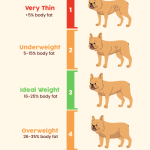
Are you wondering if your growing pup can eat adult dog food? It’s a question many dog owners face, and the answer might surprise you.
Feeding your puppy the right food is crucial for their health and development. Choosing the wrong diet could slow their growth or cause health issues. You’ll discover why puppy nutrition is different, what risks come with adult dog food, and how to make the best choice for your furry friend’s future.
Keep reading to ensure your pup gets the fuel they need to thrive.
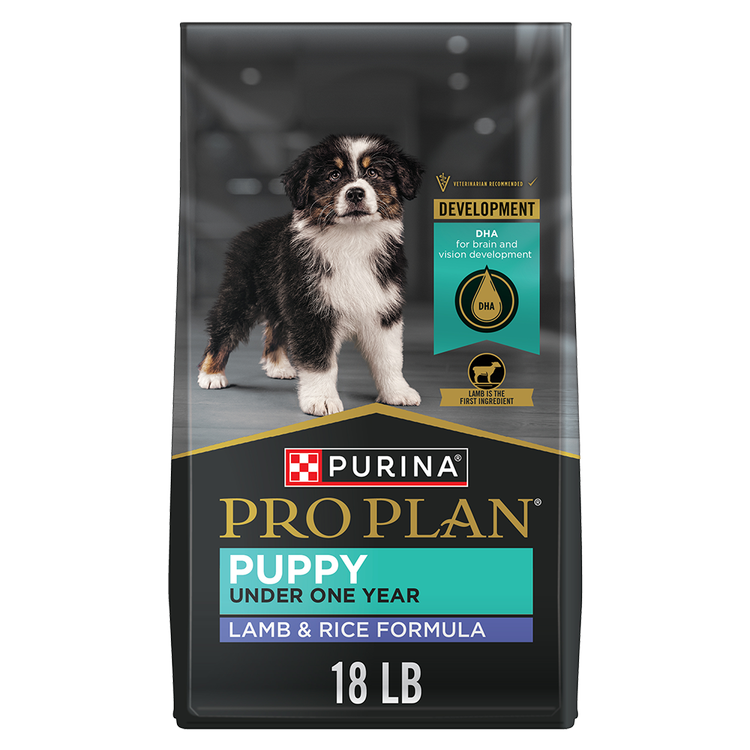
Credit: www.purina.com
Puppy Vs Adult Dog Food
Understanding the difference between puppy and adult dog food is important for your pet’s health. Puppies have special nutritional needs to support their rapid growth. Adult dogs require different nutrients to maintain their health and energy. Feeding the right food helps your dog stay strong and happy.
Nutritional Needs Of Puppies
Puppies need more calories to fuel their growing bodies. Their food must have higher protein for muscle development. Puppies also need extra fat for energy and brain growth. Vitamins and minerals like calcium and phosphorus support strong bones and teeth. Balanced nutrition helps puppies develop properly and stay healthy.
Nutritional Needs Of Adult Dogs
Adult dogs need fewer calories than puppies to avoid weight gain. Their food has controlled protein levels for maintenance, not growth. Adult dog food contains nutrients to support joint health and a strong immune system. Fiber helps keep digestion regular. Proper nutrition helps adult dogs stay active and live longer.
Key Differences In Formulations
- Puppy food has more calories per serving than adult dog food.
- Protein and fat levels are higher in puppy food to support growth.
- Adult dog food focuses on maintaining weight and overall health.
- Vitamins and minerals are balanced differently for each life stage.
- Puppy food often has smaller kibble sizes for easier chewing.
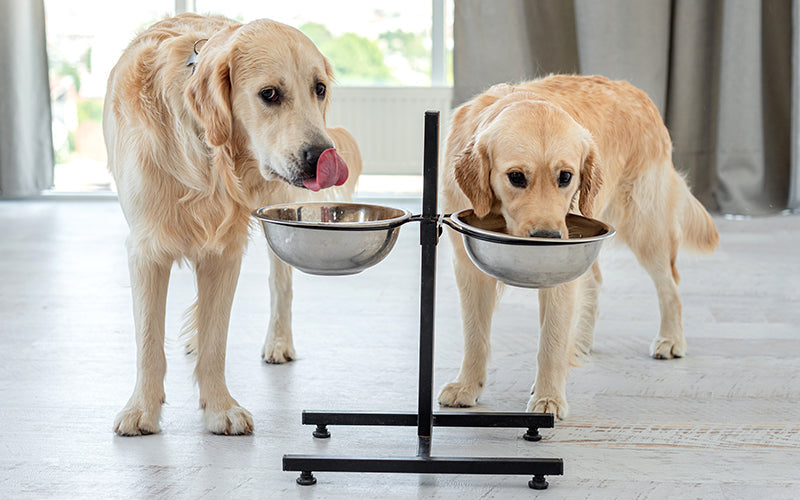
Credit: blepworld.com
Potential Risks For Puppies Eating Adult Food
Feeding your puppy adult dog food might seem convenient, but it can lead to several risks that impact their health. Puppies have unique nutritional needs that differ significantly from adult dogs. Ignoring these differences can slow their growth, cause health issues, and affect their overall well-being.
Growth And Development Concerns
Puppies require extra calories and specific nutrients to support rapid growth. Adult dog food often lacks the right balance of protein and fat needed during this critical phase. Feeding adult food may stunt your puppy’s bone and muscle development, leaving them weaker than they should be.
Have you noticed your puppy seems less energetic or smaller than other pups the same age? This could be a sign of inadequate nutrition from adult food.
Nutrient Deficiencies
Adult dog formulas are designed for maintenance, not growth, so they often contain lower levels of essential vitamins and minerals. Key nutrients like calcium, DHA, and certain amino acids may be insufficient in adult food for puppies.
Without these nutrients, your puppy’s brain development and immune system might not function at their best. This can lead to long-term health challenges that are harder to fix later.
Digestive Issues
Puppies have sensitive digestive systems that require easily digestible ingredients and specific fiber content. Adult dog food may be harder for them to process, causing upset stomachs, diarrhea, or constipation.
Have you seen your puppy struggle after meals or show signs of discomfort? Switching to puppy-specific food can often resolve these issues quickly.
When Adult Dog Food Might Be Suitable
Deciding if your puppy can eat adult dog food isn’t always straightforward. There are specific moments when adult food might actually suit your growing pup. Understanding these situations helps you make the best choice for your dog’s health and development.
Transitioning Between Puppy And Adult Food
Puppies don’t stay puppies forever, and at some point, you need to switch their diet. Usually, this transition happens around one year of age, but some breeds mature faster or slower.
Switching to adult food gradually over a week or two can prevent digestive upset. You might mix increasing amounts of adult food with decreasing puppy food to ease the change.
Specific Health Conditions
Some puppies may benefit from adult dog food if they have certain health issues. For example, a puppy with obesity or digestive problems might need a diet lower in calories or fat.
In such cases, adult food formulated for weight management or sensitive digestion can be more appropriate. But this depends heavily on your pup’s individual needs.
Consulting A Veterinarian
Your vet is your best guide when considering adult food for your puppy. They can assess your dog’s growth, health, and nutritional requirements with expert insight.
Never switch diets without professional advice, especially if your puppy has health concerns. Your vet’s recommendations will help avoid nutritional gaps or excesses that could harm your pup.
Choosing The Right Food For Your Puppy
Puppies need food made just for their growth and energy needs. Adult dog food lacks some nutrients essential for healthy puppy development. Feeding adult food to a puppy might cause health problems or slow growth.
Choosing the Right Food for Your Puppy Selecting the right food for your puppy is crucial for their growth and overall health. Puppies have unique nutritional needs that differ significantly from adult dogs. Feeding them adult dog food might not provide the essential nutrients they require during this vital stage of development.Reading Dog Food Labels
Understanding dog food labels can be a game-changer when shopping for your puppy’s meals. Look for labels that specify the food is suitable for puppies or all life stages. Check for a statement from the Association of American Feed Control Officials (AAFCO) indicating the food meets nutritional levels for growth.Importance Of Balanced Nutrition
Balanced nutrition is essential to support your puppy’s rapid growth and energy needs. Puppy food should have higher levels of proteins, fats, vitamins, and minerals compared to adult dog food. Ask yourself: Is this food supporting my puppy’s development, or just filling their stomach?Recognizing Quality Ingredients
Quality ingredients make a significant difference in your puppy’s diet. Look for recognizable whole foods like chicken, beef, or fish as the primary ingredient. Avoid foods with generic terms like “meat by-products” or unspecified “animal fats” which might indicate lower-quality ingredients. Choosing the right puppy food can feel overwhelming, but breaking it down into these manageable steps can make the task easier. Remember, your puppy’s future health starts with what you put in their bowl today.Tips For Feeding Puppies
Feeding puppies requires special care and attention to support their fast growth. Puppies need balanced nutrition and proper meal routines. The right feeding tips help keep them healthy and happy. Understanding feeding schedules, portion sizes, and growth monitoring is key to good puppy care.
Feeding Schedules
Puppies thrive with regular meal times. Feed young puppies three to four times daily. Smaller, frequent meals suit their small stomachs. As they grow, reduce meals to twice a day. Consistent feeding times create good habits and digestion.
Portion Control
Control portion sizes based on your puppy’s age and weight. Overfeeding can cause health problems like obesity. Use feeding guidelines on puppy food packages as a start. Adjust portions if your puppy is gaining too much weight or seems hungry. Measure food with a cup for accuracy.
Monitoring Puppy Growth
Track your puppy’s weight regularly to ensure healthy growth. Healthy puppies gain weight steadily every week. Keep a growth chart or notebook for records. Watch for signs of slow growth or rapid weight gain. Consult a vet if growth patterns seem off or your puppy is too thin or heavy.
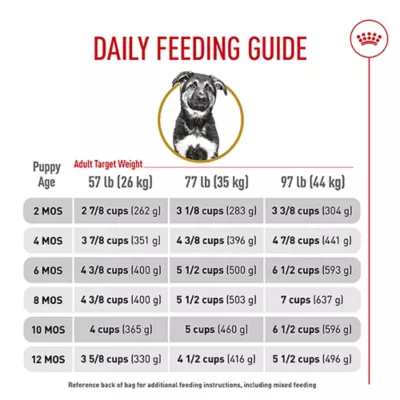
Credit: www.petsmart.ca
Frequently Asked Questions
Can Puppies Eat Adult Dog Food Safely?
Puppies should not eat adult dog food regularly. Adult food lacks essential nutrients needed for puppy growth. Feeding adult food may cause deficiencies or health issues. Always choose puppy-specific food for balanced nutrition and proper development.
What Happens If A Puppy Eats Adult Dog Food?
If a puppy eats adult dog food occasionally, it’s usually safe. However, long-term feeding can lead to poor growth and health problems. Adult dog food lacks enough protein and calories puppies need. Consult a vet if unsure about your puppy’s diet.
When Can A Puppy Switch To Adult Dog Food?
Puppies can switch to adult dog food around 12 months old. Large breeds may need to wait until 18 months. Switching too early can affect growth and health negatively. Always transition gradually to avoid digestive upset.
Are Adult Dog Foods Harmful To Puppies?
Adult dog foods are not harmful in small amounts but aren’t ideal. They don’t contain the right nutrients or calorie levels for puppies. Feeding only adult food can result in malnutrition. Puppy food supports immune health and bone development better.
Conclusion
Puppies need special nutrition to grow strong and healthy. Adult dog food lacks some nutrients puppies require. Feeding adult food to a puppy might cause health issues. Always choose food made for puppies during their early months. Consult your vet to find the best diet for your pup.
Healthy eating helps your puppy develop properly and stay happy. Proper food supports their energy and strong bones. Remember, good nutrition builds a happy, active dog for life.