
If you have a giant breed puppy, you know how fast they grow. But when is the right time to switch from puppy food to adult dog food?
Choosing the perfect moment can make a big difference in your dog’s health and energy. Feed them too long on puppy food, and it might cause weight problems. Switch too early, and they could miss out on important nutrients. You’ll discover clear signs and expert tips to help you make the best choice for your giant furry friend.
Keep reading to give your dog the nutrition they truly need at every stage of life.
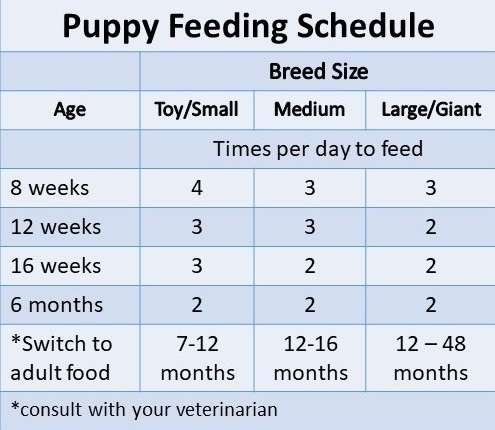
Credit: www.vetsupply.com.au
Growth Stages Of Giant Breeds
Understanding the growth stages of giant breed dogs is essential when deciding the right time to switch their diet from puppy food to adult dog food. These dogs have unique nutritional needs that change as they grow, so recognizing each phase helps you provide the best care. Let’s break down what happens during their growth and how it affects their food requirements.
Puppy Phase Duration
Giant breed puppies grow at a different pace than smaller dogs. Their puppy phase usually lasts longer—often up to 12 to 18 months—because their bones and joints need more time to develop properly.
This extended growth period means they require specially formulated puppy food that supports slow, steady growth. Feeding adult food too early can cause nutritional imbalances, leading to issues like joint problems.
Have you noticed your giant breed puppy still looking quite lanky after a year? That might be a sign they’re still in the puppy phase and need puppy-specific nutrients.
Adolescent Changes
As your giant breed dog enters adolescence, their growth rate slows down but doesn’t stop entirely. You’ll see changes like increased muscle development and a more mature bone structure.
During this phase, the diet should gradually shift to support these changes without providing too many calories that could lead to excessive weight gain. This transition period is crucial for avoiding health problems later on.
Watch for changes in your dog’s energy levels and body condition. Are they becoming less hyperactive but still growing? This is your cue to start considering adult dog food with the right balance of nutrients.

Credit: us.eukanuba.com
Nutritional Needs Of Giant Puppies
Giant breed puppies grow fast and need special nutrition. Their bones and muscles develop differently than smaller dogs. Proper food supports strong growth without health problems. Understanding their unique nutritional needs helps choose the right time to switch foods.
Calcium And Phosphorus Balance
Giant puppies need careful calcium and phosphorus levels. These minerals build strong bones and teeth. Too much calcium causes bone deformities. Too little slows bone growth. Balanced amounts prevent joint and bone issues as they grow.
Protein Requirements
Protein supports muscle and tissue development in giant puppies. They need high-quality protein but not too much. Excess protein strains kidneys and causes health risks. Proper protein helps maintain healthy muscles and overall growth.
Calorie Intake
Giant puppies burn many calories during growth. Overfeeding leads to fast weight gain and joint stress. Undereating slows growth and weakens the body. Controlled calorie intake ensures steady, healthy development without extra fat.
Signs To Transition To Adult Food
Giant breed puppies show slower growth than smaller dogs and need adult food around 12 to 18 months. Signs like reduced energy and slower weight gain suggest it’s time to switch. Feeding adult food supports healthy bones and joints in large breeds.
Transitioning your giant breed puppy to adult dog food is crucial. Recognizing the signs ensures their health and growth. Puppies need different nutrients than adults. Knowing when to switch helps maintain their wellbeing. Below, explore key indicators for this transition.Physical Development Indicators
Giant breed puppies grow rapidly. Monitor their weight and size. Adult size is a good indicator. Typically, they reach adult size between 12 to 24 months. Notice changes in their body structure. Look for muscle development and solid bone structure. Also, check their teeth. Adult teeth replace puppy teeth by this time.Behavioral Changes
Behavior changes as puppies mature. They may show less playful energy. Adult dogs often have steadier energy levels. Observe their eating habits. Puppies eat more frequently. Adults eat larger meals less often. Watch for signs of maturity. More independence and calmness are common. Your puppy may show interest in adult activities.Risks Of Early Or Late Switching
Switching a giant breed puppy to adult dog food at the right time is crucial. Changing too early or too late can harm your dog’s health. Both mistakes carry serious risks that affect growth and digestion. Understanding these risks helps protect your dog’s well-being.
Growth Problems
Giant breed puppies grow fast but need balanced nutrition. Early switching to adult food can slow their growth. Adult food lacks enough calories and nutrients for puppies. This can lead to weak bones and joints.
Late switching also causes issues. Puppy food is rich in calories and minerals to support growth. Feeding it too long may cause rapid growth. Rapid growth stresses bones and joints, leading to deformities.
Both early and late switching disrupt healthy development. Proper timing keeps growth steady and strong.
Digestive Issues
Digestive problems often result from improper food changes. Switching too soon can upset your puppy’s sensitive stomach. Adult food may be harder to digest for young puppies. This can cause diarrhea, vomiting, or discomfort.
Delaying the switch also causes problems. Puppy food is richer and harder for adult dogs to digest. Long use may lead to weight gain or stomach upset in adult dogs.
Gradual switching helps avoid digestive trouble. It allows your dog’s system to adjust smoothly.
Choosing The Right Adult Food
Choosing the right adult food for your giant breed dog is crucial for their health and longevity. These dogs have unique nutritional needs that differ significantly from smaller breeds. Feeding them the wrong type of food can lead to joint problems, obesity, or nutrient imbalances.
Think about your dog’s energy levels and growth rate. Are they more active or calm? This will help you decide on the right food formula. You want to select food that supports their large frame while keeping them lean and strong.
Key Ingredients To Look For
Protein is essential for muscle maintenance and repair. Look for high-quality animal proteins like chicken, beef, or fish listed as the first ingredient.
Calcium and phosphorus must be balanced carefully. Too much or too little can affect bone development, especially in giant breeds.
Glucosamine and chondroitin support joint health. Including these in your dog’s diet can ease arthritis and keep them moving comfortably.
- Moderate fat levels to provide energy without causing excess weight
- Fiber for digestive health and regular bowel movements
- Omega-3 fatty acids to reduce inflammation and promote a shiny coat
Avoiding Common Additives
Many dog foods include artificial colors, flavors, and preservatives. These additives offer no nutritional benefit and can cause allergies or sensitivities.
Steer clear of foods with excessive fillers like corn, wheat, or soy. These ingredients often replace valuable nutrients and can upset your dog’s stomach.
Ask yourself if the ingredient list feels natural and straightforward. If you can’t pronounce it or it looks like a chemical formula, it might be best to find a cleaner option.
Choosing food without these additives ensures your dog gets pure nutrition without unnecessary risks.
Transitioning Tips
Switching your giant breed puppy from puppy food to adult dog food is a crucial step that requires care and attention. A smooth transition helps avoid digestive issues and ensures your dog’s nutritional needs continue to be met. Below are some practical tips to guide you through this change while keeping your pup happy and healthy.
Gradual Food Mixing
Start by mixing a small amount of adult dog food into your puppy’s current meal. Increase the adult food portion gradually over 7 to 10 days until you are feeding only adult food.
This slow change allows your dog’s digestive system to adjust without upset. You can try this simple schedule:
| Day | Puppy Food | Adult Food |
|---|---|---|
| 1-3 | 75% | 25% |
| 4-6 | 50% | 50% |
| 7-9 | 25% | 75% |
| 10+ | 0% | 100% |
Do you notice your dog being picky or hesitant? Try mixing the foods with a little warm water to enhance the aroma and make it more tempting.
Monitoring Your Dog’s Response
Watch your dog closely during the transition. Check for any signs of digestive upset like vomiting, diarrhea, or constipation.
Changes in energy levels, coat condition, or appetite can also signal how well your dog is adjusting. Keep a daily journal to track these changes and share it with your vet if concerns arise.
If your dog shows persistent discomfort or refuses the new food, slow the transition down. Sometimes extending the mixing period by a few more days helps their system adapt comfortably.
Consulting Your Veterinarian
Consulting your veterinarian is essential when deciding to switch your giant breed puppy to adult dog food. Every puppy grows at a different pace. Your vet can assess your dog’s health, weight, and growth patterns. This helps determine the right time to change their diet safely. Avoid guessing or relying on general age guidelines.
Personalized Nutrition Plans
Your veterinarian can create a nutrition plan tailored for your giant breed. They consider breed-specific needs and health conditions. Puppies of large breeds have unique calcium and phosphorus needs. The vet adjusts food types and amounts to support strong bones and joints. This plan prevents overfeeding or underfeeding during growth stages.
Regular Health Checks
Regular vet visits track your puppy’s development closely. Health checks identify any growth issues early on. Vets monitor weight, muscle tone, and overall body condition. They also check for signs of joint problems or nutritional deficiencies. These visits help confirm if your puppy is ready for adult food.
Credit: www.purina.com
Frequently Asked Questions
When Should I Switch My Giant Breed Puppy To Adult Food?
Switch to adult food when your giant breed puppy reaches 12 to 18 months. This timing supports healthy growth and joint development. Monitor your vet’s advice to ensure the right transition period for your specific breed.
Why Is Timing Important For Switching Dog Food?
Proper timing prevents nutritional imbalances and supports bone health. Switching too early or late can cause growth issues. Feeding adult food too soon may lack essential nutrients, while delayed switching can lead to obesity.
How To Know If My Giant Breed Puppy Is Ready?
Look for signs like reaching near adult size and weight. Consult your vet for growth milestones and overall health. They can guide the best time to switch based on your puppy’s development.
What Are The Risks Of Late Food Transition?
Delaying the switch can cause excess calorie intake, leading to obesity. It may also result in joint stress and growth abnormalities. Timely transition helps maintain optimal health and prevents future complications.
Conclusion
Giant breed puppies grow fast and need special care. Switching to adult food at the right time helps their health. Watch their weight and energy levels closely. Usually, the switch happens between 12 to 18 months old. Choose food made for large adult dogs.
This keeps bones strong and prevents weight problems. Remember, every dog is different. Talk to your vet for the best advice. Giving proper nutrition helps your dog live a happy, healthy life. Keep an eye on their needs as they grow.
Simple steps make a big difference.