
Are you wondering when to switch your furry friend from puppy food to adult dog food? It’s a question every dog owner faces, but the answer isn’t always clear.
Feeding your dog the right food at the right age is crucial for their health and happiness. Get it wrong, and you could affect their growth, energy, and overall well-being. You’ll discover exactly how old your dog should be before making the switch, along with tips to make the transition smooth and stress-free.
Keep reading to ensure your dog stays healthy and strong at every stage of life.
When To Switch To Adult Dog Food
Knowing the right time to switch your dog from puppy food to adult food is important. The change supports their health and growth at each stage. Feeding adult dog food too early or too late can affect your dog’s nutrition and energy.
Dogs grow at different rates, so understanding their development helps decide the switch. This section explains the key points to consider before changing their diet.
Puppy Growth Stages
Puppies grow quickly in the first year. Their nutritional needs change as they move from baby to adult. Usually, small breeds reach adulthood faster than large breeds.
Typical growth stages:
- 0-3 months: Rapid growth, high energy needs
- 3-6 months: Steady growth, continued high protein needs
- 6-12 months: Growth slows, prepare for adult food
Breed Size And Maturity
Small, medium, and large breeds mature at different times. Small breeds often mature by 9-12 months. Large breeds may take 12-24 months to fully mature.
Breed size guide:
| Breed Size | Typical Maturity Age |
|---|---|
| Small Breeds | 9-12 months |
| Medium Breeds | 12 months |
| Large Breeds | 18-24 months |
Signs Your Dog Is Ready
- Growth rate slows down noticeably
- Weight gain stabilizes over several weeks
- Energy levels become consistent, less hyperactive
- Veterinarian confirms readiness during check-up
Watching these signs ensures a smooth and healthy switch. Always consult your vet for personalized advice.
Differences Between Puppy And Adult Dog Food
Understanding the differences between puppy and adult dog food is crucial for your dog’s health and well-being. Puppies are growing rapidly, so their food supports development. Adult dog food, however, is designed to maintain health and energy without promoting unnecessary weight gain.
Nutritional Needs
Puppies need extra nutrients like DHA for brain development and calcium for strong bones. Their food is enriched with vitamins and minerals to support this fast growth. Adult dogs require balanced nutrition to keep their organs functioning well and to maintain their ideal weight.
Have you noticed how your puppy’s energy levels change as they grow? Adjusting food to meet these changing needs helps avoid health issues later.
Calorie Content
Puppy food contains more calories per serving to fuel their active growth phase. Adult dog food has fewer calories to prevent weight gain since adults tend to be less active than puppies. Feeding the wrong calorie amount can lead to obesity or malnutrition.
Think about your dog’s daily activity—does their food match their energy output? Matching calories helps keep your dog fit and happy.
Protein Levels
Protein in puppy food is higher to support muscle and tissue growth. Adult dog food has moderate protein levels to maintain muscle mass without overloading the kidneys. Choosing the right protein amount ensures your dog stays strong without health risks.
Have you compared the protein content on your dog’s food label lately? It might be time to adjust it based on their age and activity.
Age Guidelines By Breed Size
Feeding your dog the right food at the right age supports their health and growth. Dogs of different sizes mature at different rates. Knowing when to switch to adult dog food depends on your dog’s breed size. Age guidelines help you make this change smoothly.
Small, medium, and large breeds each have unique growth patterns. Adjusting their diet at the correct time ensures they get proper nutrition. This section breaks down age guidelines by breed size for feeding adult dog food.
Small Breeds
Small breeds grow quickly and mature faster than larger dogs. They often reach adulthood between 9 and 12 months. Switching to adult dog food at around 9 months is usually best. This helps support their energy needs without overfeeding.
Medium Breeds
Medium breeds mature slower than small breeds but faster than large breeds. Most medium dogs are ready for adult food between 12 and 14 months. Changing their diet at this age supports balanced growth and maintains healthy weight.
Large And Giant Breeds
Large and giant breeds take the longest to mature. Their growth phase can last up to 18 or 24 months. Switching to adult dog food too early can cause problems. Wait until they reach 18 months or older to make the change. This timing helps avoid joint and bone issues.
Credit: www.webbox.co.uk
Adjusting Food Based On Activity And Health
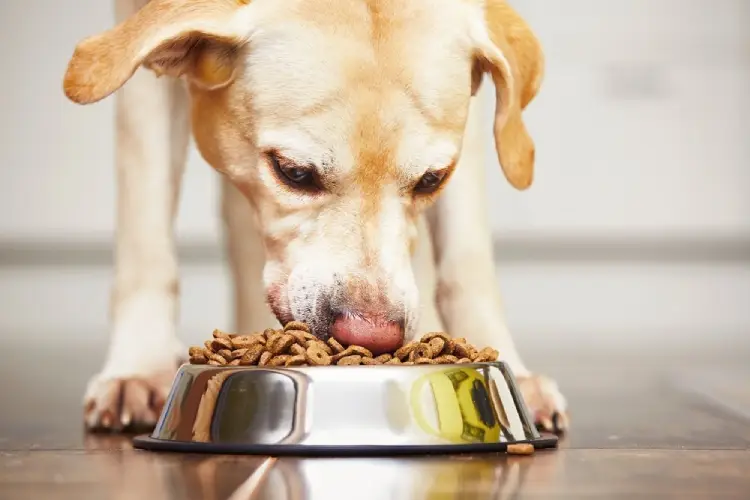
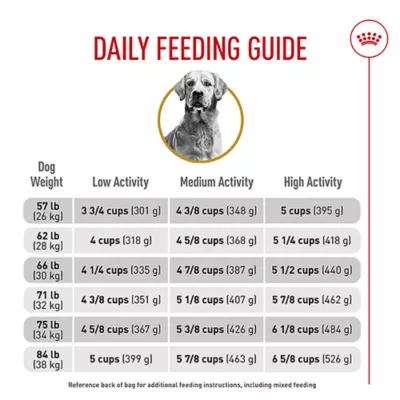
Adult dog food suits dogs around one year old or after their growth phase. Adjust food type based on your dog’s activity level and health needs. Active dogs may need more calories, while less active ones require fewer to stay healthy.
Adjusting the type of food you give your dog based on their activity level and health is crucial for maintaining their overall well-being. Just like humans, dogs have unique dietary needs that can change over time. By tailoring their diet to match their lifestyle and health conditions, you ensure they receive the right nutrients. This can lead to a healthier, happier pet. Does your dog love to run and play all day, or are they more of a couch potato? The level of activity plays a significant role in determining their dietary needs.Active Vs. Sedentary Dogs
Active dogs burn more calories and require a diet rich in proteins and fats to sustain their energy levels. Look for dog foods that are specifically designed for high-energy pets. These usually have a higher calorie content. On the other hand, sedentary dogs need fewer calories to avoid gaining excess weight. Their diet should focus on providing balanced nutrition without excess calories. Low-calorie dog foods can be a good option. Consider your dog’s daily routine. Are you taking them for long walks, or do they prefer lounging around the house? Adjust their food accordingly to ensure they stay fit.Health Conditions
Some health conditions can significantly impact your dog’s dietary needs. For instance, a dog with kidney issues might require a diet low in certain proteins and phosphorus. Specialized dog foods can help manage these conditions. Allergies can also dictate the type of food your dog needs. Grain-free or hypoallergenic options might be necessary if your dog shows signs of food intolerance. Always consult with your vet when dealing with health-related dietary changes. They can provide guidance on the best food options for your pet’s specific health needs.Weight Management
Keeping your dog at a healthy weight is crucial. Overweight dogs are more prone to conditions like diabetes and joint problems. Choose weight management formulas that offer balanced nutrition with lower calories. If your dog is underweight, opt for calorie-dense foods that can help them gain weight healthily. Ensuring they have access to enough nutrients is key. Regularly monitor your dog’s weight and adjust their food intake as needed. How often do you weigh your dog? It might be time to step on the scale together!Tips For A Smooth Food Transition
Switching your dog from puppy food to adult dog food can be tricky if not done carefully. A smooth transition helps avoid stomach upset and keeps your dog happy and healthy. Paying attention to the process ensures your dog adapts without stress.
Gradual Mixing Method
Start by mixing a small amount of adult food with your dog’s current puppy food. Gradually increase the adult food portion over 7 to 10 days. This slow change helps your dog’s digestive system adjust without shock.
For example, on day one, try 25% adult food and 75% puppy food. By day five, it might be half and half. By the end of the transition, your dog should be eating only adult food.
Monitoring Digestive Health
Watch for any signs of digestive trouble like diarrhea, vomiting, or constipation. These could mean the change is too fast or the new food doesn’t agree with your dog. Keep an eye on your dog’s energy levels and appetite too.
If your dog seems uncomfortable or refuses to eat, slow down the transition pace. Sometimes, it takes a little longer for your dog to get used to a new diet. Documenting any changes helps you spot patterns and adjust accordingly.
When To Consult A Vet
If digestive issues persist beyond two weeks, or if your dog loses weight or shows signs of distress, it’s time to see your vet. Your vet can recommend specific foods or supplements to ease the transition. They can also rule out any underlying health problems.
Remember, your vet’s advice is invaluable when your dog’s health feels off. Have you noticed any unusual behavior during food changes? Don’t hesitate to ask for professional guidance to keep your dog thriving.
Credit: www.petsmart.com

Credit: jiminys.com
Frequently Asked Questions
When Should I Switch My Dog To Adult Food?
Most dogs transition to adult food at 12 months. Large breeds may switch between 12-18 months. Consult your vet for breed-specific advice.
Why Is Age Important For Feeding Adult Dog Food?
Age determines your dog’s nutritional needs. Puppies need more calories and nutrients for growth. Adult dog food supports maintenance and health.
Can I Feed Adult Dog Food To Puppies?
Adult food lacks essential nutrients for puppies’ growth. Feeding adult food too early may cause deficiencies and health issues. Use puppy-specific formulas.
How Do I Know My Dog Is Ready For Adult Food?
Look for signs like slowed growth and adult teeth. Consult your vet to confirm your dog’s age and readiness for adult food.
Conclusion
Feeding adult dog food at the right age helps your dog stay healthy. Most dogs switch to adult food around one year old. Small breeds may change sooner, larger breeds later. Watch your dog’s growth and energy levels closely. Consult your vet for the best timing and food choice.
Good nutrition supports strong bones, shiny coat, and good energy. Every dog is different, so pay attention to their needs. Simple care makes a big difference in your dog’s life.