
Are you wondering if a grain free diet for dogs is the right choice for your furry friend? You want the best for your dog’s health and happiness, but with so many food options, it’s easy to feel confused.
Understanding what a grain free diet really means can help you make smarter decisions about your dog’s meals. This article will clear up the mystery and show you how this type of diet might benefit your dog’s energy, digestion, and overall well-being.
Keep reading to discover if going grain free is the key to a healthier, happier pup.
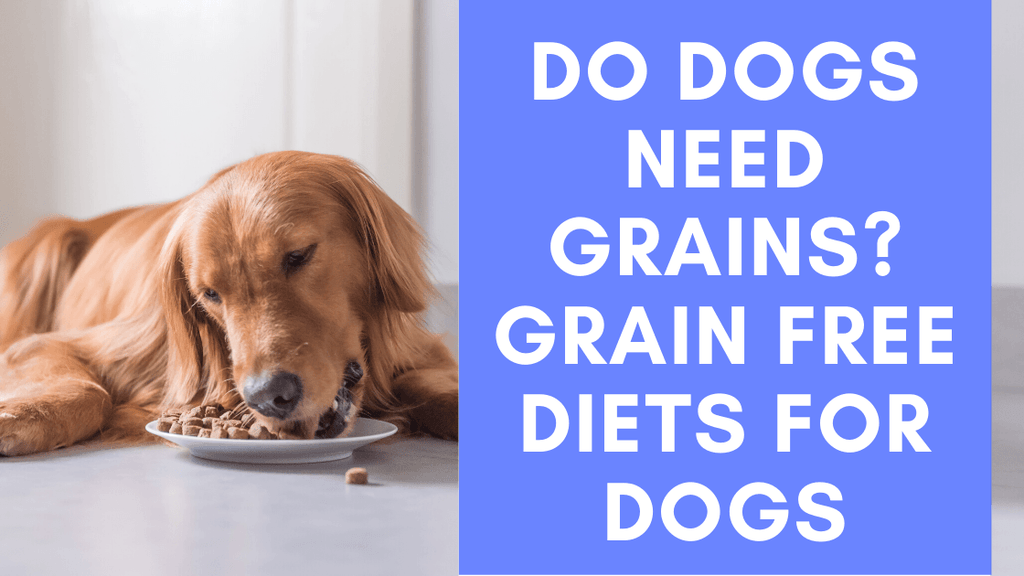
Credit: www.monsterk9.com
Grain Free Diet Basics
A grain free diet for dogs removes all grains from their food. This diet focuses on other sources of nutrients. It suits dogs with grain allergies or sensitivities. Many pet owners choose it to support digestion and skin health.
Understanding the basics helps make better choices for your dog’s food. It is important to know what grain free means and which ingredients replace grains.
What Does Grain Free Mean?
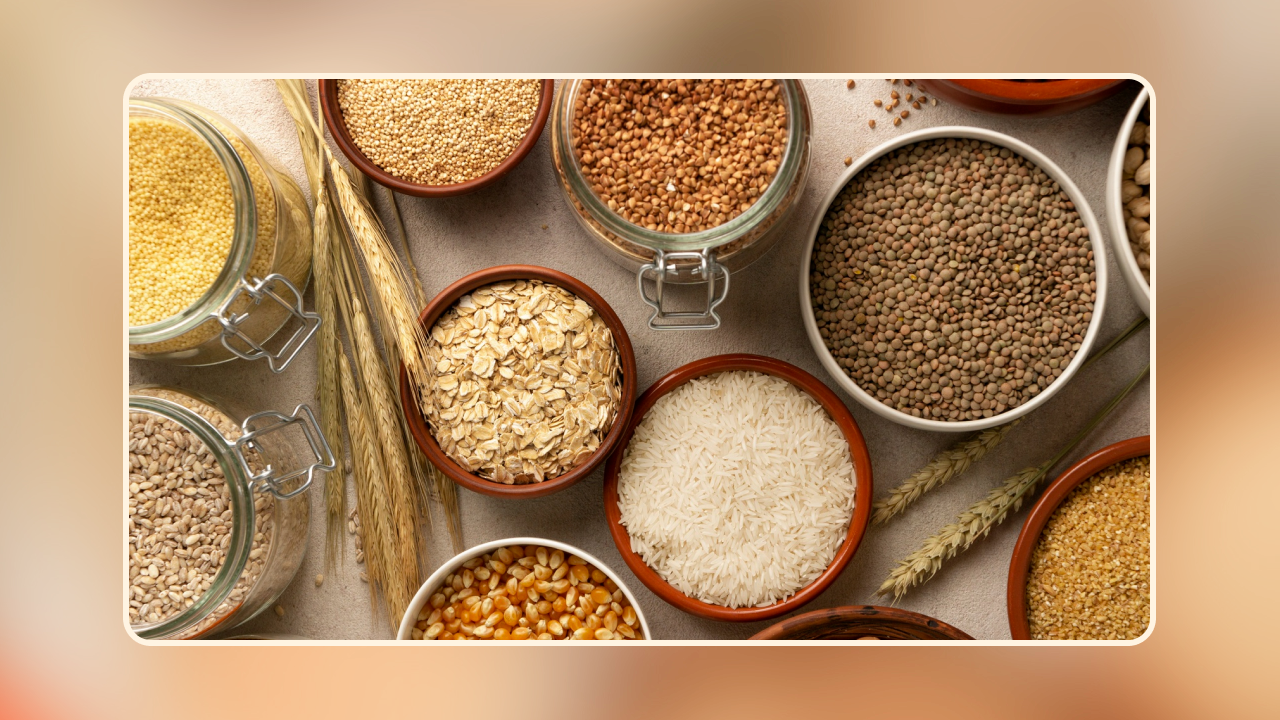
Grain free means the dog food contains no wheat, corn, rice, barley, or oats. These grains are common sources of carbohydrates in pet food. Grain free diets replace these with other sources that dogs can digest easily.
Grain free does not mean the food is free from all carbohydrates. It means the carbohydrates come from non-grain ingredients. This can help dogs with allergies or stomach issues linked to grains.
Common Ingredients In Grain Free Foods
Grain free dog foods use various ingredients to replace grains. These ingredients provide energy and nutrients.
- Sweet potatoes – rich in fiber and vitamins
- Peas – good source of protein and fiber
- Lentils – high in protein and minerals
- Chickpeas – provide protein and carbohydrates
- Potatoes – offer carbohydrates and energy
- Beans – contain protein and fiber
These ingredients support a balanced diet without grains. They help maintain your dog’s energy and overall health.
Reasons For Choosing Grain Free
Choosing a grain free diet for your dog is often about more than just following a trend. It’s a decision made to address specific health needs and improve your dog’s quality of life. Many pet owners see noticeable changes after switching to grain free, which motivates them to learn more about why this option might be right for their furry friend.
Allergies And Sensitivities
Grains like wheat, corn, and soy can trigger allergies or sensitivities in some dogs. These reactions might show up as itchy skin, hot spots, or even ear infections. If your dog constantly scratches or has patchy fur, you might be dealing with a grain-related allergy.
Switching to a grain free diet removes these common allergens, giving your dog’s immune system a break. Many owners report their dogs’ skin clears up within weeks of making the change. Have you noticed any signs of allergies in your dog that don’t improve with regular treatments?
Digestive Health Benefits
Grain free diets often use alternative carbohydrates like sweet potatoes or peas, which can be easier for some dogs to digest. This can lead to better nutrient absorption and fewer digestive upsets such as gas, diarrhea, or constipation. If your dog has a sensitive stomach, a grain free diet might help calm those issues.
Improved digestion also means your dog might have more energy and feel better overall. Many pet owners share stories of their dogs’ improved stool quality and increased vitality after switching. Could a change in your dog’s diet be the key to easing their tummy troubles?
Potential Health Benefits
Considering a grain-free diet for your dog might seem like a big step, but the potential health benefits could make it worthwhile. Many dog owners have noticed significant improvements in their pet’s overall health and vitality. Let’s dive into some of the potential advantages this type of diet can offer your furry friend.
Improved Skin And Coat
One of the most noticeable benefits of a grain-free diet is the improvement in your dog’s skin and coat. Dogs with sensitive skin or allergies often experience less irritation and itching. A friend of mine switched her Labrador to a grain-free diet, and within weeks, his coat became shinier and softer, and his constant scratching stopped.
Grain-free dog foods often include omega-3 and omega-6 fatty acids, which are essential for maintaining a healthy skin barrier. Have you noticed any changes in your dog’s coat since switching their diet?
Weight Management
Grain-free diets can be beneficial for weight management, especially for dogs prone to weight gain. These diets often contain higher protein levels and lower carbohydrate content. This means your dog can feel fuller with less food, reducing overeating.
My neighbor’s Beagle struggled with weight issues, but after transitioning to a grain-free diet, they saw steady weight loss. This approach helped them maintain their dog’s ideal weight without the need for restrictive feeding. Have you faced similar challenges with your pet’s weight?
Enhanced Energy Levels
A grain-free diet can lead to noticeable changes in your dog’s energy levels. Many owners report that their dogs are more active and playful after making the switch. This could be due to the higher protein content and the absence of fillers found in some grain-based foods.
Imagine coming home to a dog that’s eager to play fetch or go for a walk, rather than one that’s lethargic and tired. Have you observed any changes in your dog’s energy after changing their diet?
Switching to a grain-free diet might be the key to unlocking these health benefits for your dog. However, it’s essential to consult with your vet to ensure it’s the right choice for your pet’s specific needs.
Possible Risks And Considerations
Choosing a grain free diet for dogs comes with some risks and important points to think about. Grain free does not always mean better. Understanding these factors can help keep your dog healthy and happy.
Nutritional Balance Concerns
Grains provide energy and nutrients for dogs. Removing grains can reduce fiber and vitamins. Some grain free foods may lack enough nutrients for overall health. Dogs need a balanced diet with protein, fat, and carbohydrates.
Watch for signs of nutrient deficiency like poor coat or low energy. Not all grain free options meet nutritional needs. Look for foods labeled “complete and balanced” by AAFCO standards.
Cost And Availability
Grain free dog foods often cost more than regular foods. Ingredients like potatoes and peas can be pricier than grains. These diets may be harder to find at local stores. Limited availability can cause issues during emergencies or changes in diet.
Budget and access to quality grain free food should be considered before switching. Consistency in feeding is key for your dog’s well-being.
Consulting Your Veterinarian
Always talk to a vet before changing your dog’s diet. A professional can advise if grain free suits your dog’s health needs. Some dogs may have allergies or sensitivities that benefit from grain free diets.
A vet can help monitor your dog’s health after switching foods. Regular check-ups ensure your dog gets proper nutrition and stays healthy.
Transitioning To A Grain Free Diet
Switching your dog to a grain free diet can feel like a big change, but it doesn’t have to be stressful for either of you. Dogs have sensitive digestive systems, so moving too quickly might upset their stomach or cause them to reject the new food altogether. Taking your time and paying close attention to how your dog reacts will make the transition smoother and more successful.
Gradual Switch Tips
Start by mixing a small amount of the grain free food with your dog’s current diet. A good rule is to begin with about 25% new food and 75% old food. After a few days, increase the new food to 50%, then 75%, and finally 100% over the course of one to two weeks.
Keep meals consistent and avoid adding treats that contain grains during this time. This helps your dog’s digestive system adjust without extra variables. If you notice your dog refusing the new food, try warming it slightly to enhance the aroma, which might make it more appealing.
Monitoring Your Dog’s Response
Watch for any signs of digestive upset such as vomiting, diarrhea, or constipation. Mild changes in stool are normal, but persistent issues should not be ignored. Also, observe your dog’s energy levels and coat condition; improvements can indicate the new diet is benefiting them.
Are you noticing any changes in your dog’s behavior or health during the switch? Keep a daily log of meals, reactions, and bathroom habits. This record can help you and your vet make informed decisions if adjustments are needed.
Credit: wefeedraw.com
Popular Grain Free Brands
Choosing the right grain free brand for your dog can feel overwhelming with so many options on the market. Each brand offers different benefits, ingredients, and nutritional values. Knowing which brands stand out can help you make a smarter decision for your pet’s health and happiness.
Top Rated Options
Some grain free dog food brands consistently receive praise from pet owners and veterinarians alike. Brands like Blue Buffalo Wildernessand Merrick Grain Freeare known for their quality ingredients and balanced nutrition. Another popular choice is Wellness CORE, which focuses on high protein content without any grains.
These brands often use real meat as the first ingredient and avoid fillers that provide little nutritional value. Have you noticed how your dog’s energy levels change when you switch to a high-quality grain free food? That’s a sign you’re on the right track.
Ingredients To Look For
When picking a grain free brand, focus on the ingredients list rather than marketing claims. Look for whole proteins like chicken, turkey, or fish at the top of the list. Healthy fats such as salmon oil or flaxseed are great for your dog’s coat and brain.
Also, check for vegetables like sweet potatoes, peas, and lentils, which provide essential vitamins and fiber. Avoid foods with artificial colors, flavors, or preservatives—they offer no benefit to your dog and can cause allergies. Have you checked your dog’s food label lately? It might surprise you what’s really inside.
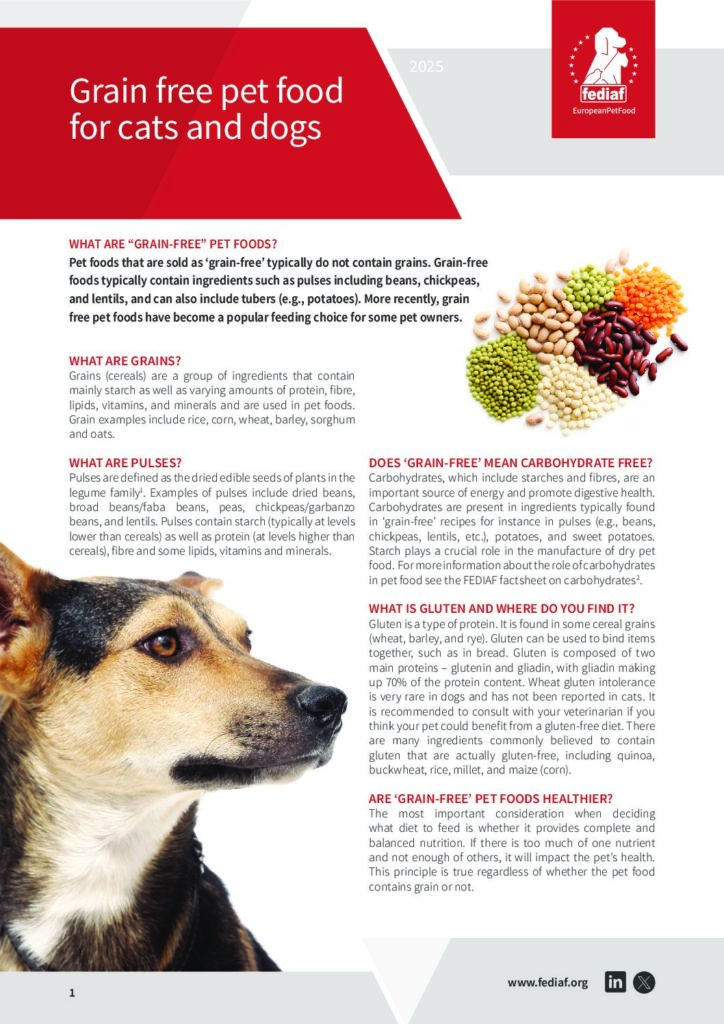
Credit: europeanpetfood.org
Frequently Asked Questions
What Is A Grain Free Diet For Dogs?
A grain free diet excludes wheat, corn, rice, and barley. It focuses on proteins, vegetables, and fruits, aiding dogs with allergies or sensitivities to grains.
Are Grain Free Diets Better For Dogs?
Grain free diets can benefit dogs with grain allergies. However, most dogs digest grains well, so it depends on individual health needs and vet advice.
Can Grain Free Diets Cause Health Issues?
Some studies link grain free diets to heart problems in dogs. Always consult a vet before changing diets to ensure balanced nutrition and safety.
Which Dogs Benefit Most From Grain Free Food?
Dogs with allergies, digestive issues, or sensitivities to grains benefit most. Grain free food reduces allergic reactions and improves digestion for these dogs.
Conclusion
A grain free diet for dogs removes grains like wheat and corn. Many dogs with allergies or digestion problems feel better on this diet. It focuses on proteins, vegetables, and fruits instead. Always check with a vet before changing your dog’s food.
Each dog is different and needs the right balance. Choosing the right diet helps keep your dog healthy and happy. Grain free is one option among many to consider. Think about your dog’s needs and make the best choice.