
Are you wondering when your furry friend should switch to adult dog food? It’s a question every dog owner faces, but the answer isn’t always clear.
Feeding your dog the right food at the right time is crucial for their health and happiness. If you get it wrong, your dog could miss out on essential nutrients or even develop health problems. Keep reading to discover the key signs that show your dog is ready for adult food and how to make the transition smooth and safe.
Your dog’s well-being depends on it, and you’ll feel confident knowing you’re making the best choice.
Transitioning To Adult Dog Food
Switching from puppy food to adult dog food is a key moment in your dog’s life. This change supports your dog’s growth and health as it matures. The transition should be smooth and gradual to avoid stomach upset. Watch your dog closely during this time to adjust as needed. Understanding when and how to switch helps keep your dog happy and healthy.
Signs Your Puppy Is Ready
- Decreased growth rate and less puppy energy
- Teeth are fully grown and stronger
- Interest in adult food or eating less puppy food
- Weight gain slows and body shape changes
Age Guidelines For Switching
- Small breeds: usually at 9 to 12 months old
- Medium breeds: around 12 months old
- Large breeds: closer to 12 to 18 months old
- Giant breeds: may need adult food after 18 months
Breed And Size Considerations
Breed size affects the timing and type of adult food. Small dogs mature faster and need adult food sooner. Large breeds grow slower and need special formulas for joint health. Choose adult food made for your dog’s size and breed. This helps meet their unique nutritional needs.
Nutritional Differences Between Puppy And Adult Food
Understanding the nutritional differences between puppy and adult dog food is crucial when deciding the right time to switch your pet’s diet. Puppy food is specially formulated to support rapid growth and higher energy needs, while adult food maintains health and weight once growth slows. Knowing these differences helps you provide the best care for your dog at every life stage.
Calorie And Protein Needs
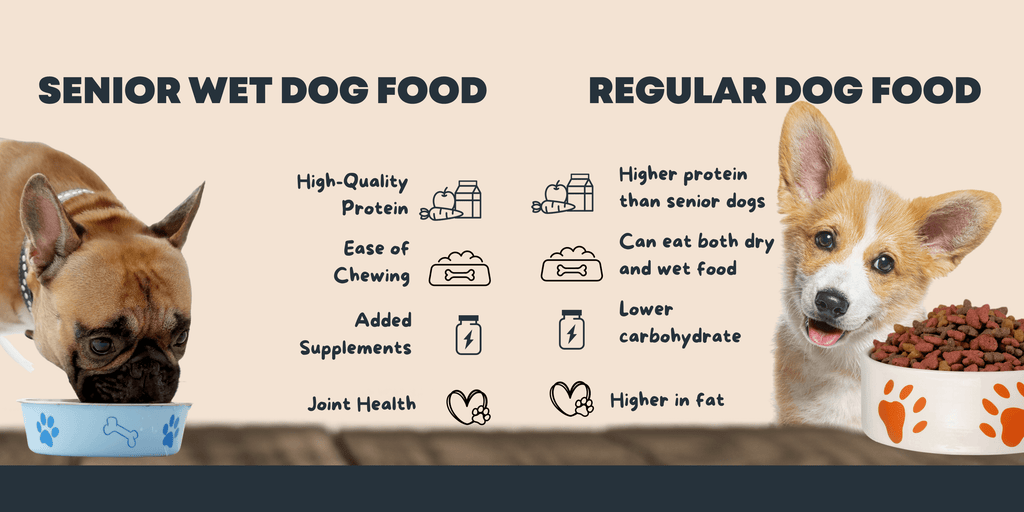
Puppies require more calories than adult dogs because they burn energy quickly while growing. Their food contains higher protein levels to support muscle development and overall growth. Adult dogs need fewer calories to avoid weight gain, and their protein levels are balanced to maintain muscle without encouraging excess growth.
Have you noticed your puppy’s endless energy? That’s because their body demands fuel constantly, which adult dog food can’t provide effectively. Switching too early may leave your pup feeling tired or undernourished.
Essential Vitamins And Minerals
Puppy food includes extra calcium and phosphorus to strengthen bones and teeth during development. It also has vitamins like A and D in amounts tailored to support immune function and healthy skin. Adult food adjusts these nutrient levels to prevent excess intake, which can cause health problems like kidney strain.
Think about your growing dog’s bones – they need precise nutrition to build strength without risking damage. Feeding adult food too soon can disrupt this delicate balance.
Impact On Growth And Health
Proper nutrition in puppy food ensures healthy growth rates and reduces risks of developmental issues. Feeding adult food prematurely might slow growth or lead to nutritional gaps. On the other hand, continuing puppy food too long can cause obesity and joint stress.
Have you ever wondered why vets stress the importance of diet changes at specific ages? It’s because your dog’s health depends on meeting the right nutritional needs at the right time. Observing your dog’s growth and consulting your vet can guide the perfect transition from puppy to adult food.
Timing The Switch For Optimal Health
Switching your dog to adult food at the right time is crucial. It impacts their overall health and energy levels. Puppies grow fast, so their nutritional needs change. Knowing when to make the switch ensures they get the right nutrients for their age. This transition supports healthy growth and maintains their vitality.
Gradual Transition Process
Start the transition slowly over a week. Mix a small amount of adult food with their puppy food. Gradually increase the adult food portion daily. This helps their digestive system adjust smoothly. A slow switch reduces the risk of stomach upset. Consistency is key during this process.
Avoiding Digestive Upset
Sudden diet changes can cause digestive issues. Always introduce new food gradually. Monitor your dog for any signs of discomfort. Watch for diarrhea or vomiting. If these occur, slow down the transition. Feed them smaller meals more frequently. This can help ease their digestion.
Monitoring Weight And Energy
Observe your dog’s weight and energy during the transition. A healthy weight is a good sign of proper nutrition. Check their body condition regularly. You should feel their ribs but not see them. Notice their energy levels too. A drop in energy might indicate dietary issues. Adjust their diet accordingly to maintain their health.

Credit: us.eukanuba.com
Special Cases Affecting Feeding Time
Deciding when your dog should switch to adult food isn’t always straightforward. Some dogs have unique needs that can change the timing. Understanding these special cases helps you make the best choice for your furry friend’s health and happiness.
Large And Giant Breeds
Large and giant breeds grow at a different pace than smaller dogs. Feeding them adult food too early can cause joint problems because their bones and muscles are still developing. Usually, these breeds benefit from staying on puppy food longer—sometimes until 12 to 18 months.
Have you noticed your Great Dane or Mastiff still looking like a puppy well past their first birthday? That’s a sign to keep them on growth-supporting food for a bit longer. Their calorie and nutrient needs differ, so adult food might not provide enough support just yet.
Health Issues And Dietary Needs
Your dog’s health can affect when to switch foods. Dogs with allergies, sensitive stomachs, or chronic illnesses may need special diets that don’t follow typical age guidelines. For example, a dog with kidney problems might require a low-protein adult diet earlier than usual.
Think about your dog’s unique health situation before changing their diet. You might need to add supplements or choose a different type of adult food to meet their needs. Tailoring their diet can make a big difference in their quality of life.
Consulting Your Veterinarian
When unsure about the right time to switch to adult food, your vet is your best resource. They can assess your dog’s growth, weight, and overall health to suggest the perfect timing. Regular check-ups provide a chance to discuss feeding plans and adjust as needed.
Don’t hesitate to ask your vet about specific brands or formulations that suit your dog’s breed and health conditions. Getting personalized advice helps you avoid common mistakes and keeps your dog thriving. After all, your vet knows your dog’s story better than anyone else.
Common Mistakes To Avoid
Choosing the right time to switch your dog to adult food can feel tricky. Many pet owners make avoidable mistakes that affect their dog’s health and growth. Understanding these common errors can help you make better decisions for your furry friend’s diet.
Switching Too Early Or Late
Changing your dog’s food too early can deprive them of essential nutrients needed during puppy growth. On the other hand, switching too late may cause unnecessary weight gain or nutritional imbalance. Watch your dog’s behavior and growth closely—are they still growing rapidly or settling down? These signs can guide you better than a fixed timeline.
Ignoring Individual Differences
Every dog is unique, so what works for one might not work for another. Factors like breed size, activity level, and health conditions affect when to switch food. If your large breed puppy shows slower growth, don’t rush the change just because a general rule says so. Your dog’s individual needs should lead your decision.
Overfeeding Or Underfeeding
It’s easy to misjudge how much adult food your dog needs. Overfeeding can lead to obesity, while underfeeding may cause energy loss and poor coat condition. Use your dog’s weight and activity as a guide, and adjust portions gradually. Have you noticed changes in your dog’s energy after switching? This can hint if the feeding amount suits them.
Credit: dogsauce.co
Tips For Feeding Adult Dogs
Feeding adult dogs the right way supports their health and energy. Adult dogs have different needs than puppies. Meeting these needs helps keep them active and happy. Here are some simple tips for feeding adult dogs well.
Choosing The Right Food
Pick food made for adult dogs. Check the label for balanced nutrients. Protein should come from real meat. Avoid foods with too many fillers or artificial additives. Consider your dog’s size, breed, and health. Special diets may be needed for allergies or weight control.
Establishing A Feeding Schedule
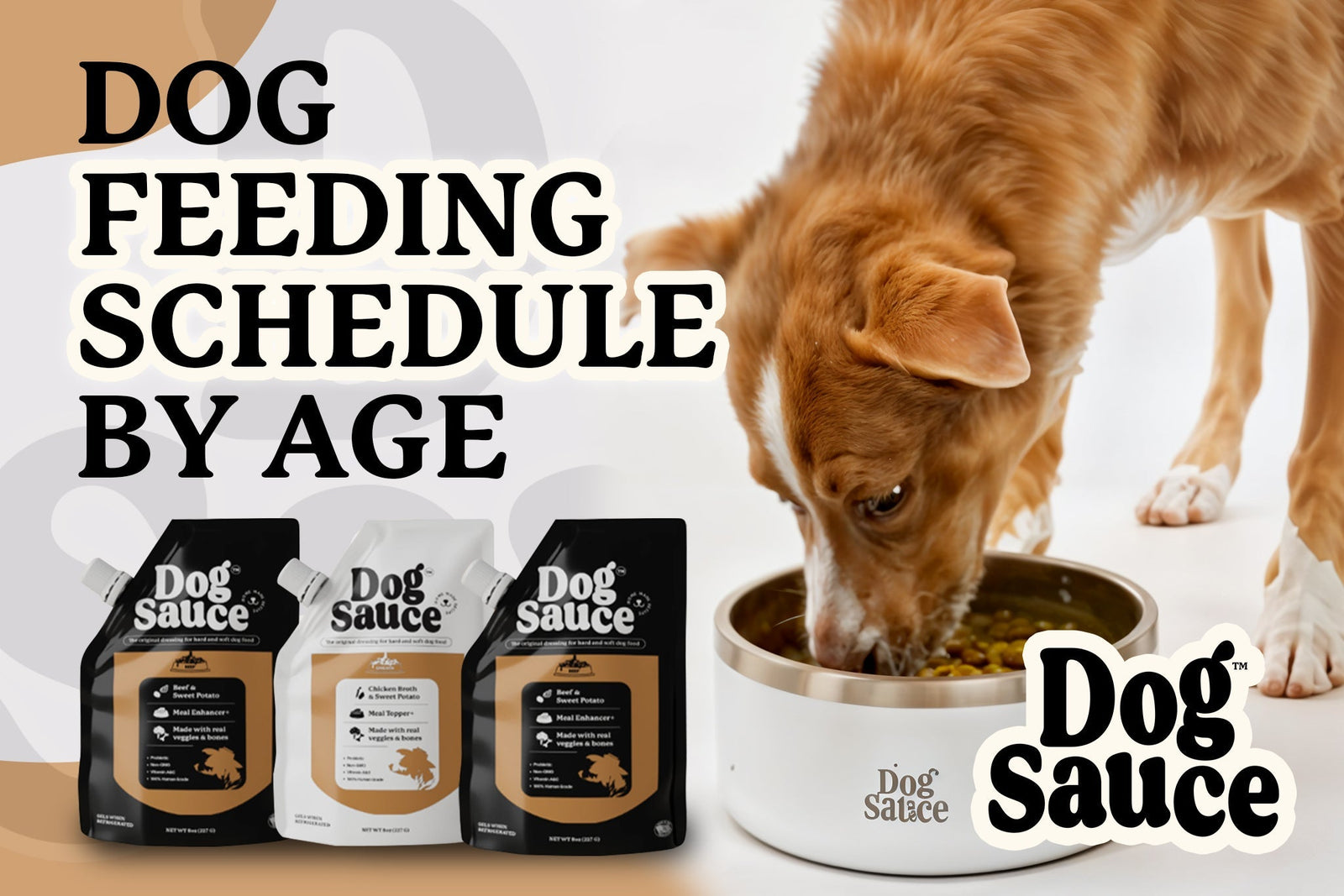
Feed your dog at the same times each day. Most adult dogs do well with two meals daily. Consistent timing helps digestion and behavior. Measure portions to avoid overfeeding. Remove food after 20 minutes if not eaten. This keeps your dog from grazing all day.
Encouraging Healthy Eating Habits
Offer fresh water with every meal. Use a quiet, calm place for feeding. Avoid giving too many treats or table scraps. Praise your dog for eating well. Change food gradually to prevent stomach upset. Watch for changes in appetite or weight and adjust as needed.

Credit: petheavenblogs.com
Frequently Asked Questions
When Is The Best Age For Dogs To Eat Adult Food?
Dogs should switch to adult food around 12 months old. Large breeds may transition closer to 18 months. This timing supports their growth and nutritional needs effectively.
How To Know If My Dog Is Ready For Adult Food?
Look for signs like slowed growth and stable weight. Puppies losing their baby teeth and showing less energy often indicate readiness for adult food.
Can Feeding Adult Food Too Early Harm My Puppy?
Yes, feeding adult food too early can cause nutrient imbalances. Puppies need higher protein and calories for growth, which adult food may lack.
Should I Gradually Transition My Dog To Adult Food?
Always transition gradually over 7-10 days. Mixing increasing amounts of adult food with puppy food prevents digestive upset and helps your dog adjust smoothly.
Conclusion
Choosing the right time for adult dog food matters. Puppies grow fast and need specific nutrients. Watch their teeth, size, and behavior for clues. Switching too early or late can cause problems. Talk to your vet for the best advice.
Healthy food helps dogs stay strong and happy. Feeding the right food supports their long life. Remember, every dog is unique. Pay attention and act when your dog is ready. Simple steps lead to a healthy, happy pet.