
Teaching your dog to sit might seem simple, but doing it the right way can make a huge difference in how quickly your furry friend learns. Imagine having a dog that listens to you every time, stays calm, and responds instantly.
That’s exactly what training your dog to sit can do for your daily life. You’ll discover easy, step-by-step methods that anyone can follow—whether you’re a first-time dog owner or just want better results. Ready to make your dog more obedient and your bond stronger?
Keep reading, because these tips will change the way you train forever.
Preparing For Training
Preparing your dog for training sets the tone for success. Before you start teaching your dog to sit, it’s important to create the right conditions where both you and your dog can focus and enjoy the process. Preparation helps avoid frustration and makes learning smoother.
Choosing The Right Environment
Pick a quiet spot with few distractions. A calm space helps your dog pay attention to your commands. Avoid noisy places like busy parks or rooms with lots of activity during initial training sessions.
As your dog gets better, gradually introduce mild distractions to build focus. You might start inside your home, then move to your backyard, and finally try in a park. This step-by-step change helps your dog learn to sit no matter where you are.
Gathering Training Supplies
Prepare everything you need before you begin. Having treats, a leash, and a clicker (if you use one) ready will keep the training flow smooth. Small, tasty treats work best because your dog can quickly eat them and stay motivated.
Keep treats small to avoid overfeeding and always have plenty on hand. Consider having a favorite toy nearby too, which can be used as a reward or to regain your dog’s interest if they get distracted.
Setting Realistic Expectations
Understand that every dog learns at their own pace. Some dogs sit on the first try, while others need several sessions. Be patient and celebrate small wins to keep the training positive.
Ask yourself: How much time can I commit daily? Short, consistent sessions—around 5 to 10 minutes—work better than long, exhausting ones. Setting achievable goals keeps both you and your dog motivated throughout the learning journey.
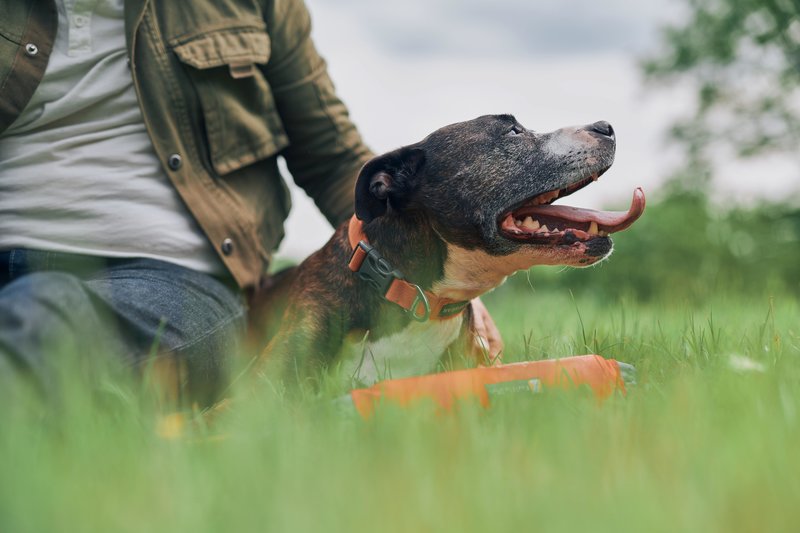
Credit: www.bbcmaestro.com
Basic Training Techniques
Basic training techniques help dogs learn commands clearly and quickly. These methods build trust and improve communication between you and your pet. Consistency and patience are key to successful training sessions. Simple steps make learning fun and easy for your dog.
Using Treats And Rewards
Treats motivate dogs to follow commands. Choose small, tasty snacks your dog loves. Give a treat immediately after your dog sits. This links the action with a positive reward.
Rewards can be more than food. Praise and petting also encourage good behavior. Use treats less over time to keep your dog focused on commands.
Employing Verbal Commands
Use clear, short words like “sit” or “stay.” Speak in a calm, firm tone. Say the command once and wait for your dog’s response. Repeat consistently to help your dog remember.
Always say the command before the dog takes action. This helps your dog connect the word with the behavior.
Incorporating Hand Signals
Hand signals help dogs understand commands better. Use simple gestures like raising your hand or pointing down. Show the signal clearly every time you say the command.
Combine hand signals with verbal commands at first. Gradually, your dog will respond to signals alone. This is useful in noisy places or at a distance.
Step-by-step Sit Command
Teach your dog to sit by holding a treat close to its nose. Slowly move the treat upward, encouraging the dog to lower its back and sit. Praise and reward your dog immediately once it sits to reinforce the behavior.
Teaching your dog to sit on command is one of the most fundamental and rewarding skills you can share with your furry friend. It not only establishes a strong communication bond but also lays the foundation for more advanced training. Let’s break down the process into simple, actionable steps.Getting Your Dog’s Attention
Begin by ensuring your dog is focused on you. Hold a treat close to their nose. Dogs are naturally curious, and the allure of a tasty snack will quickly grab their attention. Speak in a clear and cheerful voice to engage them. Use your dog’s name followed by the command “sit” to build association. This sets the stage for the next step.Guiding Into The Sit Position
With the treat still in hand, slowly move it from your dog’s nose upwards and over their head. As their gaze follows the treat, their rear will naturally lower to the ground. If they don’t sit immediately, gently press down on their hindquarters. Praise them warmly as soon as they sit, reinforcing their behavior.Reinforcing The Behavior
Once your dog sits, reward them immediately with the treat. Use enthusiastic verbal praise like “good sit!” to reinforce the action. Consistency is key, so practice this several times a day. The more you practice, the quicker they’ll associate the word “sit” with the action. Reward with treats progressively less frequently, shifting more towards verbal praise and petting. This helps transition the behavior to become a natural response, even without a treat every time. Training your dog to sit is a journey of patience and practice. What unexpected challenges have you faced while training your dog?Common Challenges
Training your dog to sit can be rewarding, but it often comes with its own set of hurdles. These common challenges can slow down progress or cause frustration if you’re not prepared to handle them. Understanding these obstacles helps you stay patient and effective in your training journey.
Dealing With Distractions
Distractions can derail your dog’s focus quickly. Whether it’s a squirrel outside or the sound of a doorbell, your dog’s attention may shift away from training. Try practicing in a quiet space before gradually adding distractions.
Use high-value treats or favorite toys to keep your dog engaged. Ask yourself: How can I make the command more rewarding than the distraction? This mindset helps you adjust your approach and maintain control.
Handling Stubborn Behavior
Some dogs resist sitting because they don’t see the point or feel unmotivated. Stubbornness isn’t about defiance; it’s often confusion or lack of interest. Break the command into smaller steps and reward every small success to build confidence.
If your dog ignores the command, avoid raising your voice. Instead, pause and try a different tactic, like changing your tone or using a different treat. Have you noticed your dog responds better to certain rewards? Use those consistently to encourage cooperation.
Avoiding Training Mistakes
Common mistakes like inconsistent commands or rushing the process can confuse your dog. Always use the same word and hand signal for “sit” to avoid mixed signals. Patience is key—pushing too hard often backfires.
- Don’t punish mistakes; reward attempts instead.
- Keep training sessions short and fun to hold your dog’s interest.
- End on a positive note, even if progress is slow.
Think about your own experiences learning a new skill—how did consistent practice and positive feedback help you? Apply the same principle to your dog’s training for better results.
Advanced Tips
Advanced training tips help your dog hold the sit command longer and respond better. These techniques build on basic training. They improve focus and obedience in various situations. Patience and consistency remain key throughout.
Increasing Training Duration
Start by asking your dog to sit for a few seconds. Gradually increase the time before giving a treat. This builds patience and self-control. Avoid rushing or forcing your dog to hold the position too long. Short, frequent sessions work best. Praise your dog for staying seated calmly.
Practicing In Different Settings
Practice the sit command in various places. Try indoors, outdoors, busy parks, and quiet rooms. This helps your dog learn to obey despite distractions. Use the same command word each time. Keep training sessions short and positive. Change locations often to build strong habits.
Using Clicker Training
A clicker marks the exact moment your dog sits. It helps your dog understand what behavior you want. Pair the click sound with a treat. Click immediately when your dog’s rear touches the ground. This clear communication speeds up learning. Clicker training works well for precise commands like sit.
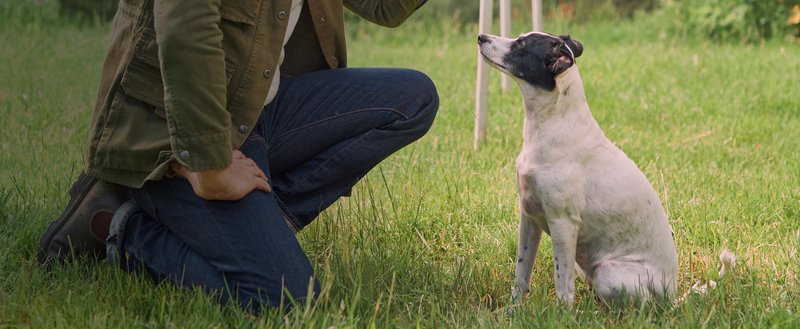
Credit: www.bbcmaestro.com
Maintaining The Sit Command
Maintaining the sit command is key to your dog’s good behavior. Regular practice keeps the command fresh in your dog’s mind. Consistency helps your dog understand what you expect. Rewarding your dog correctly strengthens this habit over time.
Regular Practice Sessions
Practice the sit command often but keep sessions short. Aim for a few minutes multiple times a day. Use quiet places first, then try busier spots. This builds your dog’s focus and obedience in different settings.
Gradual Reduction Of Treats
Start by rewarding your dog with treats every time it sits. Slowly replace treats with praise or petting. This teaches your dog to obey without always expecting food. Keep treats for moments when your dog does exceptionally well.
Positive Reinforcement
Praise and gentle petting work well as rewards. Use a happy tone to show approval. Avoid punishment if your dog does not sit. Encouragement motivates your dog to learn and obey happily.
Credit: www.youtube.com
Frequently Asked Questions
How Long Does It Take To Train A Dog To Sit?
Training a dog to sit usually takes a few days to a week. Consistency and short daily sessions speed up learning. Patience and positive reinforcement are essential for quick results.
What Commands Should I Use To Teach Sitting?
Use clear, simple commands like “sit” or “sit down. ” Always use the same word to avoid confusion. Pair the command with a hand gesture for better understanding.
How Can I Reward My Dog For Sitting?
Use treats, praise, or petting as rewards. Immediate rewards reinforce positive behavior. Vary the rewards to keep your dog motivated during training.
Can All Dog Breeds Learn To Sit Easily?
Yes, all breeds can learn to sit. However, some breeds may take longer due to temperament or energy levels. Tailor training methods to your dog’s personality.
Conclusion
Training your dog to sit takes patience and practice. Start with short sessions to keep your dog focused. Use clear commands and reward good behavior. Stay calm and consistent every day. Celebrate small successes to build confidence. Remember, every dog learns at its own pace.
Enjoy the process and bond with your pet. Soon, sitting will become a natural habit. Keep training simple and fun to get the best results. Your dog will thank you with good behavior and trust.