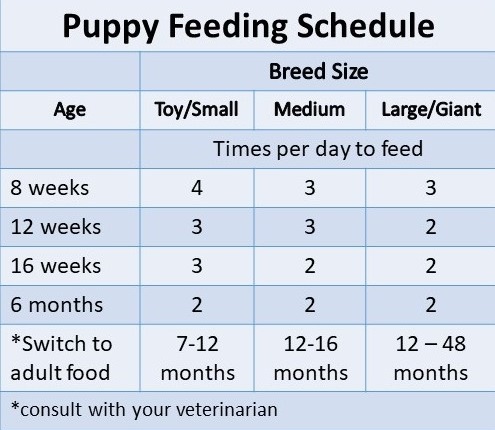

You love your dog and want the best for them. But how do you know when it’s time to switch from puppy food to adult food?
Feeding your dog the right food at the right time is key to their health and happiness. Too early or too late can cause problems you don’t want to face. You’ll discover the signs to watch for and the best ways to make the switch smoothly.
Keep reading to ensure your furry friend stays strong and healthy every step of the way.
Puppy Growth Stages
Puppy growth stages show how quickly your dog changes in the first year. Each stage has unique needs and challenges. Understanding these stages helps you decide the right time to switch to adult food. Puppies grow fast and their diet should support healthy bones, muscles, and energy.
From Newborn To Juvenile
Newborn puppies rely on their mother’s milk for nutrition. It keeps them safe and full of antibodies. Around 3 to 4 weeks, they start trying solid food. This is called weaning. By 8 weeks, puppies usually eat soft puppy food.
From 3 to 6 months, puppies grow rapidly. Their bones and muscles develop strongly during this time. By 6 months, they enter the juvenile stage. Growth slows but still continues. Nutrients remain important for healthy development.
Key Development Milestones
- Birth to 2 weeks: Eyes and ears open, begin crawling
- 3 to 4 weeks: Start eating soft food, socialization begins
- 6 to 8 weeks: Weaning completes, teeth begin to appear
- 3 months: Rapid growth, high energy, play increases
- 6 months: Growth rate slows, adult teeth appear
- 9 to 12 months: Near adult size, muscle development peaks
Each milestone changes your puppy’s nutritional needs. Pay attention to these signs to prepare for adult food transition.
Signs Your Dog Is Ready
Knowing when your dog is ready to switch to adult food can be tricky. It’s more than just age; your dog will show clear signs that their growing phase is slowing down. Paying attention to these signals helps you make the right choice for their health and happiness.
Physical Changes To Watch
One key sign is the change in your dog’s size and weight. Puppies often have a rounder, softer look. As they grow, their body becomes leaner and more muscular.
Watch their teeth too. When baby teeth start falling out and adult teeth come in, it’s a strong hint your dog is maturing. This usually happens between 4 and 6 months of age.
Coat texture can also shift. If your dog’s fur becomes thicker and less fluffy, it’s a sign they’re moving out of puppyhood. These physical cues show their nutritional needs are evolving.
Behavioral Shifts
Your dog’s behavior changes as they grow up. Puppies tend to be more hyper and restless. When they start calming down and showing more focus, it means their energy levels are stabilizing.
Notice how your dog eats. Puppies often eat quickly and in small meals. If your dog begins eating larger meals less frequently, it’s a sign their metabolism is slowing.
Also, watch how your dog interacts socially. Mature dogs usually display more confidence and less dependence on constant attention. These shifts hint that their diet should support a steady, adult lifestyle.
Breed And Size Considerations
When deciding the right time to switch your dog to adult food, breed and size play crucial roles. This isn’t a one-size-fits-all scenario. Understanding how your dog’s breed and size impact their growth can help ensure they receive the right nutrition at the right time.
Small Vs. Large Breeds
Small breeds and large breeds mature at different rates. Small breeds like Chihuahuas or Pomeranians often reach maturity faster, sometimes as early as 9 months. This means they can transition to adult food sooner.
In contrast, large breeds such as Great Danes or Saint Bernards take longer to mature, sometimes up to 18-24 months. These breeds benefit from staying on puppy food longer to support their extended growth period.
Have you ever noticed how quickly your neighbor’s tiny terrier matured compared to your lumbering Labrador? This stark difference is a prime example of how breed size impacts dietary needs.
Growth Rate Differences
The growth rate of your dog is another important factor. Rapid growth in large breeds can lead to bone and joint issues if not managed with proper nutrition. Hence, their transition to adult food should be carefully timed.
Small breeds, with their faster growth rate, don’t face the same risks and can transition earlier. However, it’s essential to monitor their growth and adjust their diet accordingly.
Have you been keeping a growth chart for your dog? Observing these changes over time can offer valuable insights into when they might be ready for adult food.
Choosing the right time to switch isn’t just about age; it’s about understanding your dog’s unique needs. Are you ready to make the switch confidently?
Health Implications Of Switching Too Early
Switching your dog to adult food too early can have serious health consequences. Puppies have specific nutritional needs that adult formulas do not meet. If you make the change before your dog is ready, you risk compromising their growth and overall well-being.
Nutritional Deficiencies
Puppy food is specially designed to support rapid growth with higher levels of protein, fat, and essential nutrients. Adult food often lacks these critical elements in the amounts your puppy needs. Feeding adult food too soon can lead to deficiencies in calcium and other minerals, affecting bone development and muscle growth.
Have you noticed your puppy seeming less energetic or not growing as expected? This might be a sign that their diet isn’t meeting their nutritional requirements. Keeping your dog on the right food ensures they get the vitamins and nutrients necessary to build a strong, healthy body.
Digestive Issues
Puppies have sensitive digestive systems that need gentle, nutrient-rich food. Adult dog food is formulated differently and can be harder for a young pup to digest. Switching too early might cause stomach upset, diarrhea, or constipation.
I once switched my puppy to adult food a few weeks too soon, and she developed frequent diarrhea. It was clear her tummy wasn’t ready for the change. This experience taught me how important it is to wait until your dog’s digestive system is mature enough for adult food.
Are you watching for signs of digestive distress during a food change? Pay attention to your dog’s stool quality and appetite. If you spot problems, it might be wise to pause the transition and consult your vet.
Health Risks Of Switching Too Late
Switching your dog to adult food at the right time is crucial for their health. Delaying this change can lead to serious issues that might surprise you. Understanding these risks helps you make better decisions for your pet’s well-being.
Excess Weight Gain
Puppy food is designed to support rapid growth and is often higher in calories. If your dog continues eating it past the puppy stage, those extra calories can quickly turn into unwanted fat.
I once had a friend whose dog stayed on puppy food well into adulthood. The dog gained a lot of weight, which made daily walks harder and affected its energy levels. Could you imagine your dog struggling just to keep up with you?
Being overweight increases the risk of diseases like diabetes and heart problems. You want your dog active and happy, not weighed down by unnecessary pounds.
Joint And Bone Problems
Adult dog food has a balance of nutrients tailored to maintain healthy bones and joints without encouraging too rapid growth. Puppy formulas often have extra calcium and protein to support development.
Feeding puppy food for too long can cause your dog’s bones to grow too fast or unevenly. This may lead to joint pain or conditions like hip dysplasia later in life.
Think about your dog’s future mobility. Are you prepared for the vet bills and heartbreak of seeing them struggle to run and play because of avoidable bone problems?

Credit: petheavenblogs.com
Choosing The Right Adult Food
Choosing the right adult food for your dog is a crucial decision that affects their overall health and happiness. Transitioning from puppy to adult food isn’t just about age—it’s about meeting their changing nutritional needs and lifestyle. Understanding what to look for helps you pick a diet that supports your dog’s energy, growth, and well-being.
Nutrient Requirements
Adult dogs need a balanced diet rich in protein, fat, and essential vitamins. Protein supports muscle maintenance, while healthy fats provide energy and keep their coat shiny. Look for foods that list real meat as the first ingredient and avoid fillers like corn or soy.
Calcium and phosphorus levels should be lower than in puppy food since adult dogs don’t need as much for bone growth. Also, consider your dog’s activity level—active dogs may require more calories and nutrients than less active ones. Do you know if your dog needs more Omega-3 for joint health or antioxidants for immune support?
Special Dietary Needs
Some dogs have specific dietary requirements based on breed, size, or health conditions. Small breeds often benefit from kibble tailored to their bite size and metabolism. Large breeds may need food with joint-supporting ingredients like glucosamine and chondroitin.
If your dog has allergies or sensitivities, you might need to choose limited ingredient diets or hypoallergenic formulas. Dogs with kidney issues or weight problems require specialized diets to manage their health effectively. Have you checked your vet’s advice on what diet suits your dog’s unique needs?
How To Transition Diet Smoothly
Switching your dog to adult food requires care and patience. A smooth diet transition helps avoid stomach upset and food refusal. Gradually changing the food allows your dog’s system to adjust comfortably.
Keep a close eye on your dog during this change. Small steps make the switch easier and less stressful for your pet.
Gradual Mixing Method
Start by mixing 25% adult food with 75% puppy food. Offer this blend for three days.
Next, increase the adult food to 50% and reduce puppy food to 50%. Maintain this for another three days.
Then, change to 75% adult food and 25% puppy food for three days. Finally, serve 100% adult food.
- Mix foods well to ensure even taste.
- Feed the same amount as usual during the transition.
- Keep fresh water available at all times.
Monitoring Your Dog’s Response
Watch for changes in appetite or energy levels. Some dogs may eat less at first.
Check for loose stools, vomiting, or gas. These signs show your dog may need a slower transition.
Adjust the mixing ratio if your dog shows discomfort. Take more time before increasing adult food.
Contact your vet if your dog refuses food for more than two days or shows severe symptoms.

Credit: www.reddit.com
Consulting Your Veterinarian
Consulting your veterinarian is vital when deciding to switch your dog to adult food. Each dog is unique and needs specific care. A vet can guide you on the best time to change your dog’s diet safely. This guidance helps avoid health problems linked to wrong feeding.
Personalized Advice
Your veterinarian considers your dog’s breed, size, and health history. They suggest the ideal age to start adult food. Sometimes, health issues or growth rates affect this timing. Personalized advice ensures your dog gets proper nutrition.
Regular Health Checkups
Regular vet visits monitor your dog’s growth and health. These checkups help track weight, energy, and overall condition. The vet can adjust feeding plans based on these exams. Early detection of issues keeps your dog healthy during diet changes.
Credit: www.purina.com
Frequently Asked Questions
When Should I Switch My Dog To Adult Food?
Switch your dog to adult food when they reach about 80% of their expected adult size. This is usually around 12 months for small breeds and 18-24 months for large breeds. Consult your vet for breed-specific guidance.
How To Know If Adult Dog Food Is Right?
Signs include slower growth, stable weight, and reduced energy needs. Adult dog food supports maintenance rather than growth. If your dog’s puppy coat changes and behavior matures, it’s time to switch.
Can Switching Dog Food Too Early Harm Health?
Yes, switching too early can cause nutritional gaps and digestive upset. Puppies need higher nutrients for growth. Always transition at the right age to prevent health issues.
What Is The Best Way To Transition Dog Food?
Gradually mix increasing amounts of adult food with puppy food over 7-10 days. This helps avoid stomach upset and allows your dog to adjust to new nutrients and flavors.
Conclusion
Switching your dog to adult food depends on age and breed size. Most dogs change around one year old, but larger breeds may need more time. Watch your dog’s growth and energy to guide you. Choose food that fits their health needs and activity level.
Gradually change their diet over several days to avoid upset tummies. Healthy feeding helps your dog stay strong and happy for years. Keep observing and ask your vet if unsure about the right time. Your dog’s well-being is worth careful attention.