Are you wondering when it’s the right time to switch your puppy to adult dog food? Making this change is important for your dog’s health and growth, but it can be confusing to know exactly when to start.
Choosing the perfect moment ensures your dog gets the right nutrients without upsetting their tummy or slowing their development. Keep reading, and you’ll discover clear signs and expert tips that help you make the switch confidently—so your furry friend stays happy and healthy every step of the way.
Credit: blepworld.com
Signs Your Puppy Is Ready
Knowing when your puppy is ready to switch to adult dog food is crucial for their health and growth. Puppies go through several changes that signal they can handle a more mature diet. Paying attention to these signs helps you make the right decision without risking nutritional gaps or digestive issues.
Age Milestones To Watch
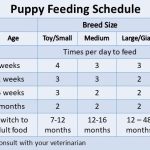
Most puppies start eating adult dog food around 12 months old, but this can vary by breed and size. Smaller breeds often transition earlier, around 9 to 12 months, while larger breeds might need up to 18 months before their growth plates close. Checking your puppy’s breed-specific growth timeline gives you a clearer idea of when to make the switch.
Behavioral Changes
You might notice your puppy’s energy levels stabilizing as they mature. Puppies that were once hyperactive may become calmer and more focused. This shift suggests their metabolism is changing, and their dietary needs are evolving too. If your puppy seems less needy for constant feeding or starts ignoring puppy food, it could be time to try adult formulas.
Growth Indicators
Watch for physical signs like the completion of teething and reaching close to their adult size. When your puppy’s bones and muscles feel more solid and their baby teeth have been replaced by adult teeth, their body is preparing for adult nutrition. You can also track their weight and height regularly to see if growth has slowed, signaling readiness for a diet change.

Credit: us.eukanuba.com
Choosing The Right Adult Dog Food
Choosing the right adult dog food is a crucial decision that directly impacts your dog’s health and happiness. As your pup transitions from puppy food, their dietary needs change, and selecting the proper nutrition helps maintain their energy and supports overall well-being. Let’s break down what you need to know to make the best choice for your furry friend.
Nutritional Needs For Adults
Adult dogs need a balanced diet rich in protein, healthy fats, vitamins, and minerals. Protein supports muscle maintenance, while fats provide energy and keep the coat shiny.
Unlike puppies, adult dogs require fewer calories to avoid weight gain. Are you aware of your dog’s ideal weight and activity level? Adjusting food portions based on these factors helps prevent obesity.
Types Of Dog Food Available
You’ll find several types of dog food, each with pros and cons:
- Dry kibble:Convenient and good for dental health, but check for quality ingredients.
- Wet food:Highly palatable and hydrating, but often more expensive.
- Raw or homemade diets:Can be nutritious but require careful planning to avoid nutrient gaps.
Think about what fits your lifestyle and your dog’s preferences. Have you noticed which type your dog enjoys most?
Reading Ingredient Labels
Learning to read ingredient labels is key to choosing quality food. Look for real meat or fish as the first ingredient rather than by-products or fillers.
Avoid foods with excessive artificial colors, flavors, or preservatives. Natural ingredients usually mean better nutrition.
Check the guaranteed analysis section for protein and fat percentages suitable for adult dogs. Does your current brand meet these standards?
Step-by-step Transition Process
Begin by mixing small amounts of adult dog food with puppy food to help your dog adjust. Gradually increase the adult food portion over 7 to 10 days until fully switched. Watch for any signs of upset stomach during the transition.
Transitioning your dog from puppy food to adult dog food is important. It should be done gradually to ensure a smooth change. A step-by-step process is essential for a stress-free transition. This approach prevents digestive upset and ensures your dog gets the nutrition needed.Gradual Mixing Techniques
Start by mixing a small amount of adult food with the puppy food. Use a ratio of 25% adult food and 75% puppy food. Gradually increase the adult food every few days. In a week, aim for a 50/50 mix of adult and puppy food. By the end of two weeks, your dog should be eating only adult food. This slow transition helps their digestive system adjust.Monitoring Your Dog’s Reaction
Watch your dog for any changes during the transition. Look for signs of digestive distress like vomiting or diarrhea. Check if your dog is eating the food happily or if they seem reluctant. Monitor their energy levels and overall behavior. If you notice any concerning signs, slow down the transition. Consult your veterinarian if problems persist.Adjusting Feeding Schedules
Adult dogs often need fewer meals than puppies. Gradually adjust feeding times to match an adult dog’s schedule. Most adult dogs do well with two meals a day. Ensure meals are spaced evenly throughout the day. This helps maintain energy levels and prevents overeating. Adjust portion sizes based on your dog’s breed, size, and activity level. Regularly check your dog’s weight to ensure they stay healthy.Common Challenges And Solutions
Switching your dog to adult food can bring unexpected challenges. Understanding these common issues helps you handle them with confidence. Let’s look at some typical problems dog owners face and how you can solve them effectively.
Dealing With Picky Eaters
Your dog might resist adult food, especially if they loved puppy food’s flavor or texture. Instead of giving up, try mixing a small amount of new food with the old. Gradually increase the adult food portion over a week to help your dog adjust.
Sometimes adding a little warm water or low-sodium broth can make the food more appealing. Avoid adding too many extras, as it can confuse your dog’s palate and slow down the transition. Patience is key—dogs often need time to accept new tastes.
Managing Digestive Upsets
Digestive issues like diarrhea or constipation can occur during the switch. These symptoms usually appear because your dog’s stomach is adjusting to the new ingredients and fiber content. If upset happens, slow down the transition process and introduce adult food more gradually.
Keep your dog hydrated and monitor their stool quality closely. You might also want to feed smaller, more frequent meals instead of large portions to ease digestion. If your dog continues to have problems, consider trying a different brand or formula designed for sensitive stomachs.
When To Consult A Vet
Sometimes, challenges with switching food aren’t just about preference or adjustment. If your dog shows signs of severe vomiting, persistent diarrhea, weight loss, or lethargy, it’s time to seek professional advice. These symptoms could indicate allergies or underlying health problems.
Consulting your vet early can prevent minor issues from becoming serious. They might recommend tests or a special diet tailored to your dog’s needs. Don’t hesitate to ask your vet about the best adult dog food options specific to your dog’s breed and health.
Maintaining Health After Transition
Switching your dog to adult food is just the start. Maintaining their health after this change is key. Careful attention keeps your dog happy and strong. Watch for changes in energy, weight, and digestion. These signs tell you how well the new food suits them.
Regular Health Checks
Schedule vet visits at least twice a year. These visits catch health issues early. Vets check weight, teeth, and overall condition. They can advise if diet changes are needed. Keep a record of health reports for reference.
Exercise And Diet Balance
Balance daily exercise with the right food amount. Too little exercise can cause weight gain. Too much can lead to nutrient loss. Adjust food portions based on activity level. Walks, play, and training support muscle and heart health.
Long-term Feeding Tips
- Choose high-quality adult dog food with essential nutrients.
- Switch food gradually over 7 to 10 days to avoid stomach upset.
- Provide fresh water at all times.
- Observe your dog’s reaction to new food and adjust if needed.
- Avoid feeding human snacks or table scraps regularly.

Credit: jiminys.com
Frequently Asked Questions
When Should I Switch My Puppy To Adult Dog Food?
Switch to adult dog food when your puppy reaches one year old. Large breeds may need adult food later, around 18-24 months. Consult your vet for breed-specific guidance to ensure proper nutrition during growth.
What Are The Signs My Dog Is Ready For Adult Food?
Look for signs like slowed growth, adult teeth fully grown, and stable weight. Puppies becoming less active and more mature also indicate readiness. Always confirm with a vet before switching to adult food.
Can I Mix Puppy And Adult Dog Food During Transition?
Yes, gradually mix adult food with puppy food over 7-10 days. This helps your dog’s digestive system adjust smoothly. Increase adult food proportion slowly until fully transitioned to avoid stomach upset.
Why Is Timing Important For Switching To Adult Dog Food?
Proper timing ensures your dog gets the right nutrients for growth and health. Switching too early or late can cause nutritional imbalances or weight issues. Follow vet advice for the best timing.
Conclusion
Switching your dog to adult food at the right time helps them stay healthy. Watch their growth and weight to decide the best moment. Puppies need special food until they reach maturity. Different breeds grow at different rates. Always choose food made for adult dogs to meet their needs.
Consult your vet for advice if unsure. Feeding the right food supports strong bones and a shiny coat. Start the change gradually to avoid stomach problems. Your dog will thank you with energy and happiness. Careful timing makes a big difference in your dog’s life.