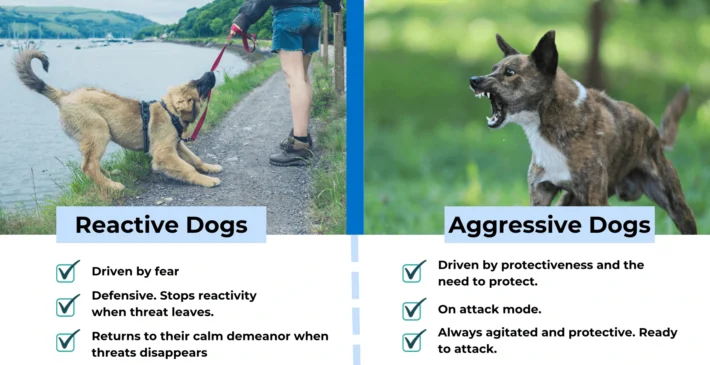

If your dog pulls, barks, or lunges every time you step outside, you know how stressful walks can be. But what if you could turn those tense moments into calm, enjoyable strolls?
Training a reactive dog on walks isn’t just possible—it can change how you and your dog experience the world together. You’ll discover simple, effective steps to help your dog stay focused and relaxed. Keep reading, because your next walk could be the start of a whole new relationship with your furry friend.

Credit: pupford.com
Identify Reactivity Triggers
Identifying reactivity triggers is key to managing your dog’s behavior on walks. Reactivity happens when your dog reacts strongly to certain sights, sounds, or situations. Knowing these triggers helps you prepare and respond calmly.
Each dog has unique triggers. Some react to other dogs, while others react to people, bikes, or loud noises. Observing your dog’s behavior closely will reveal these triggers. This understanding makes walks safer and more enjoyable for both of you.
Common Triggers On Walks
- Other dogs, especially unfamiliar ones
- Strangers approaching too quickly
- Loud noises like traffic or sirens
- Bicycles, skateboards, or scooters
- Running children or groups of people
- Unfamiliar animals like squirrels or cats
- Busy or crowded areas
Observing Your Dog’s Behavior
Watch your dog’s body language carefully during walks. Look for signs like stiff posture, growling, barking, or lunging. Notice the exact moments these behaviors start.
Keep a journal of your observations. Write down the environment, time, and what happened before the reaction. Patterns will emerge, showing what triggers your dog.
Stay calm and patient. Your dog senses your emotions. A calm handler helps reduce stress and reactivity.
Prepare Before The Walk
Preparing before the walk sets the stage for a successful outing with your reactive dog. It helps reduce stress and keeps you both focused. Taking time to get ready can change how your dog reacts during the walk.
Choosing The Right Equipment
The right gear can make all the difference in managing a reactive dog on walks. A front-clip harness gives you more control without causing discomfort. Avoid retractable leashes—they can encourage pulling and make it harder to react quickly.
Consider adding a head halter if your dog tends to lunge. It gives you gentle guidance and helps redirect your dog’s attention. Reflective gear is also smart for safety if you walk in low light.
- Secure, comfortable harness or collar
- Non-retractable leash, about 4-6 feet long
- Optional head halter for extra control
- Reflective strips or lights for visibility
Have you noticed how your dog behaves differently with certain equipment? Try switching and observe if your walks become smoother.
Mental And Physical Warm-ups
Jumping straight into a walk can overwhelm a reactive dog. Spend a few minutes warming up both their mind and body before heading out. This helps reduce excess energy and anxiety.
Simple obedience exercises like sit, stay, or focus can calm your dog and get their brain working. Short play sessions or gentle tug games help burn off nervous energy.
Stretching your dog’s legs with a slow, controlled walk around the yard primes their muscles. These small routines give your dog a chance to settle and prepare mentally for the walk.
- Five minutes of basic commands and focus drills
- Short bursts of play, like fetch or tug
- Slow leash walk around your home or yard
Have you tried these warm-ups before your walks? Notice how your dog’s reactivity changes when they’re calmer at the start.
Use Positive Reinforcement
Training a reactive dog can be challenging. Positive reinforcement is an effective strategy to encourage good behavior during walks. It focuses on rewarding your dog for calm actions. This approach helps build a strong bond and trust between you and your pet. It also increases your dog’s confidence and reduces reactivity over time.
Timing Treats Effectively
Timing is crucial in positive reinforcement. Give treats immediately after your dog shows desired behavior. This helps them associate the treat with their action. Carry treats in a small pouch for easy access. Use small, tasty treats that your dog loves. This keeps them motivated and eager to earn more.
Rewarding Calm Behavior
Look for moments when your dog is calm and relaxed. Reward these instances with treats and praise. This reinforces that staying calm leads to positive outcomes. Stay consistent with rewards to help your dog learn. Gradually, your dog will understand that calm behavior is beneficial.
Implement Focus And Attention Exercises
Training a reactive dog on walks requires building focus and attention skills. These exercises help your dog stay calm and responsive amid distractions. Focus and attention training strengthens your bond and improves control. Start with simple commands and gradually increase challenges. Consistent practice makes a big difference.
Teaching Look And Watch Commands
Begin by teaching your dog to make eye contact on cue. Use treats or toys to encourage your dog to look at your face. Say “look” or “watch” clearly. Reward immediately when your dog meets your eyes. Practice in quiet places first. Repeat often to build habit.
This command helps redirect your dog’s attention from distractions. Eye contact signals your dog to focus on you. It creates a calm space in a busy environment. Over time, your dog learns to check in with you during walks.
Redirecting Attention During Walks
Use the “look” or “watch” command when your dog reacts on walks. Call your dog’s name to regain focus. Hold a treat near your eyes to guide attention. Praise your dog for shifting focus back to you. Walk at a steady pace to keep your dog engaged.
Carry small, tasty treats for quick rewards. Use a calm voice and gentle touch if needed. Avoid pulling on the leash, which can increase tension. Redirecting attention prevents reactive behavior from escalating. Practice these steps regularly for best results.
Manage Distance And Environment
Managing the distance between your reactive dog and their triggers, as well as choosing the right environment, plays a crucial role in successful training. This approach helps prevent your dog from becoming overwhelmed and allows you to maintain control during walks. It also builds your dog’s confidence gradually and makes each walk a positive experience for both of you.
Creating Safe Distance From Triggers
Start by identifying what sets your dog off—whether it’s other dogs, people, or loud noises. Keep a comfortable distance where your dog notices the trigger but doesn’t react. This “safe zone” helps your dog stay calm and focused on you.
Try to keep this distance consistent initially. You might find that crossing the street or walking on the opposite side of the path creates enough space. Notice how your dog behaves, and adjust the distance accordingly.
Think about your last walk—did your dog react when someone approached too quickly? How far away were they? Use that as a guide to set your safe distance. Remember, it’s okay to back up if your dog becomes stressed.
Gradual Exposure Techniques
Once your dog is comfortable at a safe distance, slowly reduce the gap over multiple walks. This gradual exposure helps your dog get used to the trigger without feeling threatened. Patience is key here; rushing can cause setbacks.
Use rewards like treats or praise to mark calm behavior when your dog notices the trigger but doesn’t react. This teaches your dog that good things happen when triggers are near, shifting their focus to you instead of the trigger.
You can also vary the environment gradually—start in quiet places and work your way up to busier streets. Each positive experience builds your dog’s resilience and helps you both handle real-life situations better.
Handle Reactivity Calmly
Handling your dog’s reactivity with calmness during walks is key to better behavior. Dogs sense your emotions quickly. Staying calm helps them feel secure and reduces their stress. Reacting with patience creates a positive learning environment. This approach encourages your dog to listen and respond well.
Avoiding Punishment
Punishing a reactive dog often worsens the problem. It can increase fear and anxiety. Instead, focus on gentle guidance and redirection. Use treats or praise to reward calm behavior. This builds trust and encourages good habits. Avoid yelling or harsh corrections during walks. They break communication and create confusion.
Staying Calm And Consistent
Your calm energy influences your dog’s behavior strongly. Take deep breaths and keep a steady tone. Consistency in your actions helps your dog understand expectations. Use the same commands and rewards every time. Predictable routines reduce your dog’s anxiety. Calmness combined with patience leads to lasting progress.
Incorporate Training Tools Wisely
Using training tools can help control and calm a reactive dog during walks. Choosing the right tool and using it correctly makes a big difference. Tools should support learning, not cause stress or discomfort. Always introduce any new tool gently and with patience.
Using Head Halters And Harnesses
Head halters guide your dog’s head, helping reduce pulling. They give you more control without hurting your dog. Harnesses spread pressure evenly, avoiding neck strain. Some harnesses have front clips to stop pulling quickly.
Pick a halter or harness that fits well and feels comfortable. Let your dog wear it at home first. Use treats and praise to create positive feelings. Never yank or jerk on the leash with these tools.
When To Use Clickers Or Toys
Clickers mark good behavior with a clear sound. They help your dog understand exactly when they do right. Use clickers during calm moments or when your dog looks away from triggers.
Toys work as rewards to keep your dog interested. Use favorite toys to distract and reward focus on you. Offer toys after your dog stays calm near distractions.
Timing is key. Click or give a toy the moment your dog shows calmness or listens. This helps your dog link good behavior with positive results.

Credit: www.youtube.com
Track Progress And Adjust
Tracking progress is essential when training a reactive dog on walks. It helps to see what works and what needs change. Regularly checking your dog’s behavior shows how training affects reactions. Adjusting techniques keeps training effective and tailored to your dog’s needs. Consistent monitoring builds confidence and improves results over time.
Keeping A Training Journal
A training journal records each walk and your dog’s reactions. Write down:
- Dates and times of walks
- Triggers that caused reactivity
- How your dog responded
- Techniques used during training
- Progress or setbacks noticed
This journal helps spot patterns and track improvements. It also guides decisions on what to try next. Keeping notes makes training more organized and focused.
Modifying Techniques As Needed
Adjust training methods based on your dog’s progress. If a technique doesn’t reduce reactivity, try a new approach. Some dogs respond better to treats, others to toys or praise. Pay attention to your dog’s comfort and stress levels.
Small changes can make a big difference. Change distance from triggers, timing of rewards, or type of commands. Be patient and flexible. Training is not one-size-fits-all. Adapt to your dog’s unique needs for better results.
Seek Professional Help When Needed
Training a reactive dog on walks can be challenging, and sometimes you’ll reach a point where you need extra support. Recognizing when to seek professional help is a smart move, not a sign of failure. Professionals bring experience and tools that can make a real difference in your dog’s behavior and your confidence.
Finding A Qualified Trainer
Not all trainers are the same. Look for someone who specializes in reactive dogs and uses positive reinforcement methods. You want a trainer who understands your dog’s triggers and tailors training accordingly.
Ask around for recommendations or check online reviews. Don’t hesitate to interview trainers before committing. Ask about their experience, certifications, and approach to reactivity. A good trainer will explain how they plan to help and involve you in the process.
Benefits Of Group Classes
Group classes offer more than just training time—they provide real-world practice. Your dog gets to be around other dogs and people in a controlled setting, which helps reduce reactivity over time.
In group settings, you can observe how your dog reacts to different stimuli and get immediate feedback from the trainer. Plus, seeing other owners manage their dogs’ behaviors can inspire new techniques you might not have tried.
Have you noticed how your dog reacts differently around calm dogs versus excited ones? Group classes help you learn to read those signals and respond effectively. It’s also a great way to build your dog’s social skills and your own confidence.
Credit: theonlinedogtrainer.com
Frequently Asked Questions
What Causes Dogs To Be Reactive On Walks?
Dogs often react due to fear, anxiety, or overstimulation. They may feel threatened by other dogs, people, or noises. Understanding triggers helps in managing and training reactive behavior effectively.
How Can I Calm My Reactive Dog During Walks?
Use a calm voice and consistent commands. Keep a safe distance from triggers and reward good behavior. Practice deep breathing and stay patient to help your dog feel secure.
What Training Methods Work Best For Reactive Dogs?
Positive reinforcement and gradual desensitization work well. Reward calm behavior and slowly expose your dog to triggers. Avoid punishment, as it can increase anxiety and worsen reactivity.
How Long Does It Take To Train A Reactive Dog?
Training duration varies by dog and severity. Consistent daily practice can show progress in weeks. Patience and persistence are key to long-term success.
Conclusion
Training a reactive dog on walks takes time and patience. Keep calm and stay consistent with your approach. Small steps lead to big progress. Watch your dog’s body language closely. Reward good behavior often to encourage calmness. Avoid rushing the training process.
Each walk is a chance to build trust. Remember, safety and comfort come first for both of you. With steady practice, walks become more enjoyable. Your dog can learn to stay relaxed outside. Keep practicing, and you will see change.
