If you have an adult Corgi, you probably wonder, “How much dog food should I give my furry friend?” Feeding your Corgi the right amount is key to keeping them happy and healthy.
Too much food can lead to weight gain, while too little may leave your pup hungry and tired. You’ll discover exactly how much to feed your adult Corgi, helping you avoid common mistakes and ensure your dog gets the nutrition they need every day.
Keep reading to find simple, clear answers that make feeding your Corgi stress-free and effective.
Corgi Nutritional Needs
Corgis are small but active dogs with unique dietary needs. Their food must support energy, muscle health, and overall well-being. Feeding the right amount and type of food helps keep them fit and happy. Understanding their nutritional needs is key to proper feeding.
Daily Calorie Requirements
Adult Corgis need between 1,200 and 1,400 calories daily. The exact amount depends on their weight, age, and activity level. Active Corgis burn more calories and need more food. Overfeeding can cause obesity, which leads to health problems. Monitor your Corgi’s weight and adjust calories accordingly.
Protein And Fat Ratios
Protein supports muscle maintenance and repair. Corgis require 18-25% protein in their diet. Good protein sources include chicken, beef, and fish. Fat provides energy and supports skin health. Their diet should contain 8-15% fat. Avoid foods high in unhealthy fats to prevent weight gain and heart issues.
Essential Vitamins And Minerals
Vitamins and minerals keep Corgis healthy and strong. Important vitamins include A, D, E, and B-complex. Minerals like calcium, phosphorus, and zinc support bones and immune health. A balanced dog food usually contains these nutrients. Check labels to ensure your Corgi gets all essentials.
Factors Affecting Food Amount
Determining the right amount of food for your adult Corgi isn’t as simple as following a one-size-fits-all chart. Several factors influence how much your dog needs daily, and understanding these can help you keep your furry friend healthy and happy. Let’s look at the key elements that affect your Corgi’s food intake.
Age And Activity Level
Age plays a big role in how much food your Corgi requires. Younger adults tend to have more energy and burn calories faster, while older dogs might slow down and need less fuel. Activity level is just as important—an active Corgi who enjoys daily walks or playtime will need more calories than a mostly sedentary one.
Think about your dog’s daily routine. Does your Corgi chase balls in the yard or lounge on the couch? Adjusting food portions based on activity can prevent weight gain or malnutrition.
Weight And Metabolism
Your Corgi’s weight is a straightforward indicator of how much food to provide. However, metabolism varies from dog to dog, affecting how quickly they burn energy. Some Corgis naturally have faster metabolisms and can eat more without gaining weight, while others might need stricter portion control.
Weigh your dog regularly to track changes and adjust food amounts. Have you noticed your Corgi’s waistline expanding or slimming down? This can signal a need to tweak their diet.
Health Conditions
Health issues can drastically change your dog’s dietary needs. Conditions like hypothyroidism, diabetes, or digestive problems might require special diets or altered food quantities. Always consult your vet if your Corgi has health concerns that could impact their appetite or nutrient absorption.
Pay attention to signs like vomiting, diarrhea, or sudden weight changes. These could mean your dog’s current food amount isn’t right or that they need a different type of nutrition.
Choosing The Right Dog Food
Choosing the right dog food for your adult Corgi is crucial. Their diet affects their health and happiness. With many options available, making a choice can be overwhelming. Understanding the differences in dog food types will help. You need to consider your pet’s age, weight, and health conditions. This guide will simplify the process for you.
Dry Vs Wet Food
Dry food is easy to store and often more affordable. It helps keep teeth clean by reducing tartar. Wet food contains more moisture, which is good for hydration. It can be more palatable for picky eaters. Consider mixing both to balance benefits. Always ensure fresh water is available.
Grain-free And Special Diets
Grain-free diets are popular for dogs with allergies. These foods replace grains with vegetables or legumes. Special diets might include weight control or sensitive stomach formulas. Consult a vet before choosing a special diet. They can recommend the best option for your Corgi.
Reading Dog Food Labels
Labels provide vital information about the food’s content. Look for the first ingredient to be meat or fish. Check for a balanced mix of proteins, fats, and carbohydrates. Avoid foods with artificial colors or preservatives. Understand the feeding guidelines for proper portions. Quality ingredients support your Corgi’s health and energy levels.
Portion Size Guidelines
Feeding an adult Corgi the right amount of food is key to keeping it healthy. Portion size guidelines help avoid overfeeding or underfeeding. Each dog has unique needs based on weight, age, and lifestyle. Understanding these guidelines ensures your Corgi gets enough energy without gaining extra pounds.
Standard Portion Recommendations
Most adult Corgis need between ½ to 1 ½ cups of dry dog food daily. This amount depends on the brand and calorie content of the food. Split the daily amount into two meals to support digestion and energy levels. Use a standard measuring cup for accuracy. Always check the food package for specific recommendations.
Adjusting Portions For Activity
Active Corgis burn more calories and need larger portions. Less active or older dogs require smaller amounts to avoid weight gain. Monitor your dog’s body condition regularly. Increase food slightly during high activity periods like play or walks. Reduce portions during rest or less active days.
Using Feeding Charts
Feeding charts provide clear portion sizes based on weight and activity. They are available on most dog food packages or brand websites. Find your Corgi’s weight range and activity level on the chart. Follow the suggested daily feeding amount and adjust if needed. Keep a chart handy for quick portion checks.
Feeding Schedule Tips
Creating a solid feeding schedule for your adult Corgi is key to maintaining their health and energy. A well-planned routine helps regulate digestion and prevents unwanted weight gain. Let’s look at some practical tips to keep your furry friend happy and well-fed without overdoing it.
Number Of Daily Meals
Most adult Corgis do well with two meals a day—one in the morning and one in the evening. Splitting their daily food intake into two portions keeps their metabolism steady and avoids long hunger gaps. Some owners find three smaller meals useful, especially if their dog gets anxious when waiting too long between feedings.
Timing And Consistency
Feeding your Corgi at the same times every day builds a comforting routine. Dogs thrive on predictability, and consistent meal times can reduce begging and improve digestion. Try to stick to a schedule even on weekends or holidays—your dog’s body will thank you for it.
Avoiding Overfeeding
It’s easy to overfeed your Corgi when they give those adorable puppy eyes, but portion control is crucial. Use measuring cups and follow the food label guidelines based on your dog’s weight and activity level. Remember, treats count too—limit them and choose healthy options to keep your Corgi fit and energetic.

Credit: rockykanaka.com
Monitoring Your Corgi’s Weight
Keeping a close eye on your adult Corgi’s weight is essential for their health and happiness. Weight changes can signal how well your feeding routine suits their needs. Monitoring helps you adjust portions before problems like obesity or malnutrition take hold.
Signs Of Overfeeding
Is your Corgi looking rounder than usual? Excess weight can lead to joint issues and reduce their energy levels. Look out for:
- Difficulty feeling ribs under a light touch
- Reduced stamina during playtime or walks
- Visible fat deposits around the tail base and neck
Noticing these signs means you might need to cut back on treats and adjust meal sizes.
Signs Of Underfeeding
On the flip side, underfeeding is just as harmful. Your Corgi may appear too thin, with their ribs and spine showing clearly. Watch for these clues:
- Low energy or lethargy
- Excessive hunger or begging behavior
- Poor coat condition, such as dullness or hair loss
If these signs appear, increasing food portions or consulting your vet can ensure your dog stays healthy.
Regular Weight Checks
Weigh your Corgi at least once a month using a consistent method. Using a home scale or visiting the vet helps track small changes over time. Keeping a simple weight log can reveal trends that are easy to overlook.
Ask yourself: Are you responding quickly enough when your Corgi’s weight shifts? Staying proactive saves you from bigger health problems down the road.
Common Feeding Mistakes
Feeding your adult Corgi the right amount of food is crucial, but many dog owners fall into common feeding mistakes that can affect their pet’s health and happiness. These errors might seem small but can lead to weight issues, digestive problems, or nutrient imbalances. Understanding these pitfalls helps you tailor a feeding routine that suits your Corgi’s unique needs.
Giving Too Many Treats
Treats are great for training and bonding, but overdoing them can quickly add extra calories. It’s easy to lose track when your Corgi looks at you with those big eyes, begging for just one more bite. Remember, treats should make up no more than 10% of your dog’s daily calorie intake.
Think about how many treats you give during walks or playtime. Could those extra snacks be pushing your Corgi into weight gain territory without you realizing it? Try measuring treats and choosing healthier options like small pieces of carrot or apple.
Ignoring Individual Needs
Every Corgi is different, and what works for one may not work for another. Factors like age, activity level, metabolism, and health conditions play a huge role in determining how much food your dog needs. Feeding your Corgi based on generic guidelines might leave them hungry or overweight.
Have you noticed your dog’s energy levels dipping or their waistline expanding? Adjusting portion sizes and meal frequency based on your Corgi’s behavior and body condition score can make a big difference. Consulting your vet for personalized advice is always a smart move.
Switching Foods Abruptly
Changing your Corgi’s food suddenly can upset their stomach and cause diarrhea or vomiting. Dogs need time to adjust to new ingredients and textures. Gradually mix a little of the new food with the old over a week to help their digestive system adapt.
Have you ever seen your dog refuse food after a quick switch? Slow transitions prevent unnecessary stress and encourage consistent eating habits. Keep in mind that consistent nutrition supports your Corgi’s overall health and energy.
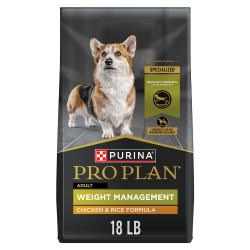
Credit: www.purina.com
Adjusting Food Intake Over Time
Adjusting your adult Corgi’s food intake over time is key to keeping them healthy. Their energy needs change as they grow older, exercise more, or face different weather conditions. Feeding the right amount helps maintain their ideal weight and supports overall well-being.
Observe your Corgi’s behavior and body condition often. Adjust portions as needed, and consult your vet for advice.
Changes With Aging
Older Corgis tend to be less active and need fewer calories. Their metabolism slows down, so overfeeding can lead to weight gain. Reduce food portions gradually as your dog ages. Focus on balanced nutrition with fewer fats and more fiber to aid digestion.
Post-exercise Feeding
After exercise, your Corgi needs energy to recover. Offer a small meal or snack within 30 minutes of activity. Increase food slightly on days with more exercise. Avoid overfeeding, as extra calories can cause weight issues. Keep meals consistent to support muscle repair and energy replenishment.
Seasonal Variations
Season changes affect your Corgi’s appetite and energy use. Dogs may eat more in colder months to stay warm. In summer, they might eat less due to lower activity. Monitor food intake and adjust portions based on season and activity level. Providing fresh water is essential year-round.

Credit: www.petsuppliesplus.com
Frequently Asked Questions
How Much Food Does An Adult Corgi Need Daily?
An adult Corgi typically needs 1 to 1. 5 cups of high-quality dog food daily. This amount varies based on activity and metabolism.
What Factors Affect Adult Corgi Food Portions?
Age, weight, activity level, and health status influence how much food an adult Corgi requires each day.
Can Feeding Too Much Harm An Adult Corgi?
Yes, overfeeding can cause obesity and health problems like joint issues and diabetes in adult Corgis.
How Often Should I Feed My Adult Corgi?
Feeding your adult Corgi twice a day, morning and evening, helps maintain energy and digestion.
Conclusion
Feeding your adult Corgi the right amount keeps them healthy and happy. Watch their weight and energy to adjust portions as needed. Choose high-quality dog food with balanced nutrients for good health. Small, regular meals help maintain stable energy throughout the day.
Remember, each Corgi is different—observe your dog’s needs closely. Proper feeding supports a long, active life for your furry friend. Simple steps make a big difference in your Corgi’s well-being. Keep your dog’s diet consistent and enjoy the bond you share.