
You want the best for your German Shepherd, especially when it comes to their diet. But how do you know the right time to switch from puppy food to adult dog food?
Feeding your GSD the wrong food can affect their health, energy, and growth. If you’re unsure when to make this important change, keep reading. This guide will help you understand exactly when and why your German Shepherd needs adult dog food, so you can keep them strong, happy, and healthy for years to come.
Signs Your Gsd Is Ready
Knowing when your German Shepherd (GSD) is ready for adult dog food is important. Puppies grow quickly, but their diet must change at the right time. Signs your GSD is ready for adult food help you make this switch smoothly. Watch your dog closely for these key changes.
Physical Growth Milestones
Your GSD’s body shows clear signs of growth. They stop growing taller and heavier at a steady pace. Around 12 to 18 months old, most GSDs reach their adult size. Their bones and muscles feel stronger and more solid. Coat texture also changes, becoming thicker and less puppy-like.
Behavioral Changes
Puppy energy slows down. Your GSD becomes calmer and more focused. They show less chewing and biting behavior. Training sessions become easier as attention span grows. Social interactions with other dogs and people mature. These changes mean your dog is ready for adult food.
Nutritional Needs Shift
Energy needs decrease as growth slows. Adult food has fewer calories but more balanced nutrients. Protein levels adjust to maintain muscle strength without promoting rapid growth. Vitamins and minerals change to support adult health. Feeding adult dog food matches your GSD’s new energy and health needs.
Credit: www.renspets.com
Ideal Age For Transition
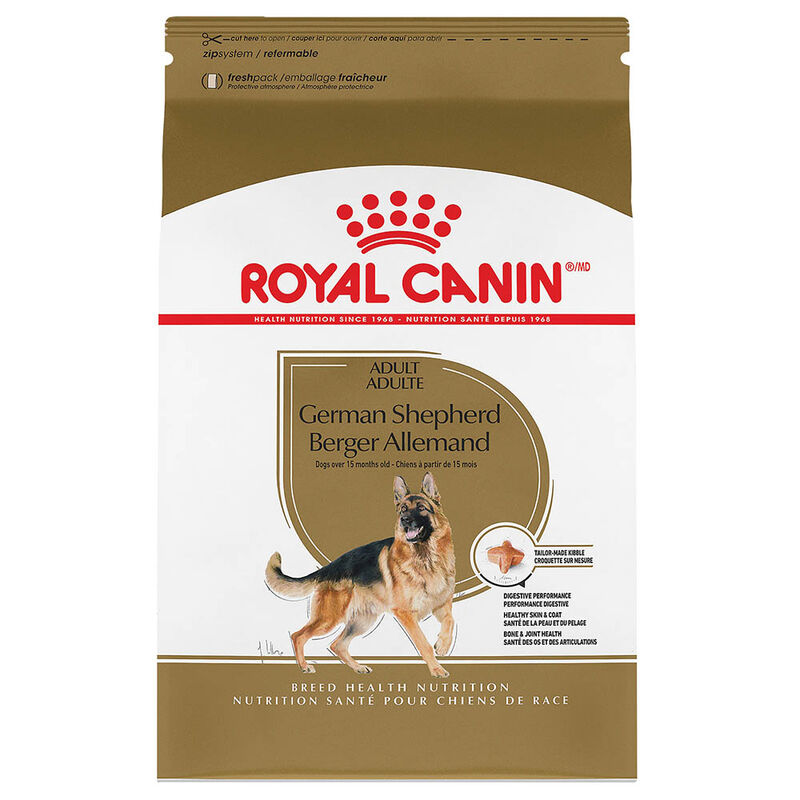
German Shepherds usually switch to adult dog food around one year old. This change supports their growing bodies and energy needs. Transitioning too early or late can affect their health.
When it comes to feeding your German Shepherd Dog (GSD), one of the most crucial decisions is determining the ideal age to transition from puppy food to adult dog food. This change marks a significant stage in your GSD’s development and can impact their overall health and well-being. Understanding when to make this transition ensures that your furry friend receives the appropriate nutrients they need at each stage of their life.Puppy Vs Adult Food Comparison
Puppy food is formulated with higher protein and fat content to support rapid growth and development. It often contains added nutrients like DHA for brain development. In contrast, adult dog food is balanced to maintain health without promoting growth, making it crucial to switch at the right time to prevent obesity and other health issues.Breed-specific Considerations
German Shepherds are a large breed with unique nutritional needs. They typically reach maturity around 18 months, but some may need more time. Their transition to adult food should consider their specific growth rate and activity level to ensure they receive the right amount of calories and nutrients.Veterinarian Recommendations
Consulting with your veterinarian is essential for determining the perfect time to switch your GSD’s diet. They can assess your dog’s growth, weight, and overall health to provide personalized advice. Veterinarians often recommend monitoring your GSD’s body condition score to decide the ideal time for a diet transition. Have you ever wondered if your GSD is ready for adult food? Consider their energy levels and body condition. Trust your vet’s guidance and your observations to make this important decision for your furry friend’s health.Transitioning Process
Changing your German Shepherd’s food from puppy to adult dog food needs care and patience. This process helps your dog adjust to new nutrients without stomach issues. A smooth transition supports healthy digestion and keeps your dog happy.
Gradual Food Mixing
Start by mixing a small amount of adult dog food with the puppy food. Increase the adult food portion slowly over 7 to 10 days. This slow change lets your dog’s stomach get used to the new food. Avoid switching suddenly to prevent upset stomach.
Monitoring Digestive Health
Watch your dog’s stools and eating habits each day. Look for signs like diarrhea, vomiting, or loss of appetite. These symptoms show if the new food causes problems. If you see these signs, slow down the transition or check with a vet.
Adjusting Portion Sizes
Adult dog food often has different calorie levels than puppy food. Adjust portion sizes to match your dog’s energy needs and weight. Feeding too much can cause weight gain, while too little may cause hunger. Follow package guidelines and your vet’s advice.
Common Mistakes To Avoid
Feeding your German Shepherd the right adult dog food at the right time is crucial, but many pet owners stumble over avoidable errors. These mistakes can affect your dog’s health, digestion, and overall well-being. Understanding what to steer clear of helps you make a smoother, healthier transition for your furry friend.
Switching Too Early Or Late
Changing your GSD’s food too soon can upset their sensitive stomach. Puppies have different nutritional needs than adults, so switching too early may leave them lacking essential nutrients for growth.
On the flip side, waiting too long to switch to adult dog food means your dog might consume more calories than needed. This can lead to unnecessary weight gain and related health issues. How do you know the right moment? Look for signs like reaching about 80% of their adult size or your vet’s advice.
Ignoring Food Quality
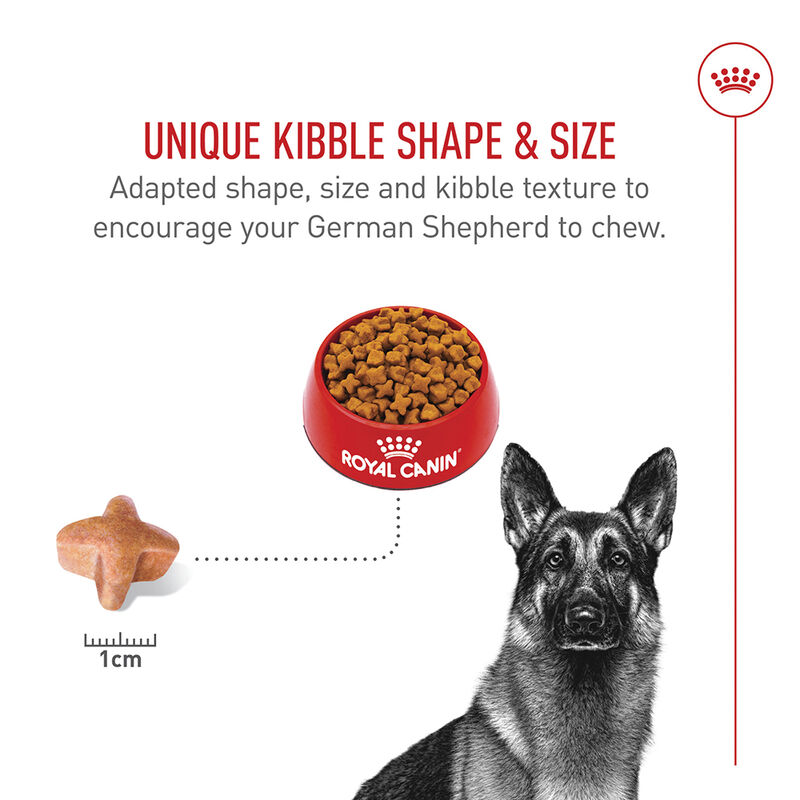
Not all adult dog foods are created equal. Choosing low-quality food packed with fillers and artificial ingredients can harm your GSD’s coat, energy levels, and digestion.
Focus on brands that list real meat as the first ingredient and avoid vague terms like “meat by-products.” You want food that supports their active lifestyle and strong immune system. Have you checked the ingredient list lately?
Overfeeding During Transition
It’s tempting to feed more during the switch, hoping your dog will adjust faster. However, overfeeding can cause digestive upset and rapid weight gain.
Introduce new food gradually over 7-10 days, mixing it with the old food and slowly increasing the adult portion. This slow change helps your GSD’s stomach adapt without stress. Are you measuring portions carefully or just eyeballing it?
Benefits Of Proper Timing
Timing the switch to adult dog food for your German Shepherd (GSD) plays a crucial role in their overall well-being. Feeding adult food too early or too late can disrupt their growth and health balance. Knowing the benefits of proper timing helps you support your dog’s needs at every stage.
Optimal Growth And Development
German Shepherds grow rapidly during their first year. Giving them adult dog food too soon can mean missing out on key nutrients needed for strong bones and muscles.
Proper timing ensures your GSD gets enough protein, calcium, and vitamins that support healthy joint development. Have you noticed how your puppy’s energy and strength change around 12 to 18 months? That’s the perfect window to transition.
Maintaining Healthy Weight
Adult dog food is formulated differently to meet the energy needs of mature dogs. Feeding your GSD adult food at the right time helps prevent unnecessary weight gain or loss.
Switching too early may cause your dog to gain weight quickly, while switching too late can lead to excessive calorie intake. Are you monitoring your dog’s weight regularly? Adjusting food type based on growth stage keeps your dog fit and active.
Long-term Health Impact
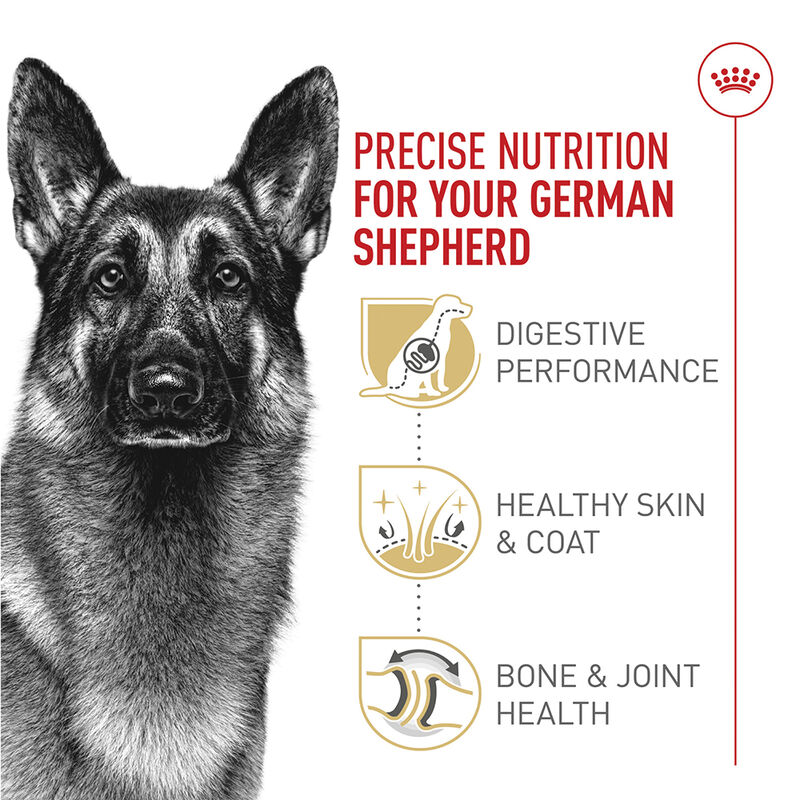
The food your dog eats during their growth phase affects their health for years to come. Proper timing of adult food introduction supports a stronger immune system and reduces risks of joint diseases.
For example, dogs that stay on puppy food too long may develop obesity or digestive issues later in life. When you choose the right moment to switch, you help your GSD live a healthier, happier life with fewer medical problems.
Credit: www.renspets.com
Special Considerations
Choosing adult dog food for your German Shepherd requires more than just picking any brand. Several factors affect the right diet. Special considerations help ensure your dog stays healthy and energetic. Pay attention to activity levels, health conditions, and environment. These elements shape your GSD’s nutritional needs.
Active Vs Less Active Gsds
Active German Shepherds burn more calories daily. They need food with higher protein and fat. This supports muscle maintenance and energy. Less active or older GSDs require fewer calories. Too much food can lead to weight gain. Adjust portions based on your dog’s activity. Monitor their body condition regularly for best results.
Health Issues Affecting Diet
Some German Shepherds face health problems affecting diet. Joint issues like hip dysplasia need foods rich in glucosamine. Digestive problems call for easy-to-digest ingredients. Allergies require avoiding certain proteins or grains. Always consult your vet about special dietary needs. Tailor your dog’s food to support their health challenges.
Seasonal And Environmental Factors
Weather and environment influence your GSD’s diet. Cold months may increase calorie needs for warmth. Hot seasons might require lighter, more hydrating meals. Outdoor dogs often need more energy than indoor pets. Change food portions and types based on seasons. Keep your dog comfortable and well-nourished all year.
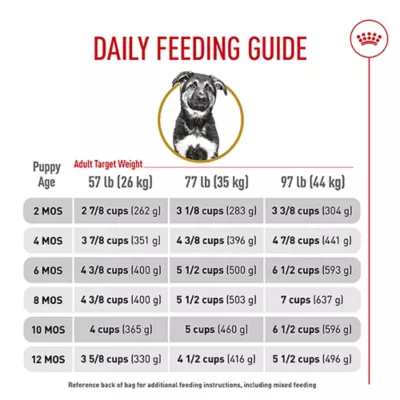
Credit: www.petsmart.ca
Frequently Asked Questions
When Should A Gsd Switch To Adult Dog Food?
German Shepherds typically switch to adult dog food at 12 to 18 months. This timing supports their growth and energy needs as they mature. Consult your vet to tailor the transition based on your dog’s health and activity level.
What Are The Signs My Gsd Needs Adult Food?
Signs include slowed growth, reduced calorie needs, and changes in activity. Adult dog food better suits their nutritional needs after puppyhood. Monitor weight and energy to decide the right time for the switch.
Can I Feed Adult Dog Food Before 1 Year?
Feeding adult dog food before 1 year is generally not recommended. Puppies need higher protein and calories for growth. Early switching may cause nutritional imbalances or stunted growth.
How To Transition Gsd To Adult Dog Food Safely?
Transition gradually over 7-10 days by mixing increasing adult food with puppy food. This helps avoid digestive upset and ensures acceptance. Observe your GSD’s response during the transition.
Conclusion
German Shepherds need adult dog food at the right time. Usually, they switch around one year old. This change helps them get the right nutrients. Adult food supports their energy and health better. Watch your dog’s size and activity to know when.
Always choose good quality food made for adults. Proper nutrition keeps your GSD strong and happy. Feeding the right food shows you care. Keep your dog’s diet balanced and healthy every day. Simple steps make a big difference in their life.