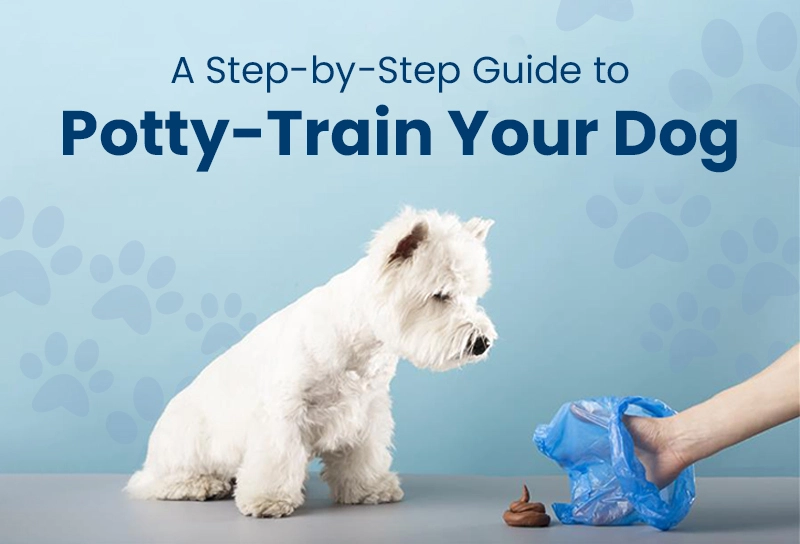

Are you eager to know when your furry friend will finally be potty trained? You’re not alone.
Potty training your dog can feel like a long, confusing process. But understanding the right timing can make all the difference. You’ll discover exactly when dogs typically get potty trained and how you can help your pup succeed faster. Keep reading—your patience will pay off, and soon your home will stay clean and stress-free.
Credit: www.purina.com
Potty Training Timeline
Understanding the potty training timeline helps set clear expectations for dog owners. Each puppy learns at its own pace, but certain stages mark common progress points. Recognizing these stages aids in providing the right support and patience during training.
Typical Age For Training
Most puppies begin potty training between 12 and 16 weeks old. This period is ideal because puppies start to control their bladder better. Some dogs may start earlier, while others need more time.
Smaller breeds might take longer to train due to their tiny bladders. Larger breeds often catch on faster but still need consistency. Starting too early can cause accidents and frustration.
Signs Of Readiness
Look for clues that your puppy is ready to learn. These signs include:
- Staying dry for longer periods
- Showing interest in going outside
- Understanding simple commands
- Following you to the door
When puppies show these behaviors, training becomes easier. Watch closely to spot these moments and begin focused training.
Factors Influencing Timing
Several factors can change the potty training timeline. Health issues, breed traits, and environment all play roles. A stressed or sick puppy may take longer to learn.
Consistency in training is crucial. Frequent accidents often result from irregular schedules. Puppies with owners who are patient and consistent train faster.
Access to outdoor space also matters. Dogs with easy outdoor access learn routines more quickly. Those in apartments might need extra care and planning.

Credit: medium.com
Choosing The Right Method
Choosing the right potty training method for your dog can make all the difference in how quickly and smoothly the process goes. Every dog is unique, and what works for one might not suit another. Understanding the pros and cons of each approach helps you pick a method that fits your lifestyle and your dog’s personality.
Crate Training Benefits
Crate training uses your dog’s natural instinct to keep their sleeping area clean. When you give your dog a cozy, secure crate, they learn to hold their bladder until you let them out.
This method helps create a structured routine. It also reduces accidents inside the house because dogs don’t like soiling their personal space. If you’re consistent with crate breaks, you’ll likely see faster results.
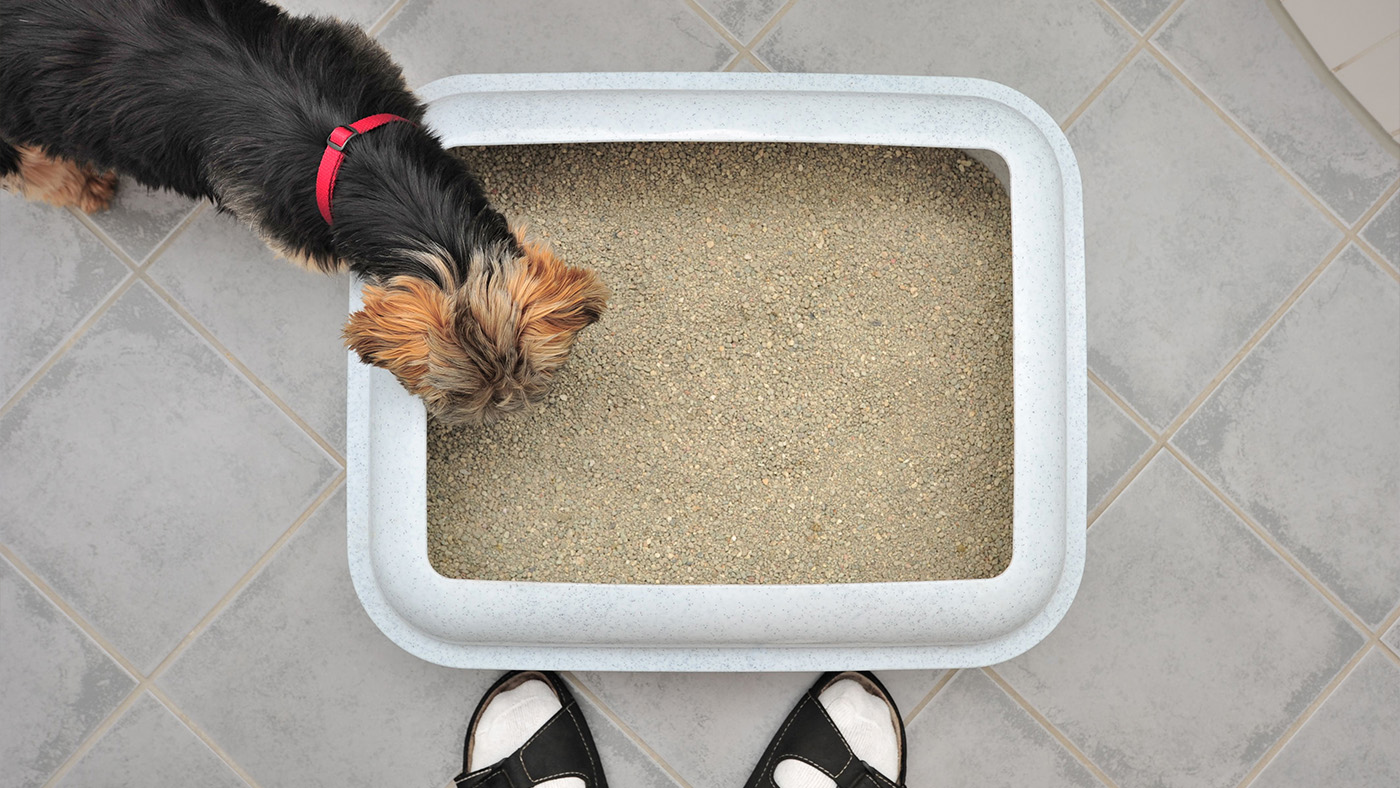
Using Puppy Pads
Puppy pads offer an indoor potty option, especially useful if you live in an apartment or face harsh weather. They provide a designated spot your dog can associate with going to the bathroom.
However, pads can sometimes confuse dogs about where they should go long-term. If you choose this method, think about how you’ll transition your dog to outdoor potty habits later. Keeping the pad area clean and consistent is key to success.
Outdoor Training Tips
Training your dog to go outside is often preferred for long-term habits. Take your dog out frequently, especially after meals and naps, to build a clear connection between being outside and potty time.
Use a specific spot outdoors to help your dog recognize where to go. Praise and reward immediately after they go in the right place. Your patience here will pay off in fewer accidents and a happier dog.
Creating A Routine
Dogs usually start potty training between 12 to 16 weeks old. Establishing a consistent routine helps them learn faster. Taking your dog outside at regular times encourages good habits.
Creating a routine for potty training your dog is like setting the foundation for a lifelong friendship. It’s not just about teaching your furry friend where to go; it’s about building a bond based on trust and consistency. A well-structured routine helps your dog understand what’s expected, reducing accidents and boosting their confidence.Scheduled Potty Breaks
Establishing a schedule for potty breaks is crucial. Dogs thrive on consistency, so taking them out at the same times each day helps them anticipate when it’s time to go. Early mornings, after meals, and before bedtime are ideal moments for these breaks. Imagine you have a busy day ahead. Wouldn’t it be nice to know exactly when you can take a break? Your dog feels the same. Regular intervals not only prevent accidents but also make it easier for you to manage your day.Feeding And Bathroom Timing
Feeding your dog at the same times daily can significantly aid in predicting when they need to go. A consistent feeding schedule naturally leads to a consistent potty schedule. After eating, give your dog about 20 to 30 minutes before taking them outside. Think about how your own body works; it’s not much different for your pup. This timing helps set a natural rhythm, reducing uncertainty for both you and your dog.Consistent Commands
Using the same command every time you want your dog to go potty creates a clear association in their mind. Words like “go potty” or “do your business” should be used consistently. Over time, your dog will understand these words as cues to relieve themselves. Consistency in commands isn’t just about training; it’s about communication. When your dog knows what you’re asking, it strengthens your relationship. Have you ever felt misunderstood? Imagine how your dog feels when commands change frequently. Keeping it simple and consistent makes all the difference.Positive Reinforcement
Positive reinforcement is key to potty training dogs successfully. It means rewarding good behavior to encourage your dog to repeat it. This method builds trust and makes learning fun for your pet. Dogs respond well to praise and treats, which help them understand what you expect.
Reward Systems
Use treats, toys, or affection to reward your dog. Offer these rewards right after they go potty outside. This helps your dog connect the action with the reward. Keep rewards small and frequent at first. Gradually reduce treats as your dog learns the routine.
Avoiding Punishment
Never punish your dog for accidents. Punishment creates fear and confusion. It can make your dog hide or avoid you. Focus on positive actions instead. Clean accidents quietly without scolding. Patience and calmness work better than anger.
Encouraging Good Behavior
Praise your dog with happy words and petting. Use a cheerful tone to show approval. Take your dog outside often, especially after meals and naps. Give clear signals like a command word. Consistency helps your dog understand what is right.
Managing Accidents
Accidents are part of the potty training process for dogs. Expect some messes as your dog learns the right place to go. Managing these accidents properly helps keep your home clean and supports your dog’s progress.
Cleaning Techniques
Clean accidents quickly to remove odors that attract dogs back to the spot. Use enzyme-based cleaners designed for pet stains. Avoid ammonia or bleach, which can confuse your dog.
Blot the area with paper towels first. Then apply the cleaner and let it sit. Rinse with water and dry thoroughly. This method helps stop repeat accidents in the same place.
Handling Setbacks
Setbacks happen even after good progress. Your dog might have accidents due to stress or health issues. Stay calm and don’t punish your dog.
Review your training routine. Increase bathroom breaks if needed. Keep a close eye on your dog to catch signs of needing to go out. Consistency is key during setbacks.
Staying Patient
Patience is essential for successful potty training. Dogs learn at their own pace. Stay positive and encouraging.
Celebrate small wins and keep routines steady. Avoid frustration or anger. Your calm attitude helps your dog feel safe and confident during training.
Credit: www.petsradar.com
Common Challenges
Potty training your dog can be a rewarding experience, but it often comes with its own set of challenges. Understanding these common hurdles can help you stay patient and find solutions that work for your furry friend. Challenges range from behavioral stubbornness to underlying health issues, and sometimes just the need to tweak your approach.
Dealing With Stubborn Dogs
Some dogs simply refuse to follow potty training rules, which can test your patience. These dogs might ignore commands or have accidents despite your best efforts.
Consistency is key here. Try keeping a strict schedule for bathroom breaks and use positive reinforcement immediately after your dog goes outside. Have you noticed if distractions or excitement make your dog forget the training?
Sometimes, stubbornness masks confusion. Simplify your commands and give clear, calm signals. Your dog will catch on faster when training feels straightforward.
Separating Medical Issues
Accidents might not always be behavioral; health problems can cause potty mishaps too. Conditions like urinary tract infections or digestive issues can make it hard for dogs to hold it.
If your dog suddenly regresses after being trained, a vet check is important. How often have you overlooked medical causes when dealing with accidents?
Understanding your dog’s health helps avoid frustration and unnecessary punishment. Keep an eye on symptoms like frequent urination, discomfort, or changes in appetite.
Adjusting Methods
What works for one dog might not work for another. If your current training method isn’t effective, don’t hesitate to try new strategies.
- Switch from crate training to scheduled outdoor breaks
- Use different rewards such as treats, toys, or praise
- Change the timing of bathroom trips based on your dog’s routine
Have you tried varying your approach when progress stalls? Small adjustments often lead to big improvements.
Remember, patience and flexibility are your best tools. Keep learning about your dog’s unique needs, and celebrate every small victory along the way.
Tips For Long-term Success
Potty training your dog is just the beginning. To keep your home clean and your dog happy, you need solid tips for long-term success. These strategies help turn good habits into lifelong routines, making both of you more comfortable.
Maintaining Consistency
Dogs thrive on routine. Sticking to the same potty schedule every day helps your dog know exactly when and where to go. This reduces accidents and builds trust between you and your pet.
Try to take your dog out at regular times, like after meals and naps. It might feel repetitive, but consistency is key to reinforcing good behavior. Have you noticed how your dog’s behavior changes on days with irregular routines?
Gradual Freedom
Once your dog masters potty training, don’t rush to give full freedom. Gradually increase their access to different areas of your home. This helps them learn which spots are off-limits and prevents confusion.
Start by allowing access to one new room at a time, observing how your dog behaves. If accidents happen, scale back and try again later. Patience here can save you a lot of cleaning and frustration.
Monitoring Progress
Keep track of your dog’s potty habits even after training feels complete. Watch for any signs of regression or health issues. Early detection can prevent bigger problems.
Use a simple journal or app to note when and where your dog goes. This record helps spot patterns and gives you insight into your dog’s needs. Have you ever caught a health issue just because you noticed a change in potty habits?
Frequently Asked Questions
When Do Puppies Start Potty Training?
Puppies typically start potty training between 12 to 16 weeks old. Early training helps establish good habits. Consistency and patience are key during this period.
How Long Does It Take To Potty Train A Dog?
Potty training usually takes 4 to 6 months. Some dogs may learn faster, while others need more time. Regular routines and positive reinforcement speed up the process.
What Signs Show A Dog Needs To Potty?
Dogs often sniff, circle, or whine before needing to potty. Recognizing these signs helps prevent accidents and reinforces training success.
Can Adult Dogs Be Potty Trained?
Yes, adult dogs can learn potty training with patience. Training methods are similar but may take longer. Positive reinforcement remains effective.
Conclusion
Potty training a dog takes patience and time. Most puppies learn between 4 to 6 months old. Consistency and positive praise help dogs understand faster. Every dog is different, so expect some variation. Small accidents are part of the process.
Keep a regular schedule and watch for signs. Soon, your dog will know where to go. Enjoy the journey and celebrate small wins. Training builds trust and good habits for life. Stay patient, and your dog will succeed.